
Park Row 1952

Directed by
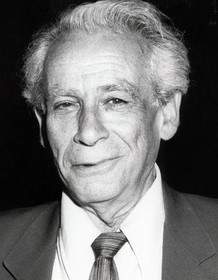
Samuel Fuller
Made by

Samuel Fuller Productions
Park Row Plot Summary
Read the complete plot summary and ending explained for Park Row (1952). From turning points to emotional moments, uncover what really happened and why it matters.
In 1886, Phineas Mitchell is fired from The Star for openly criticizing its methods and philosophy. When his friends rally to defend him, they too lose their jobs, leaving the group adrift and searching for a new path. As they drown their sorrows in a bar, Steve Brodie bursts in with a dramatic claim: he survived a jump from the Brooklyn Bridge and wants Mitchell to write a story that will make him famous—yet Mitchell bluntly reminds him that he no longer has a newspaper job.
An old acquaintance, Charles A. Leach, reveals a long-held dream of journalism and lays out a daring plan: they should start a new paper together. Leach possesses a printing press, empty offices, and enough funds to get things moving. Mitchell agrees, and he immediately attracts his loyal crew, bringing on the seasoned reporter Josiah Davenport and the eager young talent Rusty. The plan quickly takes shape, and the team christens the venture “The Globe.” To kick things off, when a policeman comes hunting for Steve Brodie, Mitchell pulls the fugitive out from behind the bar, turning this confrontation into the first front-page scoop for the fledgling paper.
Meanwhile, Charity Hackett, the ambitious and ruthless publisher of The Star, initially shrugs off the new rival. But as The Globe’s fearless approach and its willingness to cover controversial topics wins readers, Hackett grows wary and begins to see the threat. Mitchell embraces bold, reformist ideas, and The Globe garners popularity despite its tight finances, even though it is printed on cheap materials such as butcher paper. Hackett makes a push to recruit Ottmar Mergenthaler to upgrade The Star’s capabilities, but her efforts fail to slow the momentum of the new paper.
The tension between the rivals increases when Hackett herself appears at The Globe and offers a merger. Mitchell meets her proposal with warmth and restraint, sharing a moment of affection, but ultimately rejects the deal. In response, she orders his suppliers to cut off ink and paper, and the retaliation spirals into violence: men are beaten, and Rusty is even run over by a heavy wagon. Mitchell confronts Hackett, insisting that Rusty’s injuries were not his fault and that she cannot simply wash her hands of the consequences, but she remains unrepentant as the conflict deepens.
A fresh crisis hits when Mitchell learns that France’s gift of the Statue of Liberty lacks a pedestal due to insufficient funds. He launches a public fundraising campaign, promising to publish the donors’ names, only to discover that con artists are collecting money in The Globe’s name. The government intervenes and orders the funds returned. In retaliation, Hackett orchestrates a smear, and Mitchell writes a scathing article debunking the fraud. Yet chaos erupts in his press room: type is spilled from the cases, glue is poured over equipment, and the situation seems bleak.
Then a breakthrough arrives: Ottmar Mergenthaler announces that the Linotype machine is complete, enabling faster, cleaner production. The Globe appears poised to print again, but tragedy strikes when a bomb destroys the newsroom’s printing press. Mitchell is devastated, succumbing to drink as he contemplates the loss of everything he built.
The next morning, a surprising twist clears the air. Mitchell discovers that his work has found an unlikely second wind: Mergenthaler’s machine has been used to typeset the paper anew, and Hackett has supplied the press and paper to keep The Globe alive while Mitchell’s team works late into the night. Hackett confesses her calculated plan to topple The Star so The Globe can flourish, revealing a complex, if morally gray, rivalry.
In the film’s final moment, rather than offering a traditional neat ending, the newsroom shifts to a new rhythm. The film ends with the word “THIRTY,” a signal from the reporters that marks the end of a story and the perpetual, restless pace of journalism. The Globe’s rise, Hackett’s ruthless strategies, and the invention that makes modern printing possible weave together into a portrait of ambition, innovation, and the costs of competing narratives.
Park Row Timeline
Follow the complete movie timeline of Park Row (1952) with every major event in chronological order. Great for understanding complex plots and story progression.
Fired from The Star
Phineas Mitchell is fired from The Star for criticizing its methods and philosophy. When his friends defend him, they are discharged as well. The group of newly unemployed men then drown their sorrows in a bar as they face an uncertain future.
Steve Brodie's demand for fame
Steve Brodie bursts into the scene claiming he survived a jump from the Brooklyn Bridge and insists Mitchell write a sensational article to make him famous. Mitchell informs him he has no newspaper job to offer. The encounter sets off a chain of events that will draw Mitchell back into journalism.
Leach's offer and the birth of The Globe
Charles A. Leach declares he wants to go into journalism and proposes a partnership to start a new paper. He provides a printing press, offices, and enough money to launch. Mitchell accepts and immediately hires his friends to form The Globe.
The Globe takes shape and a front-page scoop
The Globe is born and gains traction with fearless coverage, overcoming frugal resources. Mitchell enlists veteran Josiah Davenport and eager Rusty, and secures the front-page lead by dragging Brodie out from behind the bar for the first issue.
Hackett eyes The Globe and Linotype
Charity Hackett visits The Globe, eyeing a merger but also exploring Ottmar Mergenthaler’s Linotype machine as a way to outpace rivals. She hopes to lure key talent for The Star and weaken The Globe’s printing ability.
Proposal rejected; ink and paper cut-off
Hackett offers a merger, but Mitchell rejects it and remains committed to independence. In retaliation, Hackett’s associate is ordered to cut off ink and paper to The Globe, escalating tensions and threatening the paper’s survival.
Violence erupts in response to the blackout
The Globe’s supply troubles lead to a violent confrontation as men are beaten and Rusty is run over by a wagon. Mitchell confronts Hackett, insisting he didn’t intend such harm and arguing over accountability.
Fundraiser for the Statue of Liberty pedestal
Mitchell launches a public fundraising drive to cover France’s gift—the Statue of Liberty pedestal—and vows to publish every donor’s name. He later discovers that con men are collecting money in The Globe’s name, drawing government scrutiny.
Fraud exposed and authorities intervene
The government orders the funds returned after discovering the con men’s deception. Mitchell writes a scathing article exposing the fraud, but the Globe’s press room is vandalized with spilled type and glue, threatening the paper’s recovery.
Linotype triumph and renewed printing
Ottmar Mergenthaler’s Linotype machine is declared complete, and the Globe is poised to print again. Hackett provides the press and paper to support a rapid relaunch as the paper’s fortunes turn around.
The bomb and the night of despair
A bomb destroys the Globe’s new printing press, leaving Mitchell devastated and drinking himself to sleep. The setback seems nearly insurmountable for the fledgling newspaper.
Morning of revelation and a new plan
The next morning, Mitchell finds that the story has been read by everyone, and Mergenthaler has again used the machine to typeset the paper. Hackett reveals she has supplied press and paper and plans to kill The Star so The Globe can flourish.
End of story signalled by THIRTY
The film closes not with The End, but with the word THIRTY, signaling the end of a story and the ongoing cycle of journalism. The Globe’s resilience and Hackett’s ambitions leave its heroes facing an uncertain but hopeful future.
Park Row Characters
Explore all characters from Park Row (1952). Get detailed profiles with their roles, arcs, and key relationships explained.
Phineas Mitchell (Gene Evans)
A driven, idealistic reporter who builds The Globe after being fired. He is a natural leader who binds a loyal team of colleagues, pursuing fearless, populist stories. His integrity is tested as the rival press schemes against him, but he fights to keep truth at the paper's core.
Steve Brodie (George O'Hanlon)
A daring figure who claims to have survived a Brooklyn Bridge jump, catalyzing Mitchell to launch The Globe. He represents risk-taking impulse and the lure of sensational headlines that grab public attention. His presence forces the newsroom to chase headlines and stoke controversy.
Charity Hackett (Mary Welch)
Ruthless publisher of The Star who sees The Globe as a threat to her empire. She masterminds strategic pressures, withholding supplies and leveraging influence to sabotage rivals. Her ambition exposes the darker sides of media power and profit.
Ottmar Mergenthaler (Bela Kovacs)
Inventor of the Linotype, whose machine promises speed and revolutionizes printing. He is a cautious genius who helps The Globe become viable, turning a personal dream into a newsroom-wide transformation. His invention changes the economics and scope of journalism.
Rusty (Dee Pollock)
An eager rookie on The Globe, full of energy and curiosity. He embodies the risks of frontline journalism, and his injuries from sabotage underscore the personal costs of a sensational press war. His presence shows the stakes behind every daring story.
Josiah Davenport (Herbert Heyes)
Veteran reporter who provides guidance and steadiness in the newsroom. He represents experience and loyalty, helping shape Mitchell's bold, sometimes reckless, ambitions with practical wisdom. He anchors the team with institutional memory.
Charles A. Leach (Forrest Taylor)
Mitchell's early partner who dreams of a new journalism, providing the initial capital and press equipment. He embodies entrepreneurial optimism and the notion that fresh ideas can disrupt a stagnant press landscape. His faith in a rival newspaper’s power fuels the Globe's launch.
Park Row Settings
Learn where and when Park Row (1952) takes place. Explore the film’s settings, era, and how they shape the narrative.
Time period
1886
The story takes place in the mid-1880s New York, a time of rapid urbanization and the rise of mass-circulation newspapers. It depicts the birth of modern journalism with cheap printing materials and new technology, while corruption and political influence color public life. The period is defined by ambitious editors, sensational stories, and the public's hunger for headlines.
Location
New York City
Park Row unfolds in 1886 New York City, a sprawling metropolis where tenements and bars sit beside bustling newspaper offices. The city's crowded streets, docks, and offices provide the relentless backdrop for a fierce press war. The era's rapid industrial growth and immigrant populations fuel a cutting, competitive information market.
Park Row Themes
Discover the main themes in Park Row (1952). Analyze the deeper meanings, emotional layers, and social commentary behind the film.
🗞️
Press Power
The Globe's fearless reporting reshapes public discourse, challenging the established Star and showing how information can mobilize readers and influence politics. The film probes the moral costs and temptations journalists face when audience, money, and fame tempt them away from truth. It frames journalism as a contest for control of the narrative as much as for truth.
🖨️
Printing Tech
Ottmar Mergenthaler's Linotype invention accelerates production, making newspapers faster and cheaper to print. The newsroom is transformed by technology that lets The Globe outpace rivals, increasing the stakes of every story. The speed and efficiency of printing become a political and economic weapon.
⚖️
Ethics
Rival publishers engage in manipulation, sabotage, and deceit to crush competition, testing Mitchell's commitment to truth. Hackett's aggressive tactics threaten both his staff and readers, revealing how ethics can be bent in the pursuit of market dominance. The climax asks whether noble journalism can survive a ruthless marketplace.

Coming soon on iOS and Android
The Plot Explained Mobile App
From blockbusters to hidden gems — dive into movie stories anytime, anywhere. Save your favorites, discover plots faster, and never miss a twist again.
Sign up to be the first to know when we launch. Your email stays private — always.
Explore the mobile appPark Row Spoiler-Free Summary
Discover the spoiler-free summary of Park Row (1952). Get a concise overview without any spoilers.
In the bustling heart of 1880s New York, the streets of Park Row pulse with the clatter of presses and the relentless chatter of newsboys. It is a world where ink‑stained ambition fuels a thriving rivalry among newspapers, each one vying to shape public opinion amid the city’s rapid growth. The era’s gritty energy blends with a sense of possibility, as innovators and storytellers alike race to capture the moment on cheap paper that flies through the air like gossip itself.
Phineas Mitchell arrives at this crossroads freshly dismissed from his former post, his reputation bruised but his ideals unshaken. A journalist who believes the press should be a force for reform, he gathers a small band of loyal reporters and printers, each sharing his hunger for an honest voice in a market crowded with sensationalism. Their dream coalesces around a modest, newly christened publication that promises to speak plainly to the people, daring to challenge the conventions that have long dictated the newsroom’s rhythm.
Across the street, the powerful proprietor of the city’s dominant paper watches the newcomer with a mixture of curiosity and calculation. Charity Hackett, a savvy heiress who commands both wealth and influence, embodies the established order while also hinting at a more personal stake in the unfolding contest. Their interactions crackle with the tension of competition and the unexpected flicker of attraction, suggesting that the battle for readership may be as much about hearts as headlines.
Against this backdrop of clattering type and smoky editorial rooms, the film captures the restless spirit of an industry on the brink of transformation. Innovation whispers through the streets, hinting at new machines that could change how stories are told, while the relentless chase for a story’s perfect line underscores the human cost of ambition. The atmosphere swirls with optimism, rivalry, and a hint of romance, setting the stage for a portrait of journalism that is as much about the people who wield the pen as the papers they print.
Movies with Similar Twists and Themes
Uncover films that echo the narrative beats, emotional arcs, or dramatic twists of the one you're exploring. These recommendations are handpicked based on story depth, thematic resonance, and spoiler-worthy moments — perfect for fans who crave more of the same intrigue.


Featured on this page

What's After the Movie?
Not sure whether to stay after the credits? Find out!
Check out our other apps:

SAT Sphere
Build confidence for the Digital SAT.

Mori Atlas
Discover wild places worth protecting.

Luntero
Search smarter for a home in Amsterdam.

Plot Explained
Unravel movie endings and hidden clues.

Pokechamp
Dive into Pokémon data and battle logic.

Driving Theory
Get ready for your European theory test.

Movie Dust
Plan your next cinema trip with ease.

Musemap
Find art and culture as you travel.

Selkobase
Compare credentials before committing.

Local Manual
Turn an unfamiliar country into practical next steps.

Lernavi
Compare school systems before your next move.

GymRoam
Find a workout stop wherever your plans take you.
Explore Our Movie Platform
New Movie Releases (2026)
Famous Movie Actors
Top Film Production Studios
Movie Plot Summaries & Endings
Major Movie Awards & Winners
Best Concert Films & Music Documentaries
Movie Collections and Curated Lists
© 2026 What's After the Movie. All rights reserved.
Privacy Policy