Up in Central Park 1948


A newspaper reporter and the daughter of an immigrant maintenance man help expose political corruption in New York City.


Does Up in Central Park have end credit scenes?
No!
Up in Central Park does not have end credit scenes. You can leave when the credits roll.
Where to Watch Up in Central Park
See current US streaming, rental, and purchase options for Up in Central Park (1948) via JustWatch.



Streaming availability powered by 
Meet the Full Cast and Actors of Up in Central Park
Explore the complete cast of Up in Central Park, including both lead and supporting actors. Learn who plays each character, discover their past roles and achievements, and find out what makes this ensemble cast stand out in the world of film and television.

Vincent Price
Boss Tweed
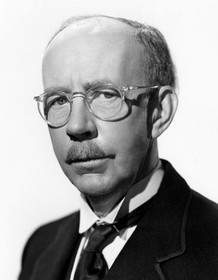
Hobart Cavanaugh
Mayor Oakley

Mary Field
Schoolteacher

Moroni Olsen
Big Jim Fitts
Thurston Hall
Governor Motley
Albert Sharpe
Timothy Moore
Tom Powers
Rogan
Howard Freeman
Myron Schultz
Deanna Durbin
Rosie Moore
Dick Haymes
John Matthews
Tom Pedi
O'Toole
Patricia Alphin
Guest
Bess Flowers
Diner at The Stetson House (uncredited)
William Skipper
Dancer
Nellie Fisher
Dancer
External Links and Streaming Options
Discover where to watch Up in Central Park online, including streaming platforms, rental options, and official sources. Compare reviews, ratings, and in-depth movie information across sites like IMDb, TMDb, Wikipedia or Letterboxd.




Take the Ultimate Up in Central Park Movie Quiz
Challenge your knowledge of Up in Central Park with this fun and interactive movie quiz. Test yourself on key plot points, iconic characters, hidden details, and memorable moments to see how well you really know the film.
Up in Central Park Quiz: Test your knowledge of the 1948 film *Up in Central Park* with these ten mixed‑difficulty questions.
Who is the powerful political boss that runs Tammany Hall in the film?
Full Plot Summary and Ending Explained for Up in Central Park
Read the complete plot summary of Up in Central Park, including all major events, twists, and the full ending explained in detail. Explore key characters, themes, hidden meanings, and everything you need to understand the story from beginning to end.
In New York City in the 1870s, as the city prepares for the upcoming election, Boss Tweed, Vincent Price and his Tammany Hall political machine are working hard to re-elect their candidates, including Mayor Oakley, Hobart Cavanaugh, in order to continue exploiting the coffers of the city and state. The one voice opposing Tweed’s organization is John Matthews, Dick Haymes, a young naïve reporter for The New York Times, who begins a quiet, principled push to expose the corruption simmering beneath the gilded surface.
When Irish immigrant Timothy Moore, Albert Sharpe and his singing daughter Rosie Moore, Deanna Durbin arrive in New York City hoping for a better life, they are set upon immediately by Rogan, Tom Powers, one of Tweed’s men. The illiterate Timothy agrees to vote twenty-three times for the Tammany ticket, and is rewarded with $50 and an invitation to Tweed’s victory party, an invitation that marks the first hollow notch in a long, corrupt chain.
At the party, Rosie inadvertently overhears Tweed’s latest plan to embezzle the city’s coffers through the unnecessary renovation of Central Park. Fearing that Rosie may know about his scheme, Tweed appoints the unknowing Timothy to the post of Park Superintendent, a move that shows how far the machine will go to secure loyalty and cover its tracks.
Sometime later, John meets Timothy, the new Park Superintendent. Unaware that John is a reporter, Timothy reveals that some of the park’s zoo animals are actually being raised for Tweed’s consumption. After John’s story appears in the paper, Timothy is fired, but when Rosie appeals to an infatuated Tweed to give her father another chance, he agrees. Also smitten with Rosie, John offers Timothy a job with his newspaper. Soon after, John tries to convince Rosie of Tweed’s dishonesty, but is unsuccessful. Later that night, Rosie almost discovers Tweed’s true character when he makes numerous, lecherous advances toward her during dinner, but is interrupted by Timothy, who mistakenly believes that he was invited.
After Rosie arranges a meeting between John and Tweed, the political boss offers to sponsor John’s proposed novel if he agrees to quit his job at The New York Times. John refuses the bribe. Later, John discovers Timothy attending grammar school classes; with the help of a schoolteacher named Miss Murch, Mary Field the old man learns of Boss Tweed’s corruption. When Timothy tries to tell his daughter about Tweed’s true character, she refuses to listen, having become romantically involved with the married man, adding a personal stake to the political drama.
Through Tweed’s influence, Rosie soon auditions for an opera company, and though she is offered a role in an upcoming production, Tweed insists that she be cast in the current show, showcasing how personal ambition and political power intertwine in this tense cityscape. Meanwhile, Timothy, upset over his daughter’s involvement with Tweed, approaches John and offers to help him gain evidence against the political boss by breaking into city hall and examining the city’s financial records. The two men are discovered by a drunken Mayor Oakley when he wanders into his office, but they trick him into giving his copies of Tweed’s financial dealings to the newspaperman, a pivotal moment that fuels the investigation.
After their corruption is exposed in the newspapers, Boss Tweed and his associates prepare to flee the country, but Tweed offers no apologies to Rosie for his actions, stating his belief in the rights of the strong over the weak. After he leaves her, Rosie wanders through Central Park, where she is discovered by Timothy and John. After requesting her father’s forgiveness, Rosie is reunited with John, and the film closes on a note that blends moral reckoning with a glimmer of personal reconciliation.

Coming soon on iOS and Android
The Plot Explained Mobile App
From blockbusters to hidden gems — dive into movie stories anytime, anywhere. Save your favorites, discover plots faster, and never miss a twist again.
Sign up to be the first to know when we launch. Your email stays private — always.
Explore the mobile appDiscover Film Music Concerts Near You – Live Orchestras Performing Iconic Movie Soundtracks
Immerse yourself in the magic of cinema with live orchestral performances of your favorite film scores. From sweeping Hollywood blockbusters and animated classics to epic fantasy soundtracks, our curated listings connect you to upcoming film music events worldwide.
Explore concert film screenings paired with full orchestra concerts, read detailed event information, and secure your tickets for unforgettable evenings celebrating legendary composers like John Williams, Hans Zimmer, and more.


Up in Central Park Themes and Keywords
Discover the central themes, ideas, and keywords that define the movie’s story, tone, and message. Analyze the film’s deeper meanings, genre influences, and recurring concepts.
Up in Central Park Other Names and Titles
Explore the various alternative titles, translations, and other names used for Up in Central Park across different regions and languages. Understand how the film is marketed and recognized worldwide.
Similar Movies To Up in Central Park You Should Know About
Browse a curated list of movies similar in genre, tone, characters, or story structure. Discover new titles like the one you're watching, perfect for fans of related plots, vibes, or cinematic styles.


Quick Links: Summary, Cast, Ratings, More

What's After the Movie?
Not sure whether to stay after the credits? Find out!
Check out our other apps:

SAT Sphere
Build confidence for the Digital SAT.

Mori Atlas
Discover wild places worth protecting.

Luntero
Search smarter for a home in Amsterdam.

Plot Explained
Unravel movie endings and hidden clues.

Pokechamp
Dive into Pokémon data and battle logic.

Driving Theory
Get ready for your European theory test.

Movie Dust
Plan your next cinema trip with ease.

Musemap
Find art and culture as you travel.

Selkobase
Compare credentials before committing.

Local Manual
Turn an unfamiliar country into practical next steps.

Lernavi
Compare school systems before your next move.

GymRoam
Find a workout stop wherever your plans take you.
Explore Our Movie Platform
New Movie Releases (2026)
Famous Movie Actors
Top Film Production Studios
Movie Plot Summaries & Endings
Major Movie Awards & Winners
Best Concert Films & Music Documentaries
Movie Collections and Curated Lists
© 2026 What's After the Movie. All rights reserved.
Privacy Policy