
My Family (1995): Cast & Plot
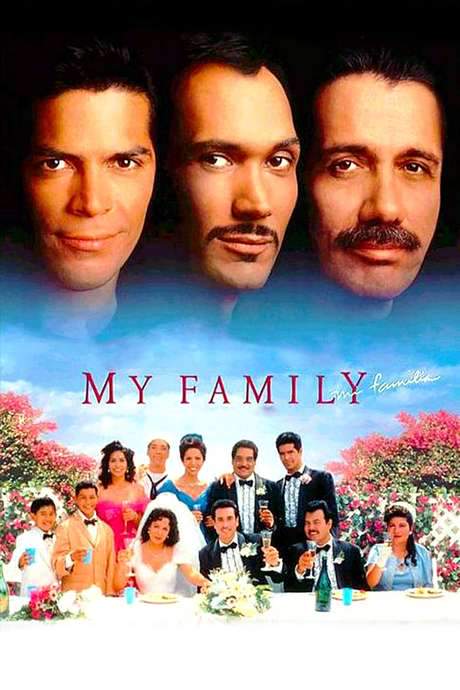
My Family is a 1995 comedy drama directed by Gregory Nava, starring Eduardo López Rojas as Jose, Jenny Gago and Esai Morales. It runs 2 hours 8 minutes.
- Released
- Runtime
- 2h 8m (128 min)
- Director
- Gregory Nava
- Original language
-
 English
 - Studio
- Newcomb Productions
- After the credits
- No No extra scene
What Is My Family About?
The premise of My Family without spoilers. The whole story is in the plot summary further down.
Spanning three generations, the film follows an immigrant family that settles in East Los Angeles. Maria and Jose arrive in the 1930s, marry and battle deportation before raising children Chucho, Paco, Memo, Irene, Toni and Jimmy, who confront 1950s youth culture and police harassment. In the 1960s the story centers on Jimmy, his marriage to Salvadoran refugee Isabel, their son, and Jimmy’s effort to become a responsible parent.
My Family Themes & Keywords
· 34 tags- mexican american
- national film registry
- marriage
- 1950s
- east los angeles california
- family relationships
- 1920s
- independent film
- f rated
- prison
- hood
- narrated by character
+22 more Show fewer
- mexico
- scene during opening credits
- mexican repatriation
- loss of wife
- narration
- coming of age drama
- lowrider
- california
- mexican immigrant
- father son relationship
- brother sister relationship
- female nudity
- wedding
- river
- raffle
- murder
- coming of age
- baby
- latino
- hispanic
- dying in childbirth
- title spoken by character
My Family Cast & Characters
Eduardo López Rojas leads the cast as Jose, with Jenny Gago as Maria and Esai Morales as Chucho. Directed by Gregory Nava; 14 actors are credited in all.
- Director Gregory Nava
- Eduardo López Rojas as Jose
- Jenny Gago as Maria
-
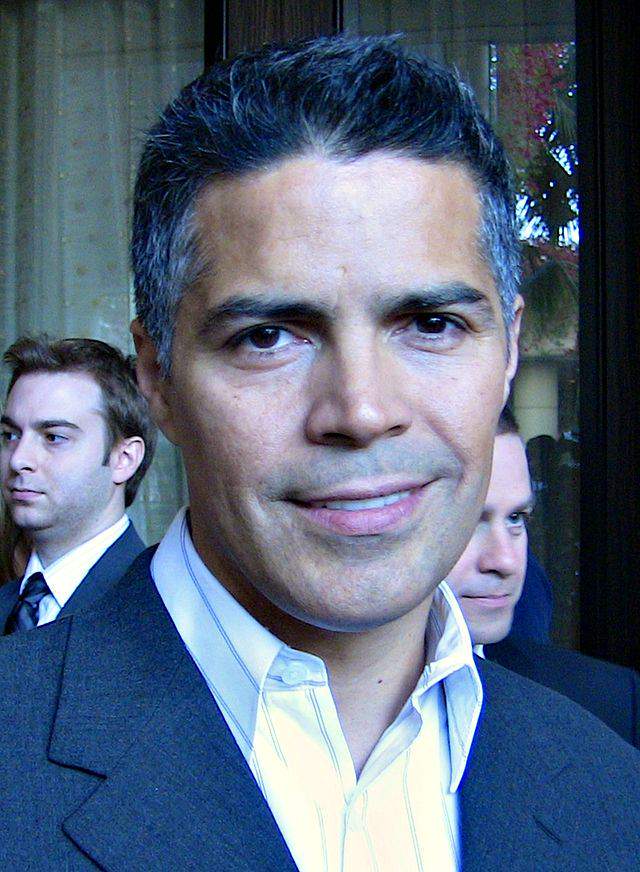 Esai Morales as Chucho
 -
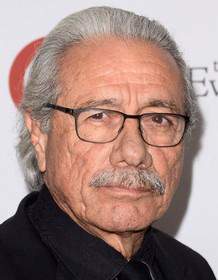 Edward James Olmos as Paco
Also Starring in My Family
· 10 more- Jimmy Smits Jimmy
- Constance Marie Toni
- Scott Bakula David Ronconi
- Elpidia Carrillo Isabel Magaña
- Dedee Pfeiffer Karen Gillespie
- Jennifer Lopez Young Maria
- Mary Steenburgen Gloria
- Jacob Vargas Young Jose
- Rafael Cortés Roberto
- Jonathan Hernandez Young Jimmy
My Family Plot Summary
What happens in My Family from start to finish, spoilers included, with a timeline of 15 key events. The opening is below; the full summary is a 3-minute read.
Spoilers ahead
The story is narrated by the family’s oldest son Paco. It opens with José Sanchez, the family patriarch, setting out on a year-long trek on foot from Mexico to Los Angeles to reconnect with a distant relative born when the city was still part of Mexico. This unlikely friendship with El Californio blossoms into a shared dream of starting a corn farm, a plan that endures for years. As El Californio’s health wanes, he requests a stark tombstone inscription to mark what he believes the land still is: when he was born, this was Mexico, and where his body lies, this is still Mexico. The tale then follows José as he grows closer to María, an American citizen whom he eventually marries.
Full summary
The whole story of My Family, scene by scene
My Family Trailers & Videos
The trailer of My Family.
How Well Do You Know My Family?
10 questions about the story, each with a hint if you get stuck. Pick an answer to see whether you were right.
Question 1 of 10
- Question 1: not answered
- Question 2: not answered
- Question 3: not answered
- Question 4: not answered
- Question 5: not answered
- Question 6: not answered
- Question 7: not answered
- Question 8: not answered
- Question 9: not answered
- Question 10: not answered
What is the name of the family patriarch who walks from Mexico to Los Angeles at the start of the story?
My Family Also Known As
21 alternative titles, including “I oikogeneia mou” and “East L.A.”.
- Also known as
-
- I oikogeneia mou
- East L.A.
- Meine verrückte Familie
- Mi Familia
- Cafe con leche
- Meine Familie
- Моето семейство
- Minha Família
- Rêves de famille
- Siirtolaiset
- Moja obitelj
- A családom
+9 more Show fewer
- Mi familia - Tre generazioni di sogni
- ミ・ファミリア
- Moja rodzina
- Viver em Los Angeles
- Moja porodica
- Моя семья
- Moje rodina
- 마이 패밀리
- Trei generații
Seen My Family?
Movies Like My Family
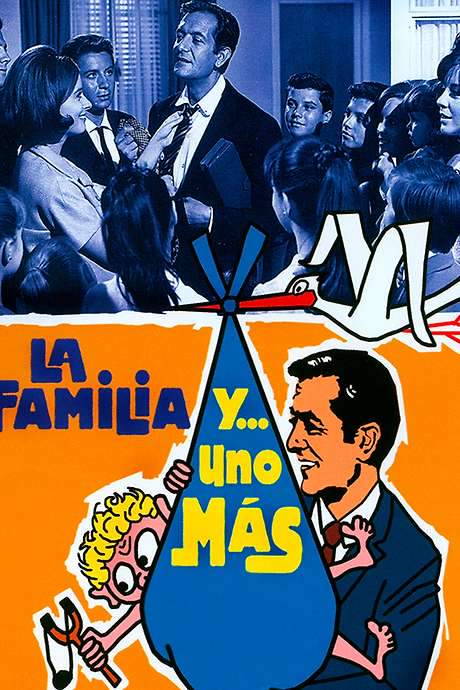
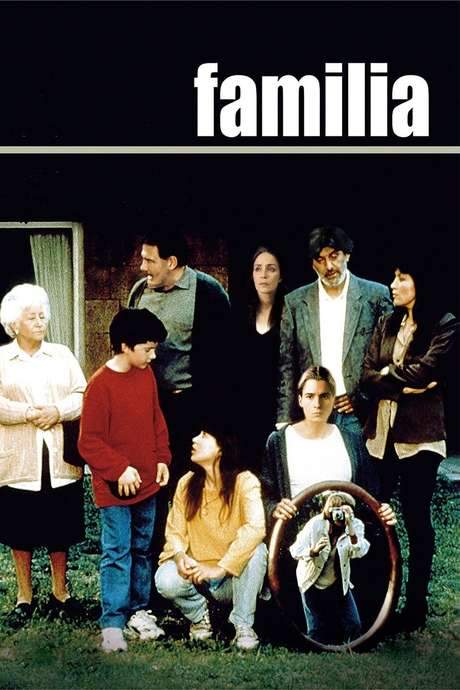
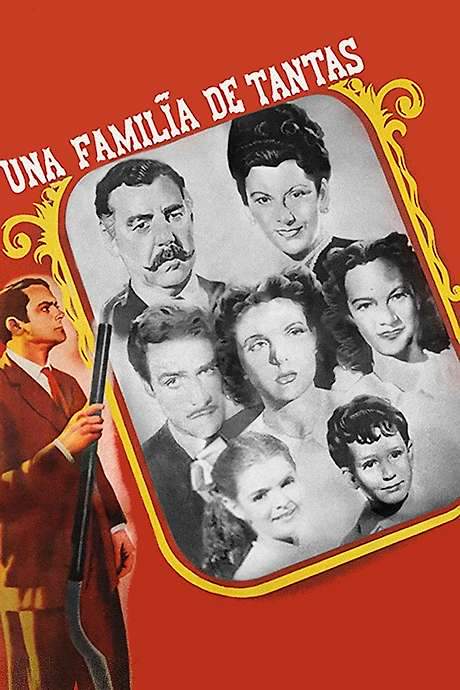
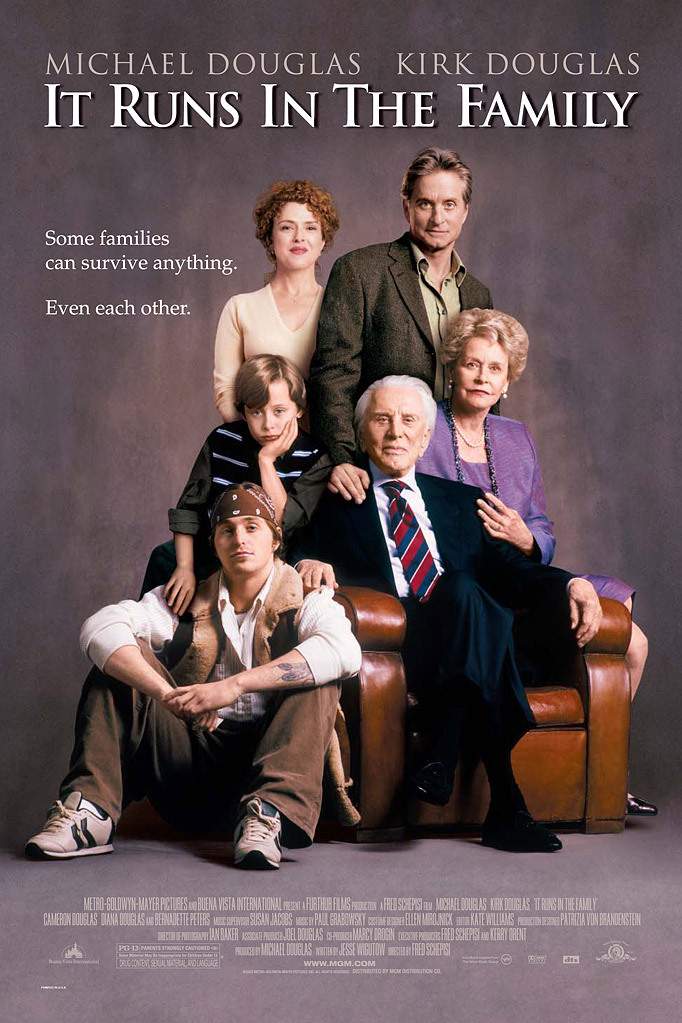
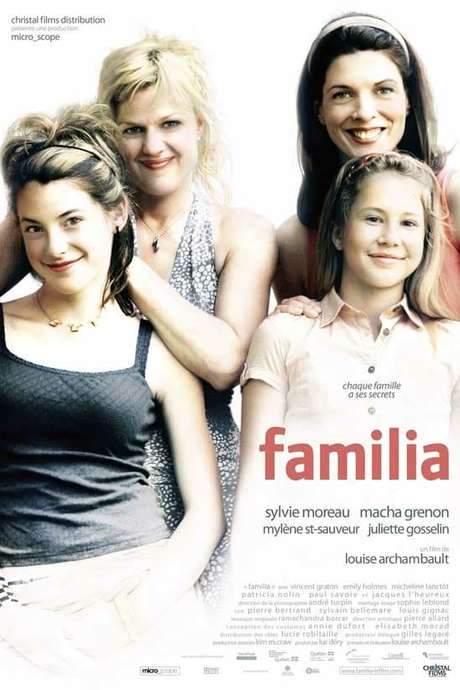
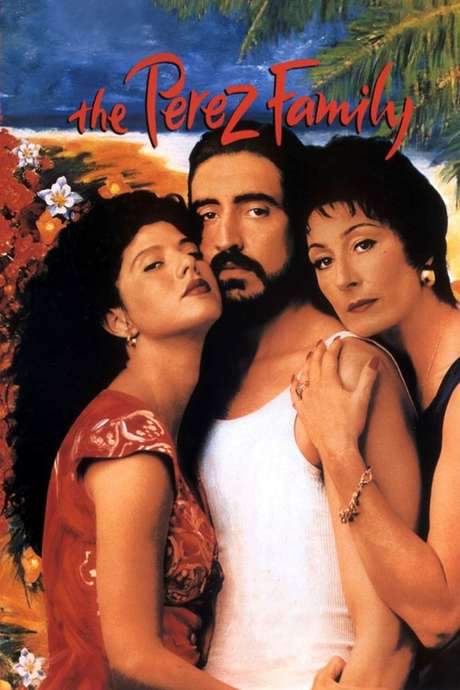
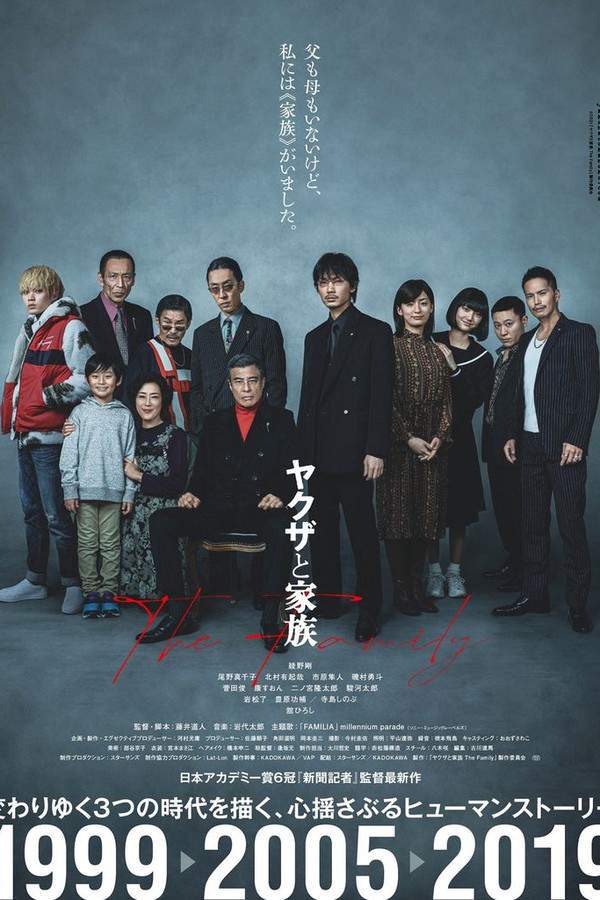
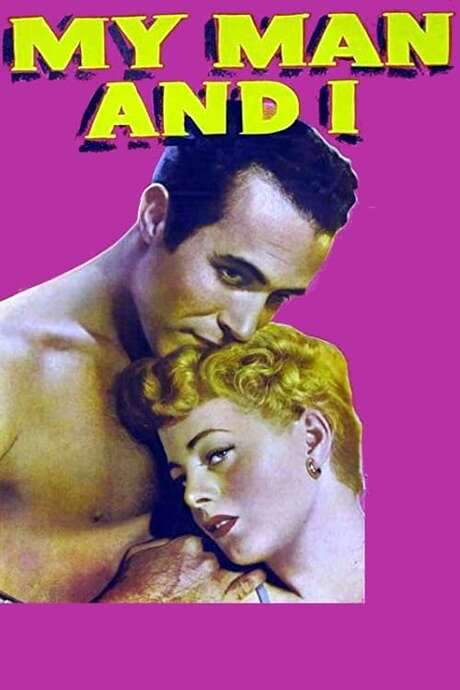
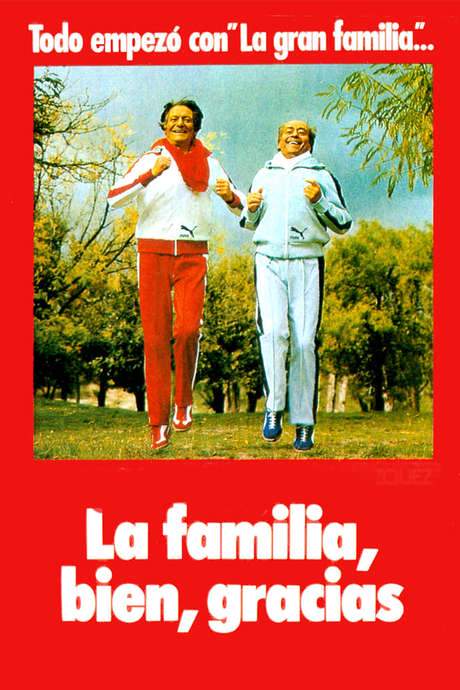
Films with a similar story, tone or audience, including The Family and One More, Family and A Family Like Many Others.
My Family FAQ: Cast, Runtime & Release Date
Runtime, release date, director, cast and post-credit scenes of My Family, each answered in a sentence.
How long is My Family?
My Family runs 2 hours 8 minutes (128 minutes).
When was My Family released?
My Family was released on May 3, 1995.
Who directed My Family?
My Family was directed by Gregory Nava.
More films by Gregory Nava Who is in the cast of My Family?
My Family stars Eduardo López Rojas as Jose, Jenny Gago as Maria and Esai Morales as Chucho, among 14 credited actors.
Does My Family have a post-credit scene?
No. My Family has no extra scene during or after the credits.
Coming soon to your phone
The Plot Explained Movie Summary App
From blockbusters to hidden gems: plot summaries, endings explained and timelines on your phone. Save your favorites and never miss a twist again.
Be the first to know when it launches. Your email stays private, always. Learn more about the app
