
My Family 1995

Directed by

Gregory Nava
Made by

Newcomb Productions
My Family Plot Summary
Read the complete plot summary and ending explained for My Family (1995). From turning points to emotional moments, uncover what really happened and why it matters.
The story is narrated by the family’s oldest son Paco. It opens with José Sanchez, the family patriarch, setting out on a year-long trek on foot from Mexico to Los Angeles to reconnect with a distant relative born when the city was still part of Mexico. This unlikely friendship with El Californio blossoms into a shared dream of starting a corn farm, a plan that endures for years. As El Californio’s health wanes, he requests a stark tombstone inscription to mark what he believes the land still is: when he was born, this was Mexico, and where his body lies, this is still Mexico. The tale then follows José as he grows closer to María, an American citizen whom he eventually marries. After María is forcibly deported to Mexico in a broad roundup, she undertakes a grueling journey back to Los Angeles two years later, returning home with their newborn son Chucho.
Twenty years pass, placing us around 1958 or 1959, when [Irene] is about to be married. Chucho and Paco have come of age, and the Sanchez household welcomes new members, including Toni and the brothers Jimmy and Guillermo “Memo.” The wedding scene sets a new tempo for the family, but trouble soon arrives. At a dance hall, Chucho confronts his rival, a knife fight erupts, and Chucho kills him, forcing him into a fugitive existence. The violence escalates when, one night, [Chucho] is fatally shot by the Los Angeles Police Department in front of a young Jimmy, a moment Paco describes as Chucho’s life living on borrowed time.
The narrative then leaps forward to the third generation, set in the 1970s and 1980s, where themes of acculturation, assimilation, and long‑standing family wounds take center stage. [Jimmy] returns from a stint in prison, his personality hardened, while Toni and her husband David Ronconi work to aid political refugees. They become involved with a Salvadoran refugee named Isabel Magaña, who faces deportation. Toni persuades Jimmy to marry Isabel so she can stay in the United States, a union that gradually softens Jimmy and helps Isabel feel at home. A tender moment arrives when Isabel changes the music in Jimmy’s car and asks him to teach her salsa, signaling a real connection between them. Isabel later becomes pregnant but dies after giving birth to their son, Carlitos. Enraged, Jimmy attacks the doctor, burglarizes a store, and is arrested, leaving their child to be raised by his parents. When Jimmy is released four years later, he longs to connect with his son, who nonetheless harbors a rocky sense of who his father really is.
Meanwhile, José and María’s middle son Guillermo—often called Memo—pursues a professional path, attending college and, over time, presenting himself as William. Memo becomes engaged to Karen Gillespie, a woman from an affluent Bel‑Air family. The family’s dynamics grow tense as Memo challenges Jimmy’s rough-edged past, yet Jimmy decides to turn his life around. Carlitos eventually moves with him to Texas, where Jimmy secures a solid manufacturing job in San Antonio, marking a new chapter for the family’s migration story.
The film closes with José and María reflecting on a life built through perseverance and luck. As the years flash by, Jose sums up the journey with quiet gratitude: “God has been good to us, we’ve been very lucky, and our life it has been very…very good,” a line that lingers as the camera slowly pulls back to reveal Los Angeles, the city that witnessed their long, winding story.
My Family Timeline
Follow the complete movie timeline of My Family (1995) with every major event in chronological order. Great for understanding complex plots and story progression.
José's year-long journey to Los Angeles and a new ally
José Sánchez undertakes a year-long journey on foot from Mexico to Los Angeles. On the road he forms a fast friendship with El Californio, a man born in what was then Mexico. The two men settle together and build a corn farm on the outskirts of Los Angeles.
El Californio's death and tombstone vow
El Californio nears death and asks that his tombstone carry a lasting reminder of his homeland. He shares in José the idea that, although borders change, the land remains Mexico where his body lies. José promises to honor that wish as a testament to memory and place.
José marries María, the American citizen
José meets María, an American citizen, and they fall in love. They marry and begin a life together in Los Angeles, bridging two cultures. María's status marks the family's ongoing connection to both sides of the border.
María deported and returns with Chucho two years later
María is deported during a mass roundup by the U.S. government. She endures a long, arduous journey to return, finally arriving two years later with their newborn son, Chucho. The family must endure a painful separation and an emotional reunion.
1958/1959: Irene's wedding and the growing family
Twenty years pass, and Irene is getting married in the late 1950s. Chucho and Paco are grown, and new relatives Toni, Memo, and Jimmy have joined the family. The wedding signals a shift in family dynamics as the next generation steps forward.
Chucho's knife fight with Butch Mejia
At a dance hall, Chucho is taunted by rival Butch Mejia. A bloody knife fight erupts, and Chucho kills Butch in the melee. The incident forces Chucho into a fugitive existence from the police.
Chucho is shot dead by the LAPD
Chucho is shot dead by the Los Angeles Police Department in front of Jimmy. The ambulance arrives as the family rushes to the scene. Paco narrates that Chucho's life had always seemed to be lived on borrowed time.
Jimmy's return from prison and his violent past
Jimmy completes a prison sentence and returns home, but his years behind bars have hardened him. It is revealed that after Chucho's death twenty years earlier, he became a fugitive, carrying anger and a sense of grievance. The family begins to see the toll of his past on subsequent generations.
The third generation faces acculturation in the 70s and 80s
Across the 1970s and 1980s, the third generation confronts acculturation and family history. Memo grows up to become a lawyer and pursues a relationship with Karen from Bel-Air. The ongoing tension between tradition and assimilation tests the family bonds.
Toni and David Ronconi marry and aid refugees
Toni and David Ronconi marry, and they devote themselves to helping political refugees. Their activism brings the family into contact with Isabel, a Salvadoran refugee in danger of deportation. The couple's partnership widens the Sanchez circle to grassroots aid.
Isabel's pregnancy and Carlitos's birth, followed by tragedy
Isabel becomes pregnant but dies after giving birth to Carlitos. Jimmy blames the attending doctor and is arrested, beginning a new chapter of consequences for the family. Carlitos is left to be raised by José and María.
Jimmy's release and the early rift with Carlitos
Four years later, Jimmy is released from prison and hopes to care for his son. However, Carlitos resents him, thinking his real father is a Texas cowboy. The rift highlights the enduring struggles of belonging and family legacy.
Memo's life and a tense family reunion
Memo's life as a lawyer and engagement to Karen from Bel-Air underscores the clash of cultures. The first family meeting between Memo and Jimmy's world starts well but soon spirals into tension. Memo challenges Jimmy's past and helps push the family toward a new path.
Reform and a new start in Texas
Jimmy makes a decisive choice to reform. Carlitos eventually accepts him, and they move to Texas where Jimmy has a solid manufacturing job in San Antonio. The move symbolizes a fresh start and the continuity of family ties across borders.
The ending: reflection and a view over Los Angeles
Jose and Maria reflect on the long arc of their lives and acknowledge how luck and faith shaped their family. The film ends with a panoramic shot of Los Angeles as they look back. The legacy of resilience and immigration threads through the generations.
My Family Characters
Explore all characters from My Family (1995). Get detailed profiles with their roles, arcs, and key relationships explained.
Paco Sanchez
The film’s narrator and the eldest son who guides the audience through his family’s migration and evolution. He witnesses the sacrifices, dangers, and small triumphs that define three generations, serving as a bridge between past and present. His perspective anchors the story’s emotional arc and its memory-driven tone.
José Sánchez
The family’s patriarch, who undertakes a year-long journey on foot from Mexico to Los Angeles to seek a better life. He helps found a corn farm with the distant relative El Californio and bears the weight of keeping the family together through hardship. His decisions set the course for generations of immigrant struggle and resilience.
María Sánchez
An American citizen who marries José and faces deportation in a mass roundup, only to return to Los Angeles two years later with their new son Chucho. Her perseverance embodies the complexities of cross-border family life. Her resilience helps anchor the family’s sense of home.
Young Maria
A younger version of María who embodies hope and determination as the family navigates a challenging borderland existence. Her experiences foreshadow the enduring ties between homeland and home in the later generations.
Chucho
The middle son whose life is marked by a violent confrontation, becoming a fugitive after killing a rival in a knife fight. He is shot by the LAPD, a tragedy that casts a long shadow over the family and accelerates its cycles of loss and resilience.
Jimmy Sanchez
The younger son who inherits a volatile legacy, becomes a fugitive after Chucho’s death, and later attempts to remake his life. He marries Isabel to help her stay in the U.S., and raises his son Carlitos, seeking a path toward stability and belonging.
Toni Sanchez
Daughter of Jose and Maria, once a nun who leaves the religious life and marries David Ronconi. She becomes involved with helping political refugees, linking faith, family, and activism in a bid to protect those in danger.
David Ronconi
A priest who marries Toni and joins her in refugee advocacy. He supports the family’s efforts to shelter and assist vulnerable migrants during a period of political upheaval.
Isabel Magaña
A Salvadoran refugee who becomes Jimmy’s wife to secure her stay in the U.S. She forms a fragile, loving bond with Jimmy, and her death after childbirth dramatically alters the family’s trajectory as they contend with loss and memory.
Karen Gillespie
Memo’s fiancée from Bel-Air, whose engagement highlights cross-class and cross-cultural tensions within the extended family. She introduces the collision of privileged and immigrant experiences that the Sanchez clan navigates.
Guillermo 'Memo' Sanchez
The middle son who distances himself from his Mexican roots, pursuing higher education and a professional career. He becomes engaged to Karen and embodies the tension between assimilation and heritage as the family intersects with Bel-Air circles.
My Family Settings
Learn where and when My Family (1995) takes place. Explore the film’s settings, era, and how they shape the narrative.
Time period
1950s–1980s
The narrative spans multiple decades: the father’s migration era in the late 1950s, a 20-year leap to the late 1970s/early 1980s, and a return to present concerns of the era. It begins with a year-long journey to Los Angeles, then follows marriages, births, and forbidden love across generations. The three generations confront acculturation, immigration policy, and shifting social landscapes from the 1950s to the 1980s.
Location
Mexico, Los Angeles, Bel-Air, San Antonio, El Salvador
The film follows a family whose roots lie in Mexico and who migrates to Los Angeles, reflecting the immigrant experience of mid- to late-20th century America. Mexico serves as the ancestral homeland, while Los Angeles is the main arena of work, family, and the challenges of deportation and assimilation. The story later expands to Texas and Bel-Air as generations grow up, highlighting upward mobility, cultural negotiation, and cross-border ties.
My Family Themes
Discover the main themes in My Family (1995). Analyze the deeper meanings, emotional layers, and social commentary behind the film.
🌍
Immigration
The Sanchez family’s story centers on border crossings, deportations, and the search for opportunity in a new country. It follows a father’s grueling year-long journey from Mexico to Los Angeles, and the subsequent upheavals that compel the family to adapt. The film portrays resilience, sacrifice, and the constant negotiation of identity across borders.
👨👩👧
Family
A multi-generational saga about love, loyalty, and conflict within a close-knit clan. Jose, Maria, Chucho, Paco, Jimmy, Toni, and others go through migration, crime, tragedy, and reconciliation, with choices reverberating through siblings and cousins across decades. The story emphasizes memory, responsibility, and how family bonds endure despite hardship.
🧭
Identity
Characters navigate multiple identities—Mexican heritage, American citizenship, and the pressure to assimilate. Language, culture, and social status shape self-perception and relationships, often forcing difficult compromises. The tension between tradition and modernizing influences runs from the 1950s through the 1980s.

Coming soon on iOS and Android
The Plot Explained Mobile App
From blockbusters to hidden gems — dive into movie stories anytime, anywhere. Save your favorites, discover plots faster, and never miss a twist again.
Sign up to be the first to know when we launch. Your email stays private — always.
Explore the mobile appMy Family Spoiler-Free Summary
Discover the spoiler-free summary of My Family (1995). Get a concise overview without any spoilers.
In the heat‑blazed streets of East Los Angeles, a fledgling family plants roots that stretch across decades. José arrives on foot from Mexico in the early 1930s, driven by a quiet promise to reunite with a distant relative and to coax life from the arid land. There he meets María, an American citizen whose courage matches his own, and together they forge a partnership that balances ambition with the ever‑present threat of deportation. Their modest home becomes a hinge between two nations, echoing the shifting borders that hover over their everyday existence.
Their children come of age amid the restless pulse of the 1950s, each bearing a distinct view of what it means to be both Mexican and American. Chucho embodies the fierce determination of a son eager to protect his family’s legacy, while Paco observes their world with a storyteller’s eye, shaping the narrative that will carry forward generations. A second son, Memo, pursues education as a gateway to new possibilities, and his sister Toni balances love and responsibility in a neighborhood bruised by police scrutiny. The youngest, Jimmy, stands at the crossroads of youthful rebellion and the weight of his heritage, hinting at the choices that will define the family’s next chapter.
In the turbulent 1970s, love and survival intertwine when Jimmy meets Isabel, a refugee whose own journey mirrors the family’s ongoing search for belonging. Their tentative marriage becomes a bridge between cultures, offering a fragile hope that a new generation might find steadier ground. The couple’s son, Carlitos, arrives as a quiet promise of continuity, prompting both parents to confront the responsibilities of parenthood amid the lingering echoes of past hardships. Together, they navigate a landscape where community, memory, and the promise of a better future loom large, inviting viewers to contemplate the enduring power of family ties.
Movies with Similar Twists and Themes
Uncover films that echo the narrative beats, emotional arcs, or dramatic twists of the one you're exploring. These recommendations are handpicked based on story depth, thematic resonance, and spoiler-worthy moments — perfect for fans who crave more of the same intrigue.
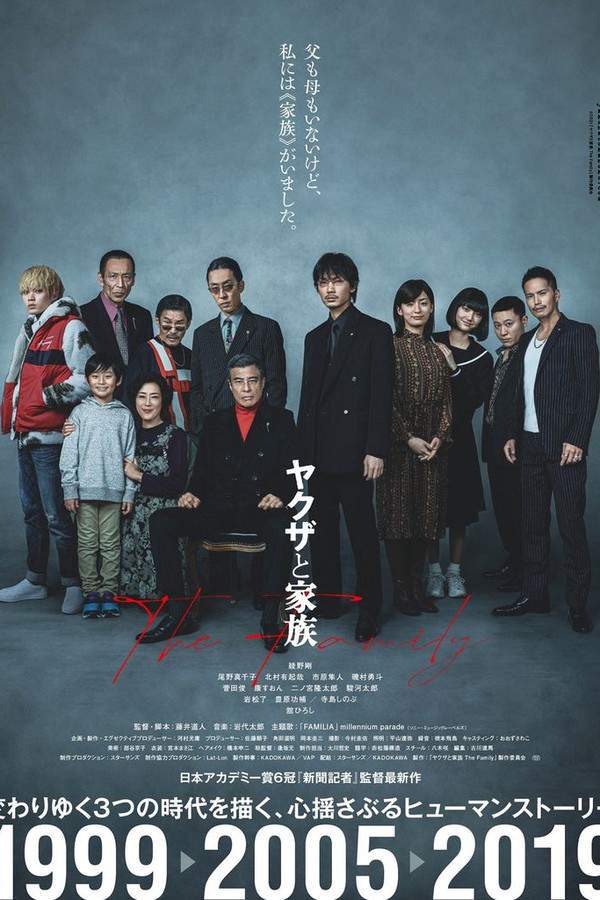
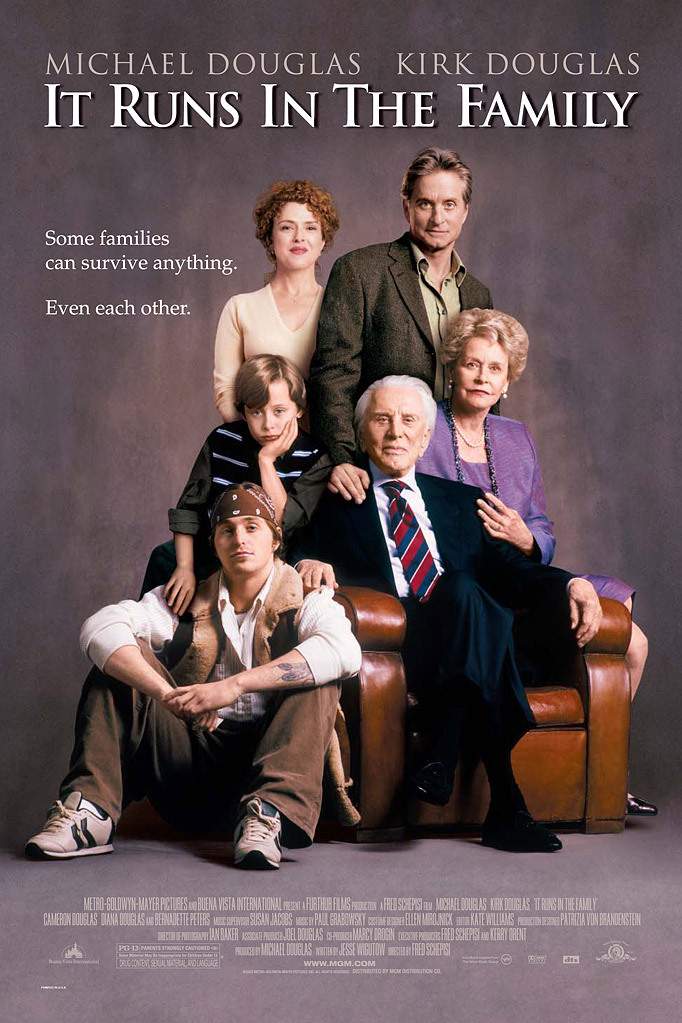
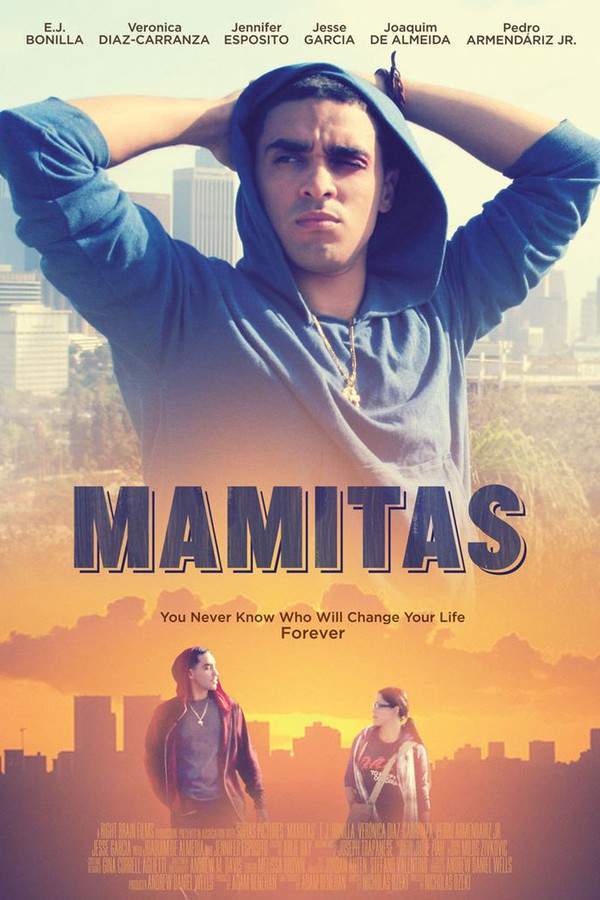

Featured on this page

What's After the Movie?
Not sure whether to stay after the credits? Find out!
Check out our other apps:

SAT Sphere
Build confidence for the Digital SAT.

Mori Atlas
Discover wild places worth protecting.

Luntero
Search smarter for a home in Amsterdam.

Plot Explained
Unravel movie endings and hidden clues.

Pokechamp
Dive into Pokémon data and battle logic.

Driving Theory
Get ready for your European theory test.

Movie Dust
Plan your next cinema trip with ease.

Musemap
Find art and culture as you travel.

Selkobase
Compare credentials before committing.

Local Manual
Turn an unfamiliar country into practical next steps.

Lernavi
Compare school systems before your next move.

GymRoam
Find a workout stop wherever your plans take you.
Explore Our Movie Platform
New Movie Releases (2026)
Famous Movie Actors
Top Film Production Studios
Movie Plot Summaries & Endings
Major Movie Awards & Winners
Best Concert Films & Music Documentaries
Movie Collections and Curated Lists
© 2026 What's After the Movie. All rights reserved.
Privacy Policy