
My Mother’s Castle (1990): Cast, Box Office & Plot
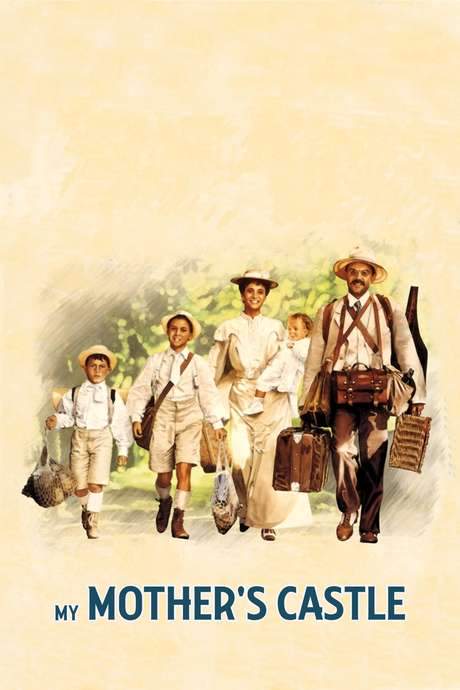
My Mother’s Castle is a 1990 adventure drama directed by Yves Robert, starring Jean-Pierre Darras as Narrator, Marcel Pagnol (voice), Nathalie Roussel and Philippe Caubère. It runs 1 hour 39 minutes and earned $1.5 million worldwide.
- Released
- Runtime
- 1h 39m (99 min)
- Director
- Yves Robert
- Original language
-
 French
 - Studio
- Gaumont
- After the credits
- No No extra scene
What Is My Mother’s Castle About?
The premise of My Mother’s Castle without spoilers. The whole story is in the plot summary further down.
Young Marcel Pagnol is forced to leave his beloved hill‑top holiday cottage in Provence when his family moves back to Marseille. Determined to return, he hikes the distance alone, gets into trouble, and later his father discovers a hidden shortcut that requires trespassing. Reluctantly, the family begins using the secret trail to reach the cottage, rekindling their connection to the countryside.
My Mother’s Castle Themes & Keywords
· 50 tags- countryside
- little girl
- nostalgia
- family relationships
- marseille france
- snow adventure
- teacher
- provence
- little boy
- childhood crush
- world war one
- schoolmaster
+38 more Show fewer
- scholarship
- first love
- father son relationship
- father daughter relationship
- christmas eve
- mother son relationship
- watchdog
- chateau
- death of mother
- based on true story
- based on novel
- trunk sliding down stairs
- france
- period drama
- french
- french countryside
- memory
- holiday
- shortcut
- hill
- canal
- film projector
- time
- longing
- voice over narration
- wine
- windmill
- watching a movie
- vichy water
- urination
- uncle nephew relationship
- umbrella
- tutor
- turncock
- trunk
- trolley
- trespassing
- toilet
My Mother’s Castle Cast & Characters
Jean-Pierre Darras leads the cast as Narrator, Marcel Pagnol (voice), with Nathalie Roussel as Augustine Pagnol and Philippe Caubère as Joseph Pagnol. Directed by Yves Robert; 28 actors are credited in all.
- Director Yves Robert
- Jean-Pierre Darras as Narrator, Marcel Pagnol (voice)
- Nathalie Roussel as Augustine Pagnol
- Philippe Caubère as Joseph Pagnol
- Victorien Delamare as Paul Pagnol
Also Starring in My Mother’s Castle
· 24 more- Julien Ciamaca Marcel Pagnol
- Julie Timmerman Isabelle Cassignol
- Pierre Maguelon François, father of Lili
- Joris Molinas Lili des Bellons
- Jean Rochefort Adolphe Cassignol, aka Loïs de Montmajour
- Jean Carmet Drunkard guard
- Georges Wilson Count Colonel
- Paul Crauchet Edmond des Papillons, aka Mond des Parpaillouns
- Philippe Uchan Bouzigue, hunting whip
- Ticky Holgado Binucci, hunting whip
- Michel Modo Postman
- Patrick Préjean Dominique, gardener
- Raoul Curet Mr. Vincent
- Didier Pain Uncle Jules
- Thérèse Liotard Aunt Rose
- André Chaumeau
Show all 28 cast members Show fewer cast members
- Maxime Lombard Mr. Arnaud
- Jean-Marie Juan Fenestrelle
- René Loyon Mr. Besson
- Louis Lalanne
- Élizabeth Macocco
- Jean Maurel
- Alain Ganas
- Josy Andrieu
My Mother’s Castle Plot Summary
What happens in My Mother’s Castle from start to finish, spoilers included, with a timeline of 14 key events. The opening is below; the full summary is a 5-minute read.
Spoilers ahead
Marcel, Jean-Pierre Darras grows up in a family rooted in Marseille and its surrounding hills, and the story unfolds in a time frame spanning from just before the Great War era. After the sunlit summer holiday depicted in My Father’s Glory, the family returns to the bustling city, yet Marcel’s heart keeps beating for the gentler, greener slopes that lie beyond the urban edge. The journey back is not quick or simple: even though the holiday home lies only a few kilometers from Marseille, public transport stops short, forcing them to shoulder a long, winding walk along a road that climbs and bends through the landscape.
Full summary
The whole story of My Mother’s Castle, scene by scene
My Mother’s Castle Box Office
My Mother’s Castle grossed $1.5 million worldwide.
Worldwide gross
$1.5M
- US & Canada
- $1.5M
My Mother’s Castle Trailers & Videos
The trailer of My Mother’s Castle.
How Well Do You Know My Mother’s Castle?
10 questions about the story, each with a hint if you get stuck. Pick an answer to see whether you were right.
Question 1 of 10
- Question 1: not answered
- Question 2: not answered
- Question 3: not answered
- Question 4: not answered
- Question 5: not answered
- Question 6: not answered
- Question 7: not answered
- Question 8: not answered
- Question 9: not answered
- Question 10: not answered
What is the name of the eccentric girl Marcel meets while gathering thyme?
My Mother’s Castle Also Known As
13 alternative titles, including “Le château de ma mère” and “Das Schloss meiner Mutter”.
- Also known as
-
- Le château de ma mère
- Das Schloss meiner Mutter
- 母亲的城堡
- El castillo de mi madre
- Anyám kastélya
- Maminčin zámek
- Nyckeln till Provence del 2
- Annemin Kalesi
- 마르셀의 추억
- O Castelo de Minha Mãe
- הטירה של אמא
- Mamičkin zámok
+1 more Show fewer
- Замок моей матери
Seen My Mother’s Castle?
Movies Like My Mother’s Castle
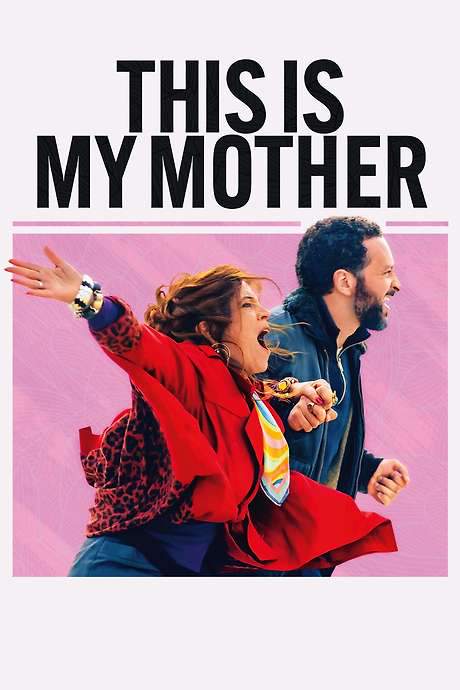
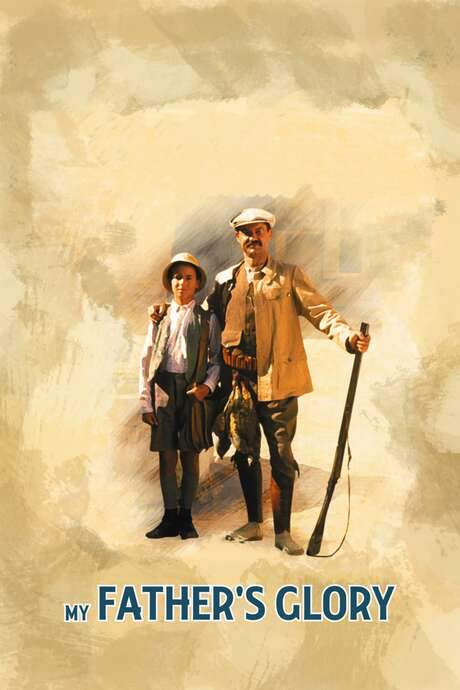
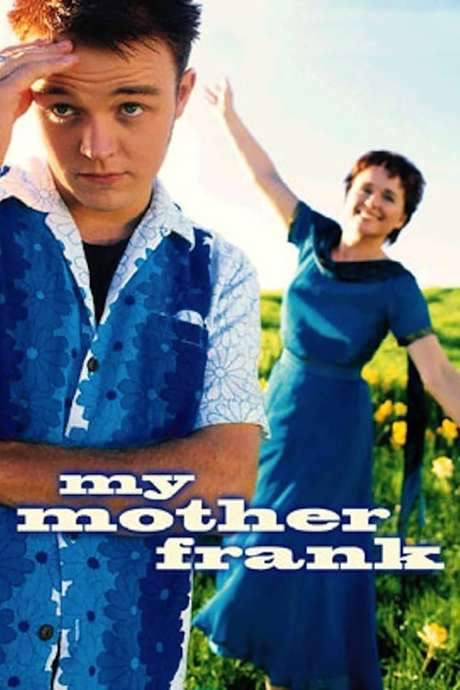
Films with a similar story, tone or audience, including This is My Mother, My Father’s Glory and My Mother Frank.


My Mother’s Castle FAQ: Cast, Box Office & Runtime
Runtime, release date, director, cast, box office, post-credit scenes and language of My Mother’s Castle, each answered in a sentence.
How long is My Mother’s Castle?
My Mother’s Castle runs 1 hour 39 minutes (99 minutes).
When was My Mother’s Castle released?
My Mother’s Castle was released on October 26, 1990.
Who directed My Mother’s Castle?
My Mother’s Castle was directed by Yves Robert.
More films by Yves Robert Who is in the cast of My Mother’s Castle?
My Mother’s Castle stars Jean-Pierre Darras as Narrator, Marcel Pagnol (voice), Nathalie Roussel as Augustine Pagnol and Philippe Caubère as Joseph Pagnol, among 28 credited actors.
How much did My Mother’s Castle make at the box office?
My Mother’s Castle grossed $1.5 million worldwide.
Does My Mother’s Castle have a post-credit scene?
No. My Mother’s Castle has no extra scene during or after the credits.
What language is My Mother’s Castle in?
The original language of My Mother’s Castle is French.
Coming soon to your phone
The Plot Explained Movie Summary App
From blockbusters to hidden gems: plot summaries, endings explained and timelines on your phone. Save your favorites and never miss a twist again.
Be the first to know when it launches. Your email stays private, always. Learn more about the app
