Monty Python’s The Meaning of Life 1983


It took God six days to create the heavens and the earth, and Monty Python ninety minutes to scramble them. The film answers life’s big questions in outrageous sketches: a London insurance office morphs into a pirate ship; National Health doctors try to harvest a living donor’s liver; a glutton takes vomiting to heights before his final demise.

Does Monty Python’s The Meaning of Life have end credit scenes?
No!
Monty Python’s The Meaning of Life does not have end credit scenes. You can leave when the credits roll.
Where to Watch Monty Python’s The Meaning of Life
See current US streaming, rental, and purchase options for Monty Python’s The Meaning of Life (1983) via JustWatch.






Meet the Full Cast and Actors of Monty Python’s The Meaning of Life
Explore the complete cast of Monty Python’s The Meaning of Life, including both lead and supporting actors. Learn who plays each character, discover their past roles and achievements, and find out what makes this ensemble cast stand out in the world of film and television.

Michael Caine
British Soldier (uncredited) (segment "Fighting Each Other")

Eric Idle
Various Roles

Graham Chapman
Various Roles

John Cleese
Various Roles

Michael Palin
Various Roles

Terry Gilliam
Various Roles

Terry Jones
Various Roles

Carol Cleveland
Various Roles

Jane Leeves
Dancer (uncredited)

Judy Loe
Nurse #1

Patricia Quinn
Mrs. Williams

Simon Jones
Cedric

Andrew Bicknell
(Segment "The Crimson Permanent Assurance")

Matt Frewer
Cornered Executive who Jumps (segment "The Crimson Permanent Assurance")
Sydney Arnold
Pirate Captain (segment "The Crimson Permanent Assurance")
Andrew MacLachlan
Groom
Guy Bertrand
Chief Executive (segment "The Crimson Permanent Assurance")
Mark Holmes
Severed head
Valerie Whittington
Mrs. Moore
Jennifer Franks
Bride
Imogen Bickford-Smith
Nurse #2
Angela Mann
Second guest's wife
Luke Baxter
Dancer
External Links and Streaming Options
Discover where to watch Monty Python’s The Meaning of Life online, including streaming platforms, rental options, and official sources. Compare reviews, ratings, and in-depth movie information across sites like IMDb, TMDb, Wikipedia or JustWatch.






Full Plot Summary and Ending Explained for Monty Python’s The Meaning of Life
Read the complete plot summary of Monty Python’s The Meaning of Life, including all major events, twists, and the full ending explained in detail. Explore key characters, themes, hidden meanings, and everything you need to understand the story from beginning to end.
Six fish in a restaurant tank greet each other, then witness a friend being eaten, a moment that sparks the film’s central inquiry into the meaning of life. The story unfolds as a tapestry of interlinked sketches, each satirizing different corners of human behavior while probing big questions with wit, whimsy, and a touch of the macabre. The tone remains observational and gently ironic, weaving together absurd humor with moments of surprising insight.
The Miracle of Birth opens the montage, where maternity doctors are preoccupied with impressing a hospital administrator rather than the woman in labor. The scene sets the film’s rhythm: grand ideas filtered through everyday absurdities, where care and routine collide in comic, pointed ways.
In Growth and Learning, a Yorkshire family tale flips from a traditional setting to a stark joke about value and consequence. A Roman Catholic man, recently laid off, tells his many children that he must sell them for scientific experiments, while a Protestant man watches and jokes about contraception and pleasure, even as his wife notes that such pleasures are rarely pursued in practice. The sketch satirizes moral posturing and practical desperation with a blunt, almost parable-like honesty.
The atmosphere shifts to a classroom in Growth and Learning (and its companion sequence) where a class of boys study etiquette, only to collide with a blunt sex-education lesson. The moment turns when the teacher’s private life intrudes on school grounds, provoking a brutal rugby-style punishment that blurs lines between pedagogy, humiliation, and aggression.
In Fighting Each Other, the film moves through three martial-era vignettes. The first reaches back to the industrial-era trenches of the Battle of the Somme, where a British officer tries to rally his men but instead receives ungracious, sentimental gifts from his troops. In the second episode, a modern army regimental sergeant major bullies soldiers into admitting what they’d rather be doing than marching, then dismisses them one by one. The third episode harks to 1879’s Anglo-Zulu War at Rorke’s Drift, where a soldier discovers his leg has been bitten off; a suspicion of a tiger leads the group to uncover two men in a tiger costume. The recurring theme is the absurd clash between warfare’s grandeur and life’s ridiculousness.
The film’s midsection features a playful interlude with an announcer introducing The Middle of the Film, a meta moment in which bizarre characters challenge the audience in a segment titled “Find the Fish.” It’s a turning point that reminds viewers that the film is a mosaic rather than a single narrative.
In Middle Age, an American couple visits a Hawaiian restaurant that has a medieval torture–themed décor. The waiter engages them in a long, inconclusive discussion about philosophy and the meaning of life, a conversation that goes nowhere substantive but sets up a counterpoint to more concrete, if unsettling, topics to come. The diners then pivot to a debate about live organ transplants, highlighting how philosophy can collide with the most practical and intimate human concerns.
Live Organ Transplants follows, with two paramedics visiting an organ donor to remove his liver while he’s alive. His wife hesitates to donate her own liver, but a startling confrontation—an enigmatic man stepping out of a refrigerator—reminds her of humanity’s relative insignificance in the grand scheme. The moment becomes a stark, darkly comic meditation on life, death, and exchange.
The story shifts to an American conglomerate’s executives debating the meaning of life, only to be interrupted by a raid from The Crimson Permanent Assurance—a pirate-like corporate rebellion that blends corporate satire with swashbuckling hijinks. In this segment, the troupe juxtaposes corporate grandiosity with absurd risk, playfully subverting the idea of corporate immortality and control. For the segment, you can notice contributions from:
- Andrew Bicknell as part of the segment’s cast, and
- Matt Frewer in a key on-screen moment.
The adventures continue in The Autumn Years, where a musician in a French restaurant sings about the joys of having a penis. The dining room erupts as the infamous Mr. Creosote enters, a grotesque gourmand whose excessive appetite becomes a spectacular, grotesque punchline: he eats with gleeful hunger, is persuaded to take an after-dinner mint, and, in a classic visual gag, his gut explodes, splattering the other diners. The grotesque humor serves as a blunt commentary on excess, appetite, and the fragility of indulgence.
Following this, in The Meaning of Life, the restaurant’s cleaning woman questions whether life has any inherent meaning, only to reveal a disturbing facet of her character. A waiter leads the audience to the house where he was born, recounting lessons from his mother about kindness, then abruptly becomes angry when the point seems to slip away. The sketch examines the arbitrary, sometimes ugly, turns philosophy can take when confronted with ordinary, everyday life.
In Death, a condemned man selects his own method of execution—pushed toward oblivion by topless women in sports gear and falling into his own grave. A brief, darkly poetic animated sequence shows despondent leaves leaping from trees to end their lives. The Grim Reaper arrives at an isolated home and convinces the hosts and dinner guests that they are dead. They accompany him to a Heaven that turns out to be the same Hawaiian restaurant glimpsed earlier. There, a Las Vegas–style hotel greets the returning characters from previous sketches, and a Tony Bennett–like singer performs about a world where it is always Christmas and a profusion of commercial items awaits in Heaven.
The film reaches its final beat with The End of the Film, where the hostess from the earlier segment opens an envelope to reveal a cryptic, ironic truth about the meaning of life. The moment lands with the same wry, provocative humor that threads the entire movie, leaving the audience to reflect on what life has been and could be.
Throughout, the piece maintains a playful, satirical vibe while delivering an overarching meditation on existence, ethics, and human folly. The shifting tones—from tender to brutal, from philosophical to ridiculous—create a mosaic that insists on both laughter and contemplation as essential responses to the mystery of life.

Coming soon on iOS and Android
The Plot Explained Mobile App
From blockbusters to hidden gems — dive into movie stories anytime, anywhere. Save your favorites, discover plots faster, and never miss a twist again.
Sign up to be the first to know when we launch. Your email stays private — always.
Explore the mobile appWatch Trailers, Clips & Behind-the-Scenes for Monty Python’s The Meaning of Life
Watch official trailers, exclusive clips, cast interviews, and behind-the-scenes footage from Monty Python’s The Meaning of Life. Dive deeper into the making of the film, its standout moments, and key production insights.
Monty Python’s The Meaning of Life Themes and Keywords
Discover the central themes, ideas, and keywords that define the movie’s story, tone, and message. Analyze the film’s deeper meanings, genre influences, and recurring concepts.
Monty Python’s The Meaning of Life Other Names and Titles
Explore the various alternative titles, translations, and other names used for Monty Python’s The Meaning of Life across different regions and languages. Understand how the film is marketed and recognized worldwide.
Similar Movies To Monty Python’s The Meaning of Life You Should Know About
Browse a curated list of movies similar in genre, tone, characters, or story structure. Discover new titles like the one you're watching, perfect for fans of related plots, vibes, or cinematic styles.
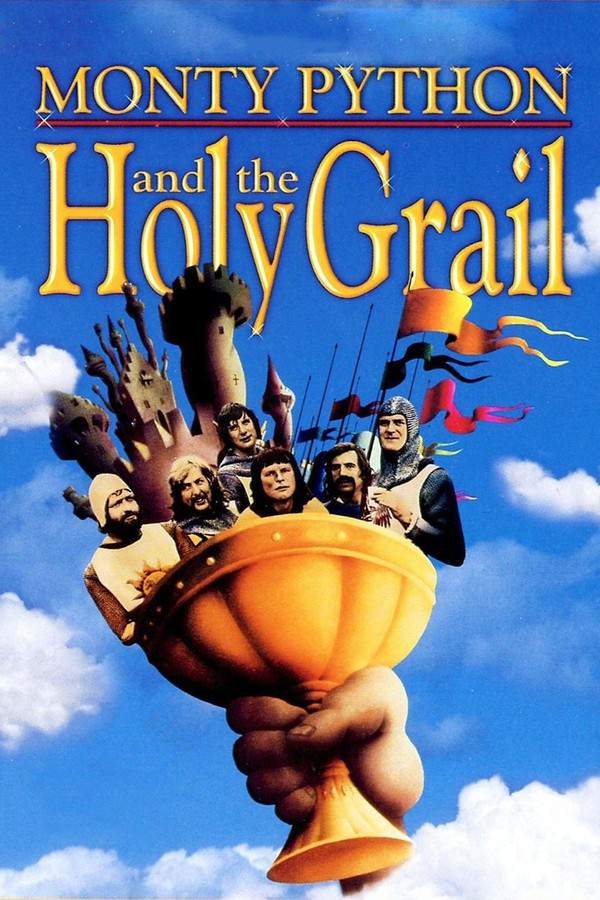
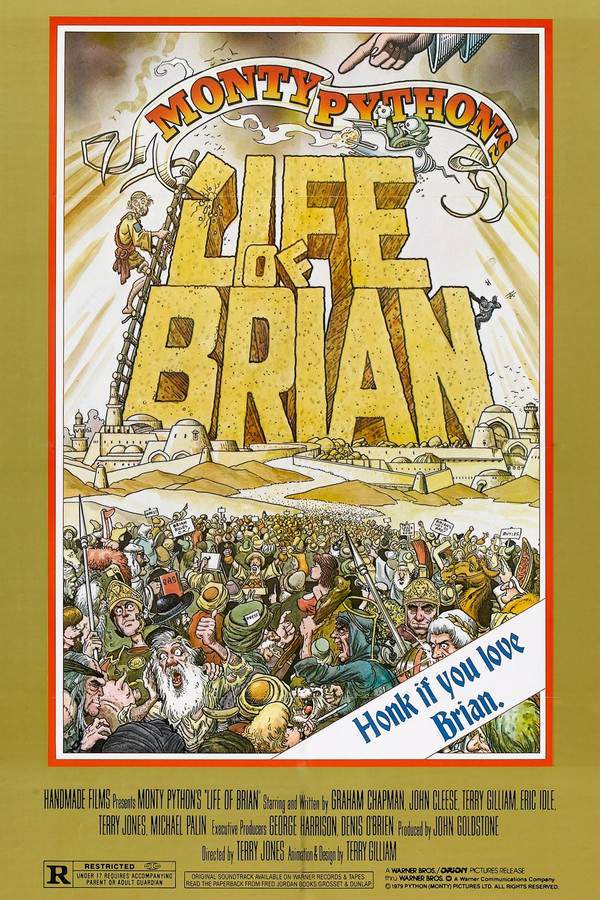
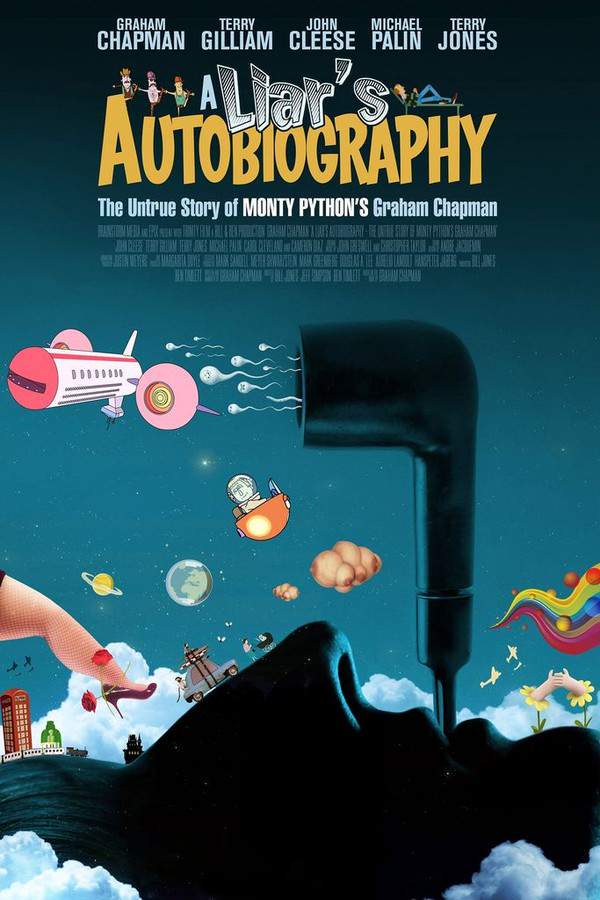


-w5rhbUyTGUOz2Q.jpg)


Quick Links: Summary, Cast, Ratings, More

What's After the Movie?
Not sure whether to stay after the credits? Find out!
Check out our other apps:

SAT Sphere
Build confidence for the Digital SAT.

Mori Atlas
Discover wild places worth protecting.

Luntero
Search smarter for a home in Amsterdam.

Plot Explained
Unravel movie endings and hidden clues.

Pokechamp
Dive into Pokémon data and battle logic.

Driving Theory
Get ready for your European theory test.

Movie Dust
Plan your next cinema trip with ease.

Musemap
Find art and culture as you travel.

Selkobase
Compare credentials before committing.

Local Manual
Turn an unfamiliar country into practical next steps.

Lernavi
Compare school systems before your next move.

GymRoam
Find a workout stop wherever your plans take you.
Explore Our Movie Platform
New Movie Releases (2026)
Famous Movie Actors
Top Film Production Studios
Movie Plot Summaries & Endings
Major Movie Awards & Winners
Best Concert Films & Music Documentaries
Movie Collections and Curated Lists
© 2026 What's After the Movie. All rights reserved.
Privacy Policy