Mon Oncle 1958


Mr. Hulot, forever cheerful and bumbling, lives in a cramped city top‑floor flat while his sister embraces a sleek suburban home. He visits the ultra‑modern house only to retrieve his lively nephew, baffled by the glass‑and‑steel nightmare. She tries to convert him, arranging a wife and job, but Hulot remains out of step with modern life.


Does Mon Oncle have end credit scenes?
No!
Mon Oncle does not have end credit scenes. You can leave when the credits roll.
Meet the Full Cast and Actors of Mon Oncle
Explore the complete cast of Mon Oncle, including both lead and supporting actors. Learn who plays each character, discover their past roles and achievements, and find out what makes this ensemble cast stand out in the world of film and television.
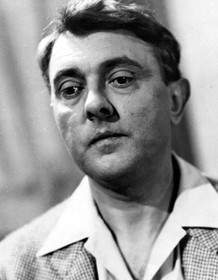
Jacques Tati
Monsieur Hulot

Édouard Francomme
House Painter (uncredited)
Jean-François Martial
Walter
Jean-Claude Rémoleux
Client in Monsieur Arpel's Factory (uncredited)
Max Martel
Drunken Man
Denise Péronne
Mademoiselle Fevrier (uncredited)
Jean-Pierre Zola
Monsieur Arpel
Nicole Regnault
Short-sighted motorist (uncredited)
René Lord
(uncredited)
Lucien Frégis
Monsieur Pichard
Yvonne Arnaud
Georgette, the Housekeeper
Adrienne Servantie
Madame Arpel
Nicolas Bataille
Working Man
André Dino
Sweeper (uncredited)
Claude Badolle
Ragman
Betty Schneider
Betty, Landlord's Daughter
Dominique Marie
Neighbor
Adelaide Danieli
Madame Pichard
Alain Bécourt
Gérald Arpel
Régis Fontenay
Braces Dealer
External Links and Streaming Options
Discover where to watch Mon Oncle online, including streaming platforms, rental options, and official sources. Compare reviews, ratings, and in-depth movie information across sites like IMDb, TMDb, Wikipedia or JustWatch.





Take the Ultimate Mon Oncle Movie Quiz
Challenge your knowledge of Mon Oncle with this fun and interactive movie quiz. Test yourself on key plot points, iconic characters, hidden details, and memorable moments to see how well you really know the film.
Mon Oncle Quiz: Test your knowledge of Jacques Tati's 1958 film *Mon Oncle*, exploring its characters, settings, and themes.
Which iconic character, played by Jacques Tati, appears throughout the film?
Full Plot Summary and Ending Explained for Mon Oncle
Read the complete plot summary of Mon Oncle, including all major events, twists, and the full ending explained in detail. Explore key characters, themes, hidden meanings, and everything you need to understand the story from beginning to end.
In this quietly satirical and warmly human comedy, Monsieur Hulot emerges as the dreamy, impractical, and utterly beloved uncle to nine-year-old Gérard Arpel. The boy lives with his parents in an ultra-modern, geometric glass-and-steel world—the Villa Arpel—located in a shiny new suburb just beyond the crumbling stones of the old city. The atmosphere is a careful balance of novelty and rigidity, where every surface seems designed more for appearances than for daily comfort.
The Arpels’ home is a shrine to style over substance. The family’s days circle around work, status, and conspicuous possessions, with a running gag centered on a fish-shaped fountain that Mme. Arpel only activates for important guests. The house itself, in its stylistic rigidity, pushes a satirical message about architecture and progress: as M. and Mme Arpel chase modernity, their surroundings are more about show than use. In this vein, the director’s famous line speaks to the heart of the film’s critique:
Les lignes géométriques ne rendent pas les gens aimables.
Villa Arpel is a world of its own—impersonal and meticulously curated. Everything is designed to look good, often at the expense of practicality or comfort. The Arpels have subordinated their individuality to preserve social position and the image of prosperity, a choice that colorizes the suburb with monochrome tones and overcast skies, underscoring the emptiness beneath the gloss.
Across town, a different rhythm dominates. Monsieur Hulot lives in an older, worn-down city district. He is unemployed and travels on foot or on a VéloSoleX, moving through life with a gentle, quirky ease that contrasts sharply with the Arpels’ polished world. Hulot’s informal, unforced way of being stands in quiet opposition to the glossy precision of Villa Arpel, highlighting the film’s central tension between authenticity and appearance.
Gérard, utterly bored by the sterile routine of life with his parents, finds a natural kinship with his uncle. Hulot, though often as impulsive as a child himself, is comfortable with the boy’s energy and mischief. He becomes a companion to Gérard, even as he struggles to rein in the boy’s pranks around adults and his schoolfriends, who revel in the harmless turbulence of youth.
The Arpels’ plans begin to tighten around the pair. They scheme to tether Hulot to family life and to the business pressures of Plastac, the automatized workplace that embodies their faith in progress and efficiency over lived experience. This push toward duty marks a key shift in the dynamic, foreshadowing the clash between a life of ease and a life of obligation.
The film’s rich world is populated by a chorus of supporting figures. Georgette, the housekeeper, is played by [Yvonne Arnaud], who brings a human warmth to the arid elegance of the Arpel household. Other faces—such as the various neighbors, the local workers, and the minor players who populate Gérard’s world—also pepper the narrative with small, telling details that flesh out this contrast between two ways of living.
The tone remains gently transgressive, playful, and observant. With its subdued color palette and its emphasis on the strange poetry of everyday objects—stepping stones in inconvenient locations, loud kitchen appliances, and furniture that seems to mock practical comfort—the film builds a world where the pursuit of modern living can feel almost magical, yet profoundly empty. The story keeps returning to the tension between outward polish and inner life, between social performance and genuine humanity.
Throughout, the characters move through scenes that reveal the essence of Tati’s satire. The old city’s ramshackle charm, the gleaming, machine-like glamour of Villa Arpel, and the unpredictable, unguarded warmth of Hulot’s world all intersect in moments of quiet humor and subtle critique. The narrative never shouts its message; it invites viewers to notice how a society that prizes appearances can overlook the simple, imperfect humanity that truly matters.
- Monsieur Hulot remains the film’s whimsical observer, a catalyst for gentle disruption in a meticulously controlled environment.
- Monsieur Arpel stands as the emblem of the modernist dream turned into a social posture.
- Madame Arpel embodies the chic, status-conscious seriousness that underpins the household.
- [Gérard Arpel] remains the restless, curious youth around whom the story’s moral questions orbit.
- Georgette anchors the human warmth that lingers beneath the glossy surface.
This is a film that invites you to look closely: at how spaces shape behavior, how modernity can feel both dazzling and hollow, and how a boy, his uncle, and a handful of ordinary characters can illuminate a broader truth about love, life, and the pull between comfort and meaning.

Coming soon on iOS and Android
The Plot Explained Mobile App
From blockbusters to hidden gems — dive into movie stories anytime, anywhere. Save your favorites, discover plots faster, and never miss a twist again.
Sign up to be the first to know when we launch. Your email stays private — always.
Explore the mobile appWatch Trailers, Clips & Behind-the-Scenes for Mon Oncle
Watch official trailers, exclusive clips, cast interviews, and behind-the-scenes footage from Mon Oncle. Dive deeper into the making of the film, its standout moments, and key production insights.
Mon Oncle Themes and Keywords
Discover the central themes, ideas, and keywords that define the movie’s story, tone, and message. Analyze the film’s deeper meanings, genre influences, and recurring concepts.
Mon Oncle Other Names and Titles
Explore the various alternative titles, translations, and other names used for Mon Oncle across different regions and languages. Understand how the film is marketed and recognized worldwide.
Similar Movies To Mon Oncle You Should Know About
Browse a curated list of movies similar in genre, tone, characters, or story structure. Discover new titles like the one you're watching, perfect for fans of related plots, vibes, or cinematic styles.




Quick Links: Summary, Cast, Ratings, More

What's After the Movie?
Not sure whether to stay after the credits? Find out!
Check out our other apps:

SAT Sphere
Build confidence for the Digital SAT.

Mori Atlas
Discover wild places worth protecting.

Luntero
Search smarter for a home in Amsterdam.

Plot Explained
Unravel movie endings and hidden clues.

Pokechamp
Dive into Pokémon data and battle logic.

Driving Theory
Get ready for your European theory test.

Movie Dust
Plan your next cinema trip with ease.

Musemap
Find art and culture as you travel.

Selkobase
Compare credentials before committing.

Local Manual
Turn an unfamiliar country into practical next steps.

Lernavi
Compare school systems before your next move.

GymRoam
Find a workout stop wherever your plans take you.
Explore Our Movie Platform
New Movie Releases (2026)
Famous Movie Actors
Top Film Production Studios
Movie Plot Summaries & Endings
Major Movie Awards & Winners
Best Concert Films & Music Documentaries
Movie Collections and Curated Lists
© 2026 What's After the Movie. All rights reserved.
Privacy Policy