
Mockingbird Don’t Sing (2001): Cast, Plot & Where to Watch
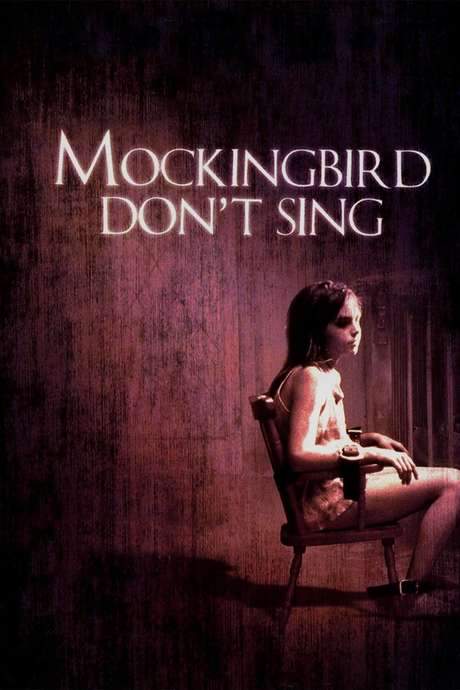
Mockingbird Don’t Sing is a 2001 drama directed by Harry Bromley Davenport, starring Michael Azria as Billy Standon, Tarra Steele and Kim Darby. It runs 1 hour 38 minutes. Stream it on Cineverse and Fawesome, or rent or buy it on Fandango At Home.
- Released
- Runtime
- 1h 38m (98 min)
- Director
- Harry Bromley Davenport
- Genre
- Drama
- Original language
-
 English
 - Studio
- Dorian Films
- After the credits
- No No extra scene
What Is Mockingbird Don’t Sing About?
The premise of Mockingbird Don’t Sing without spoilers. The whole story is in the plot summary further down.
After spending almost thirteen years isolated in a small room, a girl emerged with the behavior of a wild animal. Only a compassionate psychologist believed she could be rescued and healed. The film recounts this harrowing true case of extreme child abuse and follows the painstaking process of her recovery once she is finally freed.
Where to Watch Mockingbird Don’t Sing
Stream it on Cineverse and Fawesome, or rent or buy it from Fandango At Home. US availability and prices from JustWatch.
Stream 7
 Cineverse
  Fawesome
  FlixHouse
  fuboTV
  Plex
Plex  Plex Channel
  Tubi TV
 Rent or buy 1

Streaming availability in the US, powered by 
Mockingbird Don’t Sing Cast & Characters
Michael Azria leads the cast as Billy Standon, with Tarra Steele as Katie and Kim Darby as Louise Standon. Directed by Harry Bromley Davenport; 22 actors are credited in all.
- Director Harry Bromley Davenport
- Michael Azria as Billy Standon
- Tarra Steele as Katie
- Kim Darby as Louise Standon
- Jack Betts as Wes Standon
Also Starring in Mockingbird Don’t Sing
· 18 more- Sean Young Dr. Judy Bingham
- Melissa Errico Sandra Tannen
- Laurie O'Brien Beverly Glazer
- Joe Regalbuto Dr. Norm Glazer
- Michael Lerner Dr. Stan York
- B.J. Ward Amanda Black
- Biff Wiff Lookie-Lou
- Daryl Haney Butcher
- Billy Maddox Caseworker
- Sara Van Horn Admin Nurse
- Timi Prulhiere Miss Brill
- Sharon Madden Mrs. Manning
- Con Schell Kurt
- Ed Brigadier Mr. Manning
- Ben Messmer Rob
- Rachel Grate Jill
Show all 22 cast members Show fewer cast members
- Luise Heath Social Worker
- Lora Anne Criswell Colleen
Mockingbird Don’t Sing Plot Summary
What happens in Mockingbird Don’t Sing from start to finish, spoilers included, with a timeline of 12 key events. The opening is below; the full summary is a 5-minute read.
Spoilers ahead
Katie Standon, portrayed by Tarra Steele, is a girl raised in near-complete isolation in Los Angeles during the 1970s. Since birth she has been confined to her room, deprived of meaningful human contact, and by the time she is thirteen, her world has shrunk to four walls and a fading sense of self. Her mother Louise Standon, who wears cataracts, endures a brutal marriage with Wes Standon, and in a desperate bid to protect Katie, Louise and their son Billy attempt a dangerous escape from their home.
Full summary
The whole story of Mockingbird Don’t Sing, scene by scene
Mockingbird Don’t Sing Trailers & Videos
The trailer of Mockingbird Don’t Sing.
How Well Do You Know Mockingbird Don’t Sing?
10 questions about the story, each with a hint if you get stuck. Pick an answer to see whether you were right.
Question 1 of 10
- Question 1: not answered
- Question 2: not answered
- Question 3: not answered
- Question 4: not answered
- Question 5: not answered
- Question 6: not answered
- Question 7: not answered
- Question 8: not answered
- Question 9: not answered
- Question 10: not answered
What is the name of the girl who was confined to her room from age one?
Cars in Mockingbird Don’t Sing
14 cars on screen, including the 1965 SAAB Station Wagon and the 1973 Volkswagen Super Beetle Typ 1.
-
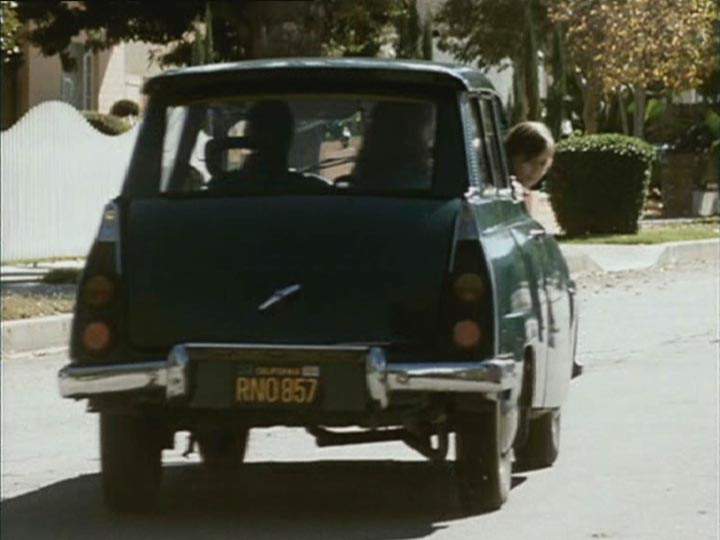 1965 SAAB Station Wagon Important role
 -
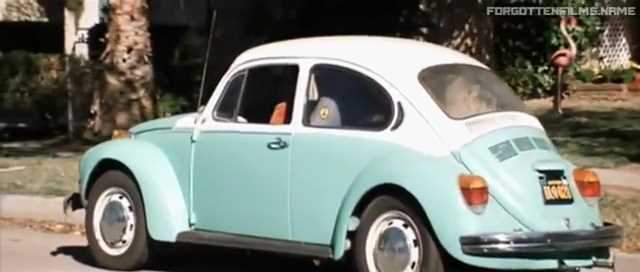 1973 Volkswagen Super Beetle Typ 1 Important role
 -
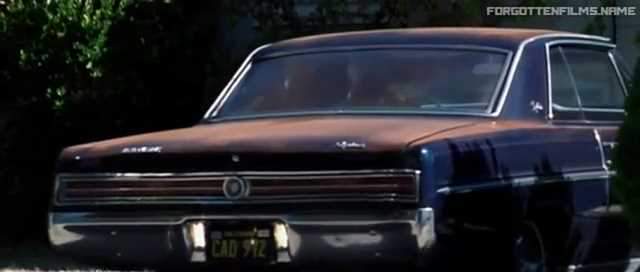 1965 Buick Skylark Minor role
 -
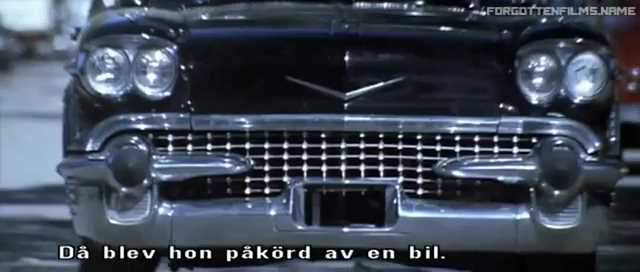 1958 Cadillac unknown Minor role
Mockingbird Don’t Sing Also Known As
5 alternative titles, including “Wild Child” and “O Despertar de Uma Vida”.
- Also known as
-
- Wild Child
- O Despertar de Uma Vida
- Prisonnière du Silence
- 知更鸟不歌唱
- Kuşlar Artık Şarkı Söylemiyor
Seen Mockingbird Don’t Sing?
Mockingbird Don’t Sing FAQ: Where to Watch, Cast & Runtime
Runtime, release date, director, cast, where to watch and post-credit scenes of Mockingbird Don’t Sing, each answered in a sentence.
How long is Mockingbird Don’t Sing?
Mockingbird Don’t Sing runs 1 hour 38 minutes (98 minutes).
When was Mockingbird Don’t Sing released?
Mockingbird Don’t Sing was released on May 4, 2001.
Who directed Mockingbird Don’t Sing?
Mockingbird Don’t Sing was directed by Harry Bromley Davenport.
More films by Harry Bromley Davenport Who is in the cast of Mockingbird Don’t Sing?
Mockingbird Don’t Sing stars Michael Azria as Billy Standon, Tarra Steele as Katie and Kim Darby as Louise Standon, among 22 credited actors.
Where can I watch Mockingbird Don’t Sing?
In the US, Mockingbird Don’t Sing is streaming on Cineverse, Fawesome and FlixHouse and available to rent or buy on Fandango At Home (availability from JustWatch).
Does Mockingbird Don’t Sing have a post-credit scene?
No. Mockingbird Don’t Sing has no extra scene during or after the credits.
Coming soon to your phone
The Plot Explained Movie Summary App
From blockbusters to hidden gems: plot summaries, endings explained and timelines on your phone. Save your favorites and never miss a twist again.
Be the first to know when it launches. Your email stays private, always. Learn more about the app
