Mask 1985

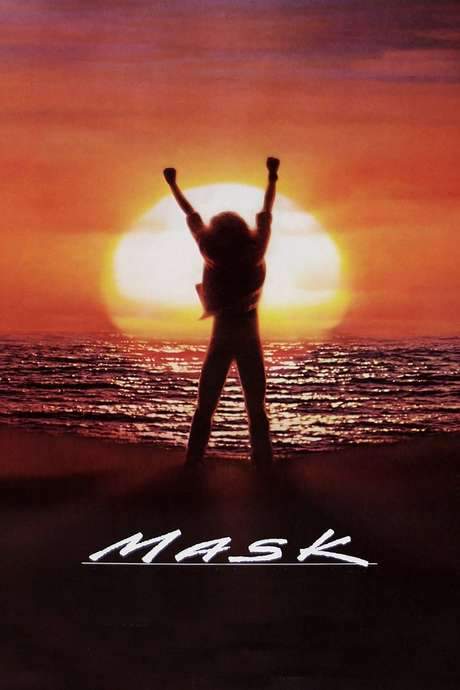
At 16, Rocky Dennis is told he’ll never fit in, so he resolves to exceed expectations. Living with a severe facial skull deformity, Rocky and his biker‑gang mother strive to live as normal a life as circumstances allow, confronting the challenges of their situation.


Does Mask have end credit scenes?
No!
Mask does not have end credit scenes. You can leave when the credits roll.
Meet the Full Cast and Actors of Mask
Explore the complete cast of Mask, including both lead and supporting actors. Learn who plays each character, discover their past roles and achievements, and find out what makes this ensemble cast stand out in the world of film and television.
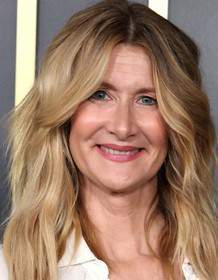
Laura Dern
Diana
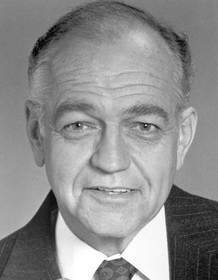
Richard Dysart
Abe
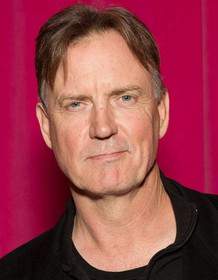
Barry Tubb
Dewey
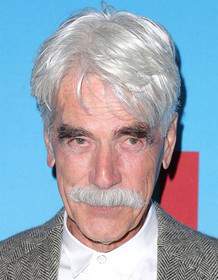
Sam Elliott
Gar
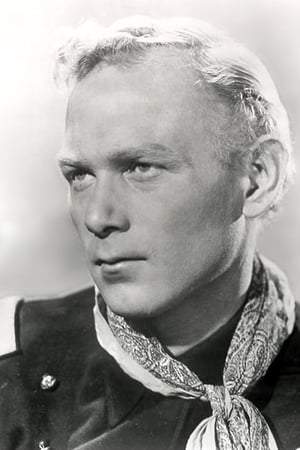
Harry Carey Jr.
Red
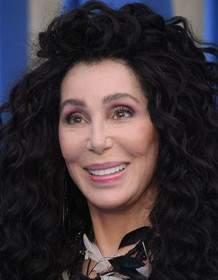
Cher
Rusty Dennis
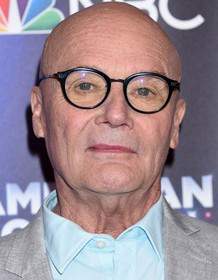
Creed Bratton
Carnival Ticket Taker
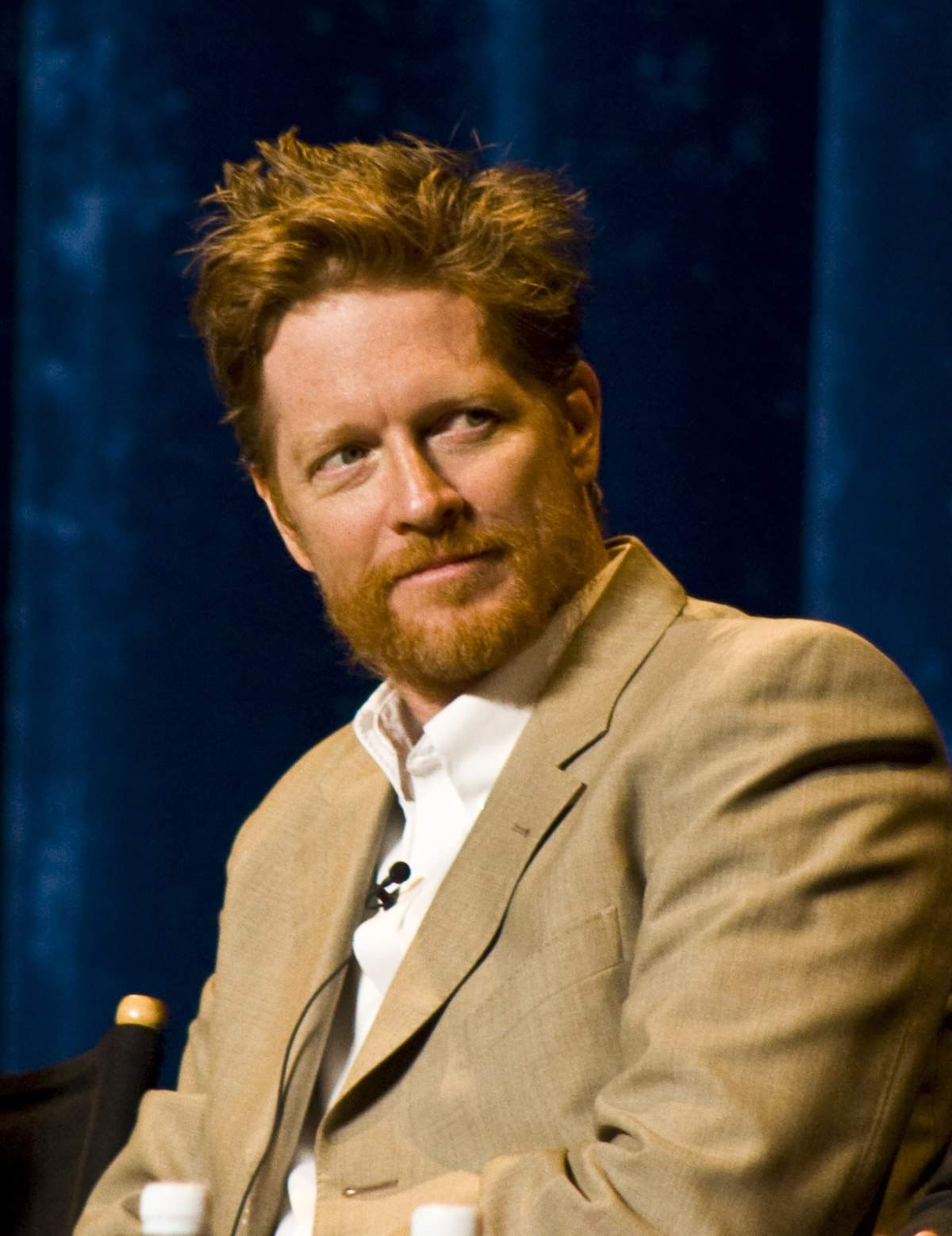
Eric Stoltz
Rocky Dennis

Jill Whitlow
Anne Marie
Joe Unger
1st Boyfriend
Kelly Jo Minter
Lorrie
Andrew Robinson
Dr. Vinton
Todd Allen
Canuck
Christopher Rydell
Senior High Student
Dennis Burkley
Dozer
Marsha Warfield
Homeroom Teacher
Ben Piazza
Mr. Simms
Estelle Getty
Evelyn
Ivan J. Rado
Dr. Rudinsky
Alexandra Powers
Lisa
Lawrence Monoson
Ben
Cathy Arden
Hospital Doctor
Wayne Grace
Drug Dealer
Jeff Jensen
Biker
Micole Mercurio
Babe
Jack Wright
Biker
Rebecca Wood
Angel (as Rebecca Sharkey)
Anna Thea Bogdanovich
Woman Counselor
Charles Taylor
2nd Boyfriend
Michael Adams
Biker
Stan Ross
Drunken Biker
Toni Sawyer
Mrs. Adams
Jo-El Sonnier
Sunshine
Rummel Mor
Track Runner
Beth McKinley
Senior High Student
L. Craig King
Eric
Howard Hirdler
Stickman
Jeannie Dimter Barton
Jr. High Secretary
Anna Hamilton Phelan
Puppy Lady
Les Dudek
Bone
Paige Matthews
Stickman's Girl
Patricia Pelham
Canuck's Girl
Gale Ricketts
Sunshine's Girl
Scott Willardsen
Jr. High Student
Allison Roth
Nancy Lawrence
David Scott Milton
History Teacher
Norman Kaplan
Self
Louis Waldon
Camp Cook
Marilyn Hamilton
Mr. Kaplan's Aide
Lou Felder
Mr. Adams
Eddie Paul
Biker
External Links and Streaming Options
Discover where to watch Mask online, including streaming platforms, rental options, and official sources. Compare reviews, ratings, and in-depth movie information across sites like IMDb, TMDb, Wikipedia or JustWatch.







Take the Ultimate Mask Movie Quiz
Challenge your knowledge of Mask with this fun and interactive movie quiz. Test yourself on key plot points, iconic characters, hidden details, and memorable moments to see how well you really know the film.
Mask (1985) Quiz: Test your knowledge of the 1985 film "Mask" with these ten questions ranging from easy to challenging.
Which actor portrayed the teenage Rocky Dennis?
Full Plot Summary and Ending Explained for Mask
Read the complete plot summary of Mask, including all major events, twists, and the full ending explained in detail. Explore key characters, themes, hidden meanings, and everything you need to understand the story from beginning to end.
In 1979 Azusa, California, Rocky Dennis is a teenage boy born with craniodiaphyseal dysplasia, a very rare condition that shapes the bones of his skull in dramatic ways. He is embraced without hesitation by his freewheeling, bohemian biker mother, Rusty Dennis, her partner, Gar who acts as a father figure, and his maternal grandparents who share his love of baseball cards. Yet the outside world often reacts with fear, pity, and teasing, failing to see Rocky’s humanity, humor, and intelligence. The film follows how his family fights for him to lead a life full of possibilities, despite the stigma that shadows him.
Rusty’s fierce determination to give Rocky a normal life drives much of the story. She battles a school system that wants to pigeonhole him, clashing with the principal, Mr. Simms, who would rather place Rocky in a special education setting than recognize his abilities. Rocky’s physical health becomes a recurring concern, with a doctor suggesting his life might be shorter than expected. But Rocky’s mother refuses to surrender to those bleak predictions, arguing that previous medical opinions have been proven wrong and that Rocky’s true potential deserves a chance to shine.
As Rocky settles into junior high, he discovers that his wit and humor endear him to peers and teachers alike. He makes friends, tutors classmates for a small fee, and even assists others with simple tasks like locker combinations. He holds a natural talent for storytelling, delivering entertaining renditions of classical history to his history class and using clever demonstrations to illuminate complex ideas. When the principal suggests a summer camp for the visually impaired, Rocky is hesitant but eventually agrees to try, stepping toward new kinds of independence while still navigating the challenges of his condition.
At graduation, Rocky wins several academic prizes in mathematics, history, and science, celebrating tangible proof of his intellect and hard work. His success sharpens the sense that a normal life—filled with ambition and love—might finally be within reach. Yet the path is never smooth. Rocky’s relationship with his mother grows more intense as she grapples with her own demons and the fragile balance of their highs and lows. He tries to steer her toward a healthier future by leaving pamphlets about rehabilitation around their home during a party, a moment that sparks a fight but also reveals the depth of their love and dependence on one another.
The turning point comes when Rocky joins Camp Bloomfield, a summer program for visually impaired children. There he meets Diana Adams, a blind teenage girl whose radiant presence and openness draw him in. The two form a tender connection, and Rocky uses tactile, sensory metaphors to explain colors and sensations—cotton balls to evoke billowy clouds, a warm rock for red, a frozen stone for icy blue—so Diana can feel what he sees in his own way. Their first kiss happens at a New Year’s Eve dance, a small but powerful sign of mutual understanding and affection. When Diana’s parents meet Rocky, their horror at his appearance creates a painful barrier, and they forbid further contact, throwing their relationship into a new kind of loneliness.
High school intensifies the pressure and cruelty Rocky faces. He still finds friends who value him for more than how he looks, but the taunts grow harsher, and a moment of anger erupts after a bully mocks his “mask.” The pain of separation deepens when his best friend Ben announces a permanent move away, shattering Rocky’s big dream of a European motorbike trek with him. A quiet resilience remains, though: Rocky makes a trip to visit Diana at a nearby equestrian stable, near Griffith Park, only to learn that her parents have kept him from reaching her and have arranged for her to attend a private boarding school for the blind. Yet the bond between them endures in memory, a vow that they will always love each other—even when distance parts them.
One evening, while Rocky’s biker family visits and tries to lift his spirits, a severe headache overwhelms him. He retreats to his room, later waking to a phone call about his absence and discovering that he has died in his sleep. Rusty’s grief explodes in a furious, devastating moment of heartbreak, followed by a desperate, tender embrace of Rocky’s body as she mourns the life that could have been. She pins up Rocky’s map of Europe one last time and whispers a final farewell that embodies both love and loss.
In the aftermath, Rocky’s chosen family—Rusty, Gar, and Dozer—visits his grave, leaving flowers and a small cache of old baseball cards to mark his resting place. A voice continues to speak from Rocky’s own memory, reciting the poem he wrote for English class and preserving his voice in the world beyond his years. The film closes on the enduring idea that, despite the judgments of others and the limits imposed by his condition, Rocky Dennis lived with humor, generosity, and a tenacious longing to belong—and in the memory of those who loved him, his spirit remains free to go wherever it desires.
Now you can go anywhere you want, baby.

Coming soon on iOS and Android
The Plot Explained Mobile App
From blockbusters to hidden gems — dive into movie stories anytime, anywhere. Save your favorites, discover plots faster, and never miss a twist again.
Sign up to be the first to know when we launch. Your email stays private — always.
Explore the mobile appDiscover Film Music Concerts Near You – Live Orchestras Performing Iconic Movie Soundtracks
Immerse yourself in the magic of cinema with live orchestral performances of your favorite film scores. From sweeping Hollywood blockbusters and animated classics to epic fantasy soundtracks, our curated listings connect you to upcoming film music events worldwide.
Explore concert film screenings paired with full orchestra concerts, read detailed event information, and secure your tickets for unforgettable evenings celebrating legendary composers like John Williams, Hans Zimmer, and more.


Cars Featured in Mask
Explore all cars featured in Mask, including their makes, models, scenes they appear in, and their significance to the plot. A must-read for car enthusiasts and movie buffs alike.
Mask Themes and Keywords
Discover the central themes, ideas, and keywords that define the movie’s story, tone, and message. Analyze the film’s deeper meanings, genre influences, and recurring concepts.
Mask Other Names and Titles
Explore the various alternative titles, translations, and other names used for Mask across different regions and languages. Understand how the film is marketed and recognized worldwide.
Similar Movies To Mask You Should Know About
Browse a curated list of movies similar in genre, tone, characters, or story structure. Discover new titles like the one you're watching, perfect for fans of related plots, vibes, or cinematic styles.






Quick Links: Summary, Cast, Ratings, More

What's After the Movie?
Not sure whether to stay after the credits? Find out!
Check out our other apps:

SAT Sphere
Build confidence for the Digital SAT.

Mori Atlas
Discover wild places worth protecting.

Luntero
Search smarter for a home in Amsterdam.

Plot Explained
Unravel movie endings and hidden clues.

Pokechamp
Dive into Pokémon data and battle logic.

Driving Theory
Get ready for your European theory test.

Movie Dust
Plan your next cinema trip with ease.

Musemap
Find art and culture as you travel.

Selkobase
Compare credentials before committing.

Local Manual
Turn an unfamiliar country into practical next steps.

Lernavi
Compare school systems before your next move.

GymRoam
Find a workout stop wherever your plans take you.
Explore Our Movie Platform
New Movie Releases (2026)
Famous Movie Actors
Top Film Production Studios
Movie Plot Summaries & Endings
Major Movie Awards & Winners
Best Concert Films & Music Documentaries
Movie Collections and Curated Lists
© 2026 What's After the Movie. All rights reserved.
Privacy Policy