Johnny Stecchino 1991


Dante, a good‑hearted but naïve school‑bus driver for mentally disabled children, feels he’s missing out on life and love. After a near‑collision with Maria’s car he meets her, who instantly falls for him. Invited to her lavish Palermo villa, he learns she and her gangster husband plan to use his uncanny resemblance to the mobster to fake the husband’s death.


Does Johnny Stecchino have end credit scenes?
No!
Johnny Stecchino does not have end credit scenes. You can leave when the credits roll.
Meet the Full Cast and Actors of Johnny Stecchino
Explore the complete cast of Johnny Stecchino, including both lead and supporting actors. Learn who plays each character, discover their past roles and achievements, and find out what makes this ensemble cast stand out in the world of film and television.

Nicoletta Braschi
Maria
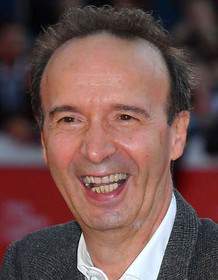
Roberto Benigni
Dante Ceccarini / Johnny Stecchino

Giorgio Trestini
Portiere Hotel
Paolo Bonacelli
D'Agata
Ivano Marescotti
Dr. Randazzo
Tony Sperandeo
Picciotto in auto
Sal Borgese
Ignazio
Conchita Puglisi
Turi Scalia
Giudice
Gaetano Campisi
Picciotto in auto
Loredana Romito
Gianna
Alessandro De Santis
Lillo
Giulio Donnini
Cardinale
Domenico Minutoli
Questore di Palermo
Gigliola Reina
Georgia O'Brien
Moglie del ministro
Ignazio Pappalardo
Cozzamara
Amedeo Carlo Mangiu
Barbiere
Vito Zappalà
Maresciallo
Luciana Pieri Palombi
External Links and Streaming Options
Discover where to watch Johnny Stecchino online, including streaming platforms, rental options, and official sources. Compare reviews, ratings, and in-depth movie information across sites like IMDb, TMDb, Wikipedia or Rotten Tomatoes.








Take the Ultimate Johnny Stecchino Movie Quiz
Challenge your knowledge of Johnny Stecchino with this fun and interactive movie quiz. Test yourself on key plot points, iconic characters, hidden details, and memorable moments to see how well you really know the film.
Johnny Stecchino Quiz: Test your knowledge of the 1991 Italian comedy "Johnny Stecchino".
Which actor portrays both Dante Ceccarini and Johnny Stecchino?
Full Plot Summary and Ending Explained for Johnny Stecchino
Read the complete plot summary of Johnny Stecchino, including all major events, twists, and the full ending explained in detail. Explore key characters, themes, hidden meanings, and everything you need to understand the story from beginning to end.
Dante Ceccarini / Johnny Stecchino, Roberto Benigni, is a charming yet reckless man whose ordinary life in Cesena spirals into a surreal case of mistaken identity. After a clumsy attempt to flirt with his coworker and several other women at a lively soiree, he crosses paths with Maria, a perceptive woman who nearly runs him over with her car. Maria, portrayed by Nicoletta Braschi, quickly becomes convinced that Dante bears an uncanny resemblance to her husband, Johnny Stecchino, a feared Italian mobster wanted by the Sicilian Mafia for murder and shunned by Palermo locals for treason. This shocking resemblance sets off a chain of increasingly chaotic events that draw Dante into a dangerous double life.
By day, Dante works as a bus driver in Cesena, ferrying students with Down syndrome, while quietly cultivating a knack for deceit. He defrauds the government by claiming a fake disability and, on the side, pilfers bananas from local greengrocers. His world collides with his friend group, especially his best pal, Lillo, a student with Down syndrome and diabetes, whom Dante must constantly redirect away from sugary temptations. Lillo is a bright but vulnerable companion in a life filled with petty schemes, and their dynamic provides a steady undercurrent of warmth amid the farcical chaos. Lillo is played by Alessandro De Santis, whose presence anchors the film’s more human moments even as the plot spirals toward farce.
The plot deepens when Dante encounters Maria again near his apartment. Unaware of her deeper plan, Dante becomes the focal point of a calculated ruse: Maria intends to hand him over to the Sicilian mafia under the erroneous belief that he is Johnny Stecchino. To seal the deception, she guides Dante toward an almost identical likeness—dressing him in a similar suit and tie, placing a fake mole on his face, and training him to perpetually chew a toothpick (the “stecchino” that gives the film its title and comic edge). Maria begins referring to him as Johnny, or “my Johnny,” and the two head to Palermo to execute her plan while she contemplates escape with the real Johnny.
On the journey to Palermo, Dante meets what he thinks is a harmless, somewhat eccentric relative at the train station: D’Agata, a cocaine user who, to Dante, glosses his habit as medicine for diabetes. Paolo Bonacelli brings a sly, offbeat menace to this role, complicating Dante’s misadventures with a hint of danger lurking behind every corner. The misalignment between Dante’s innocent demeanor and the mob’s readiness to shoot creates a constant sense of jeopardy, especially after he becomes entangled in an attempt to steal a banana and attracts armed mobsters who mistake him for Johnny.
Dante’s misfortune escalates at the police station, where he recounts how a banana theft led to a hail of gunfire. The police chief’s bemused and cautionary response—heeding Dante’s confession but threatening forgiveness if he simply returns the now-stolen banana—highlights the absurdity of the situation and the world’s willingness to blur lines between crime and accident. His encounter with the judge Cataratta, Turi Scalia, further complicates matters: Cataratta advises Dante to reclaim the stolen evidence and to demand that the gripping story front-page the newspapers, mixing legal authority with theatrical manipulation. The scene underscores a playful commentary on the media, justice, and reputation, as Dante’s identity continues to unravel.
Maria, ever calculating, escorts Dante to a public opera in a bid to observe how far people will accept him as Johnny. Inside, a banana vendor’s innocuous offer becomes a focal point for crowd reaction, and Dante—fearful of a fresh scandal—tries to pay, misreading the crowd’s jeers as a punishment for not paying. The mood shifts as the audience’s contempt turns toward Maria, exposing her complicity. In a tense moment, Dante confronts the crowd with a defiant resolve to protect Maria’s honor, earning him police escort to a private party where a political ally of Johnny offers covert protection if their encounter remains secret. The gift he receives—a bag of cocaine—intensifies the film’s underbelly of crime, influence, and temptation. The man behind the political circle remains off-screen but influential, while the pair retreat to Maria’s residence.
On the day of the planned hit, Maria learns that Johnny intends to retaliate against her “uncle” after Dante’s demise, setting off a delicate moral calculus in Maria’s mind. The plan’s flip side leads to a moment of upended fate: Dante is dropped at Cozzamara’s barber shop, run by Ignazio Pappalardo as the mobster Cozzamara. When Cozzamara’s men begin to sense that Dante isn’t Johnny—thanks to the mole and a few telltale slips, including a reaction about his mother that would trigger Johnny’s anger—Maria’s scheme edges toward its tipping point. As the mob closes in, Johnny Stecchino realizes the trap, and the mob’s laughter at Dante’s jokes fills the air as they prepare to seal his fate.
The conclusion sees Maria escorting Dante back to his apartment, finally revealing her true motive but not absolving him of the strange ordeal. She leaves with a sense of relief, while Dante reunites with his friend Lillo, sharing his Palermo memories and the bizarre, almost ceremonial customs of Palermo’s locals. The film ends on a darkly comic note: Lillo, convinced the cocaine Dante gifted him is medicine for his diabetes, chases the drug’s scent with unrestrained enthusiasm, while Dante watches the chaotic aftermath—an intricate blend of mistaken identity, survival, and the unexpected bond between two friends who navigate a world where the line between reality and performance is forever blurred.
Supporting textures of the story are delivered by a broader ensemble: the hotel’s Portiere, Giorgio Trestini, the minister’s wife Georgia O’Brien, and the minister himself Franco Volpi, who populate a city where authority, appetite, and allegiances shift with each scene. The film’s world also marks the presence of a cardinal Giulio Donnini, a Palermo-based Questore shown by Domenico Minutoli, and a variety of other figures who color the town with their distinctive roles, from the barber Amedeo Carlo Mangiu to Gianna Loredana Romito, each contributing to a narrative that leans into satire while keeping a grounded sense of humanity in its eccentric maze of identity. The film’s final beat leaves viewers with a wry reflection on fame, disguise, and the price of living between two worlds.

Coming soon on iOS and Android
The Plot Explained Mobile App
From blockbusters to hidden gems — dive into movie stories anytime, anywhere. Save your favorites, discover plots faster, and never miss a twist again.
Sign up to be the first to know when we launch. Your email stays private — always.
Explore the mobile appWatch Trailers, Clips & Behind-the-Scenes for Johnny Stecchino
Watch official trailers, exclusive clips, cast interviews, and behind-the-scenes footage from Johnny Stecchino. Dive deeper into the making of the film, its standout moments, and key production insights.
Cars Featured in Johnny Stecchino
Explore all cars featured in Johnny Stecchino, including their makes, models, scenes they appear in, and their significance to the plot. A must-read for car enthusiasts and movie buffs alike.
Johnny Stecchino Themes and Keywords
Discover the central themes, ideas, and keywords that define the movie’s story, tone, and message. Analyze the film’s deeper meanings, genre influences, and recurring concepts.
Johnny Stecchino Other Names and Titles
Explore the various alternative titles, translations, and other names used for Johnny Stecchino across different regions and languages. Understand how the film is marketed and recognized worldwide.
Similar Movies To Johnny Stecchino You Should Know About
Browse a curated list of movies similar in genre, tone, characters, or story structure. Discover new titles like the one you're watching, perfect for fans of related plots, vibes, or cinematic styles.



Quick Links: Summary, Cast, Ratings, More

What's After the Movie?
Not sure whether to stay after the credits? Find out!
Check out our other apps:

SAT Sphere
Build confidence for the Digital SAT.

Mori Atlas
Discover wild places worth protecting.

Luntero
Search smarter for a home in Amsterdam.

Plot Explained
Unravel movie endings and hidden clues.

Pokechamp
Dive into Pokémon data and battle logic.

Driving Theory
Get ready for your European theory test.

Movie Dust
Plan your next cinema trip with ease.

Musemap
Find art and culture as you travel.

Selkobase
Compare credentials before committing.

Local Manual
Turn an unfamiliar country into practical next steps.

Lernavi
Compare school systems before your next move.

GymRoam
Find a workout stop wherever your plans take you.
Explore Our Movie Platform
New Movie Releases (2026)
Famous Movie Actors
Top Film Production Studios
Movie Plot Summaries & Endings
Major Movie Awards & Winners
Best Concert Films & Music Documentaries
Movie Collections and Curated Lists
© 2026 What's After the Movie. All rights reserved.
Privacy Policy