
Inside Out (1986): Cast & Plot
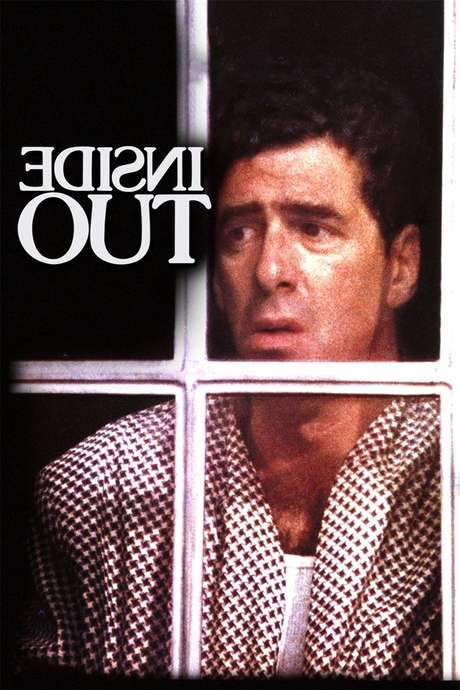
Inside Out is a 1986 drama thriller starring Elliott Gould as Jimmy Morgan, Dana Elcar and Jennifer Tilly. It runs 1 hour 27 minutes.
- Released
- Runtime
- 1h 27m (87 min)
- Original language
-
 English
 - Studio
- Sidney Beckerman Productions
- After the credits
- No No extra scene
What Is Inside Out About?
The premise of Inside Out without spoilers. The whole story is in the plot summary further down.
An agoraphobic must give up his sheltered life and venture outside after a series of personal and financial problems.
Inside Out Themes & Keywords
· 11 tags- agoraphobia
- telephone call
- going broke
- telephone
- delivery
- best friend
- gambling debt
- betrayal
- business partner
- prostitute
- independent film
Inside Out Cast & Characters
Elliott Gould leads the cast as Jimmy Morgan, with Dana Elcar as Leo Gross and Jennifer Tilly as Amy.
-
 Elliott Gould as Jimmy Morgan
 - Dana Elcar as Leo Gross
-
 Jennifer Tilly as Amy
 -
 Howard Hesseman as Jack
Also Starring in Inside Out
· 26 more- John Bleifer Hyman
- Kathleen Freeman
- Timothy Scott Homeless guy
- Read Morgan Driver
- Gregg Berger
- John O'Leary Arthur Harris
- Sandy McPeak Lewis Curlson
- Meshach Taylor Freddy
- Beah Richards Verna
- Phil Rubenstein Marty
- Robert Miranda Sal
- Wendy Cutler Elizabeth
- Helen Kelly
- Jim Bentley Eddie
- Catya Sassoon
- Vince Melamed Various (voice)
Show all 30 cast members Show fewer cast members
- Margery Nelson
- Nicole Nourmand Heather
- Harry Gelbart Barber
- Beverly Reed Cocktail Waitress (as Beverlee Reed)
- Jerry Hudson Chaffeur
- Robert Taicher Tenant
- Barbara Benem Manicurist
- Michael Ascolese Bailiff (uncredited)
- Lillian Garrett-Groag
- Nanette Mirkovich
Inside Out Plot Summary
What happens in Inside Out from start to finish, spoilers included, with a timeline of 13 key events. The opening is below; the full summary is a 2-minute read.
Spoilers ahead
Jimmy Morgan is a financially successful entrepreneur whose life in a luxurious New York City apartment begins to crumble from the inside out. As his estranged wife plans to take their daughter and move to Chicago, Morgan watches his carefully built world slip away: his stock portfolio collapses in a tumbling market, a trusted business partner, Leo Gross, is siphoning funds, and Morgan himself finds solace in increasingly reckless gambling on professional football. The situation tightens its grip as debt piles up and options shrink, leaving him to cope with the mounting losses that threaten not just his finances but his sense of self.
Full summary
The whole story of Inside Out, scene by scene
How Well Do You Know Inside Out?
10 questions about the story, each with a hint if you get stuck. Pick an answer to see whether you were right.
Question 1 of 10
- Question 1: not answered
- Question 2: not answered
- Question 3: not answered
- Question 4: not answered
- Question 5: not answered
- Question 6: not answered
- Question 7: not answered
- Question 8: not answered
- Question 9: not answered
- Question 10: not answered
What is the main character's full name?
Cars in Inside Out
4 cars on screen, including the 1970 Checker Taxicab and the 1979 Oldsmobile Toronado.
-
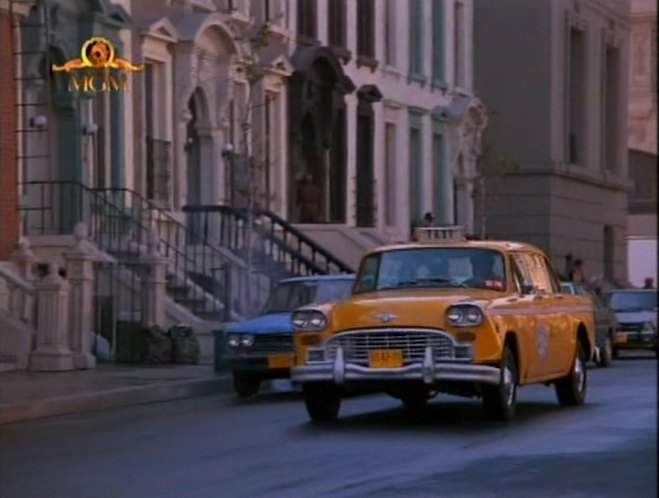 1970 Checker Taxicab Minor role
 -
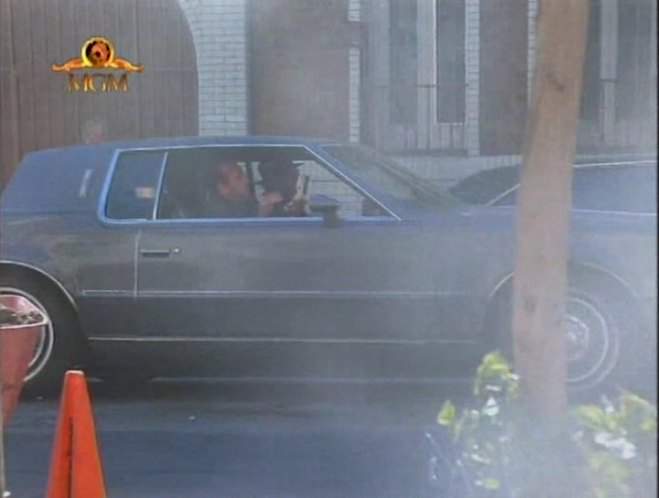 1979 Oldsmobile Toronado Minor role
 -
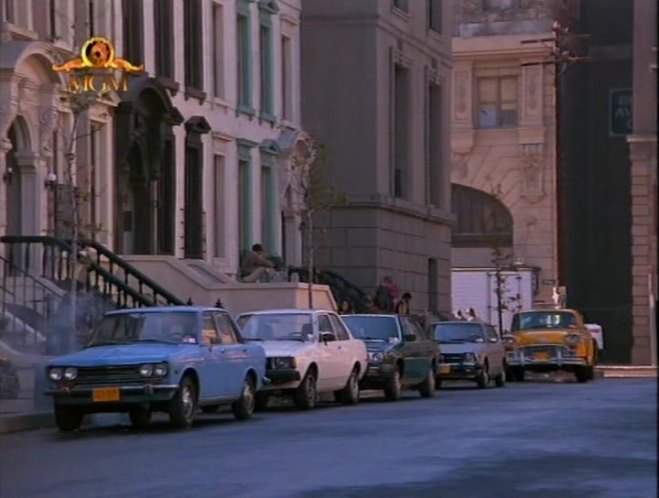 1970 Datsun 510 Background role
 -
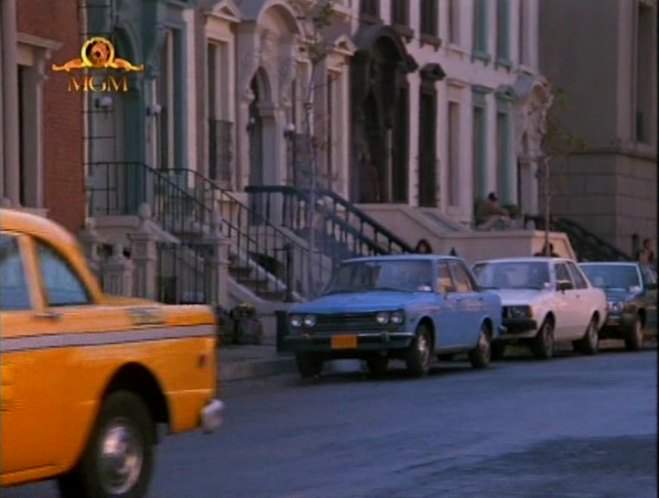 1981 Toyota Corolla Background role
Inside Out Also Known As
2 alternative titles: “Angst und Einsamkeit” and “Apartament sense sortida”.
- Also known as
-
- Angst und Einsamkeit
- Apartament sense sortida
Seen Inside Out?
Movies Like Inside Out
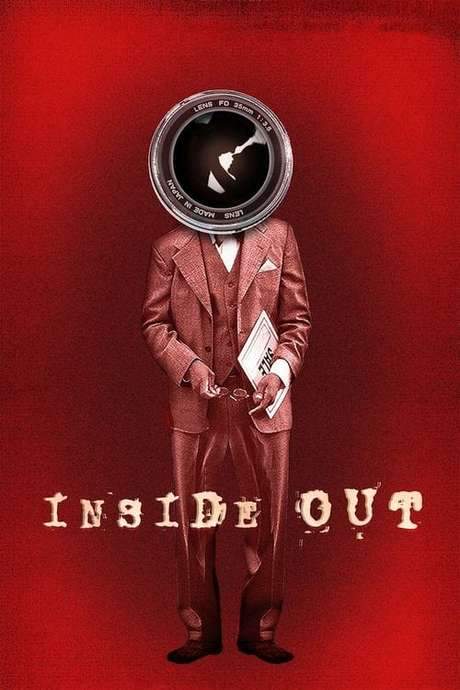
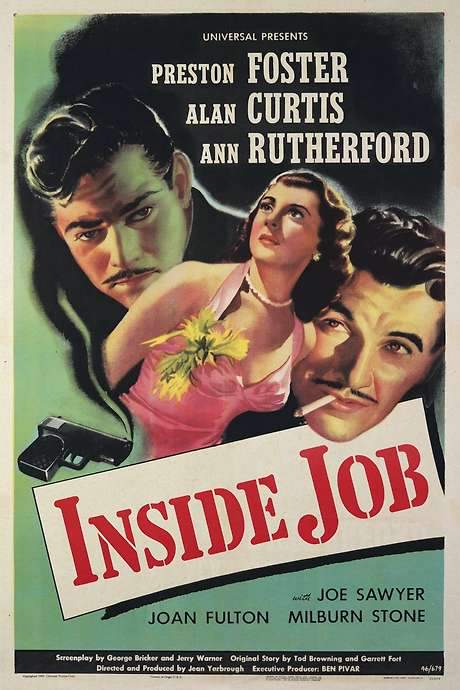
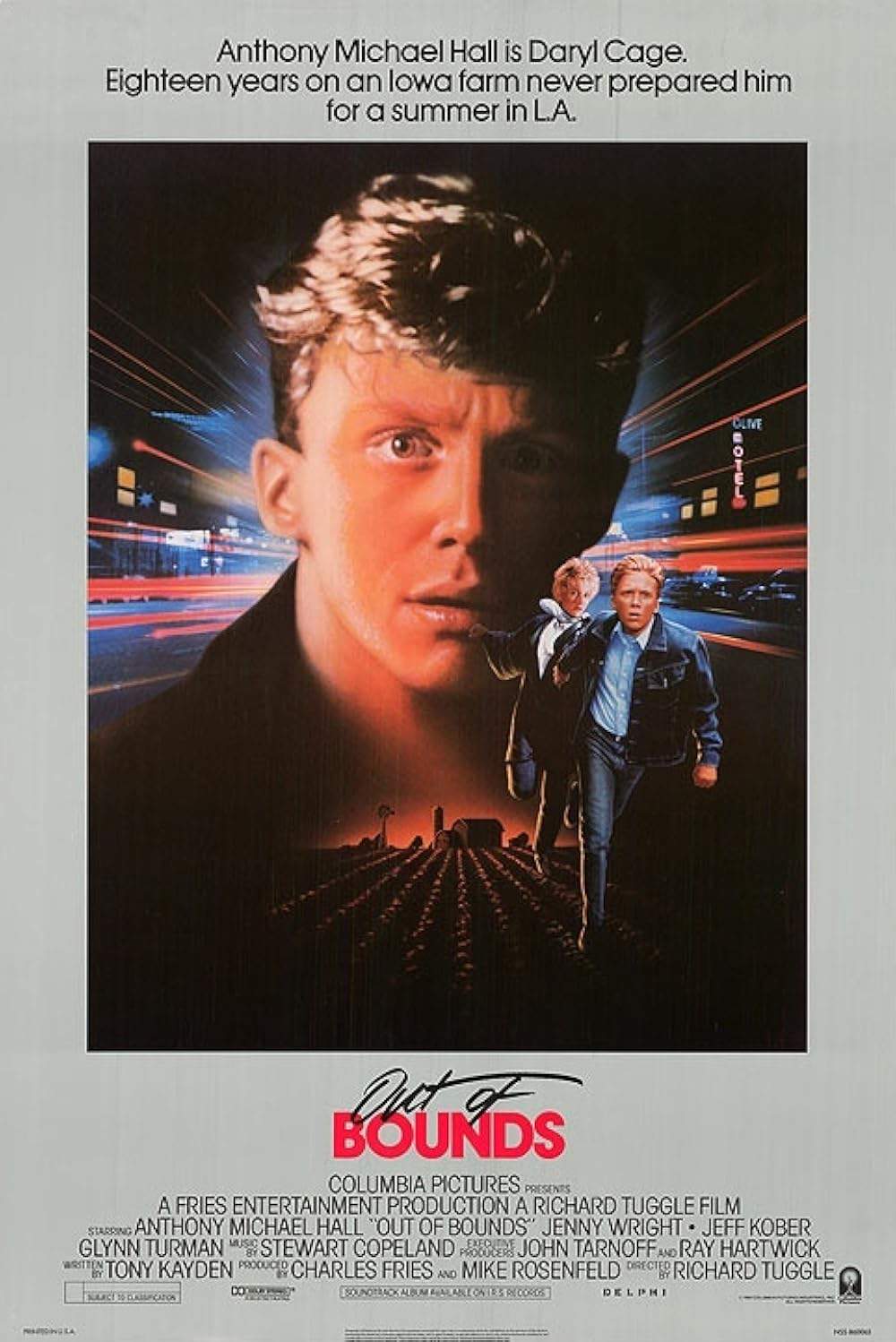
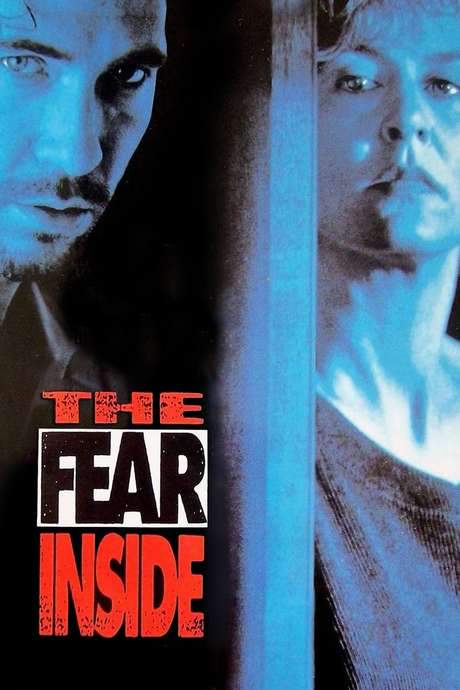
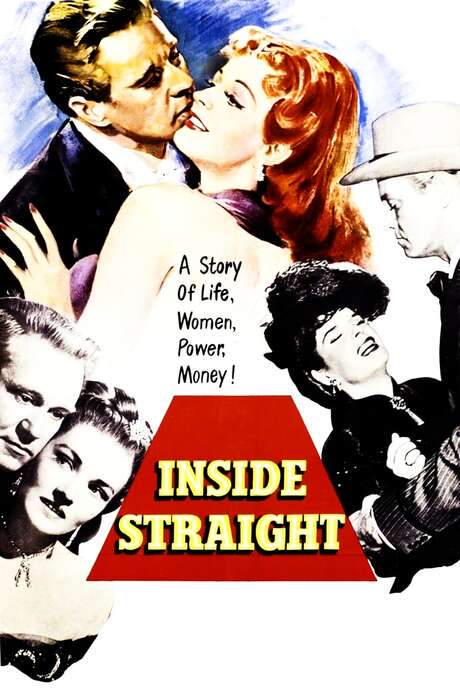
Films with a similar story, tone or audience, including Inside Out, Lost Inside and Inside Job.






Inside Out FAQ: Cast, Runtime & Release Date
Runtime, release date, cast and post-credit scenes of Inside Out, each answered in a sentence.
How long is Inside Out?
Inside Out runs 1 hour 27 minutes (87 minutes).
When was Inside Out released?
Inside Out was released on November 1, 1986.
Who is in the cast of Inside Out?
Inside Out stars Elliott Gould as Jimmy Morgan, Dana Elcar as Leo Gross and Jennifer Tilly as Amy, among 30 credited actors.
Does Inside Out have a post-credit scene?
No. Inside Out has no extra scene during or after the credits.
Coming soon to your phone
The Plot Explained Movie Summary App
From blockbusters to hidden gems: plot summaries, endings explained and timelines on your phone. Save your favorites and never miss a twist again.
Be the first to know when it launches. Your email stays private, always. Learn more about the app
