Human Highway 1982


When love and fate collide, the new proprietor of a rundown roadside diner in a town dominated by a perpetually leaking nuclear plant schemes to burn the building for the insurance payout. Yet his plans are thwarted by an eccentric cast of locals and surreal incidents, including inexplicable spaceships circling overhead.

Does Human Highway have end credit scenes?
No!
Human Highway does not have end credit scenes. You can leave when the credits roll.
Meet the Full Cast and Actors of Human Highway
Explore the complete cast of Human Highway, including both lead and supporting actors. Learn who plays each character, discover their past roles and achievements, and find out what makes this ensemble cast stand out in the world of film and television.
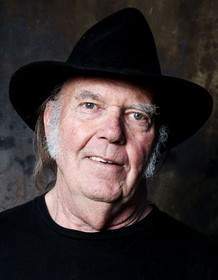
Neil Young
Lionel Switch / Frankie Fontaine

Charlotte Stewart
Charlotte Goodnight
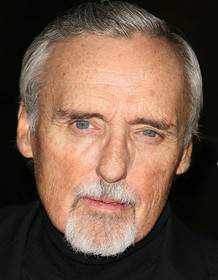
Dennis Hopper
Cracker / Stranger

Dean Stockwell
Otto Quartz

Elliot Roberts
Whitlow Kingsley
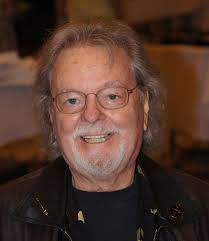
Russ Tamblyn
Fred Kelly
Kiel Martin
Construction Worker

Sally Kirkland
Kathryn
Pegi Young
Biker Girl
Geraldine Baron
Irene
Mickey Fox
Mrs. Robinson
Danny Tucker
Arthur
Fox Harris
Sheik
David Blue
Earl Duke
Kedric Wolfe
Construction Worker
Devo
Themselves
Robert Hilburn
Newspaper Reporter
Robert Mothersbaugh
Nuclear Garbageperson
Mark Mothersbaugh
Nuclear Garbageperson / Booji Boy
Gerald V. Casale
Nuclear Garbageperson
Bob Casale
Nuclear Garbageperson
Rocky Bonifield
Harem Girl (as Rocky Meyers)
Alan Myers
Nuclear Garbageperson
Trish Soodik
Secretary
Karen Jumper
Starlet
Yoko Arimiche
Yoko
Ron Denend
Construction Worker
John Herzog
Construction Worker
Marie Janisse
Construction Worker
Geri Barton
Harem Girl
Bambi Myers
Harem Girl
External Links and Streaming Options
Discover where to watch Human Highway online, including streaming platforms, rental options, and official sources. Compare reviews, ratings, and in-depth movie information across sites like IMDb, TMDb, Wikipedia or Letterboxd.





Take the Ultimate Human Highway Movie Quiz
Challenge your knowledge of Human Highway with this fun and interactive movie quiz. Test yourself on key plot points, iconic characters, hidden details, and memorable moments to see how well you really know the film.
Human Highway Quiz: Test your knowledge of the 1982 cult film Human Highway with these ten questions ranging from easy to challenging.
Which actor portrays the cheerful mechanic Lionel Switch?
Full Plot Summary and Ending Explained for Human Highway
Read the complete plot summary of Human Highway, including all major events, twists, and the full ending explained in detail. Explore key characters, themes, hidden meanings, and everything you need to understand the story from beginning to end.
On a quiet morning in a fictional town perched beside a buzzing nuclear power plant, a small gas station-diner hums with the ordinary rhythms of everyday life. The people inside go about their routines, unaware that it is the last day on Earth. Lionel Switch Neil Young is the garage’s cheerful, bumbling auto mechanic who harbors a stubborn dream of becoming a rock star. Nearby, Otto Quartz Dean Stockwell manages the failing business after his father’s death, weighing a drastic plan to fire staff in order to cash out on an insurance claim. The duo navigates a day filled with small desires, tense decisions, and a peculiar sense that something extraordinary is about to unfold.
As the morning unfolds, Otto announces his intention to fire an employee for lack of money, a decision that ignites tension. Kathryn Sally Kirkland, the waitress who serves the diner’s customers, rebels against the idea, throwing a dramatic tantrum and taking refuge in a booth while a wall photo of Otto’s father looks on. The moment is underscored by the melancholy strains of the jukebox playing The End of the World, a foreshadowing refrain that casts a quiet doubt over the characters’ choices. Irene Geraldine Baron overhears Otto’s plan and pushes to be part of the scheme, sealing her involvement with a bold kiss that signals her willingness to play by her own rules.
Meanwhile, Lionel’s longing for Charlotte Goodnight Charlotte Stewart forms a tender counterpoint to the day’s mounting absurdities. Charlotte, who quietly harbors a crush on the milkman Earl Duke David Blue, reveals a different set of aspirations—she’s drawn to the everyday magic of simple, ordinary connections. Earl enters the diner in the wake of an earthquake, dressed in white and with a playful flirtation that tests Lionel’s feelings, while a local Arab sheik offers him wealth in exchange for “whiteness,” adding a surreal, satirical sting to the scene. The gong of fate rings louder as a limousine pulls up and a famously glamorous figure, Frankie Fontaine Neil Young, steps out, embodying a life of opulence, opiates, and celebrity that feels both distant and dangerously intoxicating.
In a moment of meta-cinema bravura, Lionel learns that Frankie is in the limousine, and he declares, with a mix of awe and swagger, that “Now there’s a real human being!” The encounter pushes Lionel toward a fever dream that follows him backstage and then onto the desert highway of his imagination. The dream slides into a rock-star fantasy: Lionel becomes a full-blown performer with a backup band of wooden Indians, moving through a surreal tour that glides between performance and reverie. Irene tends to Lionel in this fantasy by giving him a symbolic milk bath, a tactile moment that blurs the line between dream and waking life. The dream becomes a sprawling odyssey as the entourage travels by trucks through a sun-scorched desert, while the wooden Indians vanish from the lineup, leaving Lionel to fend for himself in a world of shifting allegiances and strange, shifting loyalties.
The desert sequence crescendos with a performance of Goin’ Back, as the surviving Native Americans gather around a bonfire to burn the missing wooden Indians. The ritual energy of the scene drifts into a long, ecstatic studio jam—Hey, Hey, My, My—performed by Devo alongside Lionel’s project, a union of two very different creative energies that mirrors the film’s blend of satire and reverie.
When Lionel awakens, the world seems to reassemble itself into a familiar yet suddenly fragile tableau. Booji Boy announces the hour of sleep, and the town—all friends, coworkers, and dreamers—rallies to face the approaching catastrophe with a strange, unyielding optimism. The cast unfolds a choreographed version of Worried Man Blues, a communal ritual that transforms fear into a celebratory, almost ceremonial response to annihilation. The Earth glows with radioactive light as the performers ascend a stairway to heaven, their ascent underscored by harp music that lends a sense of sacramental finality to the moment.
In the end, the film returns to the paradox at its core: a last-day myth that plays out as a kaleidoscopic celebration of art, friendship, and survival. Booji Boy Mark Mothersbaugh is revealed as the lone survivor among the wreckage, a wry, cynical voice that punctuates the credits and then dissolves into the present. The nuclear waste—a central, recurring image—gets normalized by the film’s exuberant performances and its willingness to turn catastrophe into a communal, almost festive ritual. The town’s people, and the performers who inhabit their world, keep dancing as the sky glows with the radioactive light of a world ending, a finale that refuses despair even as it acknowledges catastrophe.
The seams of the narrative are threaded by a chorus of unforgettable characters and performers, from Lionel Switch’s hopeful bravado to Otto Quartz’s pragmatic bravado, from Charlotte Goodnight’s quiet longing to the zany, fearless energy of Frankie Fontaine’s glamour. The film uses musical interludes, dreamlike sequences, and a satirical gaze at media, industry, and power to render a day that feels both intimate and mythic. It is a story about making meaning at the edge of oblivion, about choosing to celebrate life and art even as the world—literally—burns around you. And it leaves the viewer with a lingering sense of wonder: that even on the last day, human connection, music, and a little bit of absurd joy can endure.

Coming soon on iOS and Android
The Plot Explained Mobile App
From blockbusters to hidden gems — dive into movie stories anytime, anywhere. Save your favorites, discover plots faster, and never miss a twist again.
Sign up to be the first to know when we launch. Your email stays private — always.
Explore the mobile appDiscover Film Music Concerts Near You – Live Orchestras Performing Iconic Movie Soundtracks
Immerse yourself in the magic of cinema with live orchestral performances of your favorite film scores. From sweeping Hollywood blockbusters and animated classics to epic fantasy soundtracks, our curated listings connect you to upcoming film music events worldwide.
Explore concert film screenings paired with full orchestra concerts, read detailed event information, and secure your tickets for unforgettable evenings celebrating legendary composers like John Williams, Hans Zimmer, and more.


Cars Featured in Human Highway
Explore all cars featured in Human Highway, including their makes, models, scenes they appear in, and their significance to the plot. A must-read for car enthusiasts and movie buffs alike.
Human Highway Themes and Keywords
Discover the central themes, ideas, and keywords that define the movie’s story, tone, and message. Analyze the film’s deeper meanings, genre influences, and recurring concepts.
Human Highway Other Names and Titles
Explore the various alternative titles, translations, and other names used for Human Highway across different regions and languages. Understand how the film is marketed and recognized worldwide.
Similar Movies To Human Highway You Should Know About
Browse a curated list of movies similar in genre, tone, characters, or story structure. Discover new titles like the one you're watching, perfect for fans of related plots, vibes, or cinematic styles.


Quick Links: Summary, Cast, Ratings, More

What's After the Movie?
Not sure whether to stay after the credits? Find out!
Check out our other apps:

SAT Sphere
Build confidence for the Digital SAT.

Mori Atlas
Discover wild places worth protecting.

Luntero
Search smarter for a home in Amsterdam.

Plot Explained
Unravel movie endings and hidden clues.

Pokechamp
Dive into Pokémon data and battle logic.

Driving Theory
Get ready for your European theory test.

Movie Dust
Plan your next cinema trip with ease.

Musemap
Find art and culture as you travel.

Selkobase
Compare credentials before committing.

Local Manual
Turn an unfamiliar country into practical next steps.

Lernavi
Compare school systems before your next move.

GymRoam
Find a workout stop wherever your plans take you.
Explore Our Movie Platform
New Movie Releases (2026)
Famous Movie Actors
Top Film Production Studios
Movie Plot Summaries & Endings
Major Movie Awards & Winners
Best Concert Films & Music Documentaries
Movie Collections and Curated Lists
© 2026 What's After the Movie. All rights reserved.
Privacy Policy