
Humane (2024): Cast, Ratings, Box Office & Ending
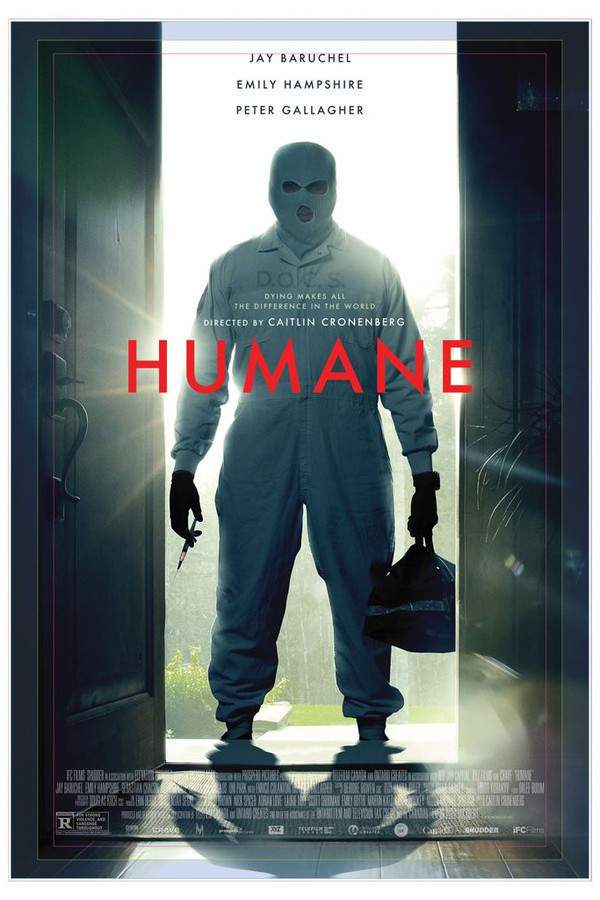
Humane is a 2024 horror thriller directed by Caitlin Cronenberg, starring Peter Gallagher as Charles York, Jay Baruchel and Uni Park. It runs 1 hour 33 minutes and earned $44,509 worldwide. Critics gave it 70% on Rotten Tomatoes and 59 on Metacritic, and IMDb users rate it 5.5/10.
- Released
- Runtime
- 1h 33m (93 min)
- Director
- Caitlin Cronenberg
- Original language
-
 English
 - Studio
- Victory Man Productions
- After the credits
- No No extra scene
What Is Humane About?
The premise of Humane without spoilers. The whole story and the ending explained are in the plot summary further down.
With Earth facing potential collapse, governments enact extreme measures to try and prevent widespread chaos. As humanity struggles for survival, desperation and terror grip the world in this unsettling portrayal of a society pushed to its limits.
Humane Themes & Keywords
· 50 tags- apocalypse
- one word title
- population control
- umbrellas
- coffee
- movers
- husband wife relationship
- family relationships
- mother daughter relationship
- interracial marriage
- knife
- cutting up a fish
+38 more Show fewer
- stepmother stepson relationship
- father daughter relationship
- ginger
- grandfather granddaughter relationship
- video call
- helicopter
- interracial couple
- family reunion
- cooking
- walking with a cane
- aunt niece relationship
- facial scar
- uncle niece relationship
- enlist
- father son relationship
- adopted son
- adoptive father adopted son relationship
- adopted brother adopted brother relationship
- adopted brother adopted sister relationship
- addict
- social media
- adopted brother
- playing the piano
- sunlight
- rich family
- reference to james earl jones
- punched in the face
- yelling
- bloody nose
- playing cards
- blood
- popcorn
- brother sister relationship
- stapled
- sister sister relationship
- siblings attack adopted brother
- fork in neck
- slapping oneself
Humane Cast & Characters
Peter Gallagher leads the cast as Charles York, with Jay Baruchel as Jared York and Uni Park as Dawn Kim. Directed by Caitlin Cronenberg; 19 actors are credited in all.
- Director Caitlin Cronenberg
-
 Peter Gallagher as Charles York
 -
 Jay Baruchel as Jared York
 - Uni Park as Dawn Kim
- Natalia Gracious as Sanjit's wife
Also Starring in Humane
· 15 more- Emily Hampshire Rachel York
- Alanna Bale Ashley York
- Dani Kind Beth
- Sebastian Chacon Noah York
- Sirena Gulamgaus Mia York
- Enrico Colantoni Bob
- Blessing Adedijo Grace
- Colm Feore Secretary-General of the U.N.
- Martin Roach Tony
- Yanna McIntosh Political Commentator
- Lisa Berry Newscaster
- Joel Gagne Yusef
- Eadie Murphy Young Girl
- Tara Spencer-Nairn Enid
- Franckie Francois Malik
Humane Reviews & Ratings
Critics gave Humane 70% on Rotten Tomatoes and 59 on Metacritic, and IMDb users rate it 5.5/10. Our Echo Score gives it 63/100, strongest in art & craft (75) and weakest in character & emotion (50).
Humane Echo Score Breakdown
Humane presents a mixed picture, with its modestly effective direction and visual design earning praise, while its narrative and character work draw notable criticism. Critics acknowledge the film's tension and economical production, yet many point to an underdeveloped concept and limited emotional investment. Audience reactions echo this split, highlighting an intriguing premise and occasional suspenseful moments but also a disjointed plot and unlikable characters. The overall impression is one of a competent genre piece that falls short of deeper impact.
Our own 0–100 rating, built from five aspects: art, character, story, the sensory experience and how well a film rewatches.
- Art & Craft 75
In terms of direction and visual craftsmanship, the film is generally regarded as competent. Reviewers note a dynamic, modestly budgeted direction, an organized visual style, and effective use of body‑horror motifs. The production design and editing receive recognition for supporting the thriller atmosphere. However, a few critics describe the visual approach as steady yet uninspired, tempering the overall impression of artistic excellence.
- Character & Emotion 50
When it comes to character depth and emotional resonance, responses are largely lukewarm. Critics comment that the audience is never given sufficient reason to care about the protagonists, and characters are described as lacking humanity. User feedback frequently mentions unlikable or poorly written personalities and weak dialogue. A few reviewers do commend isolated performances, but the prevailing view is that character work remains underdeveloped.
- Story & Flow 58
The narrative structure receives mixed assessments. Some critics praise the clever script and twist‑laden plot, while others criticize the underbaked concept and uneven pacing, especially in the second act. Users describe the first half as slow and politically heavy, yet acknowledge a more engaging latter half with surprising turns. Overall, the story is seen as moderately engaging but hindered by coherence and originality issues.
- Sensory Experience 70
Sensory elements such as sound design and visual style are generally viewed positively. Reviewers highlight effective tension building, a distinctive color palette, and fitting sound cues that enhance the thriller mood. The film’s score and auditory details receive limited criticism, suggesting that the sensory experience reliably supports the on‑screen action, even if it does not significantly elevate the material.
- Rewatch Factor 60
Rewatch value is assessed as moderate. While the film offers occasional suspense, memorable twists, and a novel dystopian premise that can attract a second viewing, many reviewers note that plot inconsistencies and character flaws limit long‑term appeal. Some audience members enjoy it as a 'so‑bad‑it’s‑good' experience, indicating that repeat viewings may occur for curiosity rather than genuine appreciation.
-
 IMDb
IMDb 5.5 /10
9592 votes
See on IMDb -
 Rotten Tomatoes
 70% Tomatometer
Popcornmeter 42%
See on Rotten Tomatoes -
 Metacritic
 59 Metascore
User score 4.5
See on Metacritic -
 TMDB
TMDB 54% User score
See on TMDB -
 Letterboxd
 2.6 /5
29538 ratings
See on Letterboxd
Humane Plot Summary & Ending Explained
What happens in Humane from start to finish, spoilers included, with a timeline of 12 key events and the ending explained. The opening is below; the full summary is a 4-minute read.
Spoilers ahead
Charles York, Peter Gallagher summons his four adult children to a tense dinner at his home, where his second wife, celebrity chef Dawn Kim Uni Park, also sits under the same roof. The assembled family includes Jared York, an outspoken anthropologist Jay Baruchel; Rachel York, a controversial pharmaceutical CEO Emily Hampshire; Ashley York, a struggling actress Dani Kind; Noah York, a recovering addict with a volatile edge Sebastian Chacon; and Rachel’s young daughter Mia Sirena Gulamgaus. What begins as a dinner meant to bridge generations quickly spirals into a confrontation about a society-wide crisis: an environmental collapse that has driven governments to embrace voluntary and coerced euthanasia as a population-control measure.
Full summary
The whole story of Humane, scene by scene, with the ending explained
Humane Box Office
Humane grossed $44,509 worldwide.
Worldwide gross
$44.5K
- US & Canada
- $44.5K
Humane Trailers & Videos
3 videos: 1 trailer, 1 clip and 1 featurette.
- Clip Official Clip "A Second Body"
- Featurette Interview with Caitlin Cronenberg
How Well Do You Know Humane?
10 questions about the story, each with a hint if you get stuck. Pick an answer to see whether you were right.
Question 1 of 10
- Question 1: not answered
- Question 2: not answered
- Question 3: not answered
- Question 4: not answered
- Question 5: not answered
- Question 6: not answered
- Question 7: not answered
- Question 8: not answered
- Question 9: not answered
- Question 10: not answered
Who is the former news broadcaster who summons his children to dinner?
Humane Also Known As
9 alternative titles, including “人道” and “휴메인, ჰუმანური”.
- Also known as
-
- 人道
- 휴메인, ჰუმანური
- Nhân Loại Sống Còn
- Humanité
- Гуманный метод
- Гуманний
- Žmogiškumas
- Humain
- นี่นะเหรอ...มนุษยธรรม
Seen Humane?
Movies Like Humane
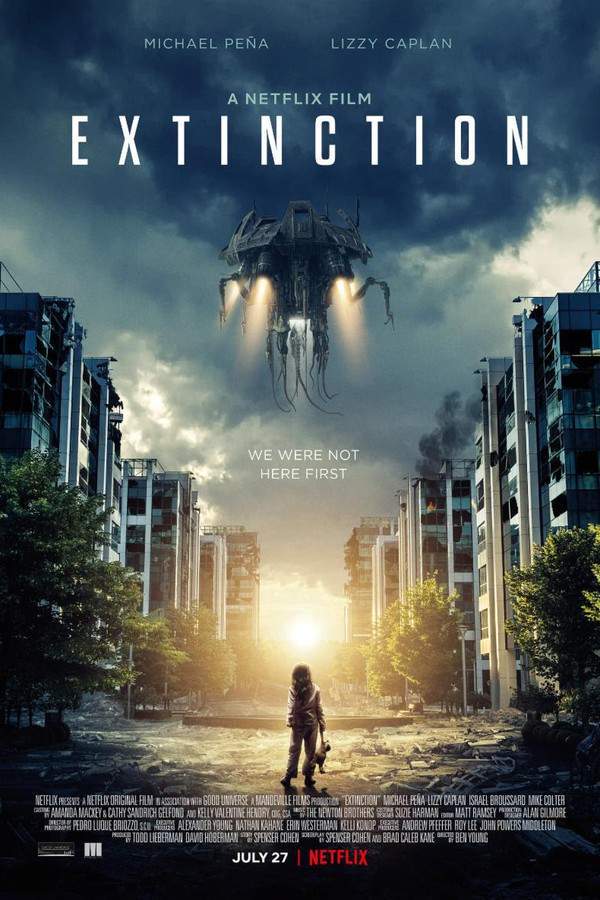
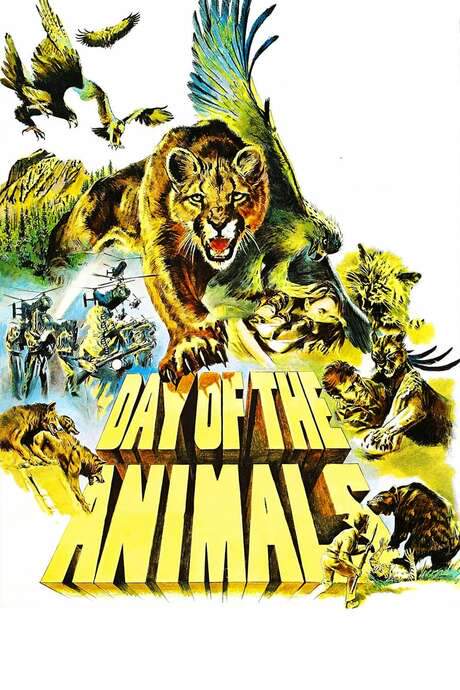
Films with a similar story, tone or audience, including Extinction, The Human Race and Day of the Animals.





Humane FAQ: Cast, Box Office & Runtime
Runtime, release date, director, cast, box office, ratings and post-credit scenes of Humane, each answered in a sentence.
How long is Humane?
Humane runs 1 hour 33 minutes (93 minutes).
When was Humane released?
Humane was released on April 26, 2024.
Who directed Humane?
Humane was directed by Caitlin Cronenberg.
More films by Caitlin Cronenberg Who is in the cast of Humane?
Humane stars Peter Gallagher as Charles York, Jay Baruchel as Jared York and Uni Park as Dawn Kim, among 19 credited actors.
How much did Humane make at the box office?
Humane grossed $44,509 worldwide.
How is Humane rated?
Humane has 5.5/10 on IMDb, 70% on Rotten Tomatoes, 59 on Metacritic and 54% on TMDB.
Does Humane have a post-credit scene?
No. Humane has no extra scene during or after the credits.
Coming soon to your phone
The Plot Explained Movie Summary App
From blockbusters to hidden gems: plot summaries, endings explained and timelines on your phone. Save your favorites and never miss a twist again.
Be the first to know when it launches. Your email stays private, always. Learn more about the app
