High-Ballin’ 1978

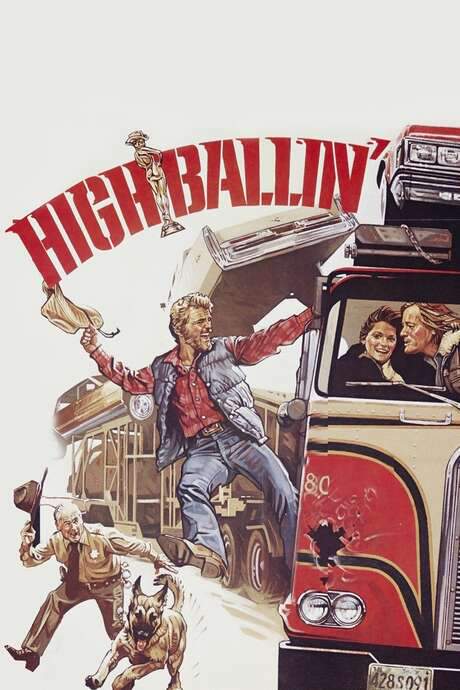
Targeted hijackings threaten independent trucking, prompting rig driver “Iron” Duke and his friend Rane to take matters into their own hands. Their vigilante scheme puts them against powerful trucker boss King Carroll and his henchmen, who are driving competitors out of the business.


Does High-Ballin’ have end credit scenes?
No!
High-Ballin’ does not have end credit scenes. You can leave when the credits roll.
Where to Watch High-Ballin’
See current US streaming, rental, and purchase options for High-Ballin’ (1978) via JustWatch.








Meet the Full Cast and Actors of High-Ballin’
Explore the complete cast of High-Ballin’, including both lead and supporting actors. Learn who plays each character, discover their past roles and achievements, and find out what makes this ensemble cast stand out in the world of film and television.
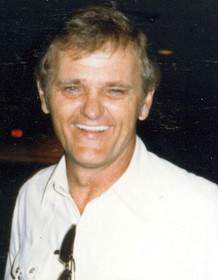
Jerry Reed
Duke
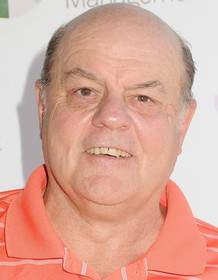
Michael Ironside
Butch
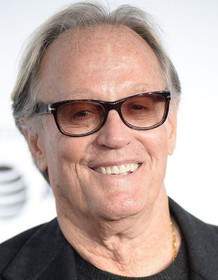
Peter Fonda
Rane
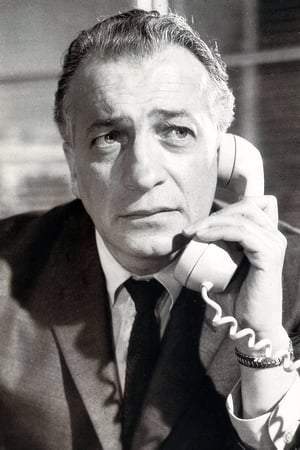
Cec Linder
Policeman

Harvey Atkin
Buzz
Helen Shaver
Pickup
David Ferry
Harvey
George Buza
Warehouseman
Len Doncheff
Decal
Chris Wiggins
King Caroll
Steve Weston
Sundown
Leslie Carlson
Bud
Wendy Thatcher
Hijacker
Mary Pirie
Vonetta
Mike Hogan
Reggie
Kay Hawtrey
Ma
Chris Langevin
Tanker
Myrna Lorrie
Country Singer
Sherri Ross
Waitress
External Links and Streaming Options
Discover where to watch High-Ballin’ online, including streaming platforms, rental options, and official sources. Compare reviews, ratings, and in-depth movie information across sites like IMDb, TMDb, Wikipedia or Letterboxd.




Full Plot Summary and Ending Explained for High-Ballin’
Read the complete plot summary of High-Ballin’, including all major events, twists, and the full ending explained in detail. Explore key characters, themes, hidden meanings, and everything you need to understand the story from beginning to end.
Duke Jerry Reed is an independent trucker who refuses to bow to the ruthless pressure of the local trucker boss, King Caroll Chris Wiggins, and his gang led by his partner, a figure named Harvey David Ferry. Facing intimidation and drive-by tactics aimed at driving independents out of business, Duke holds his ground while the road becomes a battleground for a wider stand of solidarity among other drivers.
When Duke’s old friend Rane Peter Fonda rolls into town, the two men team up to bolster Duke’s resistance. Rane brings a calm, practical sense to the mounting crisis, and he quickly becomes more than just a visitor—he acts as a catalyst who rallies the other truckers to imagine a coordinated pushback against the extortion. A bold scheme takes shape: haul a load of illegal liquor to a lumber camp, a plan meant to secure enough leverage for the independents to resist the bosses’ pressure and to show that they won’t be pushed around any longer. The boldness of the plan echoes the film’s blunt, frontier-like spirit, where risk is part of the road and comradeship is forged in the act of standing up to power.
Pickup Helen Shaver emerges as a crucial ally in this harsh landscape, one of the few female drivers in a male-dominated world who understands the stakes and the courage required to challenge the status quo. The alliance among these drivers grows from mutual need to mutual trust, as they organize, share information, and prepare for the inevitable confrontations with King Caroll’s faction.
Tragedy arrives when Duke is shot, and the mobilization intended to push back against the bosses intensifies into a direct confrontation. In a brutal turn, Pickup is kidnapped by Harvey, who embodies the brutal enforcement wing of the boss’s operation. The tension tightens as the action moves back to the heart of King Caroll’s operation, where Harvey asserts control by overpowering Pickup and, when King Caroll interferes, firing a fatal shot in front of his men.
The ensuing showdown sees the truckers converge on the headquarters, a physical assault that blends grit with a raw, almost western-influenced rhythm. Harvey drives off with Pickup, and Rane gives chase, leading to a climactic duel in which Rane and Harvey confront each other in a tense, high-stakes shootout. In the end, Rane’s shot ends Harvey’s threat, and he reaches out to Pickup, a moment of relief and resolve after the long, exhausting fight. The journey ends with Rane driving away in Pickup’s truck, a symbolic passing of the torch and a quiet promise of ongoing resistance.
The film has often been described as a modern-day western, with trucks standing in for horses, a framing that underscores the stark, open-road atmosphere and the code of honor among the drivers. As one observer noted, the movie can be summarized with a blend of action and grit: “Pow, crash, screw, fight, collide, punch, slam, crash, screw.” That blend of blunt force and stubborn nerves captures the film’s pulsing energy and its celebration of working-class solidarity.
Although the story unfolds as if set in the United States, the film’s visual texture nods to a Canadian setting—the CN Tower makes a background appearance during the climactic sequence, and many vehicles proudly carry Ontario plates. This detail grounds the movie in a real, recognizable landscape, even as it borrows the mythic cadence of a western: a group of underdog truckers taking a stand, risking everything to protect their livelihoods and each other.
In the end, the arc is one of liberation through collective action: the newer generation of independent drivers shows that unity can challenge even the most entrenched intimidation, and a future on the road can belong to those who refuse to yield. The film’s blend of tough dialogue, kinetic road sequences, and a lean, muscular sense of justice creates a durable portrait of peopled grit and stubborn hope on the long highway.

Coming soon on iOS and Android
The Plot Explained Mobile App
From blockbusters to hidden gems — dive into movie stories anytime, anywhere. Save your favorites, discover plots faster, and never miss a twist again.
Sign up to be the first to know when we launch. Your email stays private — always.
Explore the mobile appWatch Trailers, Clips & Behind-the-Scenes for High-Ballin’
Watch official trailers, exclusive clips, cast interviews, and behind-the-scenes footage from High-Ballin’. Dive deeper into the making of the film, its standout moments, and key production insights.
Cars Featured in High-Ballin’
Explore all cars featured in High-Ballin’, including their makes, models, scenes they appear in, and their significance to the plot. A must-read for car enthusiasts and movie buffs alike.
High-Ballin’ Themes and Keywords
Discover the central themes, ideas, and keywords that define the movie’s story, tone, and message. Analyze the film’s deeper meanings, genre influences, and recurring concepts.
High-Ballin’ Other Names and Titles
Explore the various alternative titles, translations, and other names used for High-Ballin’ across different regions and languages. Understand how the film is marketed and recognized worldwide.
Similar Movies To High-Ballin’ You Should Know About
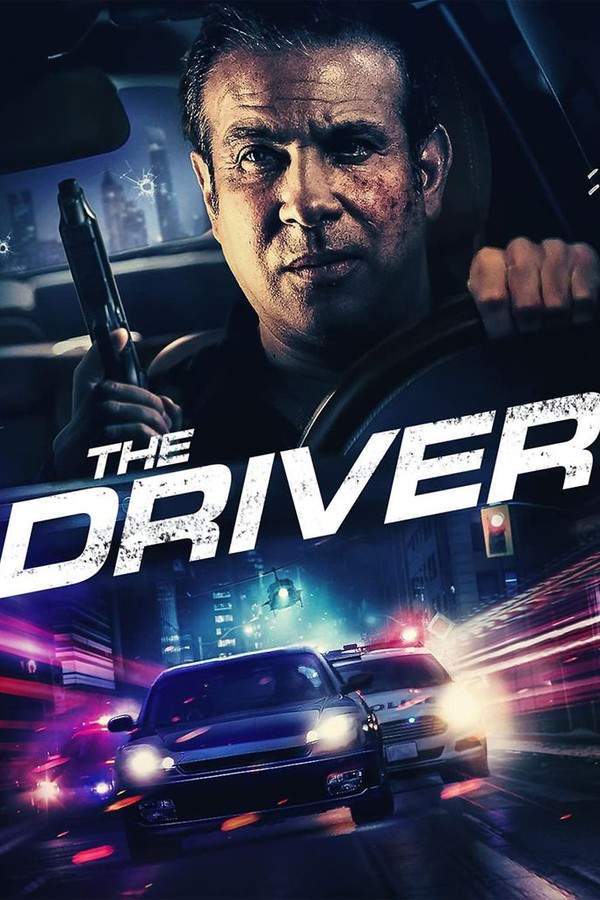
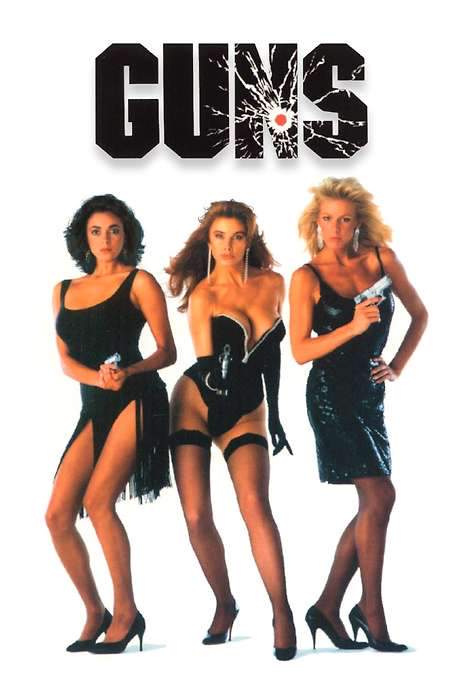
Browse a curated list of movies similar in genre, tone, characters, or story structure. Discover new titles like the one you're watching, perfect for fans of related plots, vibes, or cinematic styles.





Quick Links: Summary, Cast, Ratings, More

What's After the Movie?
Not sure whether to stay after the credits? Find out!
Check out our other apps:

SAT Sphere
Build confidence for the Digital SAT.

Mori Atlas
Discover wild places worth protecting.

Luntero
Search smarter for a home in Amsterdam.

Plot Explained
Unravel movie endings and hidden clues.

Pokechamp
Dive into Pokémon data and battle logic.

Driving Theory
Get ready for your European theory test.

Movie Dust
Plan your next cinema trip with ease.

Musemap
Find art and culture as you travel.

Selkobase
Compare credentials before committing.

Local Manual
Turn an unfamiliar country into practical next steps.

Lernavi
Compare school systems before your next move.

GymRoam
Find a workout stop wherever your plans take you.
Explore Our Movie Platform
New Movie Releases (2026)
Famous Movie Actors
Top Film Production Studios
Movie Plot Summaries & Endings
Major Movie Awards & Winners
Best Concert Films & Music Documentaries
Movie Collections and Curated Lists
© 2026 What's After the Movie. All rights reserved.
Privacy Policy