Hell’s Kitchen 1939


A paroled convict takes a job at a boys' reform school, determined to clean up the corrupt environment. His attempts to raise standards alarm the warden, who has been siphoning school funds. The warden devises a scheme to sabotage the convict’s reforms, framing him for crimes and imposing a crackdown on the inmates to hide his embezzlement.


Does Hell’s Kitchen have end credit scenes?
No!
Hell’s Kitchen does not have end credit scenes. You can leave when the credits roll.
Meet the Full Cast and Actors of Hell’s Kitchen
Explore the complete cast of Hell’s Kitchen, including both lead and supporting actors. Learn who plays each character, discover their past roles and achievements, and find out what makes this ensemble cast stand out in the world of film and television.
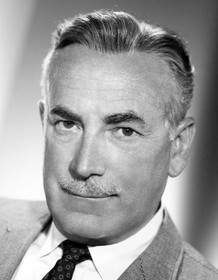
Raymond Bailey
Whitey
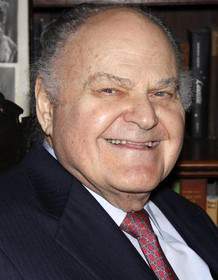
George Irving
Judge

Ronald Reagan
Jim Donahue

Stanley Fields
Buck Caesar
Grant Mitchell
Hiram Krispan
Huntz Hall
Bingo
Clem Bevans
Mr. Quill
George O'Hanlon
Usher (uncredited)
Gabriel Dell
Ace
Larry Nunn
One of the Young Boys (uncredited)
Vera Lewis
Sarah Krispan
Tom Wilson
Guard (uncredited)
Lee Phelps
Bailiff (uncredited)
Leo Gorcey
Gyp Haller
Bernard Punsly
Ouch
Stuart Holmes
Man in Judge's Hockey Game Box (uncredited)
Jack Mower
Detective Escort (uncredited)
George Offerman, Jr.
Jury Foreman (uncredited)
Ruth Robinson
Margaret Chandler (uncredited)
Dick Rich
Guard (uncredited)
Charles Sullivan
Henchman (uncredited)
Margaret Lindsay
Beth Avery
Jack Wise
Man in Line (uncredited)
Sol Gorss
Sweet Al - a Henchman (uncredited)
Louis Natheaux
Man in Nick's Office (uncredited)
Jack Kenney
Pants - a Henchman (uncredited)
Billy Halop
Tony Marco
Cliff Saum
Guard (uncredited)
Robert Homans
Hardy
Bobby Jordan
Joel "Joey" Richards
Arthur Loft
Elmer Krispan
Joe Devlin
Nails - a Henchman (uncredited)
Jack Gardner
Henchman (uncredited)
Jimmie Lucas
Roll Mop (uncredited)
Lottie Williams
Mrs. Williams (uncredited)
Frederic Tozere
Mike Garvey
Ernie Stanton
Nick (uncredited)
Frankie Burke
Soap
Max Hoffman Jr.
Gladstone Coach (uncredited)
Reid Kilpatrick
Radio Announcer at Hockey Game (uncredited)
Charley Foy
Floogie
Al Lloyd
Extra at Hockey Game (uncredited)
George Noisom
George Norris - Witness at Trial (uncredited)
Ila Rhodes
Maizie
External Links and Streaming Options
Discover where to watch Hell’s Kitchen online, including streaming platforms, rental options, and official sources. Compare reviews, ratings, and in-depth movie information across sites like IMDb, TMDb, Wikipedia or JustWatch.





Take the Ultimate Hell’s Kitchen Movie Quiz
Challenge your knowledge of Hell’s Kitchen with this fun and interactive movie quiz. Test yourself on key plot points, iconic characters, hidden details, and memorable moments to see how well you really know the film.
Hell’s Kitchen (1939) Quiz: Test your knowledge of the 1939 film *Hell’s Kitchen*, covering its characters, plot twists, and key themes.
Who plays the paroled convict Buck Caesar?
Full Plot Summary and Ending Explained for Hell’s Kitchen
Read the complete plot summary of Hell’s Kitchen, including all major events, twists, and the full ending explained in detail. Explore key characters, themes, hidden meanings, and everything you need to understand the story from beginning to end.
Buck Caesar, played by Stanley Fields, is a paroled convict who seeks to make a positive contribution to a shelter for teenage reform school parolees, following a nudge from his nephew, Jim Donahue, a lawyer Ronald Reagan. Jim believes that helping the boys could be good for public relations and, more importantly, for giving Buck a chance at a steadier path. The shelter’s day-to-day life unfolds under the watch of Krispan, a stern administrator whose grip on the place and its funds feels almost like sainthood until the boy’s reality starts to unravel. Into this tense mix enters Beth Avery, one of the shelter’s teachers, whose presence and care becomes a spark for the boys’ sense of possibility.
Early on, Beth and a group of the residents—Tony, Gyp, Joey, Bingo, Ace, Soap, and Ouch—slip out for a day in town, a rogue impulse that sets off a chain of crises. When they’re caught returning, Krispan calls Tony into his office and threatens harsh punishment, including locking Joey, the sickest boy in the group, in the freezer for coming up with the idea to sneak away. Tony insists it was his own plan, and the fury that follows exposes the harsh, punitive underbelly of the shelter. Joey manages to release Tony in the middle of the night, and Tony soon disappears, leaving the others to wonder what happened next.
Buck and Jim visit the reform school, where they witness Beth’s dismissal after the trouble erupts. Tony reveals that Krispan isn’t the kind, gentle man he pretends to be; he abuses the boys, starves them, and uses the freezer as a weapon. Some of the boys even express that life back at the reform school seems preferable to the shelter’s rough care. This revelation becomes Buck’s turning point: he resolves to take charge, with Beth and Jim backing him. The shelter is reshaped into a more hopeful terrain, a “Boy’s Town,” with Tony serving as Mayor and Gyp as Chief of Police, while Jim contributes by organizing a hockey team to channel the boys’ energy into something disciplined and communal.
Yet Krispan refuses to fade quietly. He secretly keeps two financial ledgers—one legitimate and one hidden—and, feeling threatened by the new regime, he pushes to regain control. He bankrolls a professional hockey squad with Mike Garvey, a former associate of Buck’s, to outplay the shelter’s team and to sabotage the reform effort by betting against them. Buck discovers the swindle, confronts Garvey, and, in a moment of swagger that violates the parole terms he has sworn to honor, knocks Garvey onto the ice. Garvey winds up in the hospital, and Buck is forced to vanish to avoid arrest, even as Krispan reasserts his authority over the shelter.
Krispan’s punishment of the boys escalates. He locks Joey back in the freezer and even tries to shoot the shelter’s dog. The animal retrieves Krispan’s gun, and the dog’s escape becomes a macabre signal of the cruelty behind the façade. Joey dies from the freezer ordeal, and Krispan, realizing the severity of what he’s done, tries to bury Joey in his own private plot to erase the crime. The funeral scene becomes a catalyst for a broader revolt: Ace, Gyp, and Tony rally the other boys to take action, and Beth and Jim race to intervene.
A bold, improvised courtroom forms within the shelter’s administration building. Soap, as prosecutor, and Tony, acting as judge, lead the proceedings as the boys convene a trial. Krispan is found guilty of murder, and the boys prepare to bury him alive as the ultimate form of justice. Krispan escapes to the barn, which is set aflame by Gyp in a desperate bid to keep him from fleeing. The pursuing club of boys corners him, crashing him into a tree and assaulting him further. Buck arrives to remind the boys of the rule of law, guiding them to extinguish the fire and let the authorities handle the rest.
In the aftermath, the group holds a celebratory dinner in which Buck announces that Krispan has been dealt with through proper channels, and that Beth and Jim will continue to run the shelter in Buck’s absence while he faces the consequences of his own crime. He confesses that he chose to step away because he cared about the boys and didn’t want them to become like him. As the boys and their mentors sing Auld Lang Syne, Buck steps out to meet a waiting policeman who will take him away for parole violation—an ending that underscores the film’s enduring themes: reform, responsibility, and the fragile path from trouble to redemption.
- The cast threads through the story with a cast of vivid, sometimes larger-than-life figures, from the reform-minded teachers and the eager, sometimes reckless youths to Krispan’s stubborn, punitive authority and the new town’s hopeful experimentation.
- The mood balances grit and warmth, showing how shared work, sport, and a sense of community can transform a troubled facility into something resembling a real, caring community.
- The film’s emotional pulse comes from the contrast between Buck’s uneasy breach of his parole and his genuine concern for the boys’ futures, as well as from Krispan’s chilling abuse and the boys’ awakening to a voice of collective justice.
This story uses its hard-edged premise to explore questions about accountability, redemption, and the power of community-led care, while still delivering the momentum of a fast-paced, boys-against-the-world narrative. The pivotal moments—Beth’s advocacy, Buck’s leadership, the boys’ revolt, the improvised courtroom, and the final, bittersweet surrender—are tied together by a shared belief that youth deserve structure, dignity, and hope, even in the most challenging circumstances.

Coming soon on iOS and Android
The Plot Explained Mobile App
From blockbusters to hidden gems — dive into movie stories anytime, anywhere. Save your favorites, discover plots faster, and never miss a twist again.
Sign up to be the first to know when we launch. Your email stays private — always.
Explore the mobile appDiscover Film Music Concerts Near You – Live Orchestras Performing Iconic Movie Soundtracks
Immerse yourself in the magic of cinema with live orchestral performances of your favorite film scores. From sweeping Hollywood blockbusters and animated classics to epic fantasy soundtracks, our curated listings connect you to upcoming film music events worldwide.
Explore concert film screenings paired with full orchestra concerts, read detailed event information, and secure your tickets for unforgettable evenings celebrating legendary composers like John Williams, Hans Zimmer, and more.


Hell’s Kitchen Themes and Keywords
Discover the central themes, ideas, and keywords that define the movie’s story, tone, and message. Analyze the film’s deeper meanings, genre influences, and recurring concepts.
Hell’s Kitchen Other Names and Titles
Explore the various alternative titles, translations, and other names used for Hell’s Kitchen across different regions and languages. Understand how the film is marketed and recognized worldwide.
Similar Movies To Hell’s Kitchen You Should Know About
Browse a curated list of movies similar in genre, tone, characters, or story structure. Discover new titles like the one you're watching, perfect for fans of related plots, vibes, or cinematic styles.



Quick Links: Summary, Cast, Ratings, More

What's After the Movie?
Not sure whether to stay after the credits? Find out!
Check out our other apps:

SAT Sphere
Build confidence for the Digital SAT.

Mori Atlas
Discover wild places worth protecting.

Luntero
Search smarter for a home in Amsterdam.

Plot Explained
Unravel movie endings and hidden clues.

Pokechamp
Dive into Pokémon data and battle logic.

Driving Theory
Get ready for your European theory test.

Movie Dust
Plan your next cinema trip with ease.

Musemap
Find art and culture as you travel.

Selkobase
Compare credentials before committing.

Local Manual
Turn an unfamiliar country into practical next steps.

Lernavi
Compare school systems before your next move.

GymRoam
Find a workout stop wherever your plans take you.
Explore Our Movie Platform
New Movie Releases (2026)
Famous Movie Actors
Top Film Production Studios
Movie Plot Summaries & Endings
Major Movie Awards & Winners
Best Concert Films & Music Documentaries
Movie Collections and Curated Lists
© 2026 What's After the Movie. All rights reserved.
Privacy Policy