Female Prisoner Scorpion: Jailhouse 41 1972


Since 1972, the series has been slicing through patriarchy. After being used and betrayed by the detective she loved, young Matsu is transferred to a harsh women’s prison ruled by sadistic guards and defiant inmates, forcing her to confront brutal authority and survive the hostile environment.


Does Female Prisoner Scorpion: Jailhouse 41 have end credit scenes?
No!
Female Prisoner Scorpion: Jailhouse 41 does not have end credit scenes. You can leave when the credits roll.
Where to Watch Female Prisoner Scorpion: Jailhouse 41
See current US streaming, rental, and purchase options for Female Prisoner Scorpion: Jailhouse 41 (1972) via JustWatch.








Meet the Full Cast and Actors of Female Prisoner Scorpion: Jailhouse 41
Explore the complete cast of Female Prisoner Scorpion: Jailhouse 41, including both lead and supporting actors. Learn who plays each character, discover their past roles and achievements, and find out what makes this ensemble cast stand out in the world of film and television.
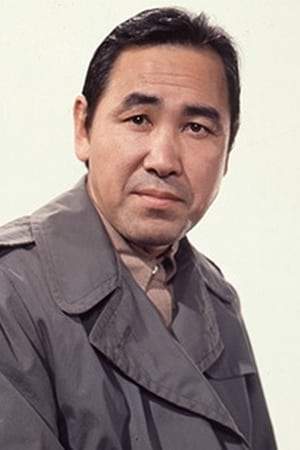
Hideo Murota
Okizaki

Meiko Kaji
Nami Matsushima
Kai Ato
Ogata
Nenji Kobayashi
The Young Man
Kayoko Shiraishi
Oba
Hiroko Isayama
Asako Noda
Shinzō Hotta
Furuya
Hiroshi Hasegawa
Chū Takatsuki
The Young Man
Gōzō Sōma
Policeman
Hōsei Komatsu
Tsuji
Midori Yamamoto
Sayoko Tanimoto
Sakae Yamaura
Chikara Gonoue
Kyōichi Satō
Tadokoro
Yukie Kagawa
Haru
Fumio Watanabe
Inspector Goda
Osamu Kimura
Reiko Kasahara
The Young Woman
Rokkō Toura
Ministry of Justice Officer
Koji Miemachi
Jirō Sagawa
Kengo Miyaji
Inamura
Hisako Yaohara
Toshie Kokabu
Kuniko Ishii
Rose Miyako
Yuki Aresa
Kimiyo Oikawa
Fudeko Tanaka
The Old Woman
Akira Kuji
Osamu Yamanouchi
Koichi Yamada
Hiroshi Date
Jun Aida
Shinobu Miura
The Member of Tokyo District
Hiroshi Hayashi
Ochiai
Mitsuo Andō
Torii
Kiyome Takemura
Eiko Yanami
Harue Wagatsuma
Sakae Itami
Takayuki Koide
Hideko Konoe
Kaoru Sono
Masumi Nadachi
Matsujirô Iwai
Shigeru Yokoyama
External Links and Streaming Options
Discover where to watch Female Prisoner Scorpion: Jailhouse 41 online, including streaming platforms, rental options, and official sources. Compare reviews, ratings, and in-depth movie information across sites like IMDb, TMDb, Wikipedia or JustWatch.





Take the Ultimate Female Prisoner Scorpion: Jailhouse 41 Movie Quiz
Challenge your knowledge of Female Prisoner Scorpion: Jailhouse 41 with this fun and interactive movie quiz. Test yourself on key plot points, iconic characters, hidden details, and memorable moments to see how well you really know the film.
Female Prisoner Scorpion: Jailhouse 41 Quiz: Test your knowledge of the 1972 film Female Prisoner Scorpion: Jailhouse 41 with these ten questions ranging from easy to difficult.
What is the name of the main female protagonist who is imprisoned in the film?
Full Plot Summary and Ending Explained for Female Prisoner Scorpion: Jailhouse 41
Read the complete plot summary of Female Prisoner Scorpion: Jailhouse 41, including all major events, twists, and the full ending explained in detail. Explore key characters, themes, hidden meanings, and everything you need to understand the story from beginning to end.
Nami Matsushima (Meiko Kaji) is locked up and bound in underground solitary confinement, a stark picture of control and deprivation. She manages a quiet, stubborn defiance by fashioning a weapon from a spoon, grinding it against the rough concrete floor with her teeth as a small rebellion against the system that confines her. The prison’s chief warden, Goda, Fumio Watanabe, is on the verge of a promotion, a detail that underscores how reward and cruelty mingle within the prison walls.
When an inspector visits, Matsushima is allowed out for a single day. In the tense, spotlighted moment of scrutiny, she launches a shocking, sudden attack on Goda, leaving a jagged scratch across his face and shattering the procedural calm of the facility. The other inmates erupt in riotous anger, but the guards act with practiced efficiency, suppressing the unrest and restoring a fragile order.
The aftermath brings a brutal punishment: the inmates are sent to an intensive labour camp, a harsh measure designed to crush any spark of resistance. To reaffirm dominance and deter any future uprising, Goda orders four guards to publicly threaten and rape Matsushima. The brutality is not just punitive; it’s a calculated spectacle meant to erase the prisoners’ humanity.
Matsushima returns from the labour camp to a van carrying six other prisoners, among them Oba (Kayoko Shiraishi). The ride is a gauntlet of violence—Matsushima is beaten into near lifelessness, and when the guards think she is dead, she awakens with a cold, lethal resolve. She strangles one guard, and Oba and the others overpower another as they blow up the van. Goda sees the wreckage and dispatches search parties to hunt down the fugitives.
The escape leads to an abandoned village, where Oba’s confession lands like a punch to the gut: after discovering her husband’s infidelity, she drowned her two-year-old son and stabbed her unborn baby. In the village, the prisoners encounter a mysterious old woman wielding a dagger; a surreal sequence follows, revealing the prisoners’ accumulated sins as the old woman dies, her body turning into leaves and blowing away with the wind. Before dying, she hands Matsushima a knife, a symbolic tool for the road ahead.
From the village, the group moves to a nearby town to steal clothes and disappear into the night, sheltering in an abandoned hut. One of the prisoners, Haru (Yukie Kagawa), quietly slips away to her own home, where she reunites with her son but also discovers two jailers. They offer to free Haru if she reveals the others’ locations. Distraught, Haru withdraws, but a guard shadows her while another returns to Goda. Matsushima intervenes, killing the pursuing guard, and in the skirmish, a fellow prisoner is accidentally shot and dies.
A sightseeing tour comes through the area, and violence erupts again as three aggressively predatory men from the group rape another prisoner and are left to die. The other prisoners give chase, hijacking the bus, torturing, stripping, and binding the men, while terrorizing the other passengers. The scene tightens the film’s themes of vengeance and the cost of society’s cruelty.
In another surreal moment, the prisoners are ostracized by society, a cinematic echo of their earlier torment, and their retaliation against a world that deem them less than human grows more pronounced. As the bus nears a checkpoint, Oba uses Matsushima as a decoy; Matsushima is captured, but Goda’s men set up a roadblock—an enormous truck carrying Haru’s young son—aimed at forcing the bus to stop. Haru rushes toward her child, but is shot by sniper guards. Oba commands the prisoners to kill the hostages, killing the bus driver and seizing the bus’s control to bypass the roadblock.
By night, the bus is cornered by the police. Goda orders Matsushima to learn the truth about the hostages, and she lies, claiming they have been killed, prompting a police charge. The prisoners throw the three men out, and they are felled by police bullets. In the ensuing struggle, all the prisoners but Oba die; Oba survives a subsequent injury and is set to return to prison in the same vehicle as Matsushima. Goda orders the guards to finish Matsushima off, but Oba intervenes by biting a guard, buying Matsushima time to escape. In the junkyard, Oba dies, and Matsushima finally breaks free.
Goda is promoted, stepping into a city job that symbolizes the system’s capacity to normalize cruelty. Matsushima tracks him down and ends his run with a series of stabbing blows, a personal and brutal reckoning that feels both earned and devastating. The film closes on a haunting, dreamlike tableau: all the female prisoners, dressed in their striped uniforms, run free through the city as they pass a shared dagger among themselves, a collective symbol of what they have endured and what they dare to reclaim.

Coming soon on iOS and Android
The Plot Explained Mobile App
From blockbusters to hidden gems — dive into movie stories anytime, anywhere. Save your favorites, discover plots faster, and never miss a twist again.
Sign up to be the first to know when we launch. Your email stays private — always.
Explore the mobile appWatch Trailers, Clips & Behind-the-Scenes for Female Prisoner Scorpion: Jailhouse 41
Watch official trailers, exclusive clips, cast interviews, and behind-the-scenes footage from Female Prisoner Scorpion: Jailhouse 41. Dive deeper into the making of the film, its standout moments, and key production insights.
Female Prisoner Scorpion: Jailhouse 41 Themes and Keywords
Discover the central themes, ideas, and keywords that define the movie’s story, tone, and message. Analyze the film’s deeper meanings, genre influences, and recurring concepts.
Female Prisoner Scorpion: Jailhouse 41 Other Names and Titles
Explore the various alternative titles, translations, and other names used for Female Prisoner Scorpion: Jailhouse 41 across different regions and languages. Understand how the film is marketed and recognized worldwide.
Similar Movies To Female Prisoner Scorpion: Jailhouse 41 You Should Know About
Browse a curated list of movies similar in genre, tone, characters, or story structure. Discover new titles like the one you're watching, perfect for fans of related plots, vibes, or cinematic styles.


Quick Links: Summary, Cast, Ratings, More

What's After the Movie?
Not sure whether to stay after the credits? Find out!
Check out our other apps:

SAT Sphere
Build confidence for the Digital SAT.

Mori Atlas
Discover wild places worth protecting.

Luntero
Search smarter for a home in Amsterdam.

Plot Explained
Unravel movie endings and hidden clues.

Pokechamp
Dive into Pokémon data and battle logic.

Driving Theory
Get ready for your European theory test.

Movie Dust
Plan your next cinema trip with ease.

Musemap
Find art and culture as you travel.

Selkobase
Compare credentials before committing.

Local Manual
Turn an unfamiliar country into practical next steps.

Lernavi
Compare school systems before your next move.

GymRoam
Find a workout stop wherever your plans take you.
Explore Our Movie Platform
New Movie Releases (2026)
Famous Movie Actors
Top Film Production Studios
Movie Plot Summaries & Endings
Major Movie Awards & Winners
Best Concert Films & Music Documentaries
Movie Collections and Curated Lists
© 2026 What's After the Movie. All rights reserved.
Privacy Policy