Fatso 1980

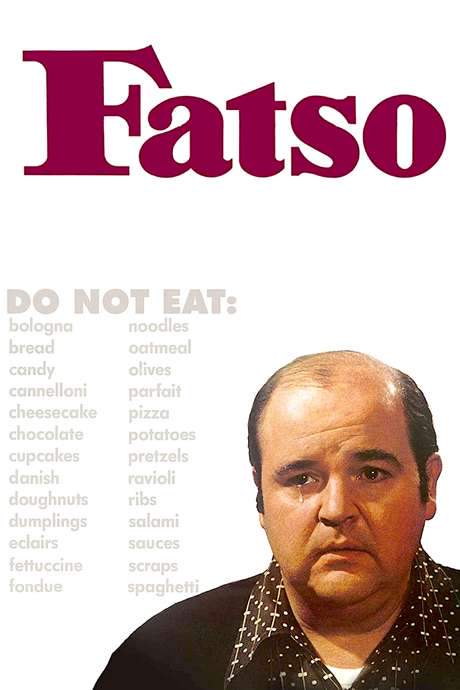
Dominick DiNapoli’s love of food has left him overweight. After his obese cousin dies from health problems, his sister Antoinette pushes him to lose weight. He struggles with dieting until he meets Lydia, a shop owner, and falls for her. Faced with his new feelings, he must choose between asking her out and returning to his old overeating habits.

Does Fatso have end credit scenes?
No!
Fatso does not have end credit scenes. You can leave when the credits roll.
Meet the Full Cast and Actors of Fatso
Explore the complete cast of Fatso, including both lead and supporting actors. Learn who plays each character, discover their past roles and achievements, and find out what makes this ensemble cast stand out in the world of film and television.


External Links and Streaming Options
Discover where to watch Fatso online, including streaming platforms, rental options, and official sources. Compare reviews, ratings, and in-depth movie information across sites like IMDb, TMDb, Wikipedia or JustWatch.







Take the Ultimate Fatso Movie Quiz
Challenge your knowledge of Fatso with this fun and interactive movie quiz. Test yourself on key plot points, iconic characters, hidden details, and memorable moments to see how well you really know the film.
Fatso (1980) Quiz: Test your knowledge of the 1980 comedy‑drama Fatso, its characters, plot points, and memorable details.
Which actor portrays the main character Dom?
Full Plot Summary and Ending Explained for Fatso
Read the complete plot summary of Fatso, including all major events, twists, and the full ending explained in detail. Explore key characters, themes, hidden meanings, and everything you need to understand the story from beginning to end.
As the DiNapoli siblings – Antoinette, Anne Bancroft, Dominic, Dom DeLuise, and Frank Jr., Ron Carey – grow up, the film traces how love, comfort, and food become the glue that binds a family together. Dom’s childhood memory of his mother soothing him with a bite of buttered Italian bread during a diaper mishap involving his infant brother helps explain his lifelong passion for nourishment, a trait he shares with his overweight cousin Salvatore, Sal Viscuso. That early image of tenderness through a plate of food sets a tone of warmth and humor that threads through every setback and reconciliation to come.
When Salvatore dies at 39, the family grieves deeply, and Antoinette urges Dom to see a diet doctor to avoid following his cousin’s fate. He agrees, hoping a formal plan might save him from the cycle of cravings and guilt that haunted him. The new diet book is stringent, full of foods to avoid, and Dom feels swallowed by restrictions that seem to strip away pleasure. The diet’s rocky start inches toward failure, and Dom’s escalating frustration begins to spill over into the rest of the household, testing the patience of the people who love him most. Eventually, Antoinette—tired of watching her brother struggle—enrolls him in the Chubby Checkers support group, hoping the circle of accountability and shared experience will offer him real footing.
Into this fragile balance steps Lydia, Candice Azzara, a thin, diabetic antique shop owner who instantly connects with Dom on more than just a shared appetite. They discover common ground beyond food, a glimmer of possibility that makes Dom dream of a life where affection isn’t bound to meals. Yet his self-consciousness about his body keeps him hesitant to ask Lydia out, even as she clearly shows interest. The relationship teeters on a knife-edge between longing and fear, as Dom negotiates vulnerability in a world that has long measured him by his weight.
Crises mount at home too. Dom asks Frankie to padlock the fridge and larder, but cravings strike in the dead of night, and Dom demands the keys from his brother, even threatening him at times. The struggle intensifies his isolation, driving a wedge between him and the family he wishes to protect. Feeling more defeated, Dom retreats to the Chubby Checkers meetings, where Sonny and Oscar recount favorite desserts, turning the intervention into a temptingly delicious trap rather than a lifeline. The group’s attempt to help paradoxically becomes a celebration of indulgence, revealing how difficult it is to separate comfort from compulsion when food has always been a language of love.
Seeing their brother at a breaking point, Antoinette and Frankie orchestrate a bridge between Dom and Lydia. As they begin dating, Dom experiences a surprising, almost unnoticeable shift: his clothes grow looser, and he realizes he’s been losing weight without meaning to. The moment is bittersweet, wrapped in relief and newfound hope, but Dom remains haunted by a fear of rejection and the pressure to conform to a body image that once defined him.
Moved by his affection for Lydia, Dom resolves to propose. A wrenching detour arrives when he visits Lydia’s apartment to find she’s gone. In a panic, he returns home with a mountain of Chinese takeout for the family party, a desperate attempt to salvage something familiar and comforting in the wake of heartbreak. Antoinette confronts him with the truth of his actions, using a doll on a stick to illustrate how his food-driven choices are hurting the family. Dom breaks down, openly acknowledging the lifelong pattern her mother’s comforting gestures had helped create. In that moment, he also blames her for teaching him to seek solace in food, a revelation that shocks Antoinette and leaves her to confront her own complicity in his pain.
Yet from the wreckage comes a vow to heal together. Dom’s confession and the family’s willingness to accept him as he is mark a turning point: he commits to loving himself, and his siblings pledge to do the same. With a renewed sense of self-worth, Dom reconnects with Lydia, who is visiting her younger brother in a Boston hospital after a finger injury accident. The couple takes a quiet walk through the hospital, peering into the cradle of new life, and Dom whispers his marriage proposal into Lydia’s ear; she answers yes, sealing their bond in love rather than appetite.
The credits roll on a warm, affectionate montage that follows Dom and Lydia after they marry, watching their family grow with each newborn. Throughout, Dom’s weight fluctuates, sometimes casting a shadow over his happiness, but it never eclipses the happiness of the family he has learned to embrace—one built not on perfect bodies, but on steadfast support, mutual acceptance, and the courage to love oneself and others just as they are.

Coming soon on iOS and Android
The Plot Explained Mobile App
From blockbusters to hidden gems — dive into movie stories anytime, anywhere. Save your favorites, discover plots faster, and never miss a twist again.
Sign up to be the first to know when we launch. Your email stays private — always.
Explore the mobile appDiscover Film Music Concerts Near You – Live Orchestras Performing Iconic Movie Soundtracks
Immerse yourself in the magic of cinema with live orchestral performances of your favorite film scores. From sweeping Hollywood blockbusters and animated classics to epic fantasy soundtracks, our curated listings connect you to upcoming film music events worldwide.
Explore concert film screenings paired with full orchestra concerts, read detailed event information, and secure your tickets for unforgettable evenings celebrating legendary composers like John Williams, Hans Zimmer, and more.


Cars Featured in Fatso
Explore all cars featured in Fatso, including their makes, models, scenes they appear in, and their significance to the plot. A must-read for car enthusiasts and movie buffs alike.
Fatso Themes and Keywords
Discover the central themes, ideas, and keywords that define the movie’s story, tone, and message. Analyze the film’s deeper meanings, genre influences, and recurring concepts.
Fatso Other Names and Titles
Explore the various alternative titles, translations, and other names used for Fatso across different regions and languages. Understand how the film is marketed and recognized worldwide.
Similar Movies To Fatso You Should Know About
Browse a curated list of movies similar in genre, tone, characters, or story structure. Discover new titles like the one you're watching, perfect for fans of related plots, vibes, or cinematic styles.







Quick Links: Summary, Cast, Ratings, More

What's After the Movie?
Not sure whether to stay after the credits? Find out!
Check out our other apps:

SAT Sphere
Build confidence for the Digital SAT.

Mori Atlas
Discover wild places worth protecting.

Luntero
Search smarter for a home in Amsterdam.

Plot Explained
Unravel movie endings and hidden clues.

Pokechamp
Dive into Pokémon data and battle logic.

Driving Theory
Get ready for your European theory test.

Movie Dust
Plan your next cinema trip with ease.

Musemap
Find art and culture as you travel.

Selkobase
Compare credentials before committing.

Local Manual
Turn an unfamiliar country into practical next steps.

Lernavi
Compare school systems before your next move.

GymRoam
Find a workout stop wherever your plans take you.
Explore Our Movie Platform
New Movie Releases (2026)
Famous Movie Actors
Top Film Production Studios
Movie Plot Summaries & Endings
Major Movie Awards & Winners
Best Concert Films & Music Documentaries
Movie Collections and Curated Lists
© 2026 What's After the Movie. All rights reserved.
Privacy Policy