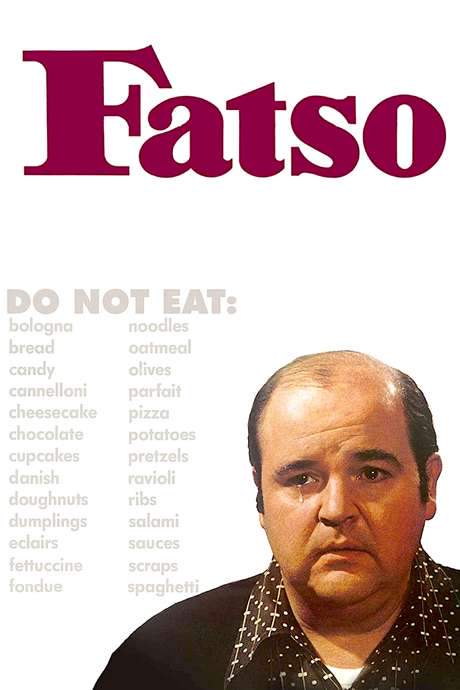
What Is Fatso About?
The premise of Fatso in 260 words, with nothing given away. The full story follows below.
In a bustling Italian‑American household, food is more than sustenance—it’s the language of love, laughter, and memory. Dominick DiNapoli, a good‑natured but heavily‑set man, has built his identity around hearty meals and the comforting rituals they create. The DiNapoli family’s spirited chatter, aromatic kitchens, and close‑knit bonds set a warm, comedic backdrop that feels simultaneously familiar and larger‑than‑life.
When the family’s beloved, though overweight, cousin succumbs to health complications, Antoinette, Dominick’s fierce yet caring sister, insists that he confront the same path. She nudges him toward a stricter diet and a doctor’s plan, hoping to break the cycle of indulgence that has long defined him. The prospect of feeding himself only what’s “allowed” feels like a loss of self, and Dominick teeters between resentment and the desire to protect his loved ones from a similar fate.
Amid this tension, a chance encounter with Lydia, an antique‑shop owner whose own relationship with food is shaped by diabetes, sparks something unexpected. Their connection blossoms beyond plates and portions, offering Dominick a glimpse of affection that isn’t measured in calories. Yet his self‑consciousness about his size makes the simple act of asking her out feel like a monumental leap.
The film balances tender family moments with sharp, self‑deprecating humor, inviting the audience to wonder whether Dominick will find the courage to step beyond his comfort zone. As he navigates the pull of familiar feasts and the promise of a new kind of intimacy, the story promises a heartfelt exploration of self‑acceptance, the complexities of love, and the enduring power of a shared table.
What Happens in Fatso?
The complete story of Fatso, from the first scene to the last, in 799 words (about 3 minutes). Spoilers throughout. Names in the text link to 5 cast member pages.
Spoilers ahead
As the DiNapoli siblings – Antoinette, Anne Bancroft, Dominic, Dom DeLuise, and Frank Jr., Ron Carey – grow up, the film traces how love, comfort, and food become the glue that binds a family together. Dom’s childhood memory of his mother soothing him with a bite of buttered Italian bread during a diaper mishap involving his infant brother helps explain his lifelong passion for nourishment, a trait he shares with his overweight cousin Salvatore, Sal Viscuso. That early image of tenderness through a plate of food sets a tone of warmth and humor that threads through every setback and reconciliation to come.
When Salvatore dies at 39, the family grieves deeply, and Antoinette urges Dom to see a diet doctor to avoid following his cousin’s fate. He agrees, hoping a formal plan might save him from the cycle of cravings and guilt that haunted him. The new diet book is stringent, full of foods to avoid, and Dom feels swallowed by restrictions that seem to strip away pleasure. The diet’s rocky start inches toward failure, and Dom’s escalating frustration begins to spill over into the rest of the household, testing the patience of the people who love him most. Eventually, Antoinette—tired of watching her brother struggle—enrolls him in the Chubby Checkers support group, hoping the circle of accountability and shared experience will offer him real footing.
Into this fragile balance steps Lydia, Candice Azzara, a thin, diabetic antique shop owner who instantly connects with Dom on more than just a shared appetite. They discover common ground beyond food, a glimmer of possibility that makes Dom dream of a life where affection isn’t bound to meals. Yet his self-consciousness about his body keeps him hesitant to ask Lydia out, even as she clearly shows interest. The relationship teeters on a knife-edge between longing and fear, as Dom negotiates vulnerability in a world that has long measured him by his weight.
Crises mount at home too. Dom asks Frankie to padlock the fridge and larder, but cravings strike in the dead of night, and Dom demands the keys from his brother, even threatening him at times. The struggle intensifies his isolation, driving a wedge between him and the family he wishes to protect. Feeling more defeated, Dom retreats to the Chubby Checkers meetings, where Sonny and Oscar recount favorite desserts, turning the intervention into a temptingly delicious trap rather than a lifeline. The group’s attempt to help paradoxically becomes a celebration of indulgence, revealing how difficult it is to separate comfort from compulsion when food has always been a language of love.
Seeing their brother at a breaking point, Antoinette and Frankie orchestrate a bridge between Dom and Lydia. As they begin dating, Dom experiences a surprising, almost unnoticeable shift: his clothes grow looser, and he realizes he’s been losing weight without meaning to. The moment is bittersweet, wrapped in relief and newfound hope, but Dom remains haunted by a fear of rejection and the pressure to conform to a body image that once defined him.
Moved by his affection for Lydia, Dom resolves to propose. A wrenching detour arrives when he visits Lydia’s apartment to find she’s gone. In a panic, he returns home with a mountain of Chinese takeout for the family party, a desperate attempt to salvage something familiar and comforting in the wake of heartbreak. Antoinette confronts him with the truth of his actions, using a doll on a stick to illustrate how his food-driven choices are hurting the family. Dom breaks down, openly acknowledging the lifelong pattern her mother’s comforting gestures had helped create. In that moment, he also blames her for teaching him to seek solace in food, a revelation that shocks Antoinette and leaves her to confront her own complicity in his pain.
Yet from the wreckage comes a vow to heal together. Dom’s confession and the family’s willingness to accept him as he is mark a turning point: he commits to loving himself, and his siblings pledge to do the same. With a renewed sense of self-worth, Dom reconnects with Lydia, who is visiting her younger brother in a Boston hospital after a finger injury accident. The couple takes a quiet walk through the hospital, peering into the cradle of new life, and Dom whispers his marriage proposal into Lydia’s ear; she answers yes, sealing their bond in love rather than appetite.
The credits roll on a warm, affectionate montage that follows Dom and Lydia after they marry, watching their family grow with each newborn. Throughout, Dom’s weight fluctuates, sometimes casting a shadow over his happiness, but it never eclipses the happiness of the family he has learned to embrace—one built not on perfect bodies, but on steadfast support, mutual acceptance, and the courage to love oneself and others just as they are.
Fatso Timeline: Every Key Event in Order
15 key events in the order they happen, from “Childhood comfort through food” to “Boston hospital visit and marriage proposal”. 15 events name a place, across 11 locations.
- 1
Childhood comfort through food
As the DiNapoli siblings grow, Dom learns that his mother comforts him with a piece of buttered Italian bread during a diaper change where infant Frank Jr. urinates on him. The ritual anchors food as a primary source of care and belonging. This early association will shape his later relationship with eating and family rituals around meals.
When:childhood Where:DiNapoli family home
- 2
Food as social glue with Sal
Salvatore regularly shares snacks with Dom, teaching him that food is a way to connect with others. Dom learns to associate eating with companionship and warmth. This bond with food extends to his later life with his cousin Sal and the family gatherings around snacks.
When:childhood Where:Sal's neighborhood
- 3
Sal dies and the family grieves
Sal dies at age 39, leaving the family to grieve the loss of a loved one who shared snacks with Dom. The tragedy magnifies the emotional toll of unhealthy eating and the family’s reliance on food for comfort. The event marks a turning point that prompts concerns about Dom’s health.
When:adulthood Where:family home
- 4
Antoinette urges diet help
Antoinette urges Dom to visit a diet doctor to confront his obesity and the risks it poses to his health. He begins to recognize the signs that obesity is ruining his well-being and future. The push from his sister starts a chain of attempts to change his eating habits.
When:early adulthood Where:home
- 5
Diet plan revealed and disheartening
Dom meets a diet doctor and is confronted with a long list of foods he must avoid. The daunting menu leaves him feeling discouraged about his ability to stick to such restrictions. This moment deepens his sense of defeat and questions about his future health.
When:early adulthood Where:doctor's office
- 6
Enrollment in Chubby Checkers
When the initial diet fails to curb his habits, Antoinette enrolls Dom in the 'Chubby Checkers' support group. The group session becomes a source of pressure and mixed messages, highlighting how difficult weight loss can be within a social setting. The intervention seems hopeful but quickly proves unstable.
When:early adulthood Where:community center
- 7
Dom meets Lydia at the antiques shop
Dom meets Lydia, a thin diabetic who owns an antiques shop, and discovers they have more in common than just food. Their initial connection suggests a potential romance beyond shared meals. This encounter plants a new possibility for emotional support outside his family.
When:early relationship Where:Lydia's antiques shop
- 8
Dom's fear of asking Lydia out
Self-conscious about his body, Dom hesitates to ask Lydia on a date despite her clear interest. He worries about rejection and the judgment that might come from dating someone thinner. Lydia's warmth remains, but his insecurity keeps him from pursuing her openly.
When:early relationship Where:Lydia's antiques shop
- 9
Fridge locked; nighttime cravings
Dom has Frankie padlock the fridge and larder to curb late-night snacking, but hunger still drives him in the middle of the night. He angrily demands the keys and even threatens violence to get them back. The struggle underlines how hard it is to control compulsive eating.
When:night Where:family home
- 10
Intervention degenerates into a pig-out
The Chubby Checkers intervention deteriorates as participants reminisce about desserts, turning the session into a full-blown pig-out. Rather than offering support, the event sabotages progress and deepens Dom's sense of failure. The group’s dynamic reveals how emotional eating is tied to social behavior.
When:mid-intervention Where:Chubby Checkers meeting place
Show the other 5 events of Fatso Hide the last 5 events
- 11
Antoinette and Frankie arrange a match
Antoinette and Frankie orchestrate a budding connection between Dom and Lydia, bringing them together so they can date more seriously. The couple’s growing relationship provides new emotional support that complements their shared meals. This arrangement marks a turning point toward healthier habits through companionship.
When:after dating begins Where:Lydia's apartment
- 12
Dom notices progress and dresses looser
Dom realizes he has been eating less and is stunned by how quickly his clothes become looser. The physical changes give him a glimmer of hope and a shift in self-perception. He starts to believe that change is possible with the right support.
When:weeks after dating Where:home
- 13
Proposal plan and takeout binge
Dom plans to propose to Lydia, but when he finds her apartment empty, he is consumed by anxiety and ends up eating all the Chinese takeout for a family party. The binge triggers a confrontation with his family and adds emotional weight to his decision about love and self-acceptance.
When:soon after Where:Lydia's apartment; family party
- 14
Family confrontation and self-acceptance
Antoinette confronts Dom with a doll-mounted stick, confronting the pain his feeding habits caused the family. He admits he looked for comfort in food and acknowledges his mother's role in shaping that behavior. He pledges to keep trying while his siblings promise to accept him as he is.
When:after confrontation Where:family home
- 15
Boston hospital visit and marriage proposal
Lydia calls from a hospital in Boston where her younger brother is recovering; Dom flies there to be with her. They walk through the nursery, and he whispers his marriage proposal, which she accepts, sealing their life together. The montage then shows their growing family in the years to come.
When:after Where:Boston hospital
Who Are the Main Characters in Fatso?
7 characters, among them Dominick DiNapoli (Dom DeLuise), Antoinette DiNapoli (Anne Bancroft) and Frank Jr. DiNapoli (Ron Carey): who each one is and the part they play in the story. Every profile links to the actor’s page.
-
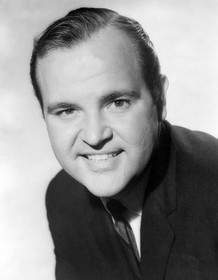
Dominick DiNapoli (Dom DeLuise)
Played by Dom DeLuise
A kind-hearted, food-loving man whose obesity complicates relationships and daily life. He has a lifelong association between love and food, making self-control a daily challenge. Throughout the film he seeks health and happiness, learning to balance desire with self-respect.
- 🍝 Food-obsessed
- 💪 Determined
- 👨👩👧 Family-oriented
-

Antoinette DiNapoli (Anne Bancroft)
Played by Anne Bancroft
The older sister, pragmatic and protective, who pushes Dom to confront his health and seek help. She orchestrates interventions and strives to keep the family together even as she negotiates boundaries. Her loyalty to Dom evolves as she learns to accept him as he is.
- 🧭 Pragmatic
- 👩👧👦 Family-protector
- 💬 Direct
- FJ
Frank Jr. DiNapoli (Ron Carey)
Played by Ron Carey
Older brother who is loyal and supportive, sometimes enabling through his casual approach to family chaos. He both resists and contributes to Dom's attempts to change, offering a mix of humor and practical help. He ultimately helps bring Dom and Lydia together.
- 🛡️ Protective
- 🎭 Loyal
- 🍽️ Food-related
- L(
Lydia (Candice Azzara)
Played by Candice Azzara
A thin diabetic who owns an antiques shop and becomes Dom's love interest. She shares interests beyond food and provides emotional support as Dom navigates self-image and health. Her presence helps Dom imagine a life beyond the kitchen.
- 💎 Antique-lover
- ❤️ Romantic
- 🗝️ Supportive
- S'
Salvatore 'Sal' DiNapoli (Sal Viscuso)
Played by Sal Viscuso
Dom's obese cousin who often shares snacks, reinforcing Dom's association of food with social interaction. His sudden death acts as a catalyst for the family to address unhealthy eating. He is a reminder of the consequences of overindulgence within their culture.
- 🍬 Food-sharer
- 💔 Loss-driven
- 👨👦 Family-member
- MG
Mrs. Goodman (Estelle Reiner)
Played by Estelle Reiner
A family friend or matriarch figure who observes the family dynamics and offers quiet guidance. Her presence underscores the close-knit community that supports or pressures the DiNapoli siblings.
- 🧓 Elderly
- 🏡 Community matriarch
- 💬 Observant
- IR
Ida Rendino (Delia Salvi)
Played by Delia Salvi
A relative in the extended family circle who contributes to the warm, bustling family environment. She represents the larger network surrounding Dom and his siblings.
- 👵 Elder family member
- 🏠 Community anchor
- 🍝 Food-friendly
Where and When Is Fatso Set?
Fatso is set in Italian-American neighborhood and Boston hospital. Here is why the place matters to the story.
Where
Italian-American neighborhood, Boston hospital
Set primarily in a close-knit Italian-American neighborhood and the DiNapoli family home, the area centers on family meals and communal swapping of snacks. The neighborhood's small shops and diners create a warm, bustling backdrop for Dom's food-driven world. A visit to a Boston hospital later in the film marks a turning point in his health concerns. The setting reinforces how food, family, and culture shape the characters' everyday lives.
- 🍝 Italian-American community
- 🏠 Domestic setting
- 🏥 Boston hospital
What Are the Themes of Fatso?
3 ideas the story keeps returning to, among them Food as Comfort, Family Bonds and Self-Acceptance.
-
01
Food as Comfort
Food is used as a primary way to show care and connection in the DiNapoli family. Dom associates eating with affection and acceptance, which shapes his self-image and drives his behavior. The film traces how this link between nourishment and love can become a trap when it overshadows health and choice. The journey centers on finding balance between hunger, affection, and self-worth.
-
02
Family Bonds
The family is both supportive and conflicted; siblings' love includes caretaking and scolding; Antoinette's insistence on his health tests the limits of loyalty. The intervention scenes reveal how culture and kinship can push for change while still preserving warmth. Dom's progress hinges on family members learning to accept his body and his choices. The ending suggests family acceptance is key to lasting happiness.
-
03
Self-Acceptance
Dom's arc centers on accepting his body and choosing to live with his condition rather than fighting it. He confronts the role his mother played in comforting him with food and learns to rely on his own resilience. The journey emphasizes dignity, self-respect, and choosing relationships that honor who he is. The ending suggests happiness is possible with self-acceptance and supportive loved ones.
What Kind of Film Is Fatso?
Bittersweet in tone, with steady pacing and a moderate story, going by the plot summary.
- Tone
- Bittersweet
- Pacing
- Steady
- Story
- Moderate
- Intensity
- Medium
- Ending
- Happy
A warm yet emotionally challenging film that navigates the struggles of self-loathing and food addiction with heartfelt humor, ultimately finding hope in familial support and romantic connection.
- warm
- heartfelt
- frustrating
- hopeful
- reflective
- comforting
- body image
- dieting
- family dynamics
- self-acceptance
Content notes: fat shaming, death of a family member.
Quiz
How well do you remember Fatso? Test yourself on the story.
Where to Watch Fatso
. US availability and prices from JustWatch.
Streaming availability in the US, powered by