Corpus Christi 2019


A young delinquent, posing as a priest, unexpectedly takes charge of a small-town parish. His arrival offers the community a chance to heal and move forward after a devastating tragedy that occurred the previous year. This charismatic young man, seemingly a sinner turned preacher, finds himself at the center of a perplexing mystery.


Does Corpus Christi have end credit scenes?
No!
Corpus Christi does not have end credit scenes. You can leave when the credits roll.
Meet the Full Cast and Actors of Corpus Christi
Explore the complete cast of Corpus Christi, including both lead and supporting actors. Learn who plays each character, discover their past roles and achievements, and find out what makes this ensemble cast stand out in the world of film and television.

Aleksandra Konieczna
Lidia

Anna Biernacik
Marta's Friend

Bartosz Bielenia
Daniel

Eliza Rycembel
Marta
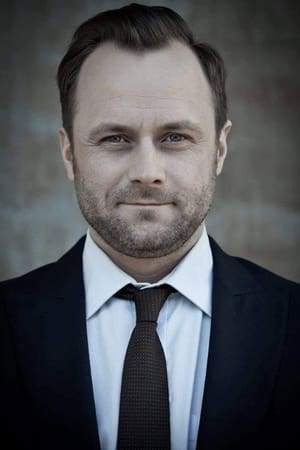
Leszek Lichota
Mayor Walkiewicz

Jan Hrynkiewicz
'Matys'
Jakub Sierenberg
'Perła'
Juliusz Chrząstowski
Policeman
Łukasz Simlat
Priest Tomasz
Andrzej Franczyk
Guard
Barbara Jonak
Ewa Kobielska
Tomasz Ziętek
'Pinczer'
Lidia Bogaczówna
Mother
Zdzisław Wardejn
Parish Priest
Helena Norowicz
Molińska
Tomasz Włosok
Kuba
Leszek Wiśniewski
Guard
Juliusz Krzysztof Warunek
Father #4
Marta Waldera
Policewoman
Konstanty Szemraj
Guitarist
Grzegorz Palkowski
'Łuki'
Dariusz Starczewski
Father #3
Malwina Brych
Girl
Bogdan Brzyski
Molińska's Son
Radoslaw Ciucias
Chaplain
Mateusz Czwartosz
'Bonus'
Lidia Duda
Mother
Lubomir Kempka
Supervisor #1
Krystian Kostow
Skinny Guy
Józef Kostycz
Father #1
Alicja Majdosz
Mayor's Wife
Janusz Mazurkiewicz
Supervisor #2
Bogusław Michałek
Father #2
Tobiasz Nowakowski
Supervisor #3
Katarzyna Ostrowska
Supervisor #4
Piotr Pawlak
Organist
Janusz Poborczyk
Jolanta Rychłowska
Jarosław Soroko
Supervisor #5
Sebastian Szałaj
Firefighter
Aleksander Talkowski
'Owczar'
Joanna Winnicka
Father #5
Wojciech Ziętek
Lidia Czarnecka
Antonina Dalkowska
Agata Kacprzak
Karolina Humańska
Amelia Wasilewska
External Links and Streaming Options
Discover where to watch Corpus Christi online, including streaming platforms, rental options, and official sources. Compare reviews, ratings, and in-depth movie information across sites like IMDb, TMDb, Wikipedia or Rotten Tomatoes.






Ratings and Reviews for Corpus Christi
See how Corpus Christi is rated across major platforms like IMDb, Metacritic, and TMDb. Compare audience scores and critic reviews to understand where Corpus Christi stands among top-rated movies in its genre.

The Movie Echo Score
Corpus Christi delivers a resonant meditation on faith and redemption, anchored by a powerful central performance and striking visual composition. Critics and viewers alike commend the film's thoughtful narrative and atmospheric cinematography, while noting occasional pacing lulls that modestly affect engagement. The cumulative effect is a richly layered work that leaves a lasting impression and rewards multiple viewings, positioning it as a standout entry in contemporary Polish cinema.
The Movie Echo Score Breakdown for Corpus Christi

Art & Craft
In terms of direction and visual craftsmanship, the film exhibits meticulous framing and evocative lighting that enhance its thematic depth. Critics highlight Komasa's command of tone, and users praise the cinematography as a memorable element. Minor criticisms target occasional pacing drag, but overall the artistic execution is regarded as polished and compelling.

Character & Emotion
When it comes to character work, Bartosz Bielenia's portrayal is consistently described as nuanced, electrifying, and emotionally resonant. Both critics and audiences emphasize his ability to convey inner conflict and spiritual turmoil. Supporting performances receive less focus but are deemed effective, reinforcing the central figure's impact throughout the film.

Story & Flow
The narrative presents a thought‑provoking exploration of faith, guilt, and community trauma, earning praise for its originality and moral complexity. Reviewers note a haunting climax and strong thematic cohesion, yet some point to uneven pacing that can diminish momentum. Overall, the story is viewed as engaging and memorable despite occasional structural roughness.

Sensory Experience
Sensory experience is characterized by a restrained yet powerful score, precise sound design, and cohesive visual style that underscore the film's solemn atmosphere. Critics mention the effective use of lighting, while users reference the cinematography as a highlight. The sensory elements collectively reinforce the narrative without overwhelming it.

Rewatch Factor
Rewatch value stems from the film's layered themes, strong central performance, and lingering questions about faith and redemption. Reviewers indicate that the story rewards careful attention and that its climax invites discussion. Some viewers caution that its heaviness may limit casual repeat viewings, but overall it is considered worth revisiting for deeper insight.
Full Plot Summary and Ending Explained for Corpus Christi
Read the complete plot summary of Corpus Christi, including all major events, twists, and the full ending explained in detail. Explore key characters, themes, hidden meanings, and everything you need to understand the story from beginning to end.
Daniel, a devout Catholic Bartosz Bielenia serving a sentence for second-degree murder, returns to civilian life with a stubborn roadblock: his criminal past keeps him from realizing his dream of becoming a priest. He is assigned to a sawmill worker’s life in a quiet village, and on a visit to the village church, he pretends to be a priest. The vicar of the church, unaware of the deception, leaves him in charge while he travels for medical treatment, trusting that a newcomer who seems earnest can handle the parish in his absence.
From his first days in the role, Daniel throws himself into every duty with a mix of surprising flair and a certain unorthodox charm. The parishioners respond with warmth and curiosity, appreciating how he approaches rituals with a fresh, untraditional touch while still honoring the core beliefs that drew him to this calling. Daniel’s sermons carry an unusual blend of honesty and raw emotion, and he is unafraid to share confessions even when they reveal inconvenient truths about himself. His willingness to lean into uncomfortable conversations earns both admiration and unease among different parts of the community.
As he begins to probe a recent car crash, the community’s mood shifts. One car carried an adult man who died, while the other involved six teenagers. The man is portrayed as a disliked outcast with a history of violent behavior, yet the villagers resist considering the possibility that the teenagers might bear responsibility for what happened. Daniel’s curiosity is not healed by silence; instead, it grows, drawing him toward a troubling missing piece in the story.
Daniel’s path intersects with Marta, a local woman whose brother was among the victims. Marta, Eliza Rycembel, becomes a crucial ally and a gateway to a darker truth that is not easy for the town to accept. She shares with him a video her brother sent hours before the accident—a clip showing the group, including the driver, engaging in heavy drinking and drug use. She keeps the video private for now, but its existence unsettles the village’s reluctance to reexamine culpability. A new, hard-edged reality begins to surface, and the town’s power structures grow wary of Daniel’s questions. The mayor, Leszek Lichota, warns Daniel to stop digging, insisting that the matter is closed and that further inquiry could destabilize a fragile social balance. Still, the question of who should be buried in the village cemetery becomes a point of deep contention.
Months pass, and Daniel learns that the cremated remains of the driver are waiting to be laid to rest. The town’s response becomes personal and cruel: many residents have sent hateful, threatening letters to the driver’s widow, who herself has become ostracized for insisting on her husband’s innocence. Feeling a growing responsibility to restore dignity, Daniel, joined by a guilt-ridden Marta, challenges the villagers with the letters and demands a proper burial for the solo driver. This act of defiance reframes the conflict from a mere accident to a communal reckoning with guilt, blame, and mercy.
Tension spikes when Marta’s mother reacts harshly to the uncovering of these documents, ejecting Marta from the home and forcing her to seek refuge in the temporary rectory with Daniel. In this intimate space, their relationship deepens, moving beyond professional complicity toward something more personal, even as they navigate the moral fog surrounding the accident. A sense of hope flickers as the two work together to honor the deceased, even as outsiders whisper about imposture and consequences.
The burial service itself becomes a turning point. The village atmosphere shifts as many residents set aside their animosity to pay their respects at last. Yet the peace is short-lived: just before the Mass that would follow, a priest from Daniel’s youth detention center arrives, having been tipped off about the impostor in their midst. He orders Daniel to leave immediately, forcing a dramatic escape. Rather than vanish, Daniel seizes the moment to stage a farewell Mass of his own, revealing tattoos that mark his history and his willingness to claim a different path, even as he departs.
Back behind bars, Daniel confronts a raw, brutal moment: he meets the brother of the man he murdered and engages in a ferocious fight. The skirmish ends with Daniel prevailing, and in a surprising turn of mercy, the other prisoners permit him to walk free. The film closes on a note that feels both earned and unsettled, a meditation on faith, guilt, community pressure, and the precarious line between truth and the need for belonging.

Coming soon on iOS and Android
The Plot Explained Mobile App
From blockbusters to hidden gems — dive into movie stories anytime, anywhere. Save your favorites, discover plots faster, and never miss a twist again.
Sign up to be the first to know when we launch. Your email stays private — always.
Explore the mobile appWatch Trailers, Clips & Behind-the-Scenes for Corpus Christi
Watch official trailers, exclusive clips, cast interviews, and behind-the-scenes footage from Corpus Christi. Dive deeper into the making of the film, its standout moments, and key production insights.
Corpus Christi Themes and Keywords
Discover the central themes, ideas, and keywords that define the movie’s story, tone, and message. Analyze the film’s deeper meanings, genre influences, and recurring concepts.
Corpus Christi Other Names and Titles
Explore the various alternative titles, translations, and other names used for Corpus Christi across different regions and languages. Understand how the film is marketed and recognized worldwide.
Similar Movies To Corpus Christi You Should Know About
Browse a curated list of movies similar in genre, tone, characters, or story structure. Discover new titles like the one you're watching, perfect for fans of related plots, vibes, or cinematic styles.
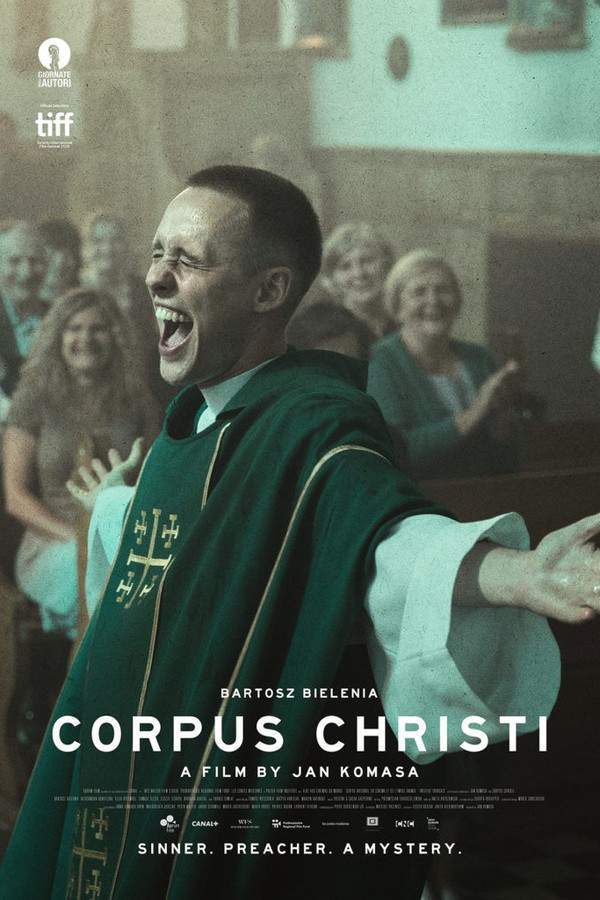
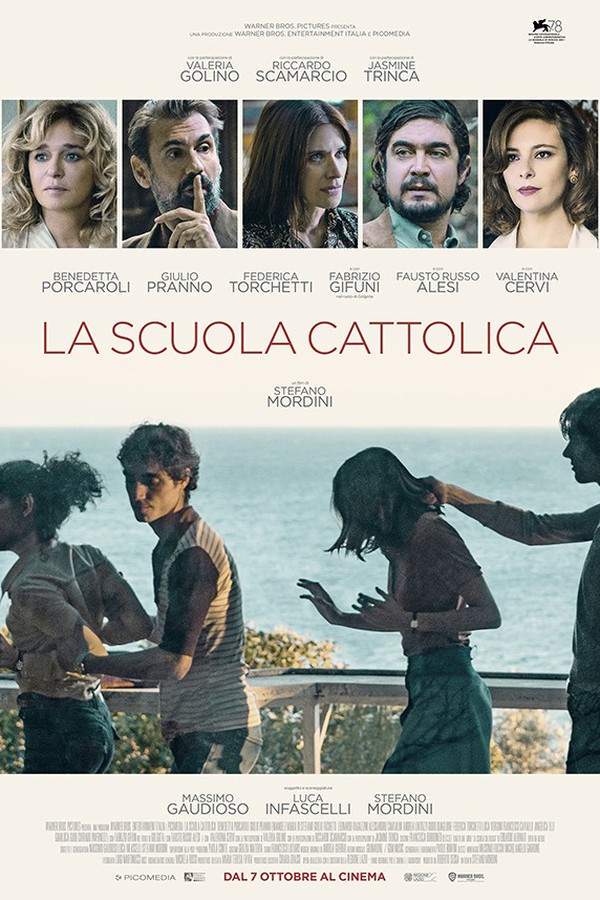
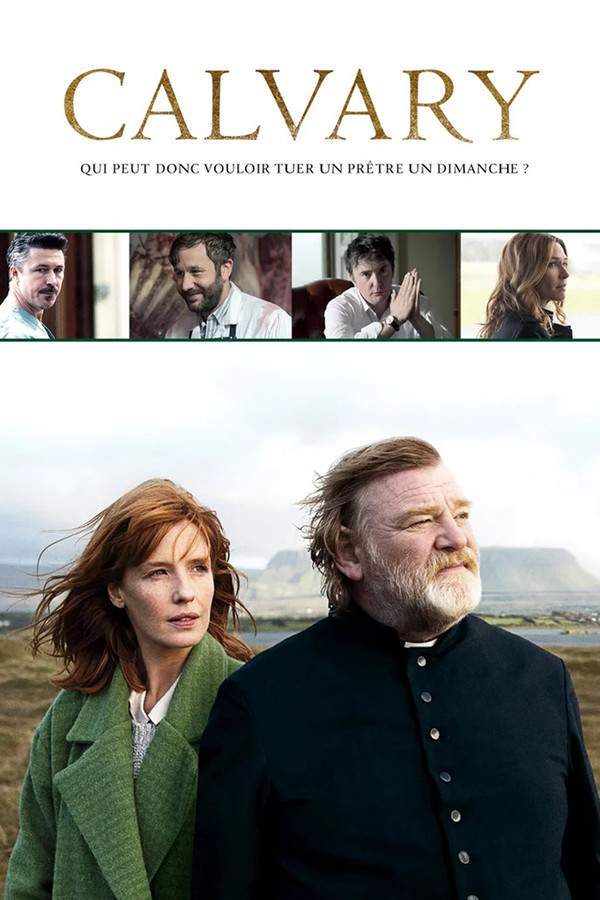




Quick Links: Summary, Cast, Ratings, More

What's After the Movie?
Not sure whether to stay after the credits? Find out!
Check out our other apps:

SAT Sphere
Build confidence for the Digital SAT.

Mori Atlas
Discover wild places worth protecting.

Luntero
Search smarter for a home in Amsterdam.

Plot Explained
Unravel movie endings and hidden clues.

Pokechamp
Dive into Pokémon data and battle logic.

Driving Theory
Get ready for your European theory test.

Movie Dust
Plan your next cinema trip with ease.

Musemap
Find art and culture as you travel.

Selkobase
Compare credentials before committing.

Local Manual
Turn an unfamiliar country into practical next steps.

Lernavi
Compare school systems before your next move.

GymRoam
Find a workout stop wherever your plans take you.
Explore Our Movie Platform
New Movie Releases (2026)
Famous Movie Actors
Top Film Production Studios
Movie Plot Summaries & Endings
Major Movie Awards & Winners
Best Concert Films & Music Documentaries
Movie Collections and Curated Lists
© 2026 What's After the Movie. All rights reserved.
Privacy Policy