
Corner Office (2023): Cast, Ratings, Box Office & Where to Watch
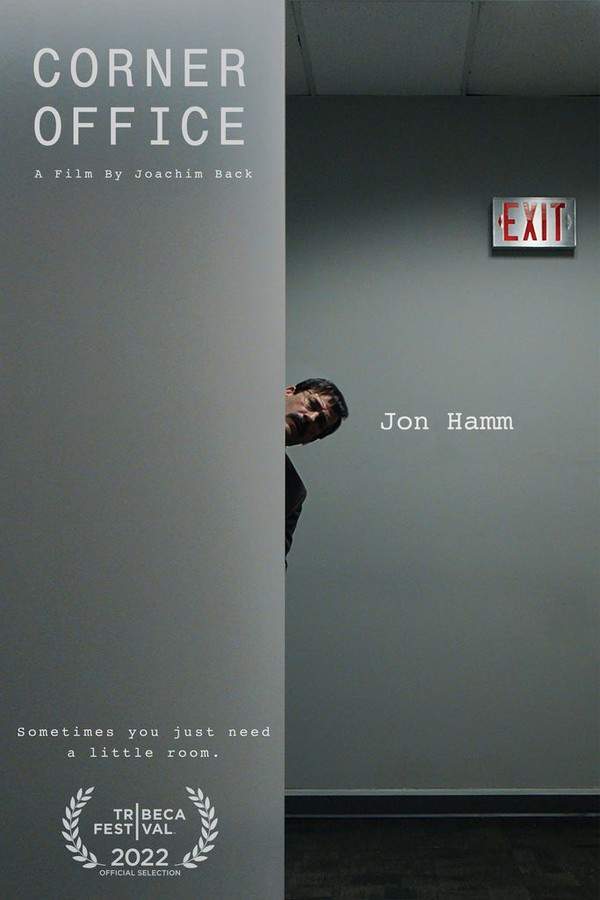
Corner Office is a 2023 comedy directed by Joachim Back, starring Jon Hamm as Orson, Bill Marchant and Allison Riley. It runs 1 hour 41 minutes and earned $10,456 worldwide on a $11 million budget. Critics gave it 26% on Rotten Tomatoes and 47 on Metacritic, and IMDb users rate it 6.1/10. Stream it on MovieSphere+ and Tubi TV, or rent or buy it on Amazon Video and Apple TV Store.
- Released
- Runtime
- 1h 41m (101 min)
- Director
- Joachim Back
- Genre
- Comedy
- Original language
-
 English
 - Studio
- Lionsgate
- Budget
- $11M
- After the credits
- No No extra scene
What Is Corner Office About?
The premise of Corner Office without spoilers. The whole story and the ending explained are in the plot summary further down.
Orson, a new employee at Authority Inc., is determined to succeed in the competitive workplace. He adheres to a strict routine and clashes with his more relaxed colleagues. His life changes when he discovers a beautiful, secluded office, which becomes his sanctuary and a source of incredible productivity. As his work earns recognition and praise from his superiors, his coworkers become increasingly baffled and envious of his success.
Corner Office Themes & Keywords
· 15 tags- dark comedy
- excessive voice over
- turntable
- voice over narration
- narrated by protagonist
- begins with voice over narration
- snow
- desk job
- office job
- scene before opening title
- psychiatrist
- coworker coworker relationship
+3 more Show fewer
- receptionist
- no opening credits
- based on novel
Where to Watch Corner Office
Stream it on MovieSphere+ and Tubi TV, or rent or buy it from Amazon Video and Apple TV Store. US availability and prices from JustWatch.
 MovieSphere+ Amazon Channel
  Tubi TV
  YouTube Free




Streaming availability in the US, powered by 
Corner Office Cast & Characters
Jon Hamm leads the cast as Orson, with Bill Marchant as Mitchell and Allison Riley as Carol. Directed by Joachim Back; 13 actors are credited in all.
- Director Joachim Back
-
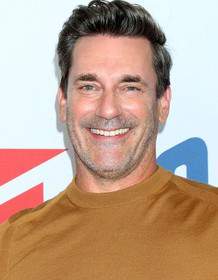 Jon Hamm as Orson
 - Bill Marchant as Mitchell
- Allison Riley as Carol
- Kimberley Shoniker as Shannon
Also Starring in Corner Office
· 9 more- Danny Pudi Rakesh
- Christopher Heyerdahl Andrew
- Sarah Gadon Alyssa
- Veena Sood Psychiatrist
- Andy Thompson Old Boss
- June B. Wilde Meredith
- Shawn Macdonald Bradley
- Mark Dozlaw Elevator Colleague
- Conor Stinson O'Gorman Nicholas
Corner Office Reviews & Ratings
Critics gave Corner Office 26% on Rotten Tomatoes and 47 on Metacritic, and IMDb users rate it 6.1/10. Our Echo Score gives it 54/100, strongest in character & emotion (60) and weakest in art & craft (45).
Corner Office Echo Score Breakdown
Corner Office delivers a mixed cinematic experience that oscillates between moments of visual intrigue and extended periods of stylistic flatness. The film offers occasional striking set pieces and an unsettling architectural aesthetic, yet its direction and production design often feel undercooked, limiting the impact of its satire. Narrative cohesion suffers from uneven pacing, resulting in a work that intrigues but rarely sustains engagement. Consequently, the movie lands in a middle ground, appealing to niche viewers while leaving broader audiences unconvinced.
Our own 0–100 rating, built from five aspects: art, character, story, the sensory experience and how well a film rewatches.
- Art & Craft 45
In terms of art and craft, the film showcases intermittent visual flair, such as stark architecture reminiscent of dystopian video games, but overall suffers from a lifeless aesthetic. Critics note a lack of seasoned direction and uneven editing, while a few viewers praise its cinematography. The production design frequently feels mechanical, failing to fully support the satirical premise. As a result, the technical execution remains modest and inconsistent.
- Character & Emotion 60
When evaluating character and emotion, Jon Hamm’s performance emerges as a central anchor, delivering a steady, if not spectacular, portrayal that compensates for weaker ensemble work. Some reviewers describe Hamm as bland, yet others find his anti-heroic turn compelling. Supporting characters receive limited development, contributing to a generally shallow emotional landscape. Overall, the acting provides a modest level of engagement, with Hamm’s presence elevating the material despite uneven chemistry.
- Story & Flow 50
Regarding story and flow, the narrative presents an intriguing premise that blends satire with surreal office horror, but its execution falters. The plot’s pacing drifts, and the climax is perceived as underwhelming, leaving the audience questioning the film’s resolution. While a minority of viewers found the plot gripping and original, many critics highlighted fuzzy messaging and a basic ending. Consequently, the story achieves only moderate coherence and originality.
- Sensory Experience 55
In the sensory domain, the film offers occasional auditory and visual texture, with a soundscape and score that underscore its eerie tone. Selected reviewers commend its cinematography and atmospheric design, yet others find the overall sensory experience dull and uninspired. The soundtrack does not consistently enhance tension, and visual style swings between striking and monotonous. Thus, the sensory elements deliver a mixed impact that neither fully elevates nor detracts from the viewing.
- Rewatch Factor 60
Assessing rewatch factor, Corner Office sparks curiosity for viewers attuned to corporate satire and surreal metaphor, prompting some to consider repeat viewings to unpack its layers. Positive audience feedback highlights its lingering thematic resonance, whereas harsher critics dismiss its lack of depth as a barrier to revisiting. The film’s niche appeal and ambiguous ending provide modest incentive for a second look, resulting in an average replay value.
-
 IMDb
IMDb 6.1 /10
See on IMDb -
 Rotten Tomatoes
 26% Tomatometer
Popcornmeter 63%
See on Rotten Tomatoes -
 Metacritic
 47 Metascore
User score 5.9
See on Metacritic -
 TMDB
TMDB 65% User score
See on TMDB -
 Letterboxd
 3.2 /5
10382 ratings
See on Letterboxd -
 Movie Insider
 2.8 /5
See on Movie Insider
Corner Office Plot Summary & Ending Explained
What happens in Corner Office from start to finish, spoilers included, with a timeline of 14 key events and the ending explained. The opening is below; the full summary is a 3-minute read.
Spoilers ahead
Orson, portrayed by Jon Hamm, is undoubtedly a unique individual whose distinct traits are apparent to his coworkers. Unlike his colleagues, Orson possesses an uncanny ability to see through the hypocrisy and pretense that often define human interactions. This perplexity leaves him questioning why there is such a glaring mismatch between what people say and what they truly feel inside.
Having recently joined “The Authority Inc,” Orson yearns to reclaim the leadership role he once held at his previous job. However, he struggles with social dynamics, particularly the art of small talk, which he views as an exercise in futility. Nevertheless, his keen insights into workplace behaviors allow him to read his colleagues like open books.
Full summary
The whole story of Corner Office, scene by scene, with the ending explained
Corner Office Box Office & Budget
Corner Office grossed $10,456 worldwide on a $11 million budget.
Worldwide gross
$10.5K
- International
- $10.5K
- Budget
- $11M
Corner Office Trailers & Videos
2 videos: 1 trailer and 1 clip.
- Clip Corner Office (2023) Clip: Coworkers [EXCLUSIVE]
How Well Do You Know Corner Office?
10 questions about the story, each with a hint if you get stuck. Pick an answer to see whether you were right.
Question 1 of 10
- Question 1: not answered
- Question 2: not answered
- Question 3: not answered
- Question 4: not answered
- Question 5: not answered
- Question 6: not answered
- Question 7: not answered
- Question 8: not answered
- Question 9: not answered
- Question 10: not answered
What is Orson's main peculiarity compared to his coworkers?
Corner Office Also Known As
11 alternative titles, including “Le bureau du coin” and “코너 오피스”.
- Also known as
-
- Le bureau du coin
- 코너 오피스
- 拐角办公室
- Skrytá místnost
- Кутовий офіс
- A sarki iroda
- Угловой офис
- Sekretny gabinet
- משרד פינתי
- Skrytá miestnosť
- 角落辦公室
Seen Corner Office?
Movies Like Corner Office
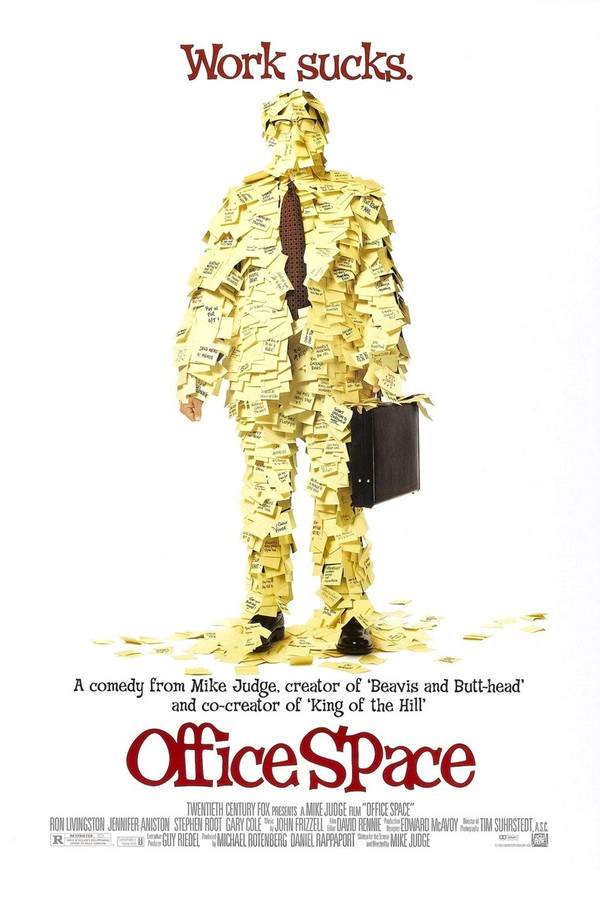
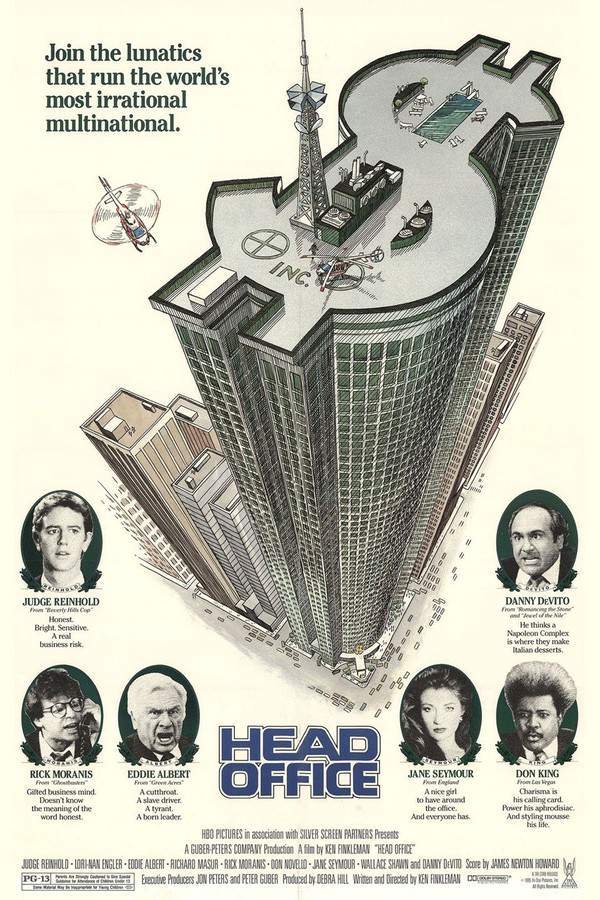
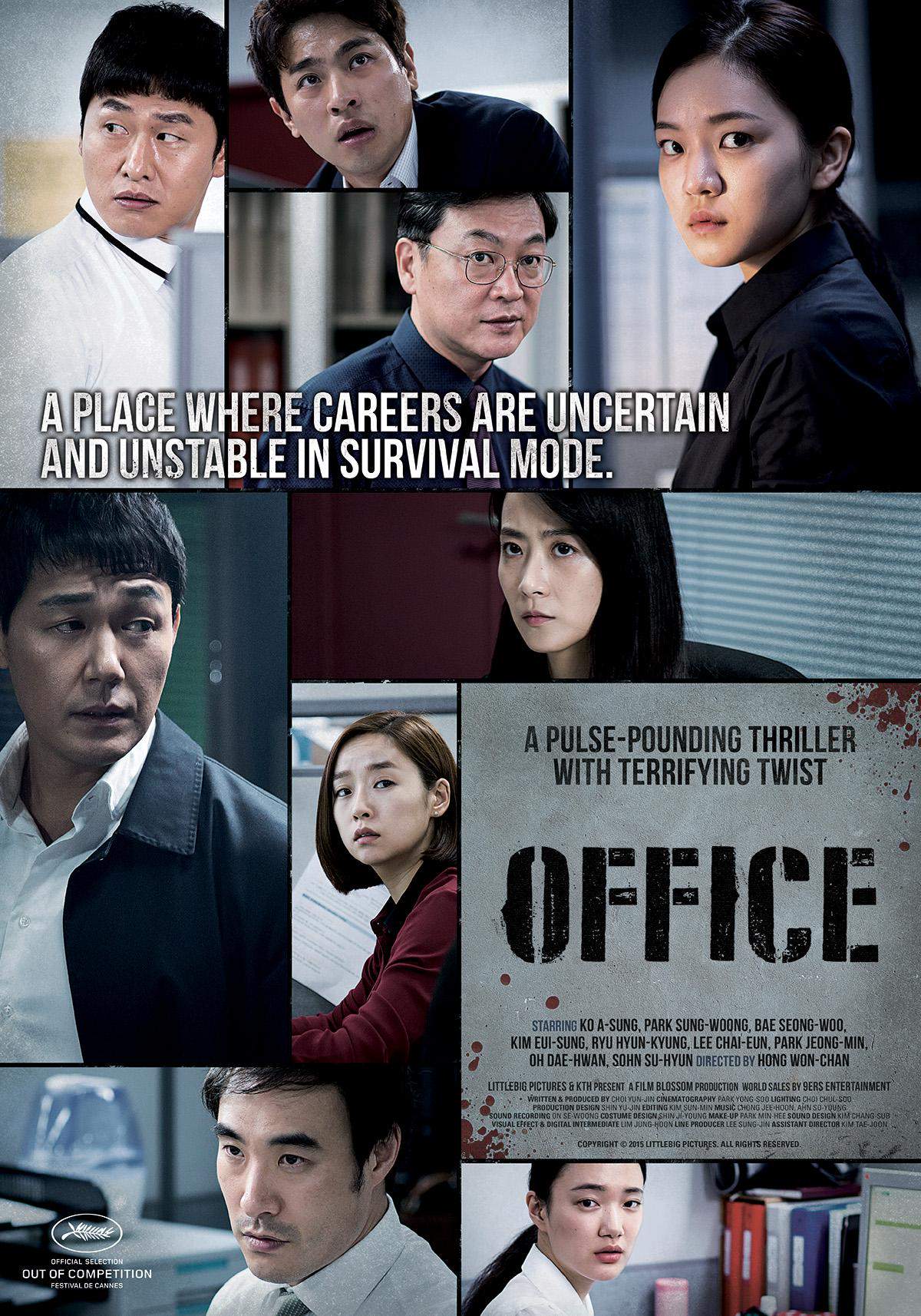
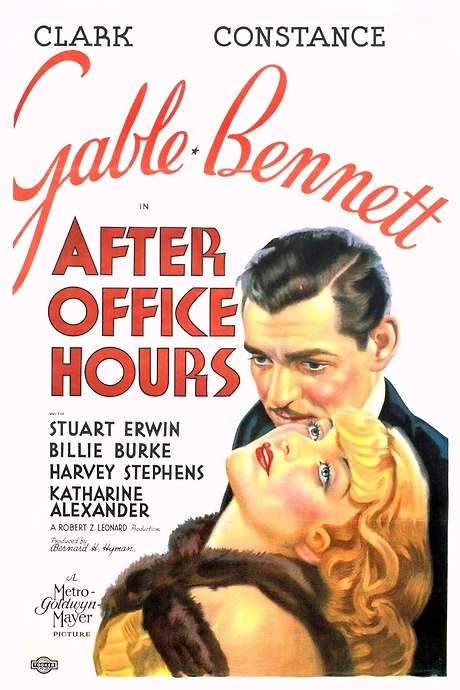
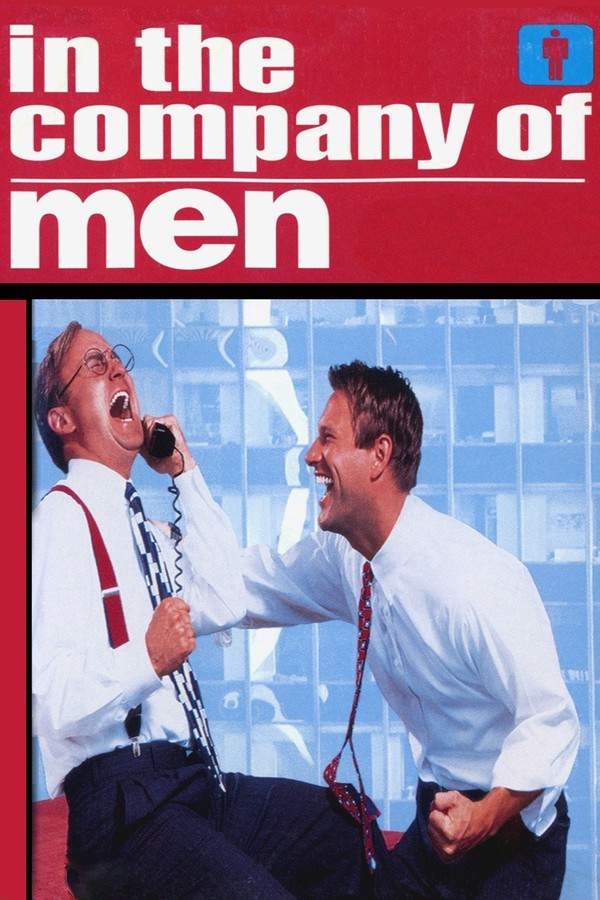
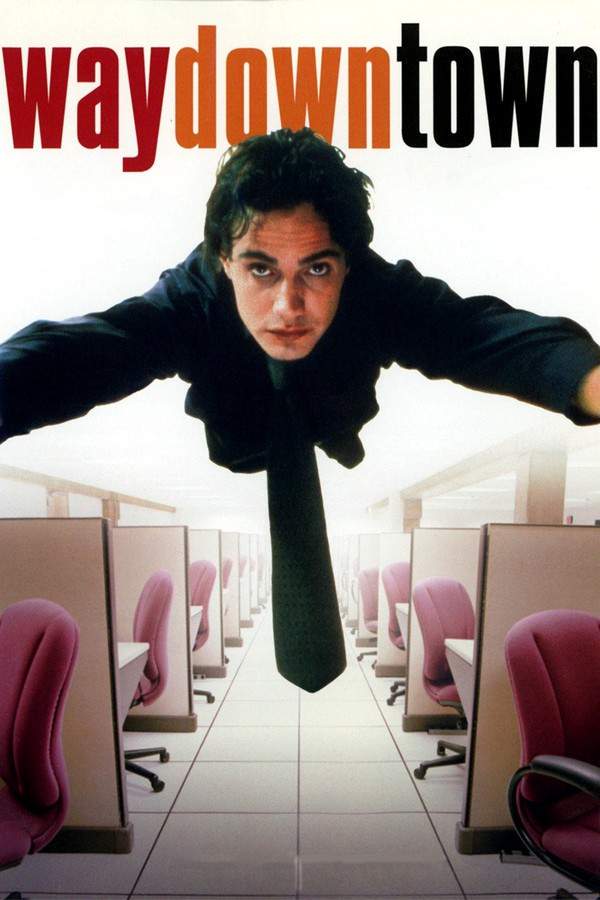
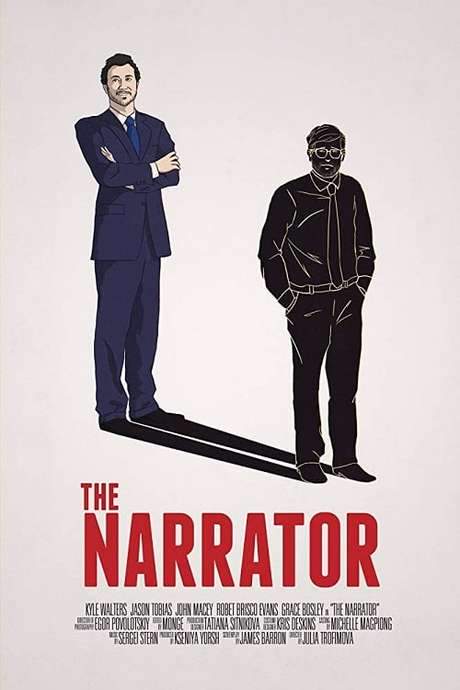
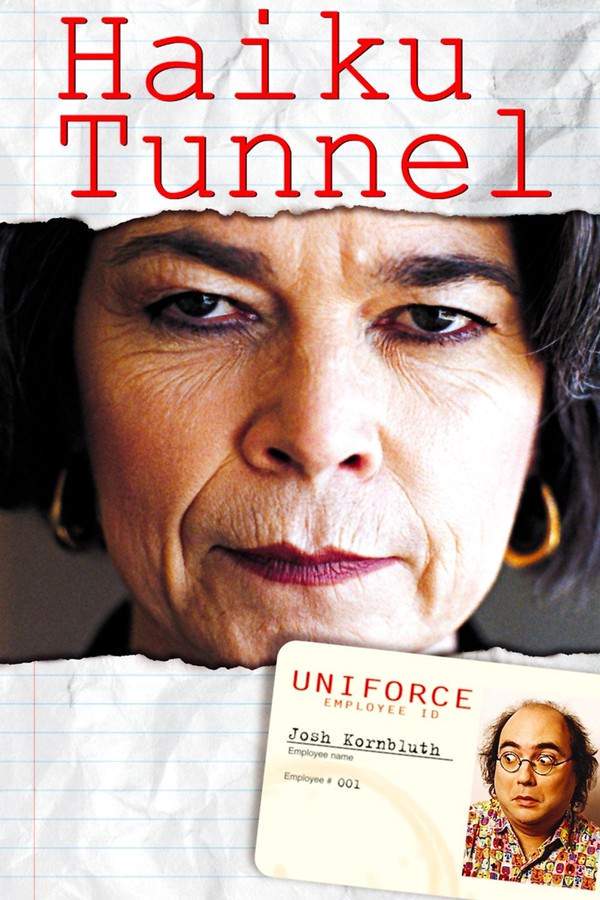
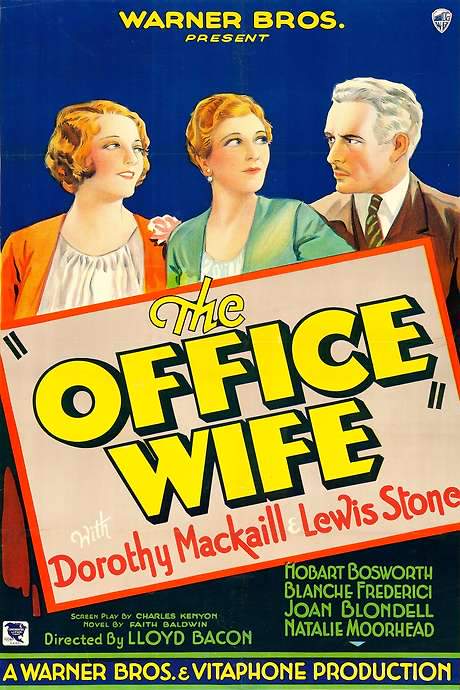
Films with a similar story, tone or audience, including Office Space, Office Hours and Head Office.
Corner Office FAQ: Where to Watch, Cast & Box Office
Runtime, release date, director, cast, where to watch, box office, ratings and post-credit scenes of Corner Office, each answered in a sentence.
How long is Corner Office?
Corner Office runs 1 hour 41 minutes (101 minutes).
When was Corner Office released?
Corner Office was released on August 4, 2023.
Who directed Corner Office?
Corner Office was directed by Joachim Back.
More films by Joachim Back Who is in the cast of Corner Office?
Corner Office stars Jon Hamm as Orson, Bill Marchant as Mitchell and Allison Riley as Carol, among 13 credited actors.
Where can I watch Corner Office?
In the US, Corner Office is streaming on MovieSphere+, Tubi TV and YouTube Free and available to rent or buy on Amazon Video, Apple TV Store and Fandango At Home (availability from JustWatch).
How much did Corner Office make at the box office?
Corner Office grossed $10,456 worldwide on a budget of $11 million.
How is Corner Office rated?
Corner Office has 6.1/10 on IMDb, 26% on Rotten Tomatoes, 47 on Metacritic and 65% on TMDB.
Does Corner Office have a post-credit scene?
No. Corner Office has no extra scene during or after the credits.
Coming soon to your phone
The Plot Explained Movie Summary App
From blockbusters to hidden gems: plot summaries, endings explained and timelines on your phone. Save your favorites and never miss a twist again.
Be the first to know when it launches. Your email stays private, always. Learn more about the app
