Compulsion 1959


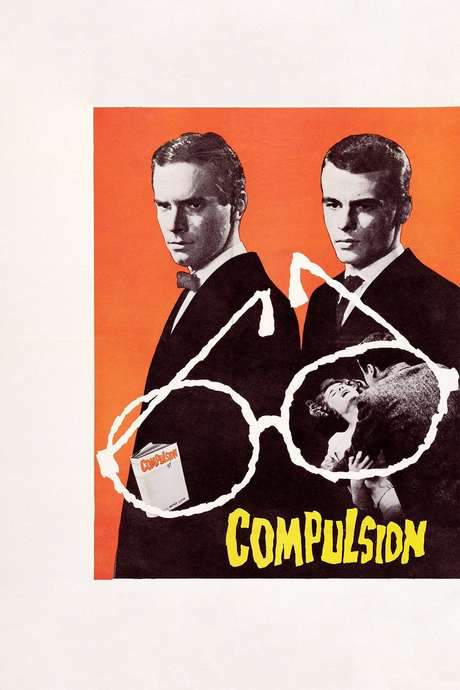
Believing they could pull off the perfect crime, two teenage friends meticulously plan a daring thrill‑seeking caper. Overconfident, they think they’ve eliminated every trace, but a single oversight—leaving a pair of glasses at the scene—shatters their scheme and triggers a shocking fallout.


Does Compulsion have end credit scenes?
No!
Compulsion does not have end credit scenes. You can leave when the credits roll.
Where to Watch Compulsion
See current US streaming, rental, and purchase options for Compulsion (1959) via JustWatch.

Amazon Prime Video
HD
Amazon Prime Video with Ads
HDProvider 1898
HD
Amazon Prime Video Free with Ads
HD
Tubi TV
SD
Amazon Video
SD
Apple TV Store
HD
Fandango At Home
HD
Google Play Movies
SD
YouTube
SD Streaming availability powered by 
Meet the Full Cast and Actors of Compulsion
Explore the complete cast of Compulsion, including both lead and supporting actors. Learn who plays each character, discover their past roles and achievements, and find out what makes this ensemble cast stand out in the world of film and television.

Orson Welles
Jonathan Wilk

Dean Stockwell
Judd Steiner
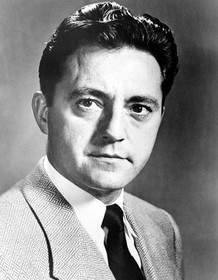
Edward Binns
Tom Daly

Richard Anderson
Max Steiner
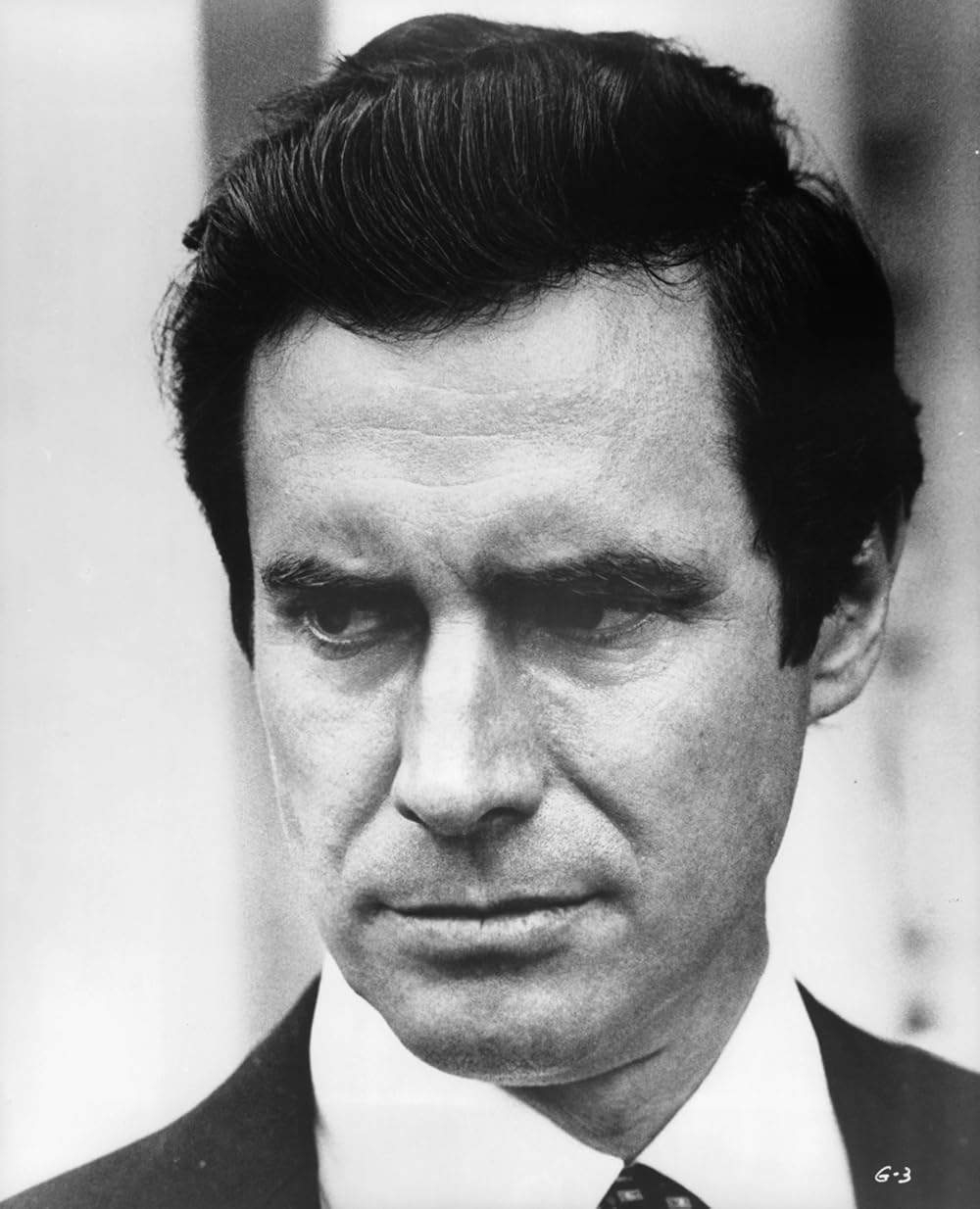
Bradford Dillman
Arthur A. Straus
Martin Milner
Sid Brooks
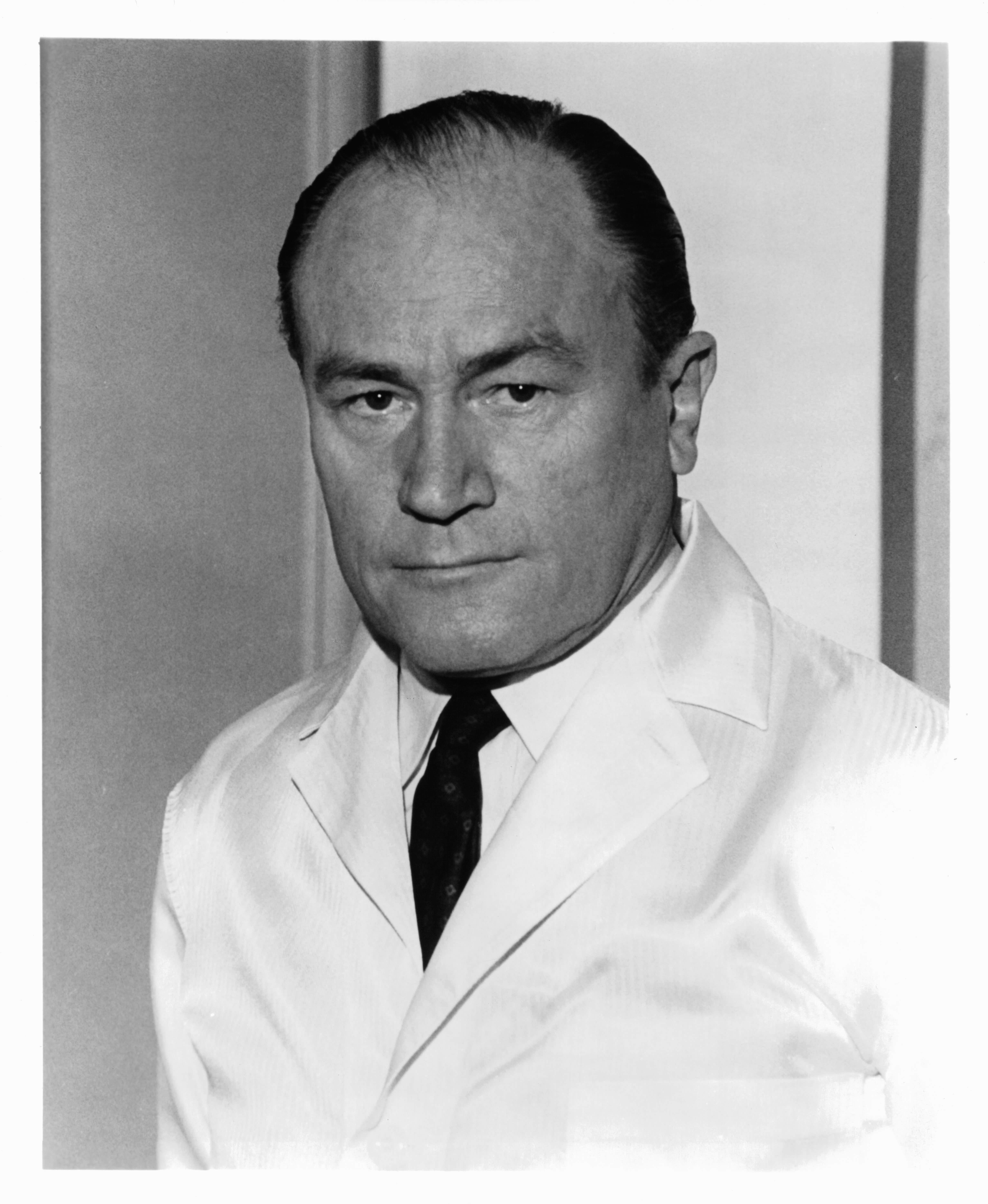
E.G. Marshall
District Attorney Harold Horn
Gavin MacLeod
Padua - Horn's Assistant
Diane Varsi
Ruth Evans
Wilton Graff
Mr. Steiner
Colin Kenny
Courtroom Spectator (uncredited)
Robert F. Simon
Police Lt. Johnson
Herschel Graham
Courtroom Spectator (uncredited)
Louise Lorimer
Mrs. Straus aka 'Mumsy'
Raoul Freeman
Courtroom Spectator (uncredited)
Robert Burton
Charles Straus
External Links and Streaming Options
Discover where to watch Compulsion online, including streaming platforms, rental options, and official sources. Compare reviews, ratings, and in-depth movie information across sites like IMDb, TMDb, Wikipedia or JustWatch.






Take the Ultimate Compulsion Movie Quiz
Challenge your knowledge of Compulsion with this fun and interactive movie quiz. Test yourself on key plot points, iconic characters, hidden details, and memorable moments to see how well you really know the film.
Compulsion (1959) Quiz: Test your knowledge of the 1959 film *Compulsion*, covering its characters, plot points, and themes.
Which actor portrayed the defense attorney Jonathan Wilk?
Full Plot Summary and Ending Explained for Compulsion
Read the complete plot summary of Compulsion, including all major events, twists, and the full ending explained in detail. Explore key characters, themes, hidden meanings, and everything you need to understand the story from beginning to end.
Dean Stockwell plays Judd Steiner, one half of a wealthy Chicago duo who are eager to test the boundaries of law and morality. His companion is Bradford Dillman as Artie Straus, a brilliant but ruthless classmate whose commands become more dangerous as Judd tries to prove his own intellectual superiority. Together, the two young men—raised in privilege and secure in their social status—grow convinced that Nietzsche’s concept of the Übermensch grants them a license to govern themselves above ordinary rules.
From the start, their bravado is treated as a study in vanity and manipulation. In a tense classroom moment, Judd pushes back against Professor McKinnon’s challenge about tribal codes, hinting that the “superior” should determine which laws apply to them. The dialogue sets a chilling tone: intellect and self-image are weaponized, and obedience to social norms is treated as a constraint imposed by the “inferior” around them. As the two move from flirtations with small transgressions to real criminal acts, the stakes escalate quickly.
What begins as petty theft soon spirals into more brazen defiance. Artie, pulling the strings, orders Judd to steal money and a typewriter from a campus fraternity house to help fabricate a ransom note. Judd, who senses the consequences of crosswords with reality, tries to resist when Artie, hungry for recognition, pushes him toward even darker ambitions. The pair’s fragile dynamic is tested when they encounter a hitchhiker one night and drive away after an argument—an act that exposes Judd’s wavering resolve and reveals the dangerous distance between their self-image and the consequences of their choices.
The real turning point comes when Artie, eager to demonstrate their “superior intellect,” creates a plan to abduct and kill a victim, thereby forcing the police to chase a ransom they control. They menace Paulie Kessler, a neighbor returning home from school, and murder him in a sequence that the film meticulously documents with a cold, procedural clarity. The idea of a flawless crime quickly proves hollow: the pair misjudge the weight of evidence and the unpredictable nature of inquiry. Their taunting behavior during investigations—Artie’s self-assured, partly winking participation—betrays a dangerous blend of bravado and ignorance about real-world law enforcement.
As the investigation unfolds, a crucial thread appears: physical evidence that does not fit Judd’s supposed alibi begins to stray from the boys’ constructed narrative. A set of eyeglasses found at the scene, with a distinctive hinge and specific purchase history, points toward someone connected to Judd, yet the missing frames from Judd’s pocket raise questions that Judd cannot neatly answer. The pair scramble to shore up alibis: they claim to have spent the evening with two girls, May and Edna, whose full names they never actually learned. Yet the alibi begins to crumble when the Steiner chauffeur reveals he was repairing Judd’s car that very night—an inconvenient inconsistency that undermines the boys’ carefully crafted story.
As the net tightens, the two men confront the possibility that their carefully staged facade may be collapsing. Artie, who has directed Judd’s actions from the outset, cracks under pressure and implicates Judd, though he tries to shield himself by shifting the emphasis onto his companion’s supposed moral failings. The tension between confession and denial intensifies, with Judd insisting that Artie was the one who killed the victim, while Artie contends that he merely followed Judd’s lead. The film carefully tracks these confessions, counterconfessions, and the strategic evasions that surround a case built on qualitative judgments about two young men who believed themselves above the law.
Facing a mounting legal challenge, the defense falls to a famously persuasive attorney, Jonathan Wilk, a character brought to life by Orson Welles. Wilk’s closing argument against capital punishment becomes a pivotal moment in the courtroom drama, pivoting the narrative from crime and punishment to the deeper moral questions surrounding justice and mercy. The courtroom is portrayed with a clear-eyed, almost clinical, focus on procedure and rhetoric, allowing the human elements—the fear, the pride, the fear of losing everything—to come through in sharp relief.
The courtroom battle culminates in a dramatic, consequential verdict: Steiner and Straus are spared the death penalty and instead sentenced to life in prison. The defense’s strategy, artfully crafted and morally complex, reframes the crime not as an isolated act of malice but as a complicated collision of intellect, influence, and the failure to confront real consequences. The outcome speaks to the film’s themes about power, privilege, and accountability, challenging viewers to consider where responsibility truly lies when young minds mistake arrogance for genius.
Beyond the central tragedy, the cast anchors the story with its social texture. The Steiner family—Mr. Steiner, played by Wilton Graff—and the Straus family—the mother figure Mrs. Straus, known as “Mumsy” and portrayed by Louise Lorimer—provide the backdrop of a world where money, status, and expectation pressure individuals toward or away from self-destructive paths. The courtroom also features supporting figures, including Charles Straus, brought to life by Robert Burton, and the students and townspeople whose lives intersect with the two protagonists, including Sid Brooks, portrayed by Martin Milner, whose perspective as a working-class classmate adds a counterpoint to the Guilded Age aura surrounding Judd and Artie.
In the end, the story remains a stark examination of ambition gone awry, where two young men imagine themselves bound for superiority but only achieve ruin, both for themselves and those around them. The anti-heroic arc is grounded in a careful, almost forensic, attention to testimony, motive, and the fragile line between intellect and conscience. The film leaves audiences with a resonant question about the true cost of believing that one is beyond the law, and it does so through a tight narrative weave marked by precise performances, taut dialogue, and a moral clarity that never sentimentalizes the consequences of power misused.

Coming soon on iOS and Android
The Plot Explained Mobile App
From blockbusters to hidden gems — dive into movie stories anytime, anywhere. Save your favorites, discover plots faster, and never miss a twist again.
Sign up to be the first to know when we launch. Your email stays private — always.
Explore the mobile appWatch Trailers, Clips & Behind-the-Scenes for Compulsion
Watch official trailers, exclusive clips, cast interviews, and behind-the-scenes footage from Compulsion. Dive deeper into the making of the film, its standout moments, and key production insights.
Cars Featured in Compulsion
Explore all cars featured in Compulsion, including their makes, models, scenes they appear in, and their significance to the plot. A must-read for car enthusiasts and movie buffs alike.
Compulsion Themes and Keywords
Discover the central themes, ideas, and keywords that define the movie’s story, tone, and message. Analyze the film’s deeper meanings, genre influences, and recurring concepts.

Unlock the World of Movies with Our Comprehensive Wiki
Dive into our Movie Wiki for in-depth film encyclopedia entries, including cast biographies, production trivia, plot synopses, behind-the-scenes facts, and thematic analyses. Whether you’re researching iconic directors, exploring genre histories, or discovering hidden easter eggs, our expertly curated movie database has everything you need to fuel your cinematic passion.

Similar Movies To Compulsion You Should Know About
Browse a curated list of movies similar in genre, tone, characters, or story structure. Discover new titles like the one you're watching, perfect for fans of related plots, vibes, or cinematic styles.







Quick Links: Summary, Cast, Ratings, More

What's After the Movie?
Not sure whether to stay after the credits? Find out!
Check out our other apps:

SAT Sphere
Build confidence for the Digital SAT.

Mori Atlas
Discover wild places worth protecting.

Luntero
Search smarter for a home in Amsterdam.

Plot Explained
Unravel movie endings and hidden clues.

Pokechamp
Dive into Pokémon data and battle logic.

Driving Theory
Get ready for your European theory test.

Movie Dust
Plan your next cinema trip with ease.

Musemap
Find art and culture as you travel.

Selkobase
Compare credentials before committing.

Local Manual
Turn an unfamiliar country into practical next steps.

Lernavi
Compare school systems before your next move.

GymRoam
Find a workout stop wherever your plans take you.
Explore Our Movie Platform
New Movie Releases (2026)
Famous Movie Actors
Top Film Production Studios
Movie Plot Summaries & Endings
Major Movie Awards & Winners
Best Concert Films & Music Documentaries
Movie Collections and Curated Lists
© 2026 What's After the Movie. All rights reserved.
Privacy Policy