What Is Compulsion About?
The premise of Compulsion in 304 words, with nothing given away. The full story follows below.
In the sleek, privileged world of 1950s Chicago, two young men raised in wealth and expectation find themselves intoxicated by the idea of transcending ordinary rules. Judd Steiner is a charismatic heir whose confidence teeters between brilliance and vanity, while his classmate Artie Straus is a coldly analytical mind that constantly pushes the boundaries of what they consider possible. Their friendship, forged in elite schools and hallowed lecture halls, becomes a laboratory for grand philosophical debates—especially when a lecture from Professor McKinnon sparks their fascination with Nietzsche’s Übermensch and the notion that superior intellect might justify a life lived beyond conventional law.
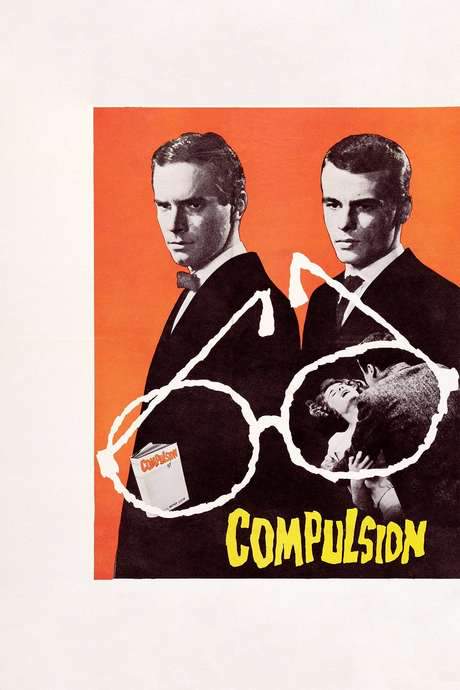
Together they devise an elaborate, thrill‑seeking caper that they believe will prove their intellectual dominance. The plan is drawn with meticulous precision, each detail scrubbed of risk, reflecting their adolescent hubris and the restless energy of a generation that doubts the limits imposed by society. The tone of the film balances a cool, almost clinical focus on their scheming with an undercurrent of tension, as their privileged bubble collides with the inevitable unpredictability of the world outside their insulated circles. A single, seemingly trivial oversight—a pair of distinctive glasses left behind—serves as a subtle reminder that no amount of planning can erase every trace.
As the stakes rise, the pair’s dynamic shifts between rivalry and uneasy partnership, each trying to outsmart the other while grappling with the moral weight of their ambitions. When the consequences of their actions begin to surface, the narrative widens to include the powerful, persuasive voice of Jonathan Wilk, a seasoned attorney who forces the boys to confront the larger questions of justice, responsibility, and the true cost of believing oneself untouchable. The film’s atmosphere remains taut and introspective, inviting viewers to linger on the uneasy blend of intellectual arrogance and the fragile humanity lurking beneath the surface.
What Happens in Compulsion?
The complete story of Compulsion, from the first scene to the last, in 958 words (about 4 minutes). Spoilers throughout. Names in the text link to 7 cast member pages.
Spoilers ahead
Dean Stockwell plays Judd Steiner, one half of a wealthy Chicago duo who are eager to test the boundaries of law and morality. His companion is Bradford Dillman as Artie Straus, a brilliant but ruthless classmate whose commands become more dangerous as Judd tries to prove his own intellectual superiority. Together, the two young men—raised in privilege and secure in their social status—grow convinced that Nietzsche’s concept of the Übermensch grants them a license to govern themselves above ordinary rules.
From the start, their bravado is treated as a study in vanity and manipulation. In a tense classroom moment, Judd pushes back against Professor McKinnon’s challenge about tribal codes, hinting that the “superior” should determine which laws apply to them. The dialogue sets a chilling tone: intellect and self-image are weaponized, and obedience to social norms is treated as a constraint imposed by the “inferior” around them. As the two move from flirtations with small transgressions to real criminal acts, the stakes escalate quickly.
What begins as petty theft soon spirals into more brazen defiance. Artie, pulling the strings, orders Judd to steal money and a typewriter from a campus fraternity house to help fabricate a ransom note. Judd, who senses the consequences of crosswords with reality, tries to resist when Artie, hungry for recognition, pushes him toward even darker ambitions. The pair’s fragile dynamic is tested when they encounter a hitchhiker one night and drive away after an argument—an act that exposes Judd’s wavering resolve and reveals the dangerous distance between their self-image and the consequences of their choices.
The real turning point comes when Artie, eager to demonstrate their “superior intellect,” creates a plan to abduct and kill a victim, thereby forcing the police to chase a ransom they control. They menace Paulie Kessler, a neighbor returning home from school, and murder him in a sequence that the film meticulously documents with a cold, procedural clarity. The idea of a flawless crime quickly proves hollow: the pair misjudge the weight of evidence and the unpredictable nature of inquiry. Their taunting behavior during investigations—Artie’s self-assured, partly winking participation—betrays a dangerous blend of bravado and ignorance about real-world law enforcement.
As the investigation unfolds, a crucial thread appears: physical evidence that does not fit Judd’s supposed alibi begins to stray from the boys’ constructed narrative. A set of eyeglasses found at the scene, with a distinctive hinge and specific purchase history, points toward someone connected to Judd, yet the missing frames from Judd’s pocket raise questions that Judd cannot neatly answer. The pair scramble to shore up alibis: they claim to have spent the evening with two girls, May and Edna, whose full names they never actually learned. Yet the alibi begins to crumble when the Steiner chauffeur reveals he was repairing Judd’s car that very night—an inconvenient inconsistency that undermines the boys’ carefully crafted story.
As the net tightens, the two men confront the possibility that their carefully staged facade may be collapsing. Artie, who has directed Judd’s actions from the outset, cracks under pressure and implicates Judd, though he tries to shield himself by shifting the emphasis onto his companion’s supposed moral failings. The tension between confession and denial intensifies, with Judd insisting that Artie was the one who killed the victim, while Artie contends that he merely followed Judd’s lead. The film carefully tracks these confessions, counterconfessions, and the strategic evasions that surround a case built on qualitative judgments about two young men who believed themselves above the law.
Facing a mounting legal challenge, the defense falls to a famously persuasive attorney, Jonathan Wilk, a character brought to life by Orson Welles. Wilk’s closing argument against capital punishment becomes a pivotal moment in the courtroom drama, pivoting the narrative from crime and punishment to the deeper moral questions surrounding justice and mercy. The courtroom is portrayed with a clear-eyed, almost clinical, focus on procedure and rhetoric, allowing the human elements—the fear, the pride, the fear of losing everything—to come through in sharp relief.
The courtroom battle culminates in a dramatic, consequential verdict: Steiner and Straus are spared the death penalty and instead sentenced to life in prison. The defense’s strategy, artfully crafted and morally complex, reframes the crime not as an isolated act of malice but as a complicated collision of intellect, influence, and the failure to confront real consequences. The outcome speaks to the film’s themes about power, privilege, and accountability, challenging viewers to consider where responsibility truly lies when young minds mistake arrogance for genius.
Beyond the central tragedy, the cast anchors the story with its social texture. The Steiner family—Mr. Steiner, played by Wilton Graff—and the Straus family—the mother figure Mrs. Straus, known as “Mumsy” and portrayed by Louise Lorimer—provide the backdrop of a world where money, status, and expectation pressure individuals toward or away from self-destructive paths. The courtroom also features supporting figures, including Charles Straus, brought to life by Robert Burton, and the students and townspeople whose lives intersect with the two protagonists, including Sid Brooks, portrayed by Martin Milner, whose perspective as a working-class classmate adds a counterpoint to the Guilded Age aura surrounding Judd and Artie.
In the end, the story remains a stark examination of ambition gone awry, where two young men imagine themselves bound for superiority but only achieve ruin, both for themselves and those around them. The anti-heroic arc is grounded in a careful, almost forensic, attention to testimony, motive, and the fragile line between intellect and conscience. The film leaves audiences with a resonant question about the true cost of believing that one is beyond the law, and it does so through a tight narrative weave marked by precise performances, taut dialogue, and a moral clarity that never sentimentalizes the consequences of power misused.
Compulsion Timeline: Every Key Event in Order
14 key events in the order they happen, from “Nietzschean Übermensch mindset among Judd and Artie” to “Sentencing: life imprisonment”. 14 events name a place, across 13 locations.
- 1
Nietzschean Übermensch mindset among Judd and Artie
Judd Steiner and Artie Straus, two wealthy young law students, embrace Nietzsche’s idea of the Übermensch and believe they are above ordinary law. They see themselves as intellectually superior and intend to test this belief against the world around them.
When:Late 1950s Where:University of Chicago
- 2
Challenging Professor McKinnon’s classroom lecture
In class, Judd challenges Professor McKinnon’s lecture on tribal codes, arguing that tribal leaders do not feel compelled to obey the laws they set. Sid Brooks, a classmate, contrasts Judd's unsettling confidence with the professor's authority.
When:During class Where:University classroom, Chicago
- 3
Artie pressures Judd into petty theft
To please Artie, who wields influence over him, Judd participates in criminal acts he previously resisted, including stealing $67 and a typewriter from a campus fraternity house. These acts mark the beginning of their descent and test Judd's resolve.
When:Evening Where:Fraternity house, University of Chicago
- 4
Attempted murder of a hitchhiker
Artie orders Judd to run over a hitchhiking drunk they have a run-in with. Judd falters and narrowly misses the victim, triggering Artie's scorn and doubt about Judd's commitment to their plan.
When:Evening Where:Road near campus
- 5
A plan to demonstrate superior intellect
Judd, seeking Artie's approval, proposes a more ambitious crime: murder, ransom, and evading the police to prove their supposed superiority. Artie agrees, escalating their criminal ambitions.
When:Evening Where:Car ride/cruising location
- 6
Paulie Kessler murder
The duo lures Paulie Kessler, a neighbor returning from school, and murders him, convinced they have achieved the 'perfect crime.' The crime triggers the law's enforcement and sets the investigation in motion.
When:Evening Where:Neighborhood, Chicago
- 7
Artie's misleading leads to investigators
During police questioning, Artie provides cocky, false leads to throw investigators off track. He even suggests a former teacher whom they had attended years earlier, manipulating suspicion away from themselves.
When:Night Where:Police HQ
- 8
Sid Brooks finds critical evidence
Sid, investigating a drowned boy case, discovers eyeglasses near Paulie's body that do not belong to Paulie. The glasses have a distinctive hinge and match Judd’s own purchases, making them key evidence. This discovery pivots the investigation toward the two suspects.
When:Day Where:Park scene / crime location
- 9
Judd's missing glasses and alibi vulnerabilities
Questioned by investigators, Judd claims he dropped his own glasses days earlier during bird-watching with ornithology students. The missing glasses create a critical hole in his alibi.
When:Day Where:Interrogation room
- 10
Deciding to dispose of the ransom-note typewriter
With mounting evidence, Judd and Artie plan to dump the typewriter used to type the ransom note, hoping to scrub their traces from the crime. The logistics of disposal become a new area of risk for them.
When:Night Where:Campus dumpster / near fraternity
Show the other 4 events of Compulsion Hide the last 4 events
- 11
Alibis crumble
Judd and Artie attempt to conjure alibis by claiming they were out with girls May and Edna, but the chauffeur's testimony that he repaired Judd’s car all evening undermines the story. The alibi begins to unravel in the face of physical proof.
When:Night Where:Police HQ / car workshop
- 12
Artie's confession and Judd's response
Under interrogation, Artie cracks and implicates Judd, who then confirms the details but insists Artie was the killer. Their rivalry peaks as truth comes out under pressure.
When:Night Where:Police station
- 13
Attorney Jonathan Wilk takes the case
Renowned attorney Jonathan Wilk agrees to defend the two, delivering a passionate closing argument against capital punishment that sways the jury and public opinion. The defense emphasizes mitigating circumstances and moral complexity.
When:Trial period Where:Courtroom
- 14
Sentencing: life imprisonment
The court convicts Steiner and Straus and sentences them to life in prison instead of the death penalty. The verdict ends their escape from accountability but confines them for life.
When:Final sentencing Where:Courtroom
Who Are the Main Characters in Compulsion?
9 characters, among them Judd Steiner (Dean Stockwell), Artie Straus (Bradford Dillman) and Jonathan Wilk (Orson Welles): who each one is and the part they play in the story. 8 of them link to the actor’s page.
-

Judd Steiner (Dean Stockwell)
Played by Dean Stockwell
A brilliant but impressionable law student who seeks to prove his superiority, yet remains vulnerable to Artie’s coercive influence. His commitment to Nietzschean notions wanes as guilt and fear surface, revealing a conflicted psyche.
- 🧠 Ambition
- ⚖️ Legal mind
- 🌀 Influence
-
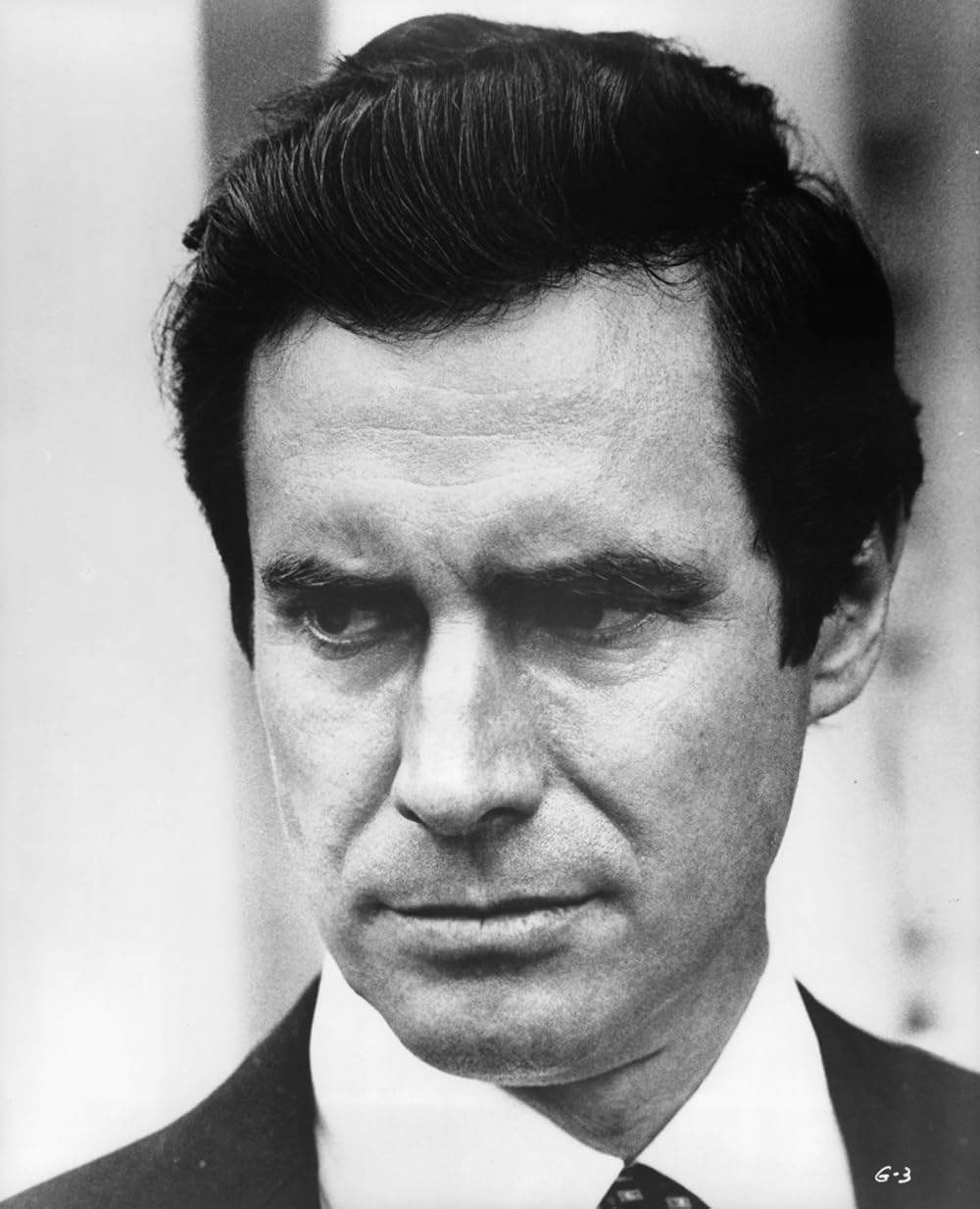
Artie Straus (Bradford Dillman)
Played by Bradford Dillman
Charismatic and domineering, Artie pushes them toward criminal actions to demonstrate their supposed superiority. He manipulates Judd, crafts the ransom plan, and ultimately breaks under interrogation.
- 🎭 Charisma
- 🧭 Manipulation
- 🧩 Recklessness
-
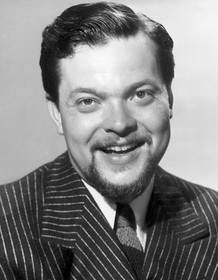
Jonathan Wilk (Orson Welles)
Played by Orson Welles
A renowned attorney who defends the defendants and argues against capital punishment in a powerful closing. He embodies persuasive courtroom rhetoric and strategic moral framing.
- ⚖️ Legal brilliance
- 🗣️ Oratory
- 🎯 Strategy
- SB
Sid Brooks (Martin Milner)
Played by Martin Milner
A classmate and aspiring journalist who probes the murder case, offering a critical, ground-level view of events. He connects investigative details to the broader social context and the consequences of the crime.
- 📰 Journalism
- 🕵️♂️ Investigation
- 📚 Curiosity
- PK
Paulie Kessler
A neighbor and the victim whose murder catalyzes the investigation. His death exposes the criminals’ arrogance and triggers the unraveling of their alibis.
- 🧒 Victim
- 🚔 Catalyst
- 🕯️ Tragedy
- MS
Mr. Steiner (Judd’s father)
Played by Wilton Graff
A member of a wealthy, socially prominent family whose status anchors Judd’s world. He represents the environment that shapes Judd’s upbringing and sense of entitlement.
- 💼 Wealth
- 🏛️ Influence
- 👨👦 Family
- CS
Charles Straus (Artie’s father)
Played by Robert Burton
Another pillar of high society, his presence underscores the Straus's social standing and the expectations placed on Artie. His character adds perspective on the privilege driving the narrative.
- 💼 Wealth
- 🏛️ Privilege
- 👨👦 Family
-
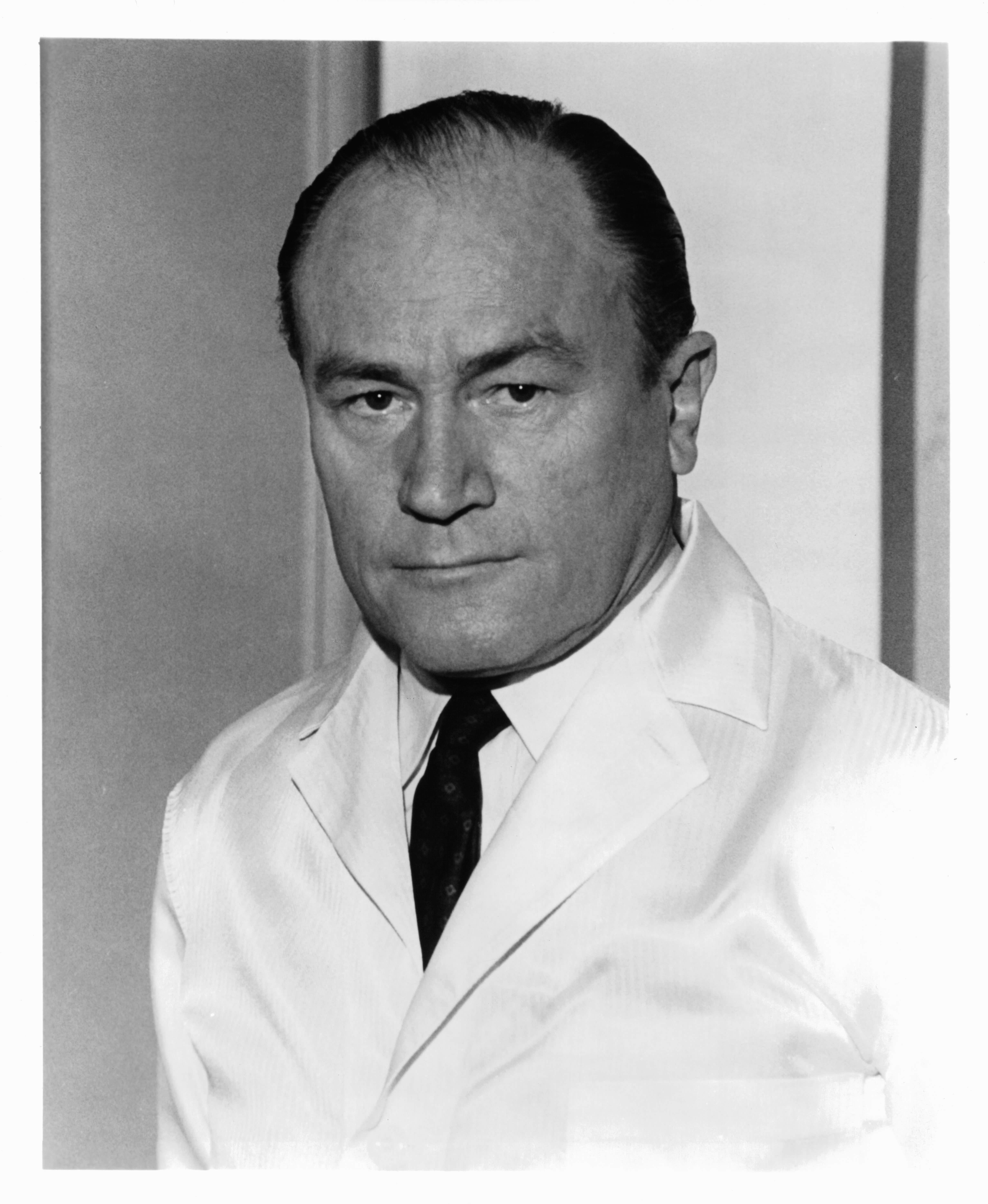
District Attorney Harold Horn
Played by E.G. Marshall
The public prosecutor who leads the case against the defendants and triggers the courtroom drama that tests the limits of the legal system.
- ⚖️ Prosecution
- 🗣️ Authority
- 🕵️♂️ Courtroom
- P(
Padua (Horn's Assistant)
Played by Gavin MacLeod
A courtroom aide who supports the prosecution, adding a sense of procedural tension to the trial and its many moving parts.
- 🗂️ Assistant
- 🗳️ Courtroom
- 🧩 Detail
Where and When Is Compulsion Set?
Compulsion is set in Chicago, University of Chicago campus, fraternity house and city park. Here is why the place matters to the story.
Where
Chicago, University of Chicago campus, fraternity house, city park
The story unfolds in Chicago, centering on the University of Chicago campus and nearby neighborhoods. Key scenes take place inside a fraternity house and during drives through the city streets, reflecting the era's affluent social circles. The setting juxtaposes academic life with a crime-ridden city landscape, underscoring the contrast between intellect and moral failure.
- 🏙️ Urban
- 🏛️ University setting
- 🗺️ Chicago
What Are the Themes of Compulsion?
3 ideas the story keeps returning to, among them Law vs. Morality, Intellectual Pride and Justice & Capital Punishment.
-
01
Law vs. Morality
Powerful young students convinced of their superiority challenge tribal and legal codes. The murder and subsequent trial probe whether intellect can override ethical responsibility, or if the law remains the ultimate equalizer.
-
02
Intellectual Pride
Judd and Artie fuse philosophy with criminal action, using Nietzschean notions of the Übermensch to justify their crimes. The film examines how ideas can corrupt judgment when detached from empathy and consequences.
-
03
Justice & Capital Punishment
The defense by a famed attorney reframes the case into a debate about capital punishment. The narrative questions whether the state has the right to end lives, even for brutal crime, and at what cost.
What Kind of Film Is Compulsion?
Dark in tone, with steady pacing and a moderate story, going by the plot summary.
- Tone
- Dark
- Pacing
- Steady
- Story
- Moderate
- Intensity
- High
- Ending
- Sad
A clinical and tense courtroom thriller that methodically dissects the downfall of two intellectually arrogant young men, creating a chilling and morally complex atmosphere of impending doom.
- tense
- forensic
- arrogant
- chilling
- oppressive
- manipulative
- crime and punishment
- judicial system
- intellectual arrogance
- murder
Content notes: child murder, intense violence, implied homosexuality, police interrogation.
Quiz
How well do you remember Compulsion? Test yourself on the story.