

History
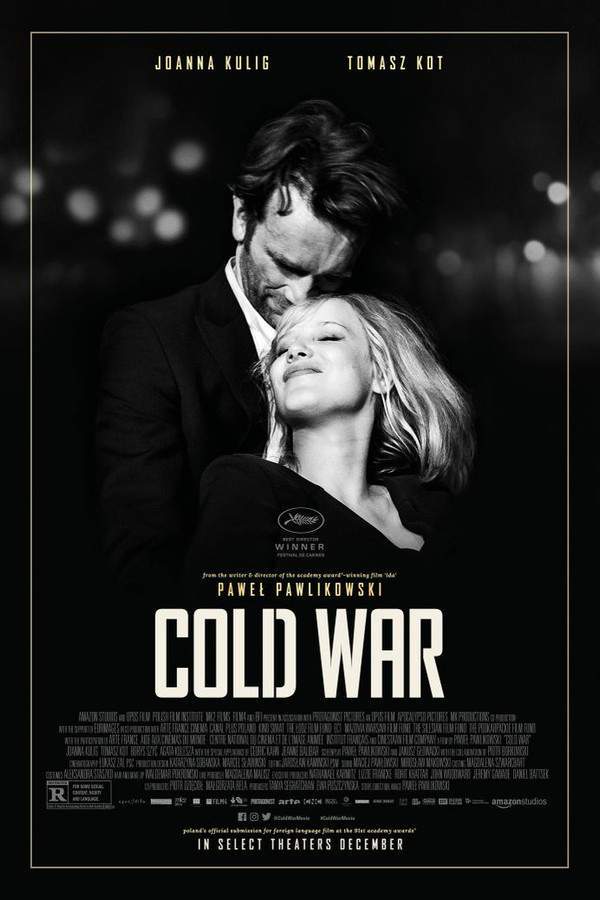
Cold War is a 2018 romantic drama directed by Pawel Pawlikowski, starring Tomasz Kot as Wiktor, Agata Kulesza and Borys Szyc. It runs 1 hour 29 minutes and earned $20.5 million worldwide on a $4.3 million budget. It was nominated for 3 Oscars. Critics gave it 92% on Rotten Tomatoes and 90 on Metacritic, and IMDb users rate it 7.5/10.
 Polish
 The premise of Cold War without spoilers. The whole story is in the plot summary further down.
Set against the political turmoil of post-World War II Europe, a passionate and complex relationship develops between a Polish classical pianist and a young dancer. Their connection is tested by ideological differences and the ever-present shadow of the Cold War, forcing them to confront difficult choices and make sacrifices. As their personal lives intertwine with the broader political landscape, they must grapple with the consequences of their love and the uncertain future that lies ahead.
Tomasz Kot leads the cast as Wiktor, with Agata Kulesza as Irena and Borys Szyc as Kaczmarek. Directed by Pawel Pawlikowski; 12 actors are credited in all.
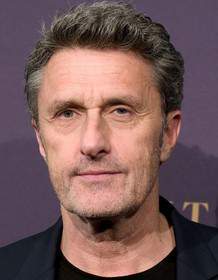 Director Pawel Pawlikowski
 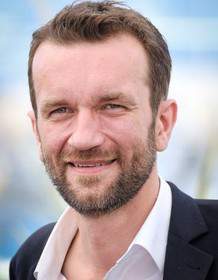 Tomasz Kot as Wiktor
 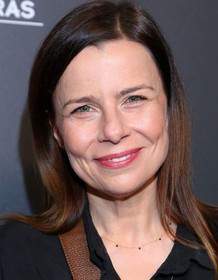 Agata Kulesza as Irena
 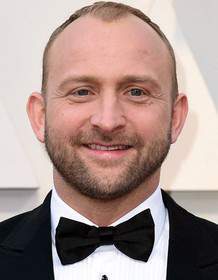 Borys Szyc as Kaczmarek
 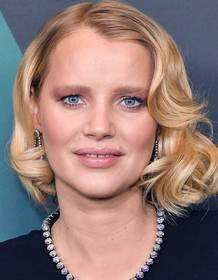 Joanna Kulig as Zula
 Critics gave Cold War 92% on Rotten Tomatoes and 90 on Metacritic, and IMDb users rate it 7.5/10. Our Echo Score gives it 79/100, strongest in sensory experience (90) and weakest in story & flow (65).
Cold War presents a compelling visual and auditory portrait of a wartime romance, anchored by meticulously rendered period design and a poignant musical backdrop. Its deliberate pace and episodic structure offer poetic reflections on artistic struggle, though some viewers may find the narrative’s emotional connection uneven and its thematic focus opaque at times. The film’s formal rigor and evocative imagery generate a distinctive mood, rewarding patient engagement. Despite its measured rhythm, Cold War ultimately leaves a lingering impression through its aesthetic unity.
Our own 0–100 rating, built from five aspects: art, character, story, the sensory experience and how well a film rewatches.
In terms of art and craft, Cold War demonstrates strength in its meticulously composed black-and-white cinematography and production design, with period settings rendered in evocative detail. Many accounts highlight Pawlikowski’s precise framing and the film’s atmospheric lighting. While its unconventional aspect ratio and deliberate editing style occasionally risk alienating viewers, the overall visual composition remains a notable feature that reinforces the film’s melancholic tone.
When it comes to character and emotion, the leads deliver intense and committed performances, particularly Joanna Kulig’s ferocity and Tomasz Kot’s restrained passion. However, several observations note that the emotional connection between the protagonists sometimes lacks depth, and supporting roles provide limited context. As a result, the vivid portrayals are occasionally offset by a narrative distance that tempers the film’s overall emotional resonance.
Regarding story and flow, the film’s episodic narrative and historical backdrop offer moments of poetic insight into artists’ lives under communism. Yet many find its measured pacing and thematic ambiguity contribute to a sense of narrative unevenness, and occasional lulls disrupt engagement. This structural rhythm sustains a contemplative mood but may challenge viewers seeking a more cohesive or dynamically driven storyline.
In terms of sensory experience, Cold War delivers a rich aural landscape of folk and jazz-inflected music, complemented by detailed sound design that immerses the viewer in each performance. Visually, the monochrome palette and romantic lighting create a cohesive stylistic identity. Together, these elements form an integrated sensory tapestry that stands as one of the film’s most compelling assets.
When evaluating rewatch value, Cold War’s formal precision and emotive performances invite repeated viewings for aficionados of art-house cinema. Its thematic depth and stylistic consistency reveal new subtleties on subsequent screenings. However, the deliberate pacing and restrained emotional beats may limit its replay appeal for broader audiences. Ultimately, its lasting allure is strongest among viewers who appreciate meticulous craftsmanship and mood-driven storytelling.
 IMDb
IMDb 7.5 /10
See on IMDb Rotten Tomatoes
 92% Tomatometer
Popcornmeter 82%
See on Rotten Tomatoes Metacritic
 90 Metascore
User score 8.0
See on Metacritic TMDB
TMDB 74% User score
See on TMDB Letterboxd
 4.0 /5
4.2K ratings
See on Letterboxd Movie Insider
 3.0 /5
See on Movie InsiderWhat happens in Cold War from start to finish, spoilers included, with a timeline of 15 key events. The opening is below; the full summary is a 3-minute read.
Spoilers ahead
In post-WWII Poland, specifically the year 1949, a passionate trio of creative minds embark on a journey across the war-torn countryside. This group consists of the talented music composer and pianist Wiktor, the skilled dance choreographer Irena, and their pragmatic manager Kaczmarek. Their mission is to collect traditional folk songs and dances from rural communities. Despite Kaczmarek’s skepticism regarding the commercial viability of these regional dialect songs, they persevere in their quest.
Full summary
The whole story of Cold War, scene by scene
Cold War grossed $20.5 million worldwide on a $4.3 million budget, 4.8 times what it cost. $4.6 million came from the US and Canada and $15.9 million (78%) from the rest of the world.
Worldwide gross
$20.5M
4.8× its budget
Cold War was nominated for 3 Oscars. The 8 nominations come from 3 ceremonies, the most at the BAFTA 2019.
8 nominations3 ceremonies


8 videos: 2 trailers, 1 teaser and 5 clips.
10 questions about the story, each with a hint if you get stuck. Pick an answer to see whether you were right.
Question 1 of 10
What year does the film Cold War begin?
21 cars on screen, including the 2013 Cadillac ATS and the 2013 Ford Police Interceptor Utility.
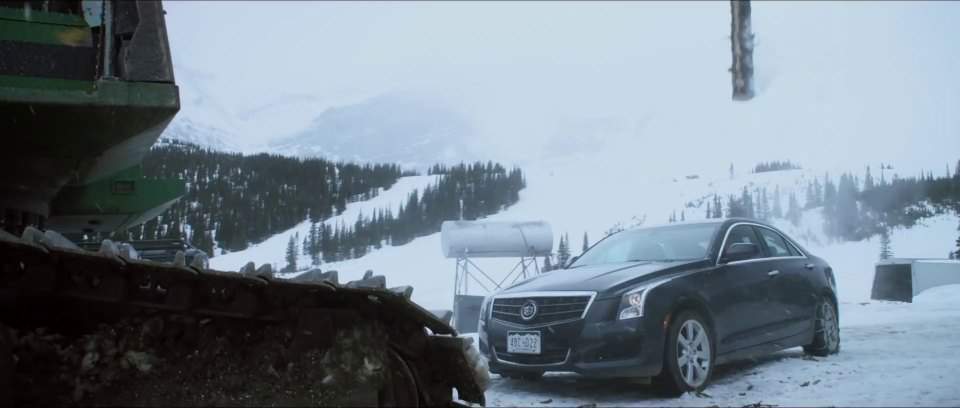 2013 Cadillac ATS Important role
 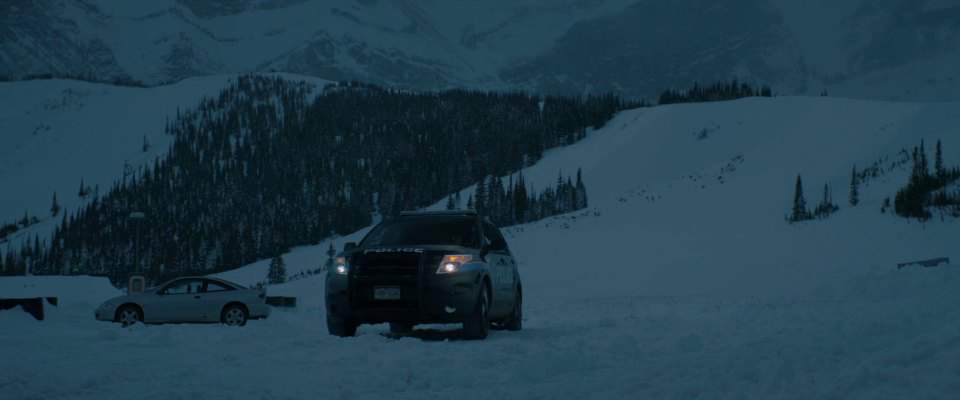 2013 Ford Police Interceptor Utility Important role
 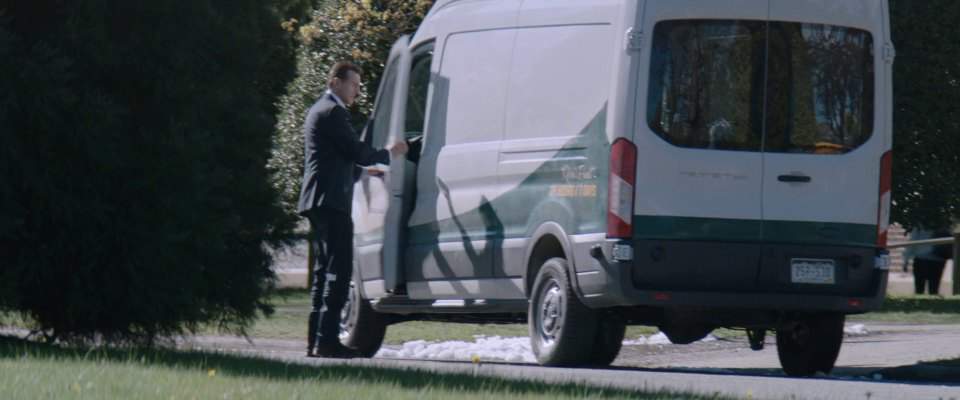 2015 Ford Transit Important role
 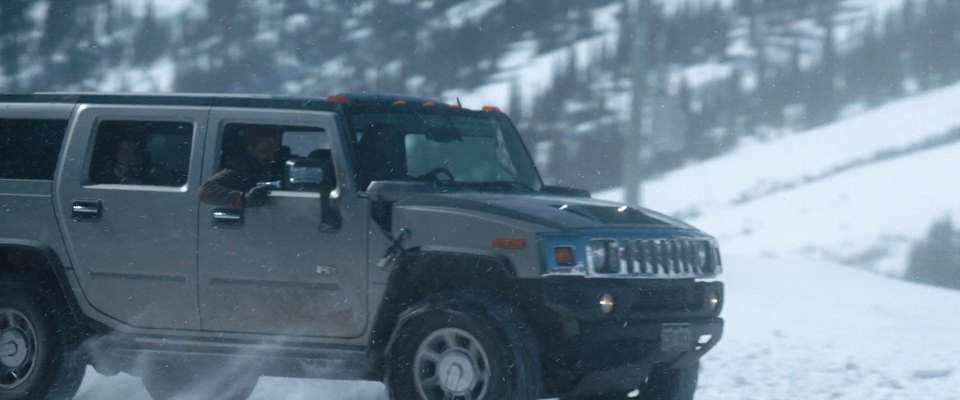 2006 Hummer H2 Important role
 31 alternative titles, including “SCAN'18: Šaltasis karas” and “Зимняя война”.
Seen Cold War?
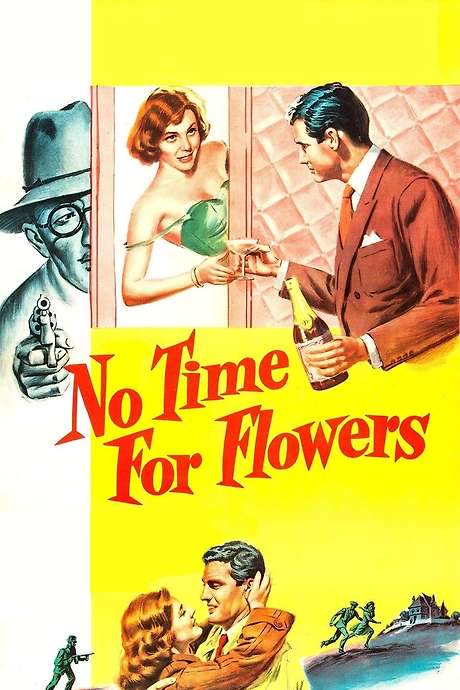
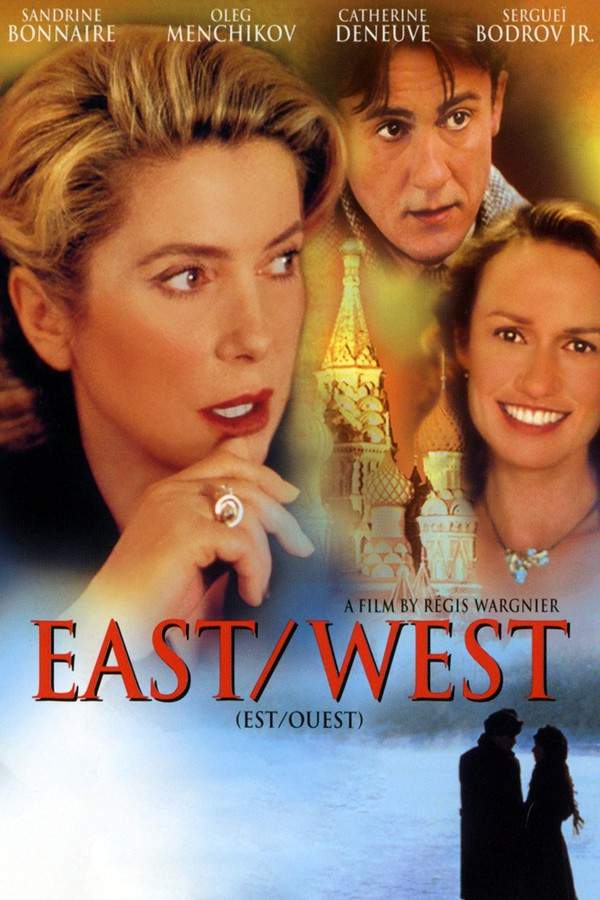
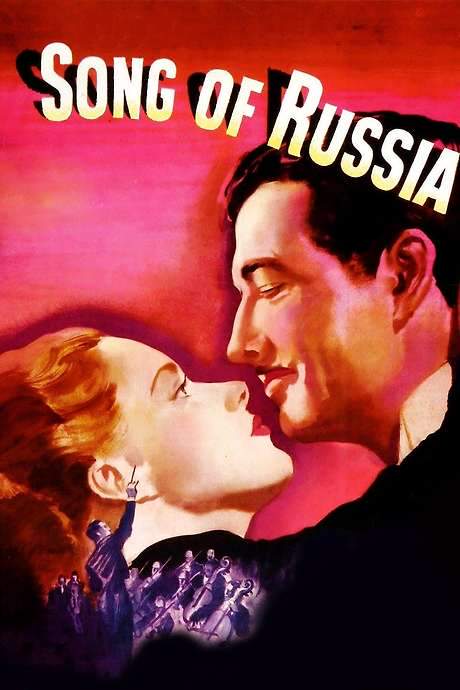
Films with a similar story, tone or audience, including No Time for Flowers, Est - Ouest and Song of Russia.
Our article about Cold War: “The Renaissance of Black and White Films in Modern Times”.
Runtime, release date, director, cast, box office, ratings, awards and post-credit scenes of Cold War, each answered in a sentence.
Cold War runs 1 hour 29 minutes (89 minutes).
Cold War was released on December 21, 2018.
Cold War was directed by Pawel Pawlikowski.
More films by Pawel PawlikowskiCold War stars Tomasz Kot as Wiktor, Agata Kulesza as Irena and Borys Szyc as Kaczmarek, among 12 credited actors.
Cold War grossed $20.5 million worldwide ($4.6 million domestic, $15.9 million international) on a budget of $4.3 million.
Cold War has 7.5/10 on IMDb, 92% on Rotten Tomatoes, 90 on Metacritic and 74% on TMDB.
Cold War received 8 nominations across 3 ceremonies.
Yes. Cold War has an extra scene during or after the credits, so it is worth staying seated.
Coming soon to your phone
From blockbusters to hidden gems: plot summaries, endings explained and timelines on your phone. Save your favorites and never miss a twist again.
Be the first to know when it launches. Your email stays private, always. Learn more about the app
