Carol for Another Christmas 1964



When the future meets the past and worlds collide, Daniel Grudge— a wealthy industrialist and staunch isolationist still grieving the loss of his son in World II— is visited by three ghosts on Christmas Eve. Their spectral guidance forces him to re‑examine his hardened stance toward humanity.

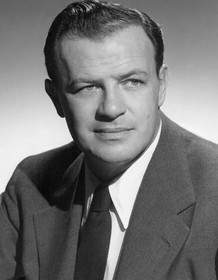
Does Carol for Another Christmas have end credit scenes?
No!
Carol for Another Christmas does not have end credit scenes. You can leave when the credits roll.
Where to Watch Carol for Another Christmas
See current US streaming, rental, and purchase options for Carol for Another Christmas (1964) via JustWatch.





Streaming availability powered by 
Meet the Full Cast and Actors of Carol for Another Christmas
Explore the complete cast of Carol for Another Christmas, including both lead and supporting actors. Learn who plays each character, discover their past roles and achievements, and find out what makes this ensemble cast stand out in the world of film and television.
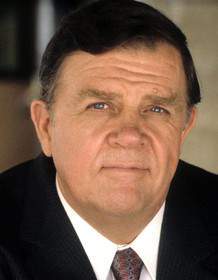
Pat Hingle
Ghost of Christmas Present
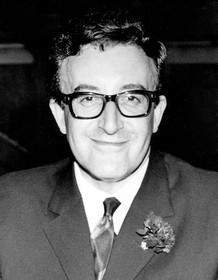
Peter Sellers
Imperial Me
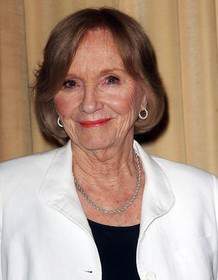
Eva Marie Saint
WAVE Lt. Gibson
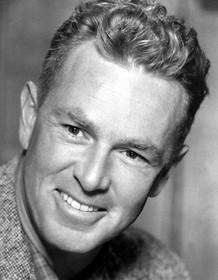
Sterling Hayden
Daniel Grudge
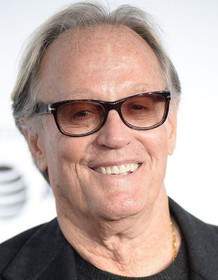
Peter Fonda
Marley Grudge (uncredited)
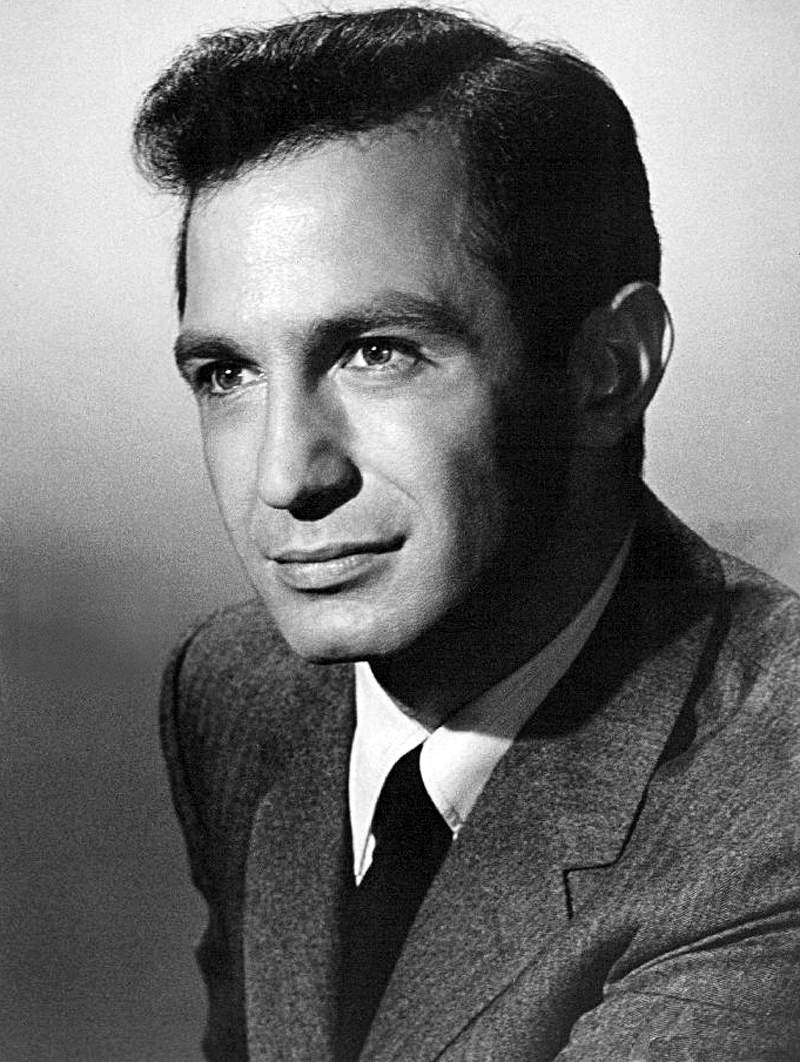
Ben Gazzara
Fred
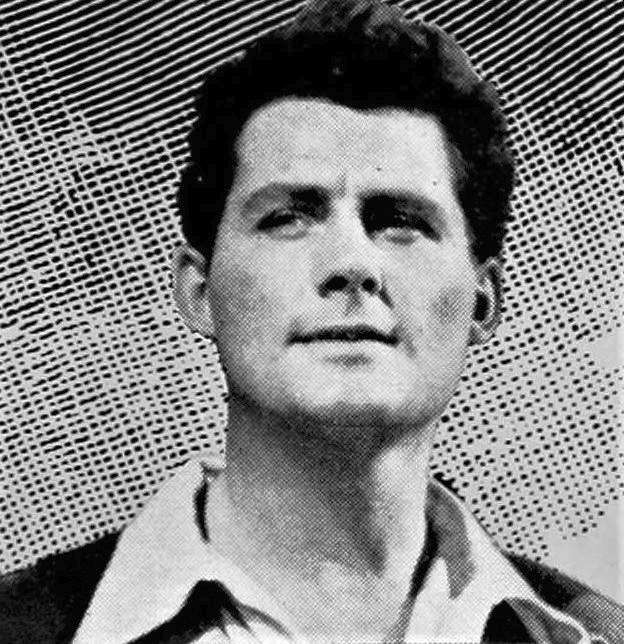
Robert Shaw
Ghost of Christmas Future

Britt Ekland
The Mother
Steve Lawrence
Ghost of Christmas Past
Joe Santos
Number 32 (uncredited)
James Shigeta
Japanese Doctor
Percy Rodriguez
Charles
Barbara Ann Teer
Ruby
External Links and Streaming Options
Discover where to watch Carol for Another Christmas online, including streaming platforms, rental options, and official sources. Compare reviews, ratings, and in-depth movie information across sites like IMDb, TMDb, Wikipedia or JustWatch.






Take the Ultimate Carol for Another Christmas Movie Quiz
Challenge your knowledge of Carol for Another Christmas with this fun and interactive movie quiz. Test yourself on key plot points, iconic characters, hidden details, and memorable moments to see how well you really know the film.
Carol for Another Christmas Quiz: Test your knowledge of the 1964 film "Carol for Another Christmas" with these ten varied-difficulty questions.
Which actor portrays the wealthy industrialist Daniel Grudge?
Full Plot Summary and Ending Explained for Carol for Another Christmas
Read the complete plot summary of Carol for Another Christmas, including all major events, twists, and the full ending explained in detail. Explore key characters, themes, hidden meanings, and everything you need to understand the story from beginning to end.
On Christmas Eve, Daniel Grudge, Sterling Hayden, a wealthy American industrialist, sits alone in a dark room of his mansion, brooding over a framed display of war medals while a record of a World War II–era song, Don’t Sit Under the Apple Tree (with Anyone Else but Me), threads through the speakers. He shuts off the music, but the melody stubbornly returns as he leaves the room. Downstairs, his nephew Fred, Ben Gazzara, arrives to press Grudge on a cause, only to find a stubborn defense of isolationism. Grudge contends that the United States should stay out of foreign affairs, avoid cultural exchanges, foreign aid, and UN discussions, while Fred argues for empathy, dialogue, and a global approach to prevent future wars and nuclear catastrophe. The rift is sharpened by a shared memory that weighs on them both: Marley, the son Grudge loved and who was killed in World War II on Christmas Eve 1944, a memory that binds their fear of loss to a fear of intervention. Marley, Peter Fonda, remains a haunting reminder of the price of inaction.
After Fred leaves, the record begins again on its own, and Grudge is drawn into visions that blur the line between memory and nightmare. He finds himself aboard a fogbound troopship, its deck lined with coffins draped in flags and guarded by soldiers at attention. A voice introduces itself as the Ghost of Christmas Past, Steve Lawrence, and explains that the ship carries the dead of nations from wars across history. Through the mist, another vessel appears, carrying World War II dead, and Grudge realizes he is witnessing a vast convoy of history’s fallen. The Ghost urges that the path to ending killing is simple: more talk, more understanding, more humanity. This admonition leads them to a grim recollection from Grudge’s own past as a Navy commander, when he and his WAVE driver, Eva Marie Saint, visited a hospital in Hiroshima and beheld the faces of children scarred by the atomic blast. The moment is stark, intimate, and morally compounding, a reminder that distant violence touches real lives.
The journey then turns to the Ghost of Christmas Present, [Pat Hingle], who sits at an enormous Christmas feast laid out on Grudge’s own dining table. The Ghost’s gleaming plate is a stark contrast to the adjacent internment camp, where displaced people from various nations scrape for food in the snow. Grudge challenges the Ghost’s abundance, but the Ghost counters with statistics about the persistent needs of the world and insists that refusing aid only exacerbates suffering. In a dramatic gesture, the Ghost toppled tableware and food, scattering leftovers across the floor, to force Grudge to confront the consequences of his theories of self-reliance. The impact of this confrontation sends Grudge spiraling into a nightmarish vision of his town.
He emerges in the ruined hall of the local town hall, now a battlefield scarred by a nuclear war. The Ghost of Christmas Future, [Robert Shaw], presents a chilling scene: a demagogue who calls himself “Imperial Me,” a figure in a Santa suit with a cowboy‑hat crown, rallies a crowd that prizes self-interest over collective survival. The crowd cheers as Imperial Me and his followers begin to persecute the idea of cooperation, first threatening those across the river who want to talk, then turning on each other. Grudge witnesses his own staff—his loyal butler, Charles, portrayed by Percy Rodriguez—being condemned as a traitor and shot by a young boy in a cowboy outfit. Ruby, Grudge’s cook, played by Barbara Ann Teer, grieves at Charles’s death as the crowd presses toward a brutal survivalist endgame. As the vision unfolds, Grudge confronts a maddening question: is this world “as it must be, or as it might be?” The Ghost offers no answer, simply leaving Grudge to digest what he has witnessed.
When Grudge awakens on Christmas morning, he finds himself back in his study, the phone in his hand, and his nephew Fred at the door. Fred notes that Grudge called him in the early hours and asks him to stop by on the way to church. In the wake of the night’s revelations, Grudge softens toward internationalism and diplomacy, offering cautious support for the United Nations and the power of dialogue to prevent future wars. The mood shifts as the radio broadcasts the voices of UN delegates’ children singing Christmas carols in their native languages, a small but resonant symbol of global solidarity. Fred exits, and Grudge chooses a different morning ritual—he steps into the kitchen to share coffee with Charles and Ruby instead of allowing them to serve him on a tray, signaling a newfound respect for the shared humanity that binds people across borders.
In the quiet, hopeful aftermath, the film’s Christmas spirit lingers: a recognition that strength without mercy risks breeding cycles of violence, while openness to cooperation can become a lifeline for future generations. The narrative travels from a self-contained life of privilege to a broader vision where dialogue, empathy, and collective action stand as antidotes to fear and destruction. Through visions of the past, present, and possible futures, Grudge discovers a path toward reconciliation with others and, crucially, with Marley’s memory—an awakening that reframes his priorities and invites a more hopeful chapter for a world weary of war.

Coming soon on iOS and Android
The Plot Explained Mobile App
From blockbusters to hidden gems — dive into movie stories anytime, anywhere. Save your favorites, discover plots faster, and never miss a twist again.
Sign up to be the first to know when we launch. Your email stays private — always.
Explore the mobile appDiscover Film Music Concerts Near You – Live Orchestras Performing Iconic Movie Soundtracks
Immerse yourself in the magic of cinema with live orchestral performances of your favorite film scores. From sweeping Hollywood blockbusters and animated classics to epic fantasy soundtracks, our curated listings connect you to upcoming film music events worldwide.
Explore concert film screenings paired with full orchestra concerts, read detailed event information, and secure your tickets for unforgettable evenings celebrating legendary composers like John Williams, Hans Zimmer, and more.


Cars Featured in Carol for Another Christmas
Explore all cars featured in Carol for Another Christmas, including their makes, models, scenes they appear in, and their significance to the plot. A must-read for car enthusiasts and movie buffs alike.
Carol for Another Christmas Themes and Keywords
Discover the central themes, ideas, and keywords that define the movie’s story, tone, and message. Analyze the film’s deeper meanings, genre influences, and recurring concepts.
Carol for Another Christmas Other Names and Titles
Explore the various alternative titles, translations, and other names used for Carol for Another Christmas across different regions and languages. Understand how the film is marketed and recognized worldwide.
Similar Movies To Carol for Another Christmas You Should Know About
Browse a curated list of movies similar in genre, tone, characters, or story structure. Discover new titles like the one you're watching, perfect for fans of related plots, vibes, or cinematic styles.


Quick Links: Summary, Cast, Ratings, More

What's After the Movie?
Not sure whether to stay after the credits? Find out!
Check out our other apps:

SAT Sphere
Build confidence for the Digital SAT.

Mori Atlas
Discover wild places worth protecting.

Luntero
Search smarter for a home in Amsterdam.

Plot Explained
Unravel movie endings and hidden clues.

Pokechamp
Dive into Pokémon data and battle logic.

Driving Theory
Get ready for your European theory test.

Movie Dust
Plan your next cinema trip with ease.

Musemap
Find art and culture as you travel.

Selkobase
Compare credentials before committing.

Local Manual
Turn an unfamiliar country into practical next steps.

Lernavi
Compare school systems before your next move.

GymRoam
Find a workout stop wherever your plans take you.
Explore Our Movie Platform
New Movie Releases (2026)
Famous Movie Actors
Top Film Production Studios
Movie Plot Summaries & Endings
Major Movie Awards & Winners
Best Concert Films & Music Documentaries
Movie Collections and Curated Lists
© 2026 What's After the Movie. All rights reserved.
Privacy Policy