

What Is Carol for Another Christmas About?
The premise of Carol for Another Christmas in 322 words, with nothing given away. The full story follows below.
In a wintry night that feels stitched from two eras, the film opens on the secluded manor of Daniel Grudge, a wealthy American industrialist whose life has been shaped by the shadows of war. The mansion, draped in muted holiday décor and haunted by an old wartime tune, becomes a quiet arena where the past presses against the future. The story is set against a backdrop of global tension, with the United States perched on the edge of isolation, and the looming specter of a world still reeling from the devastation of World II. A muted, almost sepia‑toned visual palette blends the austere grandeur of a 1940s estate with the cold, flickering lights of a modern Christmas Eve.
Grudge carries the weight of personal loss—his son, Marley, fell on a Christmas night four decades earlier—fueling a steely resolve to keep America aloof from foreign entanglements. This resolve is challenged when his idealistic nephew, Fred, arrives, urging dialogue, aid, and a more cooperative stance toward the emerging United Nations. Their conversations ripple through the house, exposing a generational clash between hardened self‑preservation and a longing for global empathy. The familial tension is palpable, each character embodying a distinct philosophy about how a nation should confront its place in a fractured world.
As the clock strikes midnight, three ethereal visitors appear, echoing the classic ghosts of Dickensian lore while bearing a contemporary urgency. Their presence injects a haunting, otherworldly rhythm into the narrative, urging Grudge to confront the foundations of his isolationist creed. The tone balances the solemnity of a midnight ghost story with the hopeful, if uneasy, promise of redemption that Christmas traditionally carries.
The film swirls between intimate, candlelit rooms and expansive, fog‑filled visions, creating a mood that feels both nostalgic and unsettlingly prescient. It invites the audience to wonder how far one man’s grief and conviction can stretch before the world’s collective chorus of voices—past, present, and possible—calls him to listen.
What Happens in Carol for Another Christmas?
The complete story of Carol for Another Christmas, from the first scene to the last, in 879 words (about 4 minutes). Spoilers throughout. Names in the text link to 7 cast member pages.
Spoilers ahead
On Christmas Eve, Daniel Grudge, Sterling Hayden, a wealthy American industrialist, sits alone in a dark room of his mansion, brooding over a framed display of war medals while a record of a World War II–era song, Don’t Sit Under the Apple Tree (with Anyone Else but Me), threads through the speakers. He shuts off the music, but the melody stubbornly returns as he leaves the room. Downstairs, his nephew Fred, Ben Gazzara, arrives to press Grudge on a cause, only to find a stubborn defense of isolationism. Grudge contends that the United States should stay out of foreign affairs, avoid cultural exchanges, foreign aid, and UN discussions, while Fred argues for empathy, dialogue, and a global approach to prevent future wars and nuclear catastrophe. The rift is sharpened by a shared memory that weighs on them both: Marley, the son Grudge loved and who was killed in World War II on Christmas Eve 1944, a memory that binds their fear of loss to a fear of intervention. Marley, Peter Fonda, remains a haunting reminder of the price of inaction.
After Fred leaves, the record begins again on its own, and Grudge is drawn into visions that blur the line between memory and nightmare. He finds himself aboard a fogbound troopship, its deck lined with coffins draped in flags and guarded by soldiers at attention. A voice introduces itself as the Ghost of Christmas Past, Steve Lawrence, and explains that the ship carries the dead of nations from wars across history. Through the mist, another vessel appears, carrying World War II dead, and Grudge realizes he is witnessing a vast convoy of history’s fallen. The Ghost urges that the path to ending killing is simple: more talk, more understanding, more humanity. This admonition leads them to a grim recollection from Grudge’s own past as a Navy commander, when he and his WAVE driver, Eva Marie Saint, visited a hospital in Hiroshima and beheld the faces of children scarred by the atomic blast. The moment is stark, intimate, and morally compounding, a reminder that distant violence touches real lives.
The journey then turns to the Ghost of Christmas Present, [Pat Hingle], who sits at an enormous Christmas feast laid out on Grudge’s own dining table. The Ghost’s gleaming plate is a stark contrast to the adjacent internment camp, where displaced people from various nations scrape for food in the snow. Grudge challenges the Ghost’s abundance, but the Ghost counters with statistics about the persistent needs of the world and insists that refusing aid only exacerbates suffering. In a dramatic gesture, the Ghost toppled tableware and food, scattering leftovers across the floor, to force Grudge to confront the consequences of his theories of self-reliance. The impact of this confrontation sends Grudge spiraling into a nightmarish vision of his town.
He emerges in the ruined hall of the local town hall, now a battlefield scarred by a nuclear war. The Ghost of Christmas Future, [Robert Shaw], presents a chilling scene: a demagogue who calls himself “Imperial Me,” a figure in a Santa suit with a cowboy‑hat crown, rallies a crowd that prizes self-interest over collective survival. The crowd cheers as Imperial Me and his followers begin to persecute the idea of cooperation, first threatening those across the river who want to talk, then turning on each other. Grudge witnesses his own staff—his loyal butler, Charles, portrayed by Percy Rodriguez—being condemned as a traitor and shot by a young boy in a cowboy outfit. Ruby, Grudge’s cook, played by Barbara Ann Teer, grieves at Charles’s death as the crowd presses toward a brutal survivalist endgame. As the vision unfolds, Grudge confronts a maddening question: is this world “as it must be, or as it might be?” The Ghost offers no answer, simply leaving Grudge to digest what he has witnessed.
When Grudge awakens on Christmas morning, he finds himself back in his study, the phone in his hand, and his nephew Fred at the door. Fred notes that Grudge called him in the early hours and asks him to stop by on the way to church. In the wake of the night’s revelations, Grudge softens toward internationalism and diplomacy, offering cautious support for the United Nations and the power of dialogue to prevent future wars. The mood shifts as the radio broadcasts the voices of UN delegates’ children singing Christmas carols in their native languages, a small but resonant symbol of global solidarity. Fred exits, and Grudge chooses a different morning ritual—he steps into the kitchen to share coffee with Charles and Ruby instead of allowing them to serve him on a tray, signaling a newfound respect for the shared humanity that binds people across borders.
In the quiet, hopeful aftermath, the film’s Christmas spirit lingers: a recognition that strength without mercy risks breeding cycles of violence, while openness to cooperation can become a lifeline for future generations. The narrative travels from a self-contained life of privilege to a broader vision where dialogue, empathy, and collective action stand as antidotes to fear and destruction. Through visions of the past, present, and possible futures, Grudge discovers a path toward reconciliation with others and, crucially, with Marley’s memory—an awakening that reframes his priorities and invites a more hopeful chapter for a world weary of war.
Carol for Another Christmas Timeline: Every Key Event in Order
12 key events in the order they happen, from “Grudge's Christmas Eve isolation” to “A new morning ritual: coffee with Charles and Ruby”. 12 events name a place, across 12 locations.
- 1
Grudge's Christmas Eve isolation
On Christmas Eve, Daniel Grudge sits alone in a dark mansion room, listening to a World War II-era song and staring at war medals. He shuts off the record, then hears it start again on its own, hinting at a haunting tie between his regrets and his present bitterness. The scene establishes a man haunted by loss and resistant to the outside world.
When:Christmas Eve Where:Grudge's mansion, dark study
- 2
Fred presses Grudge on cultural aid and diplomacy
Downstairs, Fred confronts his uncle about canceling a Polish cultural exchange, arguing for international engagement and humanitarian aid. Grudge replies with a hardline isolationist view, insisting the U.S. should strengthen arms and avoid foreign commitments. Fred leaves reminding him they share a love for Marley, their common ground amid the disagreement.
When:Christmas Eve Where:Mansion, downstairs lounge
- 3
Marley's memory
After Fred departs, Grudge is confronted by a vision of Marley, his son killed in World War II on Christmas Eve 1944. The spectral encounter deepens Grudge's guilt and foreshadows the moral test ahead. The moment clarifies why his political stance feels personal and painful.
When:Christmas Eve memory (1944) Where:Dining room / memory
- 4
Ghost of Christmas Past arrives on a fogbound convoy
The Ghost of Christmas Past leads Grudge onto the foggy deck of a troopship, where coffins draped in flags stand at attention. A second vessel carries the WWII dead, showing the scale of history's losses. The Ghost hints that more dialogue, not more weapons, is the cure for war.
When:Vision sequence, Christmas Eve Where:Fogbound troopship deck
- 5
Hiroshima flashback
Grudge, as a Navy commander, visits a hospital in devastated Hiroshima with his WAVE driver and witnesses Japanese schoolchildren scarred by the atom bomb. The brutal memory unsettles his military pride and complicates his worldview. The scene underscores the human cost behind political posturing.
When:1945 Where:Hiroshima hospital
- 6
Christmas Present reveals need and charity
The Ghost of Christmas Present appears, feasting at a massive dinner on Grudge's dining table while an internment camp nearby shows displaced people in need. Grudge challenges the Ghost's callousness, but the Ghost reminds him that donations and aid are essential, even if it feels uncomfortable. The display exposes a moral failure within Grudge's philosophy.
When:Christmas Eve (present) Where:Grudge's dining room; nearby internment camp
- 7
Tablecloth pulled away and Grudge flees
Angered by the display, Grudge cannot bear the spectacle and a tablecloth is suddenly ripped away, sending leftovers onto the floor. He runs from the room into the dark, escaping the sight of hunger and desperation. The moment crystallizes his initial rejection of collective responsibility.
When:Christmas Eve (present) Where:Dining room to exterior
- 8
Future vision: the ruined town hall and Imperial Me
Grudge enters a destroyed town hall where a demagogue called Imperial Me exhorts self-interest while the crowd brutalizes his butler Charles. A young boy shoots Charles, and the crowd begins a deadly march toward eradicating dissent. The future scene warns of a world driven by fear and faction rather than cooperation.
When:Future vision Where:Ruined town hall
- 9
Is this the world as it must be or could be?
Imperial Me's followers celebrate as they prepare to eliminate the other side, prompting Grudge to ask the Ghost if this is inevitable or avoidable. The Ghost refuses to answer, leaving Grudge with a chilling uncertainty about humanity's fate.
When:Future vision Where:Outside the ruined hall
- 10
Christmas morning unfolds: new hope surfaces
Grudge awakens back in his study on Christmas morning, his phone still in his hand, and Fred arrives to recount the night’s revelations. He begins to show a more open stance toward international diplomacy and the United Nations, though he does not yet fully commit.
When:Christmas morning Where:Grudge's mansion, study
- 11
3 a.m. call and the plan to visit church
Fred tells Grudge that he arrived after Grudge called him at 3 a.m., and that he came by on his way to church. The admission reveals the night’s events had already begun to shift Grudge’s perspective. The moment adds a concrete thread of accountability to his evolving worldview.
When:3:00 a.m. Where:Mansion, study
- 12
A new morning ritual: coffee with Charles and Ruby
Rather than being served on a tray, Grudge asks for coffee with his longtime staff, Charles and Ruby, in the kitchen. The intimate, domestic scene signals a softened attitude and a willingness to preserve life and humanity beyond his own interests. The ending hints at a future where cooperation and care could replace cynicism.
When:Christmas morning Where:Mansion, kitchen
Who Are the Main Characters in Carol for Another Christmas?
12 characters, among them Daniel Grudge (Sterling Hayden), Fred (Ben Gazzara) and Marley Grudge (Peter Fonda): who each one is and the part they play in the story. Every profile links to the actor’s page.
-
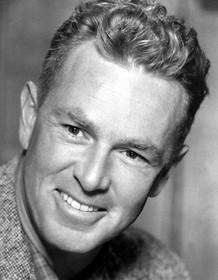
Daniel Grudge (Sterling Hayden)
Played by Sterling Hayden
A rich industrialist whose isolationist worldview and suspicion of foreign aid are challenged by the visiting ghosts. He is stubborn, self-reliant to a fault, and increasingly unsettled as memories of the war and its costs surface. His arc moves from cynicism to a reluctant openness to international diplomacy and collective welfare.
- 💼 Wealth
- 🗝️ Power
- 🌐 Transformation
-
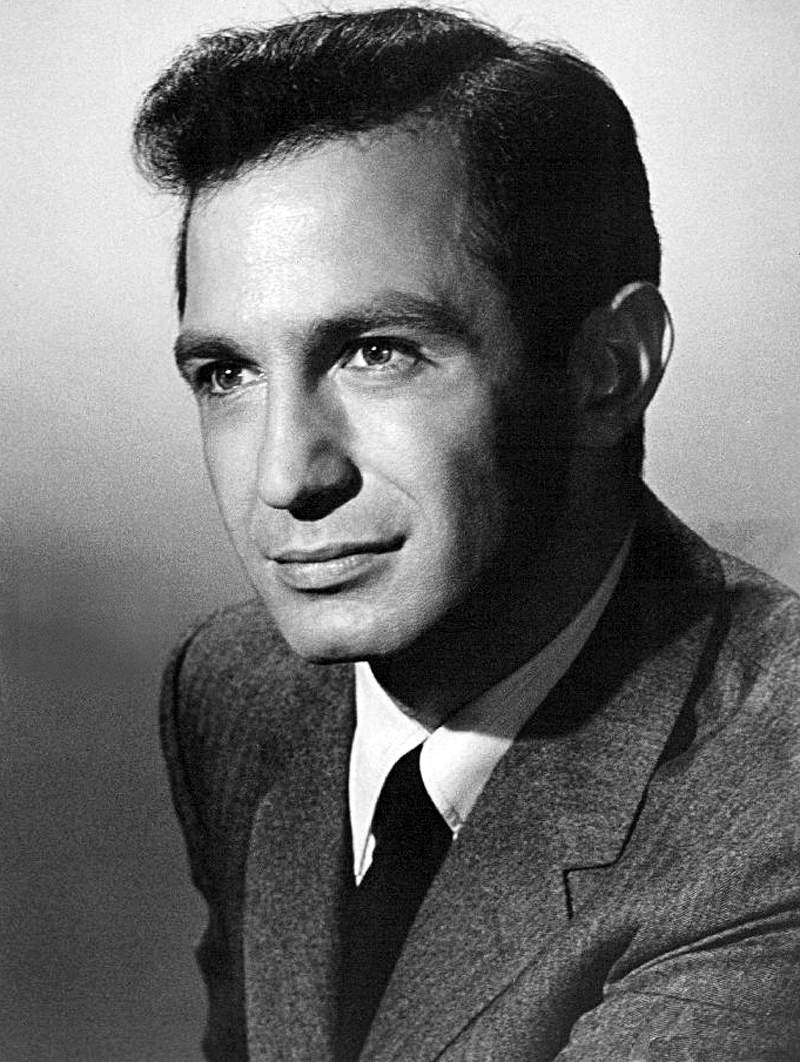
Fred (Ben Gazzara)
Played by Ben Gazzara
Grudge’s nephew who advocates for international exchange and humanitarian aid. He serves as the moral foil to Grudge’s isolationism, pushing for engagement with the wider world. His arguments reflect a belief in shared responsibility and the value of dialogue.
- 🧭 Moral stance
- 🤝 Hope
- 🌍 Diplomacy
-

Marley Grudge (Peter Fonda)
Played by Peter Fonda
The late son whose memory haunts Grudge, underscoring themes of guilt and the personal cost of war. Marley’s presence intensifies the pressure for Grudge to reassess his choices and embrace a more compassionate worldview.
- 💔 Family
- 🕊️ Remembrance
- 🧭 Regret
- GO
Ghost of Christmas Past (Steve Lawrence)
Played by Steve Lawrence
A spectral guide showing the brutal aftermath of past wars, including war dead and the toll on ordinary people. He emphasizes that reconciliation and dialogue might prevent future bloodshed. His scenes connect history to present choices.
- 👁️ Vision
- 🕰️ Memory
- 🪖 War legacy
-
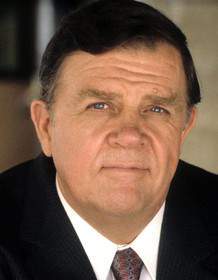
Ghost of Christmas Present (Pat Hingle)
Played by Pat Hingle
A gluttonous, satirical figure who exposes the suffering of the living—the displaced, the hungry, and the poor—while Grudge sits at the table. He challenges Grudge’s notions of charity and self-sufficiency, urging real action rather than rhetoric.
- 🧭 Critique
- 🧭 Charity
- 🏚️ Suffering
-
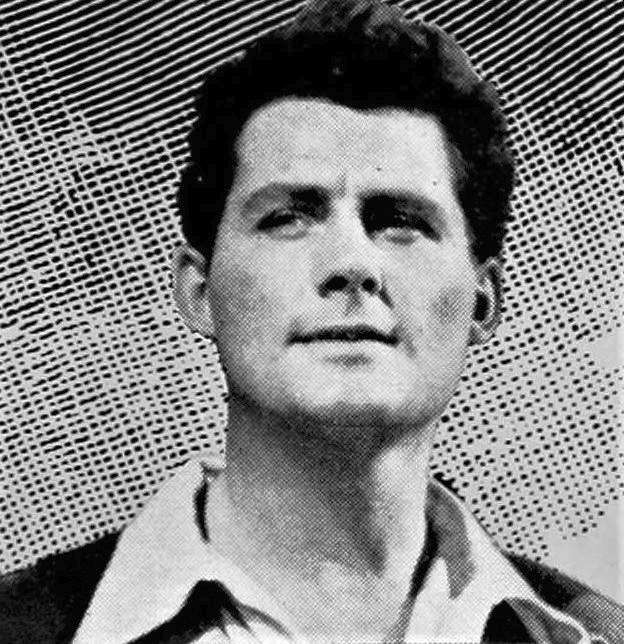
Ghost of Christmas Future (Robert Shaw)
Played by Robert Shaw
The ominous guide to a possible nuclear-dominated future, where a demagogue leads a self-interested crowd toward ruin. He starkly presents the consequences of inaction and the breakdown of communal life.
- 🔮 Prophecy
- ⚠️ Warning
- 🏚️ Ruin
-
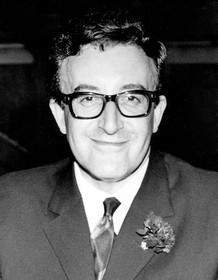
Imperial Me (Peter Sellers)
Played by Peter Sellers
A flamboyant demagogue wearing a Santa-cowboy crown who embodies extreme individualism and mob mentality. He represents how self-interest and manipulation can drive society toward conflict and tyranny.
- 🎭 Charisma
- 🗡️ Demagoguery
- 🧭 Self-interest
- C(
Charles (Percy Rodriguez)
Played by Percy Rodriguez
The Grudge household butler who becomes a symbol of decency and collective duty. He is beset by mob violence and ultimately killed, illustrating the erosion of civil discourse under collective irrationality.
- 🧭 Duty
- 🏛️ Decorum
- 💔 Sacrifice
- R(
Ruby (Barbara Ann Teer)
Played by Barbara Ann Teer
The cook who grieves for Charles and bears witness to the human cost of neglect and fear. She embodies compassion amid hardship and underscores the personal stakes of political decisions.
- ❤️ Compassion
- 🍲 Care
- 🕊️ Hope
-
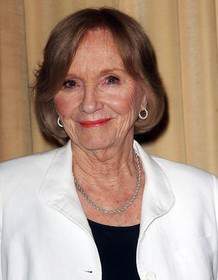
WAVE Lt. Gibson (Eva Marie Saint)
Played by Eva Marie Saint
A World War II-era WAVE driver who appears in Hiroshima, offering a human perspective on the devastation and the need for kindness across borders. Her presence anchors the wartime memory in the film’s broader pacifist message.
- 🛡️ Service
- 🗺️ Witness
- 🌟 Courage
- JD
Japanese Doctor (James Shigeta)
Played by James Shigeta
A medical professional in Hiroshima who witnesses the injuries of children; his perspective highlights the real human cost of war and the urgency of preventing further bloodshed.
- 🏥 Healing
- 🧭 Humanity
- 🕊️ Empathy
- N3
Number 32 (Joe Santos)
Played by Joe Santos
A minor figure in the crowd scenes whose presence underscores the multitude of ordinary people affected by political decisions and war.
- 👥 Crowd
- 🧭 Ordinary life
- 🗺️ Global reach
Where and When Is Carol for Another Christmas Set?
Carol for Another Christmas is set in Grudge Mansion, Troopship, Hiroshima, Internment camp and Ruined town hall (Mid-20th century). Here is why the time and place matter to the story.
When
Mid-20th century
The story draws on World War II memories and postwar anxieties, underscored by a World War II-era song. It oscillates between the 1940s wartime experiences and a speculative near-future shaped by nuclear threats. The setting reflects the era’s geopolitical tensions and the growing push for international diplomacy as a counter to global conflict.
Where
Grudge Mansion, Troopship, Hiroshima, Internment camp, Ruined town hall
The action centers in Grudge's secluded mansion in the United States, establishing a sharp contrast between wealth and global conflict. It briefly shifts to a fog-bound troopship carrying war dead, then to Hiroshima’s devastated hospital scenes that illuminate wartime casualties. The narrative also visits an internment camp of displaced people, highlighting social tensions, and culminates in a ruined town hall that embodies a threatened future shaped by nuclear war.
- 🏠 Mansion
- 🚢 Troopship
- 🗼 Hiroshima
- 🏚 Internment camp
- 🏙 Nuclear ruins
What Are the Themes of Carol for Another Christmas?
3 ideas the story keeps returning to, among them Internationalism, Compassion vs Self-Interest and Nuclear Anxiety.
-
01
Internationalism
The film argues that global dialogue and institutions are essential to prevent war. Grudge shifts from isolationism toward diplomacy and cooperation, suggesting that unity helps avert catastrophe. The Ghosts illustrate the broad costs of neglecting global responsibility, urging actors to think beyond national self-interest. The overall message ties personal change to a more connected world.
-
02
Compassion vs Self-Interest
The narrative contrasts Grudge’s hoarding with the needs of the vulnerable, showing how self-centered policies can exacerbate suffering. The Ghost of Christmas Present exposes the consequences of denying aid and charity, advocating empathy as a social obligation. The tale implies that generosity strengthens communities and guards against societal collapse. Grudge’s transformation hinges on embracing collective welfare over personal gain.
-
03
Nuclear Anxiety
The future sequence reveals a nuclear-ruined world, highlighting fears of weapons and their dehumanizing effects. Demagoguery and factionalism threaten civil society, illustrating how self-interest can lead to collective disaster. The story uses nuclear imagery to stress the urgency of peaceful conflict resolution and international cooperation. It frames the threat as a direct consequence of unchecked power and division.
What Kind of Film Is Carol for Another Christmas?
Melancholic in tone, with variable pacing and a moderate story, going by the plot summary.
- Tone
- Melancholic
- Pacing
- Variable
- Story
- Moderate
- Intensity
- Medium
- Ending
- Bittersweet
A melancholic and haunting TV movie that uses ghostly visions to explore a man's profound grief and political isolationism, moving through somber reflections on war to a cautiously hopeful, bittersweet conclusion.
- somber
- haunting
- reflective
- nightmarish
- cautiously hopeful
- isolated
- grief and loss
- war trauma
- social responsibility
- isolationism
Content notes: war violence, child injury, nuclear war themes, murder, post-apocalyptic imagery.
Quiz
How well do you remember Carol for Another Christmas? Test yourself on the story.


