Brexit: The Uncivil War 2019


Political strategist Dominic Cummings orchestrates a groundbreaking and divisive campaign to sway British voters towards leaving the European Union. The film explores the strategies and tactics employed from 2015, offering a behind-the-scenes look at the events leading up to the historic referendum and its aftermath. It examines the methods used to shape public opinion and the impact of this pivotal moment in British history.


Does Brexit: The Uncivil War have end credit scenes?
No!
Brexit: The Uncivil War does not have end credit scenes. You can leave when the credits roll.
Meet the Full Cast and Actors of Brexit: The Uncivil War
Explore the complete cast of Brexit: The Uncivil War, including both lead and supporting actors. Learn who plays each character, discover their past roles and achievements, and find out what makes this ensemble cast stand out in the world of film and television.

Lucy Russell
Elizabeth Denham

Benedict Cumberbatch
Dominic Cummings

Lee Boardman
Arron Banks

Mark Gatiss
Peter Mandelson (voice)

Gabriel Akuwudike
Robin
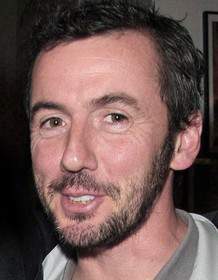
Jay Simpson
Steve

Rory Kinnear
Craig Oliver

Kiran Sonia Sawar
Shamara

Mark Dexter
David Cameron (voice)
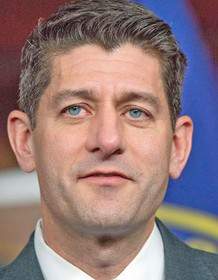
Paul Ryan
Nigel Farage
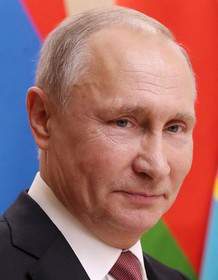
Vladimir Putin
Self (archive footage)

Rakie Ayola
Camilla

Oliver Maltman
Michael Gove
John Heffernan
Matthew Elliott
Margaret Thatcher
Self (archive footage)
Kyle Soller
Zack Massingham
Richard Durden
Bill Cash
Tim Steed
Daniel Hannan
Winston Churchill
Self (archive footage)
Richard Goulding
Boris Johnson
Simon Paisley Day
Douglas Carswell
Ronak Patani
Leave Intern Ameet
Tim McMullan
Bernard Jenkin
Neal Barry
Geoff
Kate O'Flynn
Victoria Woodcock
Liz White
Mary Wakefield
David Cameron
Self (archive footage)
Annabelle Dowler
Focus Group Facilitator
Aden Gillett
Robert Mercer
Nicholas Day
John Mills
John Arthur
Roger
Sophie Stanton
Lyndsey
Jeremy Corbyn
Self (archive footage)
Ross Hatt
Policy Strategist
Theresa May
Self (archive footage)
Boris Johnson
Self (archive footage)
Mary Antony
Leave Intern Katie
Gavin Spokes
Andrew Cooper
Henrietta Clemett
Lucy Thomas
Heather Coombs
Sandra
Andrew Barclay
Breitbart TV Interviewer
Ian Morine
Boris Johnson Staff Member
External Links and Streaming Options
Discover where to watch Brexit: The Uncivil War online, including streaming platforms, rental options, and official sources. Compare reviews, ratings, and in-depth movie information across sites like IMDb, TMDb, Wikipedia or JustWatch.






Ratings and Reviews for Brexit: The Uncivil War
See how Brexit: The Uncivil War is rated across major platforms like IMDb, Metacritic, and TMDb. Compare audience scores and critic reviews to understand where Brexit: The Uncivil War stands among top-rated movies in its genre.

The Movie Echo Score
Brexit: The Uncivil War presents a well‑acted portrait of Dominic Cummings that engages viewers with its exploration of data‑driven political manipulation. While Benedict Cumberbatch’s performance and the film’s thematic ambition receive consistent praise, the production suffers from a low‑budget visual style and a perceived partisan bias that dampen its impact. The mix of insightful moments and uneven execution results in a moderately positive overall impression, suitable for viewers interested in recent political history.
The Movie Echo Score Breakdown for Brexit: The Uncivil War

Art & Craft
In terms of direction and cinematography, the film shows an earnest attempt to visualize modern campaigning but is hampered by a cheap, low‑budget aesthetic that several reviewers found distracting. Production design is functional yet unremarkable, and editing does not compensate for visual shortcomings. Consequently, the artistic execution is viewed as uneven, delivering modest technical competence without achieving a compelling visual identity.

Character & Emotion
When it comes to character and emotion, Benedict Cumberbatch’s portrayal of Cummings is widely regarded as the film’s strongest element, delivering a nuanced and intense performance. Supporting actors are described as solid, contributing to credible interpersonal dynamics. Although some criticize the one‑sided depiction of the opposing side, the depth and authenticity of the central characters generate a strong emotional resonance that elevates the overall experience.

Story & Flow
The story and flow receive mixed but generally favorable feedback. Reviewers highlight the film’s ability to illuminate the role of data analytics in politics and commend its measured pacing and original focus on a lesser‑known figure. However, concerns are raised about narrative bias and occasional lack of contextual depth, leading to a perception that the plot is engaging yet not fully balanced or exhaustively explored.

Sensory Experience
Sensory experience, including sound design and visual style, is described as functional but unremarkable. While the soundtrack does not draw criticism, the cinematography is noted as annoying and the overall visual presentation as cheap, detracting from immersion. The lack of distinctive auditory or visual flair results in a sensory impact that is adequate but fails to leave a lasting impression.

Rewatch Factor
Rewatch factor is assessed as moderate. The film’s informative content and strong central performance invite a second viewing for those interested in political strategy, yet the perceived bias and limited narrative depth reduce its long‑term replay appeal. Consequently, it offers some value on repeat viewings but is unlikely to become a frequent revisit for a broad audience.
Full Plot Summary and Ending Explained for Brexit: The Uncivil War
Read the complete plot summary of Brexit: The Uncivil War, including all major events, twists, and the full ending explained in detail. Explore key characters, themes, hidden meanings, and everything you need to understand the story from beginning to end.
Opening in 2020, at a fictional public inquiry, Dominic Cummings sits before a panel led by Elizabeth Denham and argues that the modern political landscape is being reshaped not by posters or speeches, but by technology, data, and networks that outpace traditional Westminster methods. He tries to explain the unseen mechanisms behind campaigns, and the panel listens as he details a world where information is mined, targeted, and optimized in real time to steer public opinion. The film uses this present-day interrogation to illuminate a deeper thread: the tension between control and consequence when politics is run like a digital operation.
Flashbacks take us to 2015, when Douglas Carswell and Matthew Elliott offer Cummings a path to lead Vote Leave. Cummings, deeply critical of “Westminster politics,” initially rejects their overture, but the promise of total autonomy over the campaign convinces him to dive in. He abandons the familiar toolkit of posters, MPs knocking on doors, and leaflets in favor of an algorithmic, database-driven approach that leverages social media and enormous data sets to micro-target voters. This pivot signals a strategic shift: control becomes the central prize, not broad-based consensus.
Cummings’ unconventional plan clashes with other players inside the Leave camp. He dismisses an incremental merger with Leave.EU, led by Nigel Farage and Arron Banks, because his data suggests Farage will impede winning a majority. This choice strains relationships with Vote Leave MPs and donors who expect traditional campaigning methods. The internal friction is acute enough that John Mills, the chair of Vote Leave, contemplates firing Cummings to pursue a broader, more conventional alliance, only to find himself swept aside in a power struggle that underscores how fragile loyalty becomes when data-driven tactics redefine success.
On the Remain side, Cummings’ counterpart, Craig Oliver, maps out a parallel strategy. Both camps identify the same target: the one-third of voters who remain undecided and could tilt the outcome. Oliver doubles down on the idea that the economy and jobs are vital, but Cummings believes that a deeper fear—losing control and the perception that the UK might be pulled toward the EU’s trajectory—will prove more persuasive. The film explores how each message is crafted to resonate with different segments of the population, and how the emphasis on control versus continuity becomes a battle of narratives as much as data.
A pivotal moment arrives when Cummings hires Zack Massingham, a Canadian tech entrepreneur, to build a sophisticated database using tools from AggregateIQ. The new pool of data augments traditional campaign methods by identifying voters who aren’t on the formal electoral register but who lean toward leaving the EU. Zack Massingham brings in the power of digital reach, and Arron Banks meets Robert Mercer to explore the potential of social media databases to sway opinion. The union of tech and politics deepens the divide between the digital strategy and the more established, focus-group-driven approach used by Oliver.
In parallel, Oliver’s team discovers a deeper vulnerability in their focus groups. A single session erupts into a heated quarrel, culminating in a participant’s tearful confession: “I’m sick of feeling like nothing, like I have nothing. Like I know nothing. I’m sick of it.” The moment crystallizes a core truth for the Remain camp: the emotional resonance of voters’ experiences can outstrip purely economic or logistical arguments, and campaigns must address these human fears to be credible.
As the campaign accelerates, high-profile Conservative figures enter the fray. Michael Gove and Boris Johnson join Vote Leave, reinforcing the call to “Take Back Control.” They evaluate the feasibility of certain claims, such as the famous NHS budget figure and the issue of Turkish immigration, and they decide to move forward despite misgivings about specific promises. The campaign’s direction hardens, and the lines between message discipline and political bravado blur.
An emergency conference call brings together key players from both sides: Oliver and his team coordinate with Prime Minister David Cameron while a schedule of messaging is debated with Peter Mandelson. The scene emphasizes the high-stakes nature of the Brexit campaign and the uneasy alliance between the two halves of the political spectrum, where strategists from opposite ends clash over what can and cannot be promised to voters. The debate reveals the fragility of the Remain campaign and how quickly internal disagreements can erode unity.
The narrative intensifies after the shocking murder of MP Jo Cox. In the wake of the tragedy, Cummings and Oliver share a quiet moment over a drink, contemplating the consequences of the very train they helped set in motion. Cummings mutters a line that underscores the fear at the heart of their efforts: “Be careful what you wish for. You won’t be able to control it either.”
Then comes the pivotal referendum day: on 23 June 2016, Britain votes narrowly to leave the EU. The victory belongs to the velocity and reach of digital campaigning, but it also exposes the human cost of the tactics that drove the result. The film returns to 2020, where the public inquiry concludes with Cummings reflecting on how the political system reacted after the Vote Leave win. He leaves the room with a heavy sense of unease, suggesting that victory did not translate into the governance and accountability that follow a radical shift in direction.
Throughout, the film uses archival footage and dramatized scenes to interrogate the ethics and consequences of data-driven politics. It invites viewers to consider how political power is shaped by technology, how narratives are engineered to resonate with fear and aspiration, and what happens when control becomes the currency of modern campaigning. The story remains faithful to the core events while providing a detailed, character-driven portrait of the people who steered one of the defining political moments of a generation, all while staying grounded in a careful, balanced portrayal of motivations and outcomes.

Coming soon on iOS and Android
The Plot Explained Mobile App
From blockbusters to hidden gems — dive into movie stories anytime, anywhere. Save your favorites, discover plots faster, and never miss a twist again.
Sign up to be the first to know when we launch. Your email stays private — always.
Explore the mobile appWatch Trailers, Clips & Behind-the-Scenes for Brexit: The Uncivil War
Watch official trailers, exclusive clips, cast interviews, and behind-the-scenes footage from Brexit: The Uncivil War. Dive deeper into the making of the film, its standout moments, and key production insights.
Cars Featured in Brexit: The Uncivil War
Explore all cars featured in Brexit: The Uncivil War, including their makes, models, scenes they appear in, and their significance to the plot. A must-read for car enthusiasts and movie buffs alike.
Brexit: The Uncivil War Themes and Keywords
Discover the central themes, ideas, and keywords that define the movie’s story, tone, and message. Analyze the film’s deeper meanings, genre influences, and recurring concepts.
Brexit: The Uncivil War Other Names and Titles
Explore the various alternative titles, translations, and other names used for Brexit: The Uncivil War across different regions and languages. Understand how the film is marketed and recognized worldwide.
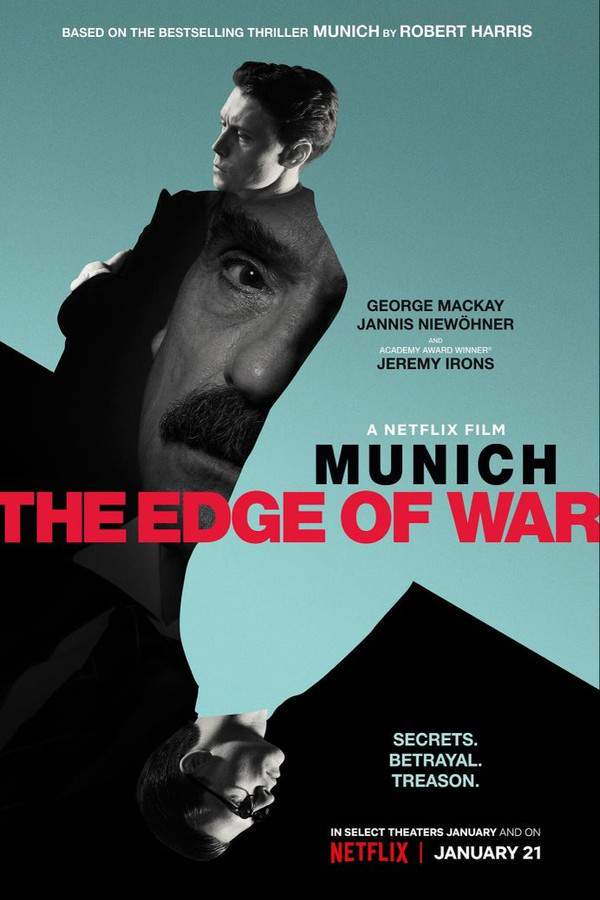
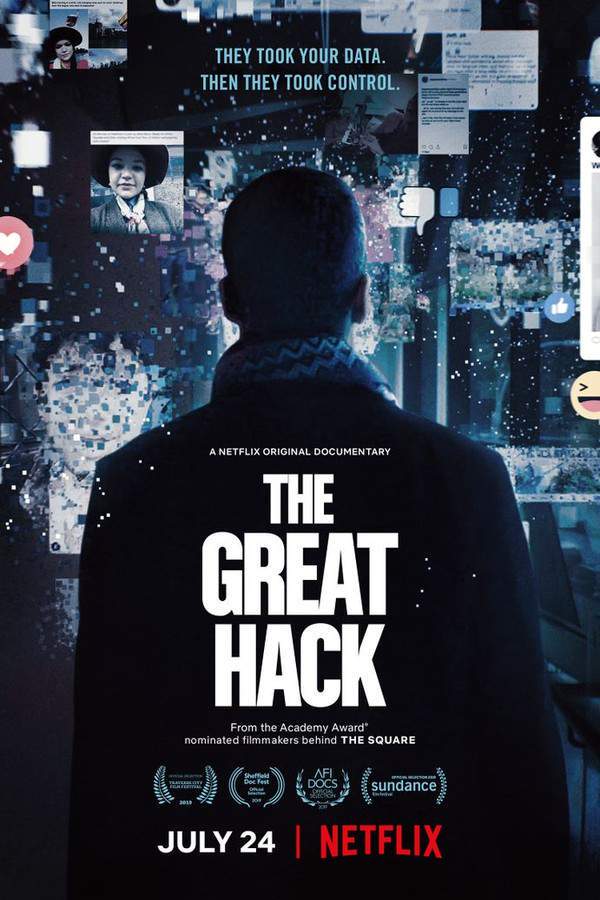
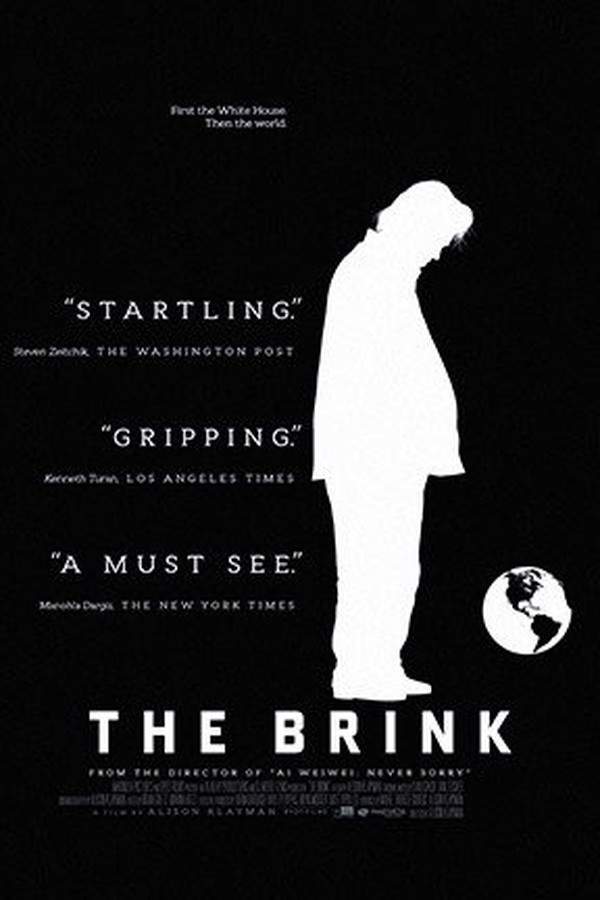
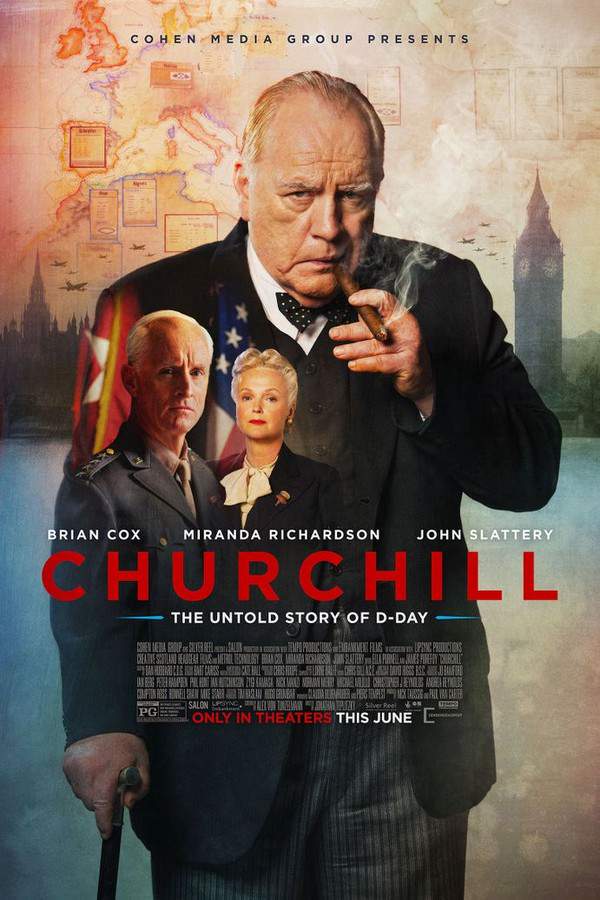
Similar Movies To Brexit: The Uncivil War You Should Know About
Browse a curated list of movies similar in genre, tone, characters, or story structure. Discover new titles like the one you're watching, perfect for fans of related plots, vibes, or cinematic styles.




Quick Links: Summary, Cast, Ratings, More

What's After the Movie?
Not sure whether to stay after the credits? Find out!
Check out our other apps:

SAT Sphere
Build confidence for the Digital SAT.

Mori Atlas
Discover wild places worth protecting.

Luntero
Search smarter for a home in Amsterdam.

Plot Explained
Unravel movie endings and hidden clues.

Pokechamp
Dive into Pokémon data and battle logic.

Driving Theory
Get ready for your European theory test.

Movie Dust
Plan your next cinema trip with ease.

Musemap
Find art and culture as you travel.

Selkobase
Compare credentials before committing.

Local Manual
Turn an unfamiliar country into practical next steps.

Lernavi
Compare school systems before your next move.

GymRoam
Find a workout stop wherever your plans take you.
Explore Our Movie Platform
New Movie Releases (2026)
Famous Movie Actors
Top Film Production Studios
Movie Plot Summaries & Endings
Major Movie Awards & Winners
Best Concert Films & Music Documentaries
Movie Collections and Curated Lists
© 2026 What's After the Movie. All rights reserved.
Privacy Policy