
Bernard and the Genie (1991): Cast & Plot
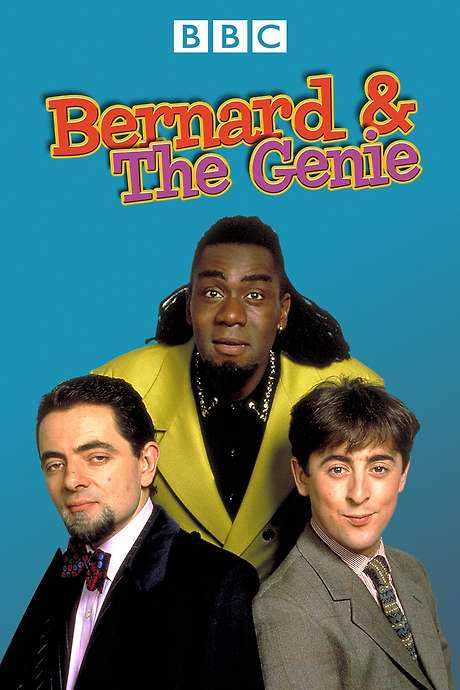
Bernard and the Genie is a 1991 fantasy comedy directed by Paul Weiland, starring Alan Cumming as Bernard Bottle, Lenny Henry and Rowan Atkinson. It runs 1 hour 10 minutes.
- Released
- Runtime
- 1h 10m (70 min)
- Director
- Paul Weiland
- Original language
-
 English
 - Studio
- Talkback
- After the credits
- No No extra scene
What Is Bernard and the Genie About?
The premise of Bernard and the Genie without spoilers. The whole story is in the plot summary further down.
Bernard Bottle, a mild‑mannered art buyer, loses his job when his greedy boss fires him and his girlfriend leaves him. While coping with the setbacks, he uncovers a genie trapped in an old bottle. The genie, eager to experience contemporary life, quickly adapts and begins assisting Bernard in navigating his new challenges.
Bernard and the Genie Themes & Keywords
· 27 tags- cameo
- reference to bonnie langford
- reference to frank carson
- reference to mona lisa
- reference to arnold schwarzenegger
- reference to michelle pfeiffer
- reference to mick jagger
- reference to wolfgang amadeus mozart
- reference to esther rantzen
- reference to princess diana
- reference to pee wee herman
- reference to julius caesar
+15 more Show fewer
- reference to felicity kendal
- reference to julian lloyd webber
- reference to kevin costner
- genie
- wish
- magical carpet
- english subtitles in original
- wish fulfillment
- piccadilly circus london
- reverse footage
- product placement
- christmas
- hit in the groin
- repeated event
- character name in title
Bernard and the Genie Cast & Characters
Alan Cumming leads the cast as Bernard Bottle, with Lenny Henry as Josephus the Genie and Rowan Atkinson as Charles Pinkworth. Directed by Paul Weiland; 18 actors are credited in all.
-
 Director Paul Weiland
-
 Alan Cumming as Bernard Bottle
 - Lenny Henry as Josephus the Genie
-
 Rowan Atkinson as Charles Pinkworth
 -
 Bob Geldof as themselves
Also Starring in Bernard and the Genie
· 14 more- Kevin Allen Kevin
- Angela Clarke Carrie
- Denis Lill Frank Kepple
- John Gabriel Wizard
- Gary Lineker Themselves
- Janet Henfrey Miss Purse
- Melvyn Bragg Themselves
- Trevor Laird PC Parker
- Gary Whelan Officer
- Trevor McDonald Newscaster
- David Forman Leonardo
- Andrée Bernard Judy
- Marcia Ashton Miss Temple
- Vincent Hanna Reporter
Bernard and the Genie Plot Summary
What happens in Bernard and the Genie from start to finish, spoilers included, with a timeline of 15 key events. The opening is below; the full summary is a 4-minute read.
Spoilers ahead
The film opens in an ancient setting where a man is cornered by a sorcerer after a knife-throwing accident; the sorcerer transmutes him into a genie named Josephus Lenny Henry and traps him inside a lamp for two millennia.
Two thousand years later, Bernard Bottle, Alan Cumming, an ambitious art dealer in London, lands a blockbuster sale worth £50 million for his firm. His boss, Charles Pinkworth Rowan Atkinson, congratulates him, but Bernard’s ethics get him fired when he insists on sharing half of the windfall with the original painters’ heirs. He returns to his flat, only to discover that his girlfriend has been sleeping with his best friend, and she leaves behind a trail of empty rooms and a single ornate lamp.
Full summary
The whole story of Bernard and the Genie, scene by scene
How Well Do You Know Bernard and the Genie?
10 questions about the story, each with a hint if you get stuck. Pick an answer to see whether you were right.
Question 1 of 10
- Question 1: not answered
- Question 2: not answered
- Question 3: not answered
- Question 4: not answered
- Question 5: not answered
- Question 6: not answered
- Question 7: not answered
- Question 8: not answered
- Question 9: not answered
- Question 10: not answered
Who portrays the ambitious art dealer Bernard Bottle?
Cars in Bernard and the Genie
3 cars on screen, including the 1989 LTI Fairway and the 1990 Mercedes-Benz 300 E W124.
-
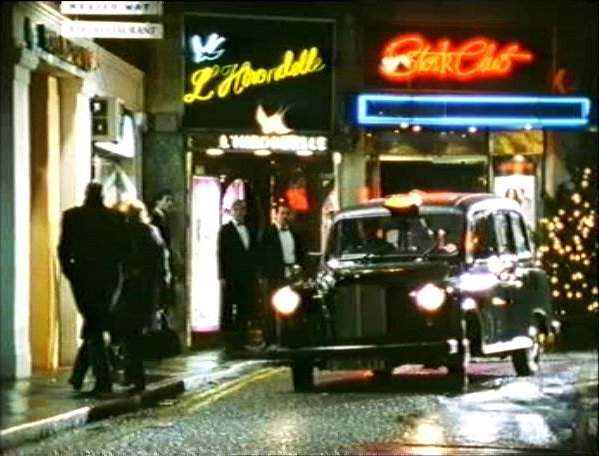 1989 LTI Fairway Minor role
 -
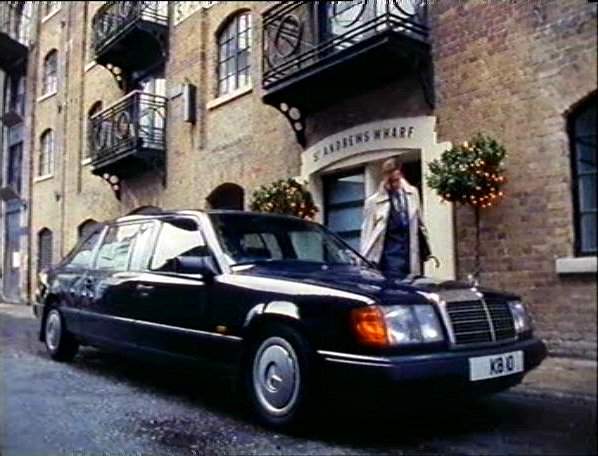 1990 Mercedes-Benz 300 E W124 Minor role
 -
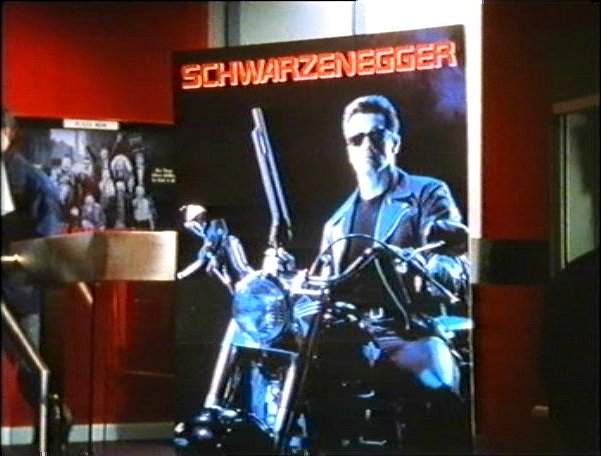 1990 Harley-Davidson Fat Boy Background role
Bernard and the Genie Also Known As
3 alternative titles, including “Bernie und der Weihnachtsgeist” and “Bernard i dżinn”.
- Also known as
-
- Bernie und der Weihnachtsgeist
- Bernard i dżinn
- Bernard i duh
Seen Bernard and the Genie?
Movies Like Bernard and the Genie
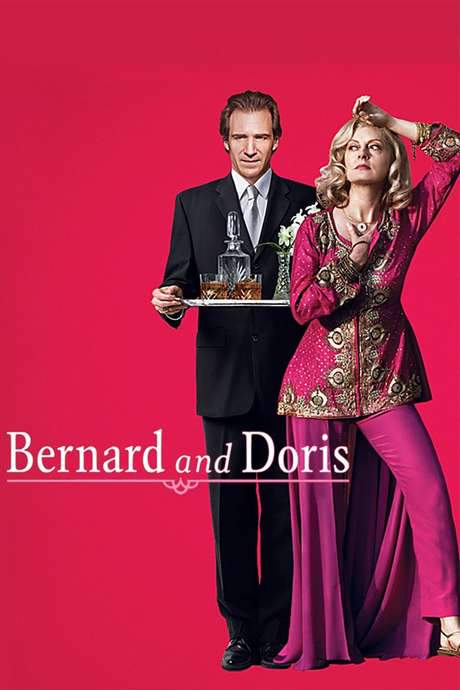
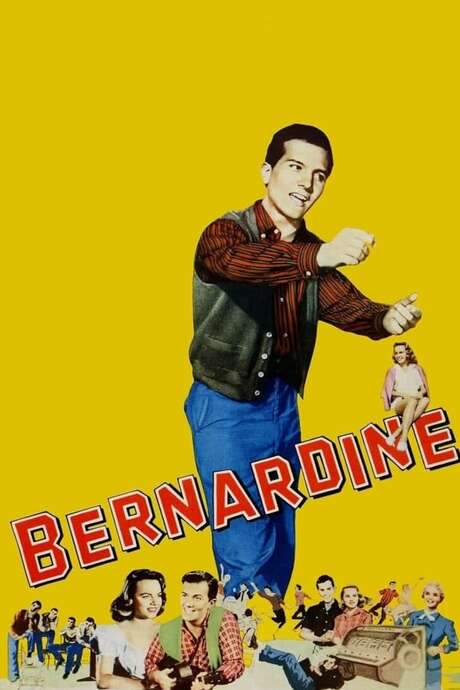
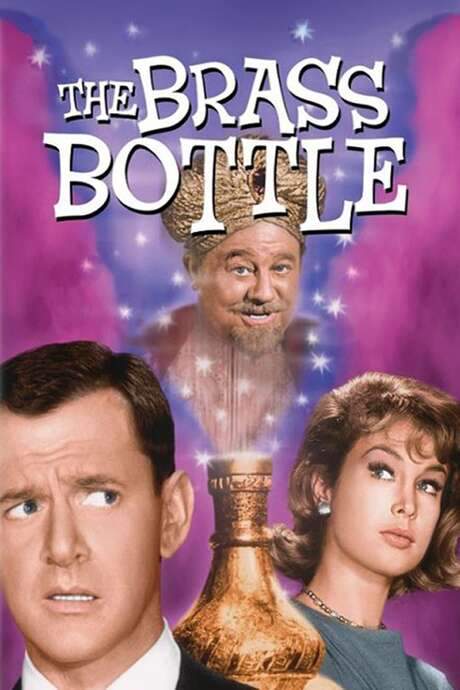
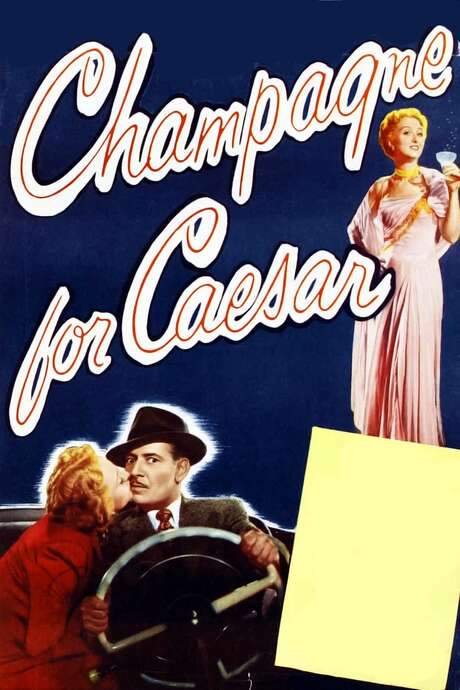
Films with a similar story, tone or audience, including Genie, Bernard and Doris and Bernardine.



Bernard and the Genie FAQ: Cast, Runtime & Release Date
Runtime, release date, director, cast and post-credit scenes of Bernard and the Genie, each answered in a sentence.
How long is Bernard and the Genie?
Bernard and the Genie runs 1 hour 10 minutes (70 minutes).
When was Bernard and the Genie released?
Bernard and the Genie was released on November 23, 1991.
Who directed Bernard and the Genie?
Bernard and the Genie was directed by Paul Weiland.
More films by Paul Weiland Who is in the cast of Bernard and the Genie?
Bernard and the Genie stars Alan Cumming as Bernard Bottle, Lenny Henry as Josephus the Genie and Rowan Atkinson as Charles Pinkworth, among 18 credited actors.
Does Bernard and the Genie have a post-credit scene?
No. Bernard and the Genie has no extra scene during or after the credits.
Coming soon to your phone
The Plot Explained Movie Summary App
From blockbusters to hidden gems: plot summaries, endings explained and timelines on your phone. Save your favorites and never miss a twist again.
Be the first to know when it launches. Your email stays private, always. Learn more about the app
