Baise-moi 2000


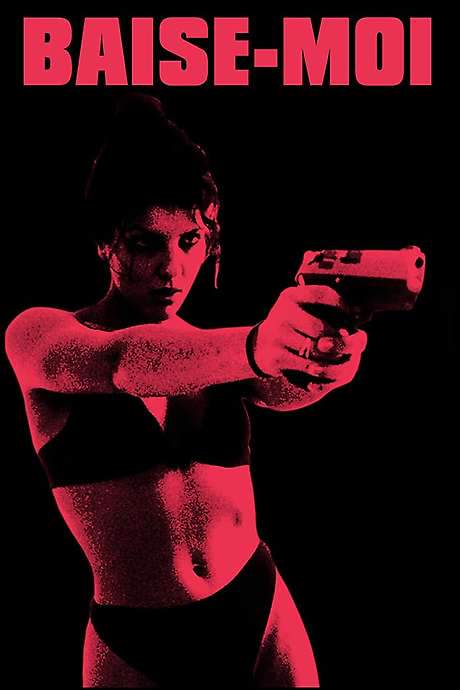
A provocative, uncut French film that blurs the line between art and pornography. It follows Nadine and Manu, two hyper‑organized yet chaotic women whose lives revolve around extreme sex, drugs, alcohol and firearms. When they encounter obstacles, they resort to gun‑fueled violence, delivering a raw, unapologetic portrait of rebellion.


Does Baise-moi have end credit scenes?
No!
Baise-moi does not have end credit scenes. You can leave when the credits roll.
Where to Watch Baise-moi
See current US streaming, rental, and purchase options for Baise-moi (2000) via JustWatch.

Streaming availability powered by 
Meet the Full Cast and Actors of Baise-moi
Explore the complete cast of Baise-moi, including both lead and supporting actors. Learn who plays each character, discover their past roles and achievements, and find out what makes this ensemble cast stand out in the world of film and television.

Ouassini Embarek
Radouan

Karen Lancaume
Nadine
Raffaëla Anderson
Manu
Marc Rioufol
Architect
Jean-Marc Minéo
Gunsmith
Hervé P. Gustave
Martin
Sebastian Barrio
BAP Man
Coralie Trinh Thi
Patrick Kodjo Topou
Wanted
Adama Niane
Man in Pool Hall
Jean-Louis Costes
Man in Swinger Club
Marc Barrow
Hotel Receptionist
Patrick Eudeline
Francis
Ian Scott
Rapist
Zenza Raggi
Big Guy
Titof
Cute Guy
Delphine McCarty
Roommate
Élodie Chérie
Distributor Lady
Gábor Rassov
Hooded Asshole
Rodolphe Antrim
Local Guy
Nataly Dune
BAP Woman
Pascal St. James
BAP Man
External Links and Streaming Options
Discover where to watch Baise-moi online, including streaming platforms, rental options, and official sources. Compare reviews, ratings, and in-depth movie information across sites like IMDb, TMDb, Wikipedia or Rotten Tomatoes.







Take the Ultimate Baise-moi Movie Quiz
Challenge your knowledge of Baise-moi with this fun and interactive movie quiz. Test yourself on key plot points, iconic characters, hidden details, and memorable moments to see how well you really know the film.
Baise-moi Quiz: Test your knowledge of the 2000 French film Baise‑moi, covering characters, plot events, and thematic elements.
What are the names of the two female protagonists?
Full Plot Summary and Ending Explained for Baise-moi
Read the complete plot summary of Baise-moi, including all major events, twists, and the full ending explained in detail. Explore key characters, themes, hidden meanings, and everything you need to understand the story from beginning to end.
Baise-moi follows Nadine Karen Lancaume and Manu Raffaëla Anderson, two women living on the edge of a small town in southern France who feel marginalized by the society around them. The film drifts between their personal frustrations and a growing urge to push back in a brutal, unflinching way, weaving a stark story about anger, violence, and the lure of a shared escape from daily constraints.
In a park, a moment of vulnerability becomes a turning point: three men abduct Nadine and Manu, dragging them to a garage where they are gang-raped. The scene is presented with a cold, clinical tone that contrasts with the raw emotion of the act. Manu, displaying a chilling detachment, lies still and quiet while the assault unfolds, prompting one of the rapists to pause and question what he’s witnessing. Manu later explains her reaction with a stark, unsettling line that reveals a psychological shield she uses to cope, and this moment becomes a touchstone for the rest of the story. > “can’t prevent anyone from penetrating her pussy.”
Back home, Nadine returns to confront her own demons. A tense confrontation with her roommate escalates into murder as Nadine strangles her and leaves with the rent money. The violence continues to snowball when Nadine’s close circle is shaken: a drug-dealing best friend is shot in another town while Nadine confronts the fragility of the world she’s built around false fronts and risky schemes. The killings ripple outward, drawing Nadine and Manu into a shared sense that the only control they have over their lives is the rejection of the norms that limit them.
The two women reunite at a railway station after a missed train and quickly realize they share a burning anger that has found a common target. They strike out on a violent, sexually charged road trip that blends robbery, murder, and a dangerous thrill-seeking energy. Money becomes the fuel for their spree: they rob a shop, kill a woman at a cash machine, and steal a car, all while evading pursuit as the body count climbs. A chance encounter with a woman fleeing a police checkpoint adds another layer to their misadventure, and the pair press on with a disjointed, almost ritualistic momentum.
Their path leads them to a house where an architect waits behind a door that seems almost waiting to be entered. The plan unfolds with a cold precision as the women trick their way inside and kill the architect Marc Rioufol, marking a turning point in the scale and audacity of their actions. The spree continues into a swingers’ club, a setting that blurs line between desire and violence. There, a racist remark directed at Manu ignites a brutal reaction, and the night spirals into a high-stakes confrontation in which many of the patrons are killed. The violence is unflinching, and the film does not shy away from shocking specifics as the two women weaponize the moment to assert control over a world that has consistently failed them.
As the country buzzes with news of the duo, public opinion becomes a mirror for their own inner disarray. Some voices praise their audacity, others fear the example they set, and the news cycle fixates on the sensationalism of their actions rather than their underlying grievances. The final chapters of the spree take a brutal toll: Manu is fatally wounded in a roadside tire shop when the shop owner shoots her after witnessing the chaos, and Nadine, devastated, carries Manu’s body to a forest lake and later to a beach. She confronts her own pain with a gun in hand, but the authorities intervene before she can end her life.
In the end, the film closes on a sobering note: the two women have unleashed a tidal wave of violence that changes nothing about their core feelings or their sense of belonging. The spree dissolves into a stark question about whether rebellion against an oppressive world can ever rewrite the conditions that gave rise to such anger. Nadine survives long enough to face the consequences, while Manu’s memory lingers as a catalyst for a society that confronts itself in the wake of their actions.
- Nadine Karen Lancaume emerges as the more calculating half of the duo, driving much of the early plan and the later insistence on turning away from normalized life.
- Manu Raffaëla Anderson embodies raw impulse and a volatile brightness that pulls them toward their darkest impulses, including moments of fierce detachment and explosive violence.
- The embedded threads of accusation, desire, and defiance are tied together by moments of stark confession and brutal action, making the film a challenging meditation on marginalization, power, and what people are willing to do to feel seen.

Coming soon on iOS and Android
The Plot Explained Mobile App
From blockbusters to hidden gems — dive into movie stories anytime, anywhere. Save your favorites, discover plots faster, and never miss a twist again.
Sign up to be the first to know when we launch. Your email stays private — always.
Explore the mobile appWatch Trailers, Clips & Behind-the-Scenes for Baise-moi
Watch official trailers, exclusive clips, cast interviews, and behind-the-scenes footage from Baise-moi. Dive deeper into the making of the film, its standout moments, and key production insights.
Baise-moi Themes and Keywords
Discover the central themes, ideas, and keywords that define the movie’s story, tone, and message. Analyze the film’s deeper meanings, genre influences, and recurring concepts.
Baise-moi Other Names and Titles
Explore the various alternative titles, translations, and other names used for Baise-moi across different regions and languages. Understand how the film is marketed and recognized worldwide.
Similar Movies To Baise-moi You Should Know About
Browse a curated list of movies similar in genre, tone, characters, or story structure. Discover new titles like the one you're watching, perfect for fans of related plots, vibes, or cinematic styles.








Quick Links: Summary, Cast, Ratings, More

What's After the Movie?
Not sure whether to stay after the credits? Find out!
Check out our other apps:

SAT Sphere
Build confidence for the Digital SAT.

Mori Atlas
Discover wild places worth protecting.

Luntero
Search smarter for a home in Amsterdam.

Plot Explained
Unravel movie endings and hidden clues.

Pokechamp
Dive into Pokémon data and battle logic.

Driving Theory
Get ready for your European theory test.

Movie Dust
Plan your next cinema trip with ease.

Musemap
Find art and culture as you travel.

Selkobase
Compare credentials before committing.

Local Manual
Turn an unfamiliar country into practical next steps.

Lernavi
Compare school systems before your next move.

GymRoam
Find a workout stop wherever your plans take you.
Explore Our Movie Platform
New Movie Releases (2026)
Famous Movie Actors
Top Film Production Studios
Movie Plot Summaries & Endings
Major Movie Awards & Winners
Best Concert Films & Music Documentaries
Movie Collections and Curated Lists
© 2026 What's After the Movie. All rights reserved.
Privacy Policy