At Eternity's Gate 2018


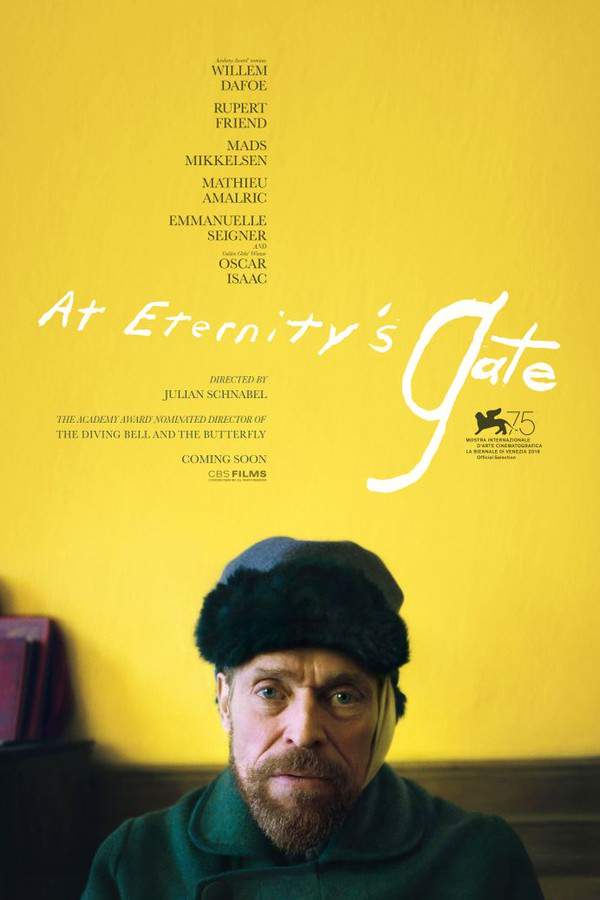
This film offers a glimpse into the life of Vincent van Gogh, portrayed by Willem Dafoe, during a pivotal period in his life. It explores his struggles with mental health, his feelings of isolation, and the intense passion that drove his artistic creations. Through a cinematic portrayal, the film reveals the turbulent emotions and experiences that shaped some of his most recognizable works, offering a profound look at the mind of a brilliant and troubled artist.


Does At Eternity's Gate have end credit scenes?
Yes!
At Eternity's Gate does have end credit scenes. Stay until the very end!
Where to Watch At Eternity's Gate
See current US streaming, rental, and purchase options for At Eternity's Gate (2018) via JustWatch.

Lionsgate+ Amazon Channels
HD
Hoopla
SD
Kanopy
HD
Plex
HD
Plex Channel
HD
The Roku Channel
HD
Tubi TV
SD
YouTube Free
HD
Amazon Video
HD
Apple TV Store
HD
Fandango At Home
HD
Google Play Movies
SD
YouTube
SD Streaming availability powered by 
Meet the Full Cast and Actors of At Eternity's Gate
Explore the complete cast of At Eternity's Gate, including both lead and supporting actors. Learn who plays each character, discover their past roles and achievements, and find out what makes this ensemble cast stand out in the world of film and television.
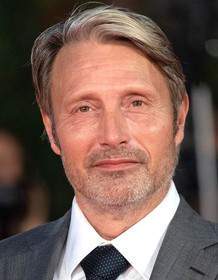
Mads Mikkelsen
Priest

Willem Dafoe
Vincent van Gogh
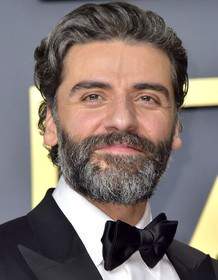
Oscar Isaac
Paul Gauguin

Amira Casar
Johanna Van Gogh
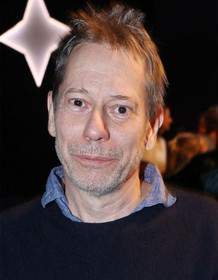
Mathieu Amalric
Doctor Paul Gachet

Emmanuelle Seigner
Md Ginoux
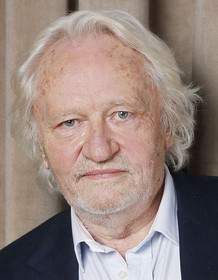
Niels Arestrup
Madman
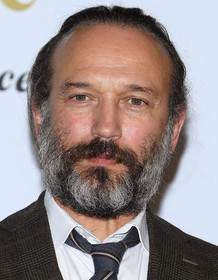
Vincent Perez
The Director
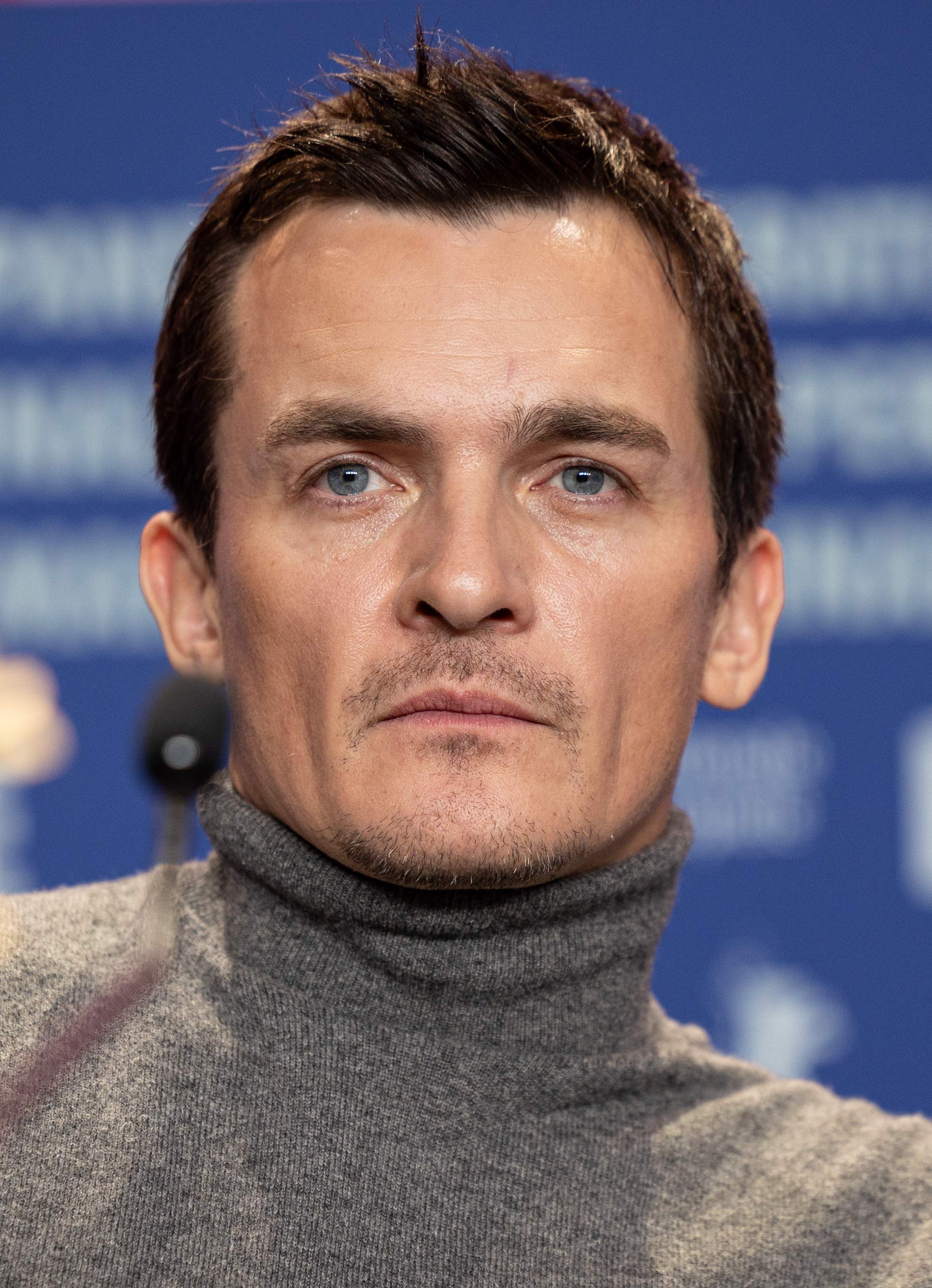
Rupert Friend
Theo van Gogh

Anne Consigny
Teacher

Alan Aubert
Albert Aurier, Painter
Lolita Chammah
Girl on the Road
Patrick Chesnais
Stella Schnabel
Gaby
Victor Pontecorvo
External Links and Streaming Options
Discover where to watch At Eternity's Gate online, including streaming platforms, rental options, and official sources. Compare reviews, ratings, and in-depth movie information across sites like IMDb, TMDb, Wikipedia or Rotten Tomatoes.










Ratings and Reviews for At Eternity's Gate
See how At Eternity's Gate is rated across major platforms like IMDb, Metacritic, and TMDb. Compare audience scores and critic reviews to understand where At Eternity's Gate stands among top-rated movies in its genre.

The Movie Echo Score
While "At Eternity’s Gate" delivers a compelling visual and emotional portrait of Van Gogh, its uneven narrative diminishes its cohesion. Critics and viewers alike highlight the immersive cinematography and Willem Dafoe’s nuanced portrayal as standout features, yet many point to the film's fragmented pacing and occasional over-reliance on impressionistic style. The blend of strong sensory elements and variable story momentum creates a reflective but inconsistent experience. Ultimately, the film is rewarding for its artistry and performance, though its irregular structure may limit broad appeal.
The Movie Echo Score Breakdown for At Eternity's Gate

Art & Craft
In terms of art and craft, the film’s direction and cinematography offer vivid, painterly imagery that reflects Van Gogh’s vision. Benoît Delhomme’s immersive point-of-view shots and inventive composition receive frequent praise, though some viewers found the handheld camera work disorienting. The editing sequences evoke the artist’s frenetic creativity, resulting in a visually striking yet occasionally uneven presentation.

Character & Emotion
Regarding character and emotion, Willem Dafoe’s performance anchors the film with profound subtlety and authenticity. His portrayal captures Van Gogh’s inner turmoil through measured expressions and physical nuance, fostering strong audience empathy. Supporting actors contribute depth to key relationships without overshadowing the lead. The consistent emotional resonance solidifies the narrative’s human core.

Story & Flow
When it comes to story and flow, the film employs a fragmentary structure that echoes Van Gogh’s episodic letters and mental state. Reviewers note the originality of scene-based storytelling, yet many found the pacing sluggish and the plot coherence uneven. The narrative’s wavering momentum can challenge engagement, resulting in an experience that feels more impressionistic than plot-driven.

Sensory Experience
In terms of sensory experience, the film excels with its immersive visual style and understated sound design. The color palette and score subtly reinforce Van Gogh’s emotional landscape, and dynamic soundscapes heighten intimate moments. However, some viewers reported disorientation from the recurring first-person perspective and abrupt musical transitions. Overall, the sensory elements strongly evoke artistic empathy.

Rewatch Factor
Regarding rewatch value, the film’s rich visual motifs and Dafoe’s layered performance invite further reflection on Van Gogh’s psyche. While the uneven narrative may deter some viewers from repeated viewings, the striking cinematography and nuanced character study offer rewards upon revisiting. The lasting appeal lies in its artistic moments and emotional authenticity, making select scenes memorable.

76
Metascore
7.2
User Score


79%
TOMATOMETER

66%
User Score

6.9 /10
IMDb Rating

70
%
User Score

3.8
From 1.7K fan ratings

5.00/5
From 3 fan ratings
Take the Ultimate At Eternity's Gate Movie Quiz
Challenge your knowledge of At Eternity's Gate with this fun and interactive movie quiz. Test yourself on key plot points, iconic characters, hidden details, and memorable moments to see how well you really know the film.
At Eternity's Gate Quiz: Test your knowledge on the artistic and emotional journey of Vincent Van Gogh as depicted in 'At Eternity's Gate'.
In which language do the characters initially converse in the film?
Awards & Nominations for At Eternity's Gate
Discover all the awards and nominations received by At Eternity's Gate, from Oscars to film festival honors. Learn how At Eternity's Gate and its cast and crew have been recognized by critics and the industry alike.
Full Plot Summary and Ending Explained for At Eternity's Gate
Read the complete plot summary of At Eternity's Gate, including all major events, twists, and the full ending explained in detail. Explore key characters, themes, hidden meanings, and everything you need to understand the story from beginning to end.
The film opens with a black screen, as a man reflects on how he wishes people would perceive him. Soon, we see a man approach a beautiful woman tending to sheep along a rustic country road. They engage in a tentative conversation in French, where he requests to sketch her, yet she seems hesitant to oblige. The narrative pivots when another man instructs him to leave with his artworks, revealing that all the exhibited pieces belong to what becomes the central figure of the story, Vincent van Gogh.
As a group of men deliberate the treatment of artists, they outline policies favoring successful figures while burdening less recognized ones with labor. In a passionate outburst, Paul Gauguin stands up against such attitudes and exits the gathering. Outside, a significant dialogue unfolds between him and Van Gogh, where Gauguin declares his intentions to journey to Madagascar for artistic freedom, advising Van Gogh to consider the same path, marking a transition to English dialogue.
The narrative takes us to Arles, a quaint town, where Van Gogh struggles to ignite creativity within the confines of a dreary room, ultimately resorting to painting his shoes. In a local eatery, he encounters Madame Ginoux, who, while supposed to be working, engages him in conversation about literature, specifically the works of Shakespeare. She admits her unfamiliarity with Shakespeare, prompting Van Gogh to elaborate on his significance, while she gifts him a book of blank pages for his artistic endeavors. In need of shelter, Van Gogh accepts a suggestion to occupy a nearby vacant house.
In nature, Van Gogh finds renewed inspiration. As he paints, he captures fleeting moments, such as sunflowers wilting in the sunlight, but soon discovers vibrant greens that kindle his creativity. He interacts with a woman responsible for caring for his living space, emphasizing that while flowers wither, a painting remains eternal. He proposes to immortalize her beauty on canvas, yet she hesitates as he promises not just to preserve her current appearance but also to portray her youthful essence.
A moment of distraction occurs as Van Gogh, engrossed in his work around groups of schoolchildren, faces their mischief and ultimately reprimands them, revealing the tensions between artists and the public. As the story progresses, Van Gogh encounters further conflict when a local boy antagonizes him, leading to a moment of chaos.
During a hospital scene, his brother Theo pays him a visit, pledging his unwavering support even amidst Van Gogh’s dire circumstances. Though his art captivates audiences, its lack of buyers leads to despair. The audience is later privy to a letter Theo reads to Gauguin, wherein he offers financial support for Gauguin to visit Vincent while purchasing some of Gauguin’s artwork to alleviate some of their struggles.
When Gauguin arrives, their camaraderie flourishes as they paint together outdoors, sharing different artistic philosophies. Van Gogh expresses his unique perspective, suggesting his vision departs from conventional reality, suggesting a deeper imbalance within himself. Their bond remains despite differing opinions on the nature and purpose of art.
As we journey through Van Gogh’s experiences, we see him create poignant black and white sketches, revealing the world through his eyes. However, this vivid artistry eventually leads to Gauguin’s swift departure, which devastates Van Gogh, as he finds solace in increasingly blue landscapes.
The film then presents an intense shift as Van Gogh, now confronted with his mental health struggles, seeks the counsel of a doctor who recommends a voluntary commitment to an asylum, ensuring him he can continue painting. There, Van Gogh mournfully dons a straitjacket, drawn into conversations that reflect his troubled psyche.
Amidst trying moments in the asylum, he engages in dialogues with fellow patients and even a priest, where he emphasizes his understanding of scripture, highlighting his artistic contributions as perhaps divinely inspired. The priest’s disapproval does not deter Van Gogh from believing in the importance of his work.
As the narrative unfolds, we revisit scenes with the woman caring for sheep, now marked by her fear of Van Gogh’s erratic behavior. He seeks connection with Theo and his wife, yet expresses a desire for independence, wrestling with the local sentiments of rejection.
Tragedy strikes when boys vandalize Van Gogh’s paintings, leading to a devastating gunshot that leaves him mortally wounded. In a final somber visit, Theo arrives too late, and the story concludes with Van Gogh’s lifeless body encased in a casket surrounded by his beloved paintings, attracting a throng of admirers.
The screen conveys the staggering reality of Van Gogh’s death and the fact that his innovative sketches remained undiscovered for over a century. As the credits roll, the scene transitions to yellow hues, while Gauguin reads in French, the English subtitles accompanying this poignant moment of reflection.

Coming soon on iOS and Android
The Plot Explained Mobile App
From blockbusters to hidden gems — dive into movie stories anytime, anywhere. Save your favorites, discover plots faster, and never miss a twist again.
Sign up to be the first to know when we launch. Your email stays private — always.
Explore the mobile appWatch Trailers, Clips & Behind-the-Scenes for At Eternity's Gate
Watch official trailers, exclusive clips, cast interviews, and behind-the-scenes footage from At Eternity's Gate. Dive deeper into the making of the film, its standout moments, and key production insights.
At Eternity's Gate Themes and Keywords
Discover the central themes, ideas, and keywords that define the movie’s story, tone, and message. Analyze the film’s deeper meanings, genre influences, and recurring concepts.
At Eternity's Gate Other Names and Titles
Explore the various alternative titles, translations, and other names used for At Eternity's Gate across different regions and languages. Understand how the film is marketed and recognized worldwide.
Similar Movies To At Eternity's Gate You Should Know About
Browse a curated list of movies similar in genre, tone, characters, or story structure. Discover new titles like the one you're watching, perfect for fans of related plots, vibes, or cinematic styles.




Quick Links: Summary, Cast, Ratings, More

What's After the Movie?
Not sure whether to stay after the credits? Find out!
Check out our other apps:

SAT Sphere
Build confidence for the Digital SAT.

Mori Atlas
Discover wild places worth protecting.

Luntero
Search smarter for a home in Amsterdam.

Plot Explained
Unravel movie endings and hidden clues.

Pokechamp
Dive into Pokémon data and battle logic.

Driving Theory
Get ready for your European theory test.

Movie Dust
Plan your next cinema trip with ease.

Musemap
Find art and culture as you travel.

Selkobase
Compare credentials before committing.

Local Manual
Turn an unfamiliar country into practical next steps.

Lernavi
Compare school systems before your next move.

GymRoam
Find a workout stop wherever your plans take you.
Explore Our Movie Platform
New Movie Releases (2026)
Famous Movie Actors
Top Film Production Studios
Movie Plot Summaries & Endings
Major Movie Awards & Winners
Best Concert Films & Music Documentaries
Movie Collections and Curated Lists
© 2026 What's After the Movie. All rights reserved.
Privacy Policy