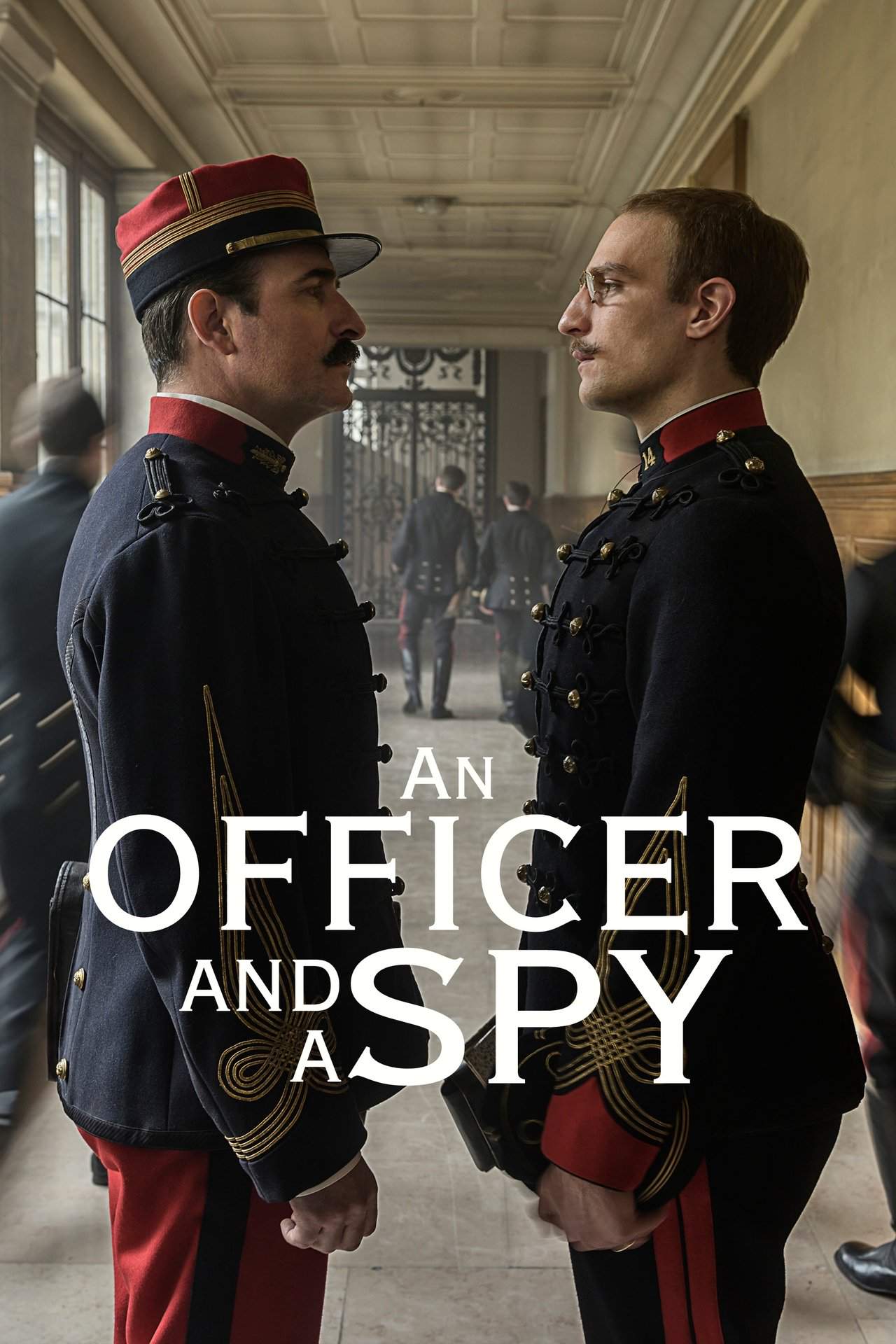
On January 5, 1895, Captain Alfred Dreyfus, a promising young officer in the French Army, is stripped of rank after being accused of spying for Germany and sentenced to life on the remote Devil’s Island in the Atlantic off French Guiana. The disgrace is observed by fellow officer Georges Picquart, who is elevated to head the army’s counter‑intelligence service, placing him at the center of the unfolding scandal.


Does An Officer and a Spy have end credit scenes?
No!
An Officer and a Spy does not have end credit scenes. You can leave when the credits roll.
Meet the Full Cast and Actors of An Officer and a Spy
Explore the complete cast of An Officer and a Spy, including both lead and supporting actors. Learn who plays each character, discover their past roles and achievements, and find out what makes this ensemble cast stand out in the world of film and television.
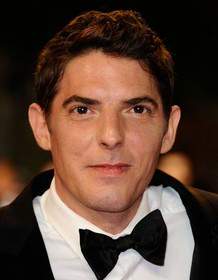
Damien Bonnard
Jean-Alfred Desvernine

Emmanuelle Seigner
Pauline Monnier
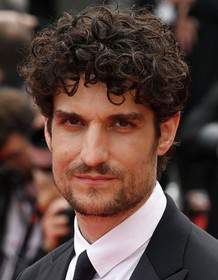
Louis Garrel
Alfred Dreyfus
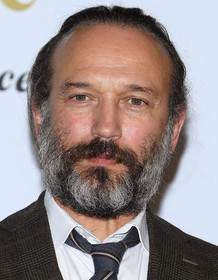
Vincent Perez
Maître Leblois
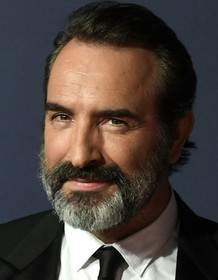
Jean Dujardin
Marie-Georges Picquart

Hervé Pierre
Général Gonse
Eric Ruf
Sandherr

Grégory Gadebois
Henry
Didier Sandre
Général Boisdeffre
Luca Barbareschi
Philippe Monnier
Yannik Landrein
Gast
Michel Vuillermoz
Du Paty de Clam
Wladimir Yordanoff
Général Mercier
Luce Mouchel
Madame Sandherr
Christophe Maratier
Adjudant dégradation
Pierre Poirot
Greffier Vallecalle
Mohammed Lakhdar-Hamina
Bachir
Kevin Garnichat
Lauth
Stéfan Godin
Général Darras
Vincent de Bouard
Gribelin
External Links and Streaming Options
Discover where to watch An Officer and a Spy online, including streaming platforms, rental options, and official sources. Compare reviews, ratings, and in-depth movie information across sites like Wikipedia or Metacritic.


Ratings and Reviews for An Officer and a Spy
See how An Officer and a Spy is rated across major platforms like IMDb, Metacritic, and TMDb. Compare audience scores and critic reviews to understand where An Officer and a Spy stands among top-rated movies in its genre.

The Movie Echo Score
An Officer and a Spy presents a meticulously crafted historical drama that succeeds in visual fidelity but falters in narrative vitality. Critics commend the film's polished production design, precise cinematography, and occasional moments of atmospheric tension, while noting a procedural stiffness that hampers emotional engagement. Performances, particularly Jean Dujardin's, are highlighted as the film's strongest element, providing a focal point amid the measured pacing. The result is a solid, moderately rewarding work that offers limited incentive for repeat viewings.
The Movie Echo Score Breakdown for An Officer and a Spy

Art & Craft
The film’s art and craft are generally praised for their careful execution and visual richness. Reviewers note Polanski’s well‑crafted direction, handsomely shot cinematography, and painstakingly rendered period details that evoke a gritty yet elegant historical tableau. Some critics, however, mention a bloodless, procedural stiffness that tempers the overall aesthetic impact. Overall, the technical proficiency creates a strong visual foundation despite occasional tonal flatness.

Character & Emotion
Character work receives commendation for strong central performances, especially Jean Dujardin’s nuanced portrayal of Picquart. Critics describe his work as flawless and soulful, providing the film’s emotional core. Conversely, the hero is sometimes criticized as a “stick figure,” and the procedural nature is said to limit deeper character development. These mixed observations result in a respectable yet not uniformly high assessment of acting and emotional resonance.

Story & Flow
The narrative is viewed as competent but lacking in originality and momentum. While some reviewers find the story lively and urgent, many point to its procedural stiffness, predictable pacing, and an ending reduced to an epilogue. The film’s focus on historical detail is praised, yet the emotional drive is frequently described as absent. Consequently, the plot is seen as solidly constructed but insufficiently engaging.

Sensory Experience
Sensory elements are highlighted as one of the film’s strongest assets. Critics repeatedly praise the atmospheric cinematography, meticulous sound design, and haunting visual palette that together create an immersive period experience. Descriptions such as “gritty window into history” and “beautifully rendered” underscore the sensory appeal. Minor criticisms note occasional tonal flatness, but overall the sensory execution is regarded as compelling and richly textured.

Rewatch Factor
Rewatch potential is moderate, with some reviewers noting the film’s growing appreciation on subsequent viewings due to its craftsmanship and depth of detail. Positive comments about its “impressive” nature over time suggest a degree of lasting appeal. However, the procedural tone and limited emotional variation are cited as factors that may reduce repeat viewing enthusiasm. The balance yields a respectable but not overwhelming rewatch factor.

60
Metascore
6.8
User Score
Take the Ultimate An Officer and a Spy Movie Quiz
Challenge your knowledge of An Officer and a Spy with this fun and interactive movie quiz. Test yourself on key plot points, iconic characters, hidden details, and memorable moments to see how well you really know the film.
An Officer and a Spy (2025) Quiz: A comprehensive quiz covering the historical and cinematic aspects of the 2025 film An Officer and a Spy.
In what year does the movie An Officer and a Spy primarily take place?
Full Plot Summary and Ending Explained for An Officer and a Spy
Read the complete plot summary of An Officer and a Spy, including all major events, twists, and the full ending explained in detail. Explore key characters, themes, hidden meanings, and everything you need to understand the story from beginning to end.
The story begins in 1894, with Alfred Dreyfus, a French army captain, being accused of high treason for allegedly passing military secrets to Germany. He is swiftly convicted and sentenced to exile on Devil’s Island, a remote penal colony. This case sparks widespread controversy in France, partly because Dreyfus was Jewish, fueling anti-Semitic sentiments and deepening the public’s divided opinion.
One year later, Georges Picquart, a respected officer and former teacher of Dreyfus, is appointed head of the secret service section in the French army, known as the Deuxième Bureau. Despite his alleged anti-Semitic tendencies, Picquart begins to suspect that the trial was rushed and biased, influenced heavily by Dreyfus’s Jewish background. During his review of the case, Picquart notices inconsistencies in the dossier, particularly regarding the so-called bordereau, the document used as evidence of Dreyfus’s guilt. After a thorough investigation, Picquart uncovers that the bordereau was not authored by Dreyfus but by another officer, Major Ferdinand Walsin Esterhazy—a revelation that hints at a deeper conspiracy.
Still convinced of Dreyfus’s innocence, Picquart attempts to reopen the case, aiming to clear his name and arrest Esterhazy. However, he faces fierce opposition from his superiors, who fear that exposing the truth could lead to a scandal, revealing corruption within the army. They also see Dreyfus, as a Jewish man, as an ideal scapegoat to conceal the real culprit. Facing pressure, Picquart is removed from his position and sent away on a mission far from Paris. Nevertheless, he refuses to stay silent and eventually manages to reconnect with his friend Louis Leblois, a lawyer, who begins to rally support for Dreyfus’s exoneration. With help from other allies including the famed writer Émile Zola, a campaign against injustice begins to unfold.
The campaign’s momentum leads to Zola’s iconic publication of the open letter titled J’accuse in the newspaper L’Aurore, where he fiercely criticizes the flawed trial process and exposes the corruption involving high-ranking officials and military officers. His boldness draws harsh repercussions; he is tried for defamation and sentenced to a year in prison after false testimonies are revealed during the trial. Meanwhile, the nation remains sharply divided, with some factions still believing in Dreyfus’s guilt and others demanding justice for the wrongly accused. The situation escalates as Lieutenant Colonel Hubert Henry testifies against Dreyfus but later perjures himself, ultimately confessing and dying shortly after in what appears to be a suicide.
With Henry’s deposition confirmed, Picquart is acquitted and released, and Dreyfus is given a second trial in Rennes in 1899. Before the trial, his lawyer Fernand Labori is attacked, preventing him from defending Dreyfus. Despite a lighter sentence, Dreyfus is convicted again. Still, he receives a pardon from the government, acknowledging the injustice but stopping short of full exoneration. Dreyfus, exhausted but dignified, accepts this resolution, although Picquart continues to fight for his innocence, remaining committed to justice.
Seven years later, Dreyfus is eventually acquitted and officially reintegrated into the army, symbolizing that justice has finally prevailed. In 1907, Picquart is appointed Minister of War, partly due to recognition of the wrongful conviction, which also redeemed his reputation. Dreyfus, seeking acknowledgment for the years lost and his degraded rank, confronts Picquart to request a meeting. Nevertheless, their ideals diverge as political tides shift, and Picquart cannot fully fulfill Dreyfus’s wishes. The two men part ways, with mutual respect but no further contact, leaving behind a story of injustice, perseverance, and the profound struggle for truth in a divided France.

Coming soon on iOS and Android
The Plot Explained Mobile App
From blockbusters to hidden gems — dive into movie stories anytime, anywhere. Save your favorites, discover plots faster, and never miss a twist again.
Sign up to be the first to know when we launch. Your email stays private — always.
Explore the mobile appDiscover Film Music Concerts Near You – Live Orchestras Performing Iconic Movie Soundtracks
Immerse yourself in the magic of cinema with live orchestral performances of your favorite film scores. From sweeping Hollywood blockbusters and animated classics to epic fantasy soundtracks, our curated listings connect you to upcoming film music events worldwide.
Explore concert film screenings paired with full orchestra concerts, read detailed event information, and secure your tickets for unforgettable evenings celebrating legendary composers like John Williams, Hans Zimmer, and more.


Unlock the World of Movies with Our Comprehensive Wiki
Dive into our Movie Wiki for in-depth film encyclopedia entries, including cast biographies, production trivia, plot synopses, behind-the-scenes facts, and thematic analyses. Whether you’re researching iconic directors, exploring genre histories, or discovering hidden easter eggs, our expertly curated movie database has everything you need to fuel your cinematic passion.
Quick Links: Summary, Cast, Ratings, More

What's After the Movie?
Not sure whether to stay after the credits? Find out!
Check out our other apps:

SAT Sphere
Build confidence for the Digital SAT.

Mori Atlas
Discover wild places worth protecting.

Luntero
Search smarter for a home in Amsterdam.

Plot Explained
Unravel movie endings and hidden clues.

Pokechamp
Dive into Pokémon data and battle logic.

Driving Theory
Get ready for your European theory test.

Movie Dust
Plan your next cinema trip with ease.

Musemap
Find art and culture as you travel.

Selkobase
Compare credentials before committing.

Local Manual
Turn an unfamiliar country into practical next steps.

Lernavi
Compare school systems before your next move.

GymRoam
Find a workout stop wherever your plans take you.
Explore Our Movie Platform
New Movie Releases (2026)
Famous Movie Actors
Top Film Production Studios
Movie Plot Summaries & Endings
Major Movie Awards & Winners
Best Concert Films & Music Documentaries
Movie Collections and Curated Lists
© 2026 What's After the Movie. All rights reserved.
Privacy Policy