A Midsummer Night’s Dream 1935


Based on Shakespeare’s immortal comedy, four Athenian youths flee to a moonlit forest where the fairy king and queen are at odds. In the same wood a group of amateur actors rehearses a play, and mischievous Puck applies a love‑inducing flower, causing tangled romances and comic confusion among mortals and sprites alike.


Does A Midsummer Night’s Dream have end credit scenes?
No!
A Midsummer Night’s Dream does not have end credit scenes. You can leave when the credits roll.
Meet the Full Cast and Actors of A Midsummer Night’s Dream
Explore the complete cast of A Midsummer Night’s Dream, including both lead and supporting actors. Learn who plays each character, discover their past roles and achievements, and find out what makes this ensemble cast stand out in the world of film and television.
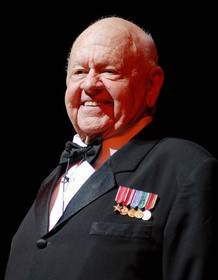
Mickey Rooney
Puck
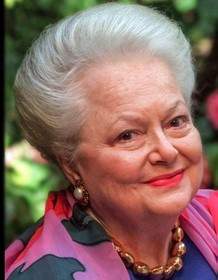
Olivia de Havilland
Hermia
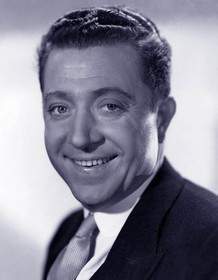
Frank McHugh
Quince
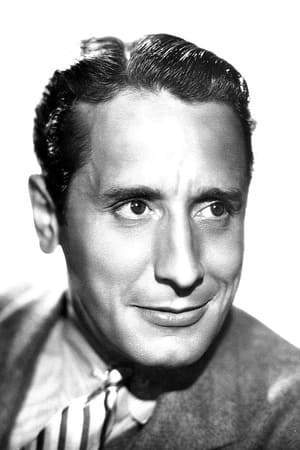
Victor Jory
Oberon
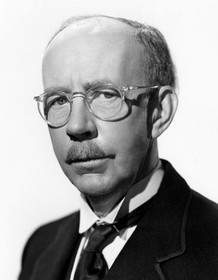
Hobart Cavanaugh
Philostrate
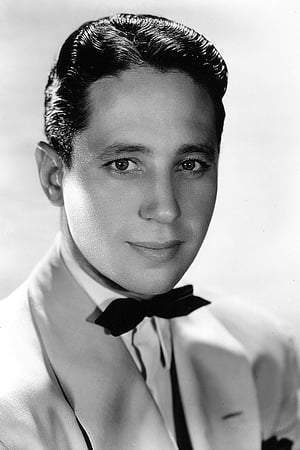
Ross Alexander
Demetrius

Otis Harlan
Starveling
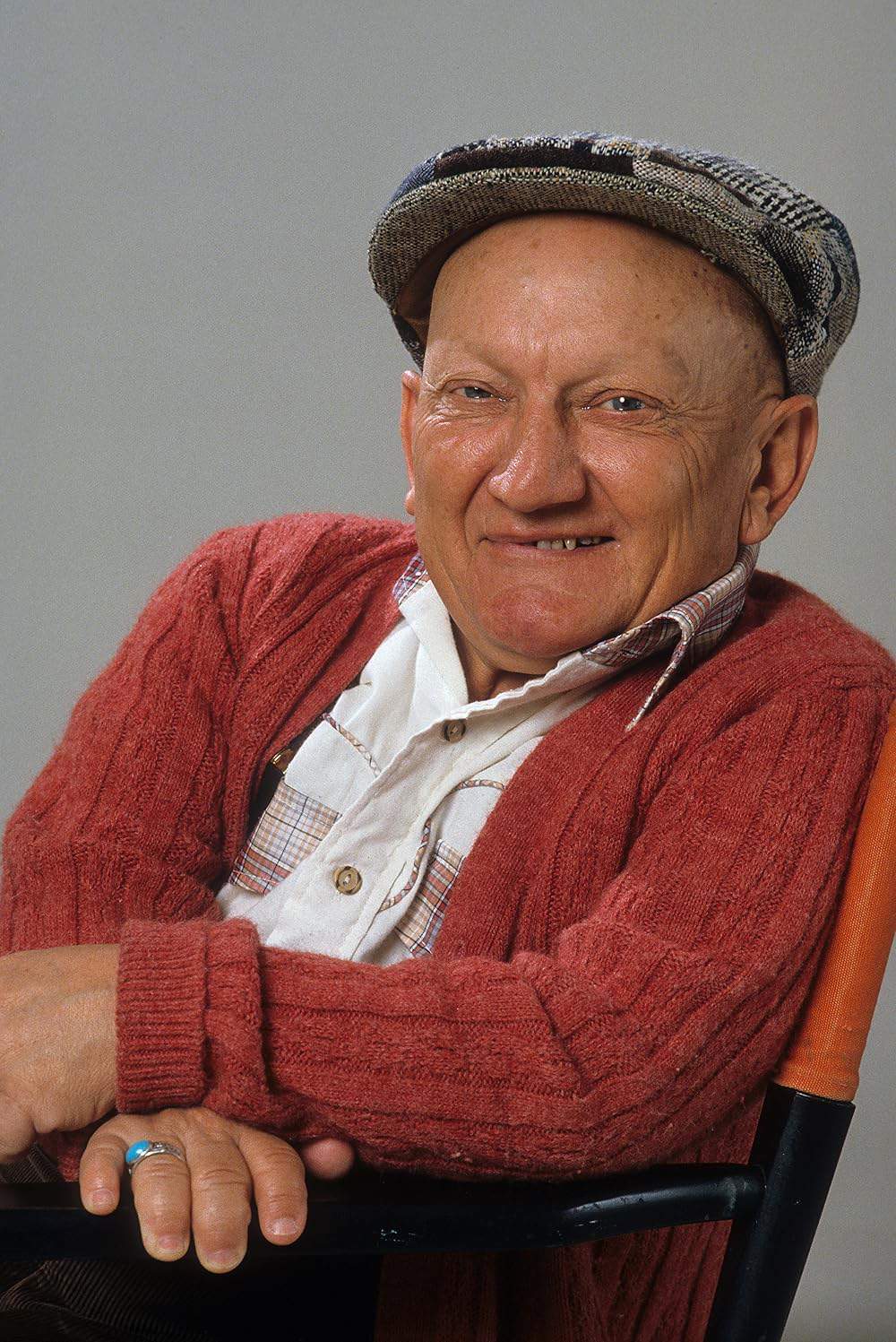
Billy Barty
Mustard-Seed
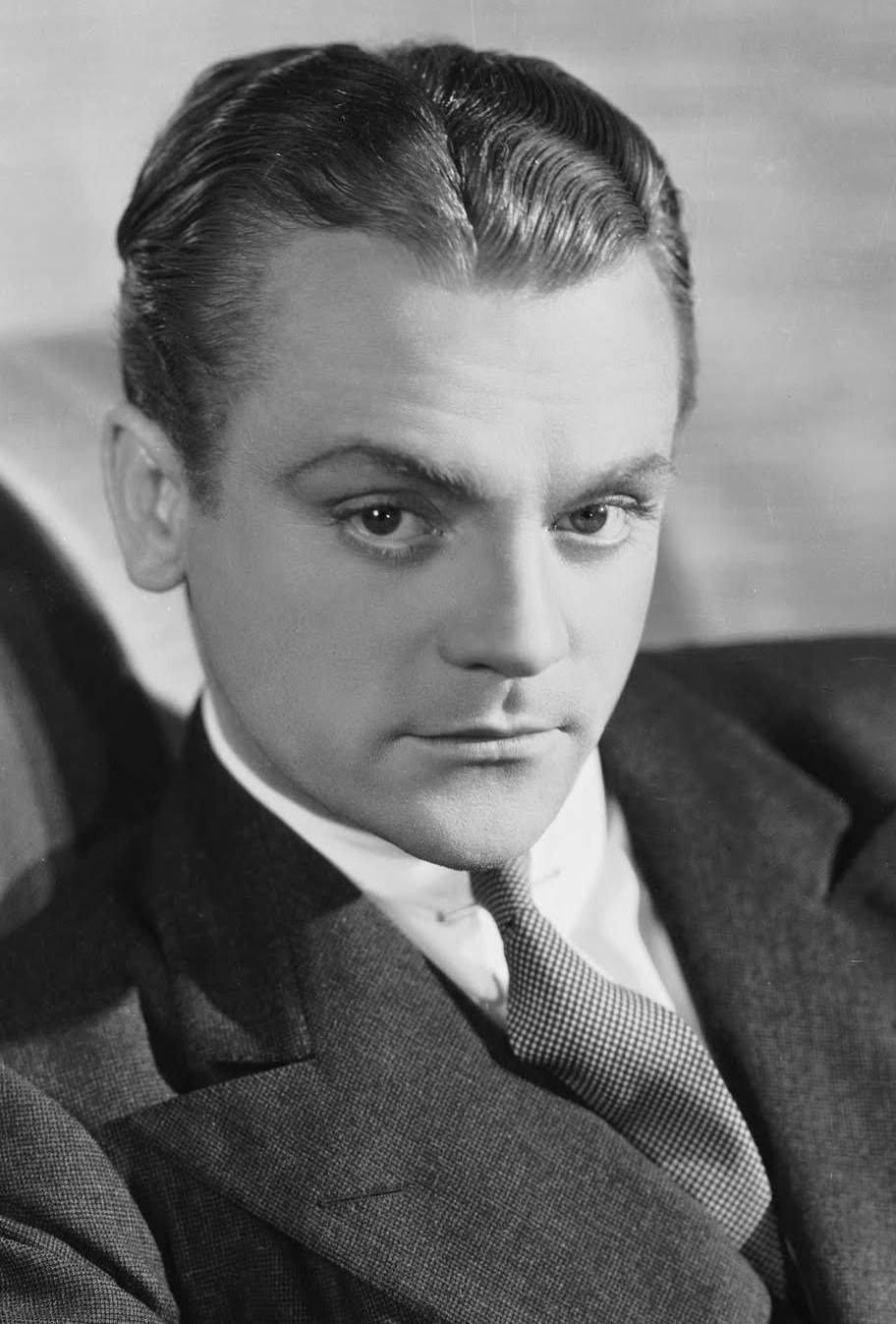
James Cagney
Bottom
Grant Mitchell
Egeus
Joe E. Brown
Flute
Dick Powell
Lysander
Helen Westcott
Cobweb
Ian Hunter
Theseus
Arthur Treacher
Epilogue
Hugh Herbert
Snout
Anita Louise
Titania
Dewey Robinson
Snug
Jean Muir
Helena
Verree Teasdale
Hippolyta
George P. Breakston
Body Double for Mickey Rooney (uncredited)
Nini Theilade
Fairie
Katherine Frey
Pease-Blossom
Fred Sale Jr.
Moth
Sheila Brown
Changeling Prince (uncredited)
External Links and Streaming Options
Discover where to watch A Midsummer Night’s Dream online, including streaming platforms, rental options, and official sources. Compare reviews, ratings, and in-depth movie information across sites like IMDb, TMDb, Wikipedia or Letterboxd.




Take the Ultimate A Midsummer Night’s Dream Movie Quiz
Challenge your knowledge of A Midsummer Night’s Dream with this fun and interactive movie quiz. Test yourself on key plot points, iconic characters, hidden details, and memorable moments to see how well you really know the film.
A Midsummer Night’s Dream (1935) Quiz: Challenge your knowledge of the 1935 film adaptation of Shakespeare's comedy with these ten questions ranging from easy to difficult.
Which actress portrays Hermia in the 1935 film?
Full Plot Summary and Ending Explained for A Midsummer Night’s Dream
Read the complete plot summary of A Midsummer Night’s Dream, including all major events, twists, and the full ending explained in detail. Explore key characters, themes, hidden meanings, and everything you need to understand the story from beginning to end.
Hermia, Olivia de Havilland loves Lysander, but her father, Egeus, has chosen Demetrius for her, and the mighty Duke Theseus, Ian Hunter, sets the grim choice before her: obey the law and wed Demetrius, or embrace a life of chastity as a follower of Diana. The tension of this ultimatum threads through the first act, paired with a backstage subplot in which Peter Quince and a band of amateur actors, led by Quince himself, rehearse a skit about the tragic lovers Pyramus and Thisbe. The troupe’s energy crackles as the overconfident Bottom contends for extra roles, and Quince reminds everyone to meet beneath the Duke’s oak before the performance. In the forest beyond Athens, a second drama brews: Oberon, the fairy king, [Victor Jory], and Titania, his queen, are locked in a dispute over a changeling child. Titania refuses to relinquish the child to Oberon, which fuels his plan to teach her a lesson using magic. He enlists his mischief-maker Puck, [Mickey Rooney], to procure a love-in-idleness flower whose pollen will seize the eye and heart of whoever first gazes upon awakening.
In parallel, Hermia and Lysander flee into the forest, seeking to elope, while Demetrius relentlessly pursues them, pursued in turn by Helena, who pines for him despite his mumbles and insults. Oberon watches this tangled pair of couples with a wily glint and orders Puck to use the flower’s spell on Demetrius so he will fall for Helena. But mischief—and a lack of careful labeling—causes Puck to mistake Lysander for Demetrius and to apply the potion to Lysander’s eyes instead. The forest becomes a stage for magical chaos: Lysander awakens to Helena’s presence and instantly loves her, leaving Hermia bewildered and heartbroken. Meanwhile, the donkey-headed Bottom is transformed by Puck’s prank, and Titania, waking, falls hopelessly in love with the transformed figure, Bottom. Oberon, observing the farce, retrieves the changeling and sets about mending the spell, while Titania’s enchantment lingers as the night deepens.
As night deepens into morning, Oberon instructs Puck to correct the mistaken affections. He orders the potion on Demetrius’s eyes as well, so that when he wakes, he will love Helena too. The result is a cascade of comic catastrophe: both Lysander and Demetrius are bewitched to pursue Helena, and a squabble erupts among Hermia, Helena, Lysander, and Demetrius as each boy claims the other’s beloved. The quarrel crescendos into a near-duel, until Oberon commands Puck to separate the lovers and remove the charm from Lysander. Titania remains under the charm, still enamored with the donkey-headed Bottom, until Oberon lifts that enchantment as well. With the fairy king’s blessing, the lovers awaken as if from a dream, and the spellbound chaos dissolves into a fragile harmony.
The woodland fairies retreat with the changeling while Oberon and Titania reconcile, and Puck works to put everything back to rights. The enchantments fade, and the lovers return to Athens with the sense that last night’s events may have been nothing but a dream. Back in the human world, Theseus and Hippolyta—whom the wedding the court anticipates—are set to merge the two couples: Hermia will wed Lysander, and Helena will wed Demetrius, while the court approves, less by law and more by a broader sense of providence and fate. The newly united pairings stand ready to join the wedding celebration, and the troupe of Mechanicals performs Pyramus and Thisbe for the guests. The play falters comically on its own terms, drawing laughter rather than tears, yet the night ends with blessing and renewal. As the curtain of the forest falls, the mischievous Puck hints that what has just unfolded might be nothing more than a dream, leaving everyone to drift toward bed and morning with a sense of wonder and relief.
In the ensemble of the tale, the cast threads a delicate balance between love’s wobbly misfires and the charm of a world where trickster magic can bend hearts without breaking them. The characters weave in and out of misread signals, unmasking vanity and desire alike, and the play-within-a-play at the Duke’s wedding provides a final, earthy humor that contrasts with the dreamlike twilight of the forest. Throughout, the performers—Olivia de Havilland as Hermia, Dick Powell as Lysander, Ross Alexander as Demetrius, Jean Muir as Helena, Ian Hunter as Theseus, Verree Teasdale as Hippolyta, Victor Jory as Oberon, Anita Louise as Titania, Mickey Rooney as Puck, Frank McHugh as Quince, James Cagney as Bottom, and the rest of the company—navigate love, jest, and enchantment with a mixture of wit, reverence, and cheeky vitality. The result is a timeless tapestry of romance and comedy, where the line between dream and waking life blurs in the glow of moonlit mischief and theatrical laughter.

Coming soon on iOS and Android
The Plot Explained Mobile App
From blockbusters to hidden gems — dive into movie stories anytime, anywhere. Save your favorites, discover plots faster, and never miss a twist again.
Sign up to be the first to know when we launch. Your email stays private — always.
Explore the mobile appDiscover Film Music Concerts Near You – Live Orchestras Performing Iconic Movie Soundtracks
Immerse yourself in the magic of cinema with live orchestral performances of your favorite film scores. From sweeping Hollywood blockbusters and animated classics to epic fantasy soundtracks, our curated listings connect you to upcoming film music events worldwide.
Explore concert film screenings paired with full orchestra concerts, read detailed event information, and secure your tickets for unforgettable evenings celebrating legendary composers like John Williams, Hans Zimmer, and more.


A Midsummer Night’s Dream Themes and Keywords
Discover the central themes, ideas, and keywords that define the movie’s story, tone, and message. Analyze the film’s deeper meanings, genre influences, and recurring concepts.
A Midsummer Night’s Dream Other Names and Titles
Explore the various alternative titles, translations, and other names used for A Midsummer Night’s Dream across different regions and languages. Understand how the film is marketed and recognized worldwide.
Similar Movies To A Midsummer Night’s Dream You Should Know About
Browse a curated list of movies similar in genre, tone, characters, or story structure. Discover new titles like the one you're watching, perfect for fans of related plots, vibes, or cinematic styles.


Quick Links: Summary, Cast, Ratings, More

What's After the Movie?
Not sure whether to stay after the credits? Find out!
Check out our other apps:

SAT Sphere
Build confidence for the Digital SAT.

Mori Atlas
Discover wild places worth protecting.

Luntero
Search smarter for a home in Amsterdam.

Plot Explained
Unravel movie endings and hidden clues.

Pokechamp
Dive into Pokémon data and battle logic.

Driving Theory
Get ready for your European theory test.

Movie Dust
Plan your next cinema trip with ease.

Musemap
Find art and culture as you travel.

Selkobase
Compare credentials before committing.

Local Manual
Turn an unfamiliar country into practical next steps.

Lernavi
Compare school systems before your next move.

GymRoam
Find a workout stop wherever your plans take you.
Explore Our Movie Platform
New Movie Releases (2026)
Famous Movie Actors
Top Film Production Studios
Movie Plot Summaries & Endings
Major Movie Awards & Winners
Best Concert Films & Music Documentaries
Movie Collections and Curated Lists
© 2026 What's After the Movie. All rights reserved.
Privacy Policy