Twelfth Night 1996


Shakespeare’s classic comedy of mistaken identities follows Viola, who, after a shipwreck, disguises herself as the young officer Cesario to serve Duke Orsino, the man she secretly loves. Orsino sends Cesario to court the Countess Olivia, who becomes enchanted by Cesario, creating a tangled web of unrequited love and gender confusion.

Does Twelfth Night have end credit scenes?
No!
Twelfth Night does not have end credit scenes. You can leave when the credits roll.
Meet the Full Cast and Actors of Twelfth Night
Explore the complete cast of Twelfth Night, including both lead and supporting actors. Learn who plays each character, discover their past roles and achievements, and find out what makes this ensemble cast stand out in the world of film and television.

Richard E. Grant
Sir Andrew Aguecheek

Imelda Staunton
Maria

Ben Kingsley
Feste
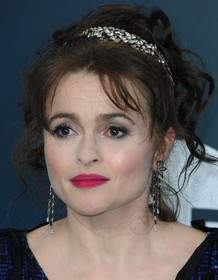
Helena Bonham Carter
Olivia

Nicholas Farrell
Antonio
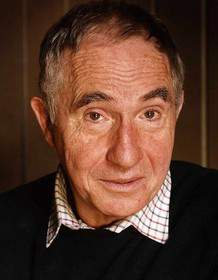
Nigel Hawthorne
Malvolio

Toby Stephens
Orsino

James Walker
Priest

Steven Mackintosh
Sebastian
Tim Bentinck
First Officer
Imogen Stubbs
Viola
David Burke
Party Guest / Dancer
Peter Gunn
Fabian
Sidney Livingstone
Captain
Jeff Hall
Gardener
Rod Culbertson
Second Officer
Alan Mitchell
Valentine
External Links and Streaming Options
Discover where to watch Twelfth Night online, including streaming platforms, rental options, and official sources. Compare reviews, ratings, and in-depth movie information across sites like IMDb, TMDb, Wikipedia or Rotten Tomatoes.






Take the Ultimate Twelfth Night Movie Quiz
Challenge your knowledge of Twelfth Night with this fun and interactive movie quiz. Test yourself on key plot points, iconic characters, hidden details, and memorable moments to see how well you really know the film.
Twelfth Night (1996) Quiz: Test your knowledge of the 1996 film adaptation of Shakespeare's Twelfth Night, covering characters, actors, and key plot points.
Which actress portrays Viola in the 1996 film?
Full Plot Summary and Ending Explained for Twelfth Night
Read the complete plot summary of Twelfth Night, including all major events, twists, and the full ending explained in detail. Explore key characters, themes, hidden meanings, and everything you need to understand the story from beginning to end.
On Twelfth Night follows Viola, Imogen Stubbs and Sebastian, Steven Mackintosh, as two young twins who amuse audiences with their striking likeness while performing aboard a ship. A violent storm wrecks the vessel, separates them, and lands Viola on the sunny shores of Illyria, where she grieves for her presumed-dead brother and tries to chart a new course in this strange land. The voyage that began as a lighthearted voyage of performance quickly becomes a voyage into disguise, danger, and desire.
To survive in this unfamiliar world, Viola disguises herself as a boy and adopts the name Cesario, her hair trimmed and her presence altered to fit the role. Orsino, Toby Stephens, the wry Duke of Illyria, is deeply infatuated with Countess Olivia, Helena Bonham Carter, who is wrapped in mourning for her brother and refuses to entertain any suitor. Cesario becomes Orsino’s trusted envoy, delivering messages of love on his behalf and navigating the delicate politics of court life with a mix of tact and nerve. The dynamic between master and messenger evolves into something more tangled as Cesario, a young man in appearance, begins to understand the Duke’s ardor while secretly carrying her own growing feelings for him.
Olivia, caught between grief and impulse, is drawn to Cesario, unaware of the disguise that veils Viola’s true identity. The misperceived affections create a sparkling tension at the heart of the comedy: Olivia falls for what she believes is a devoted suitor, while Viola grapples with a complicated double bind—serving Orsino’s desire while harboring her own love for him. The unfolding romance is set against a backdrop of intrigue and wit, where social expectations are poked at and softened by humor.
Meanwhile, Olivia’s household becomes a stage for mischief as Maria, Imelda Staunton, Feste, Ben Kingsley, and Sir Toby Belch, Mel Smith, plot against Olivia’s pompous steward Malvolio, Nigel Hawthorne. Through a deft ruse—full of forged letters and comic misreadings—Malvolio is humiliated and made to believe that Olivia returns his affections, leading to a sequence of uncomfortable and hilarious episodes that test loyalties and expose vanity. The prank amplifies the play’s satire of social pretensions and the foibles of those who think themselves above others, while still driving the emotional core of the main romance.
Into this swirl of schemes and heartache steps Sir Andrew Aguecheek, Richard E. Grant, a boozy pal of Olivia who is encouraged to challenge Cesario to a duel. The confrontation is comic in its bungling, underscoring the theme that appearances and bravado can be as treacherous as true strength. Antonio, Nicholas Farrell, a bold ally to Sebastian, steps in when danger arises, fleeing from enemies who threaten his own safety in the city and adding a layer of risk to the proceedings that heightens the suspense around mistaken identities.
Sebastian himself becomes a focal point when he arrives in Illyria and crosses paths with Olivia, who mistakes him for Cesario and engages him with a proposal of marriage. Orsino, unable to see the confusion clearly, grows anxious and suspicious as the truth inches closer to revelation. The moment of recognition arrives as Viola’s disguise is finally confronted, and the two siblings’ identities are laid bare. Orsino’s expectations collide with the reality of Viola’s true self, and an eventual convergence of love seems within reach.
The court’s tangled romances are resolved in a way that honors the play’s spirit of renewal: Orsino and Viola, and Olivia and Sebastian, find happiness in their respective unions, each pairing reflecting a different facet of love—romantic irony, steadfast devotion, and the joy that comes from embracing truth after a period of deception. The ensemble rejoices in the mix of weddings and reconciliation, and the story’s secondary players—Sir Andrew and Malvolio among them—exit with a sense of dignity restored, their earlier humiliations tempered by the longer arc of the day’s celebrations. As the night settles over Illyria, Feste the fool offers a parting song that lingers in the air, the note of which captures the play’s enduring charm: The Wind and the Rain.

Coming soon on iOS and Android
The Plot Explained Mobile App
From blockbusters to hidden gems — dive into movie stories anytime, anywhere. Save your favorites, discover plots faster, and never miss a twist again.
Sign up to be the first to know when we launch. Your email stays private — always.
Explore the mobile appWatch Trailers, Clips & Behind-the-Scenes for Twelfth Night
Watch official trailers, exclusive clips, cast interviews, and behind-the-scenes footage from Twelfth Night. Dive deeper into the making of the film, its standout moments, and key production insights.
Twelfth Night Themes and Keywords
Discover the central themes, ideas, and keywords that define the movie’s story, tone, and message. Analyze the film’s deeper meanings, genre influences, and recurring concepts.

Unlock the World of Movies with Our Comprehensive Wiki
Dive into our Movie Wiki for in-depth film encyclopedia entries, including cast biographies, production trivia, plot synopses, behind-the-scenes facts, and thematic analyses. Whether you’re researching iconic directors, exploring genre histories, or discovering hidden easter eggs, our expertly curated movie database has everything you need to fuel your cinematic passion.

Similar Movies To Twelfth Night You Should Know About
Browse a curated list of movies similar in genre, tone, characters, or story structure. Discover new titles like the one you're watching, perfect for fans of related plots, vibes, or cinematic styles.


Quick Links: Summary, Cast, Ratings, More

What's After the Movie?
Not sure whether to stay after the credits? Find out!
Check out our other apps:

SAT Sphere
Build confidence for the Digital SAT.

Mori Atlas
Discover wild places worth protecting.

Luntero
Search smarter for a home in Amsterdam.

Plot Explained
Unravel movie endings and hidden clues.

Pokechamp
Dive into Pokémon data and battle logic.

Driving Theory
Get ready for your European theory test.

Movie Dust
Plan your next cinema trip with ease.

Musemap
Find art and culture as you travel.

Selkobase
Compare credentials before committing.

Local Manual
Turn an unfamiliar country into practical next steps.

Lernavi
Compare school systems before your next move.

GymRoam
Find a workout stop wherever your plans take you.
Explore Our Movie Platform
New Movie Releases (2026)
Famous Movie Actors
Top Film Production Studios
Movie Plot Summaries & Endings
Major Movie Awards & Winners
Best Concert Films & Music Documentaries
Movie Collections and Curated Lists
© 2026 What's After the Movie. All rights reserved.
Privacy Policy