What Is A Midsummer Night’s Dream About?
The premise of A Midsummer Night’s Dream in 343 words, with nothing given away. The full story follows below.
In the glow of an Athenian summer, the city’s impending wedding looms over a generation of young lovers who feel the weight of law and tradition. Hermia is bound by her father’s decree to marry a suitor she does not love, while her heart belongs to Lysander. Their friend Demetrius is the chosen match, and the devoted Helena pursues him despite his coldness. When the stern duke Theseus offers a stark choice—obedience or a life of chastity—the quartet seeks refuge in the moon‑lit woods beyond the city walls, a place where the ordinary world begins to slip into something more enchantingly uncertain.
Beyond the treeline, the fairy realm awakens, ruled by a quarrelling monarchic pair. Oberon, the regal king of sprites, is locked in a bitter dispute with his queen Titania over a changeling child. Their conflict summons the mischievous Puck, a swift and playful spirit who carries a love‑inducing blossom capable of turning hearts on a whim. As the mortals wander deeper into the sylvan maze, the fairy’s subtle meddling promises a cascade of tangled attractions and comic bewilderment, blurring the line between genuine affection and magical impulse.
Meanwhile, a ragtag troupe of amateur actors has set up camp beneath the ancient oak that will host the duke’s celebration. Led by the earnest playwright Peter Quince, the group rehearses a tragic love story for their upcoming performance. Their most boisterous member, the overconfident Bottom, dreams of taking on larger roles, adding a layer of earthy humor that contrasts sharply with the ethereal mischief unfolding around them. The juxtaposition of earnest stagecraft and otherworldly interference creates a lively tapestry of theatricality and wonder.
The film balances Shakespeare’s lyrical comedy with a dream‑like visual palette, inviting the audience to drift between the structured world of Athens and the capricious, moon‑bathed forest. With witty dialogue, whimsical music, and a cast whose desires intersect in unpredictable ways, the story sets the stage for a night where love, magic, and farce intertwine, leaving the viewer eager to discover just how far the enchantments will wander before dawn.
What Happens in A Midsummer Night’s Dream?
The complete story of A Midsummer Night’s Dream, from the first scene to the last, in 783 words (about 3 minutes). Spoilers throughout. Names in the text link to 11 cast member pages.
Spoilers ahead
Hermia, Olivia de Havilland loves Lysander, but her father, Egeus, has chosen Demetrius for her, and the mighty Duke Theseus, Ian Hunter, sets the grim choice before her: obey the law and wed Demetrius, or embrace a life of chastity as a follower of Diana. The tension of this ultimatum threads through the first act, paired with a backstage subplot in which Peter Quince and a band of amateur actors, led by Quince himself, rehearse a skit about the tragic lovers Pyramus and Thisbe. The troupe’s energy crackles as the overconfident Bottom contends for extra roles, and Quince reminds everyone to meet beneath the Duke’s oak before the performance. In the forest beyond Athens, a second drama brews: Oberon, the fairy king, [Victor Jory], and Titania, his queen, are locked in a dispute over a changeling child. Titania refuses to relinquish the child to Oberon, which fuels his plan to teach her a lesson using magic. He enlists his mischief-maker Puck, [Mickey Rooney], to procure a love-in-idleness flower whose pollen will seize the eye and heart of whoever first gazes upon awakening.
In parallel, Hermia and Lysander flee into the forest, seeking to elope, while Demetrius relentlessly pursues them, pursued in turn by Helena, who pines for him despite his mumbles and insults. Oberon watches this tangled pair of couples with a wily glint and orders Puck to use the flower’s spell on Demetrius so he will fall for Helena. But mischief—and a lack of careful labeling—causes Puck to mistake Lysander for Demetrius and to apply the potion to Lysander’s eyes instead. The forest becomes a stage for magical chaos: Lysander awakens to Helena’s presence and instantly loves her, leaving Hermia bewildered and heartbroken. Meanwhile, the donkey-headed Bottom is transformed by Puck’s prank, and Titania, waking, falls hopelessly in love with the transformed figure, Bottom. Oberon, observing the farce, retrieves the changeling and sets about mending the spell, while Titania’s enchantment lingers as the night deepens.
As night deepens into morning, Oberon instructs Puck to correct the mistaken affections. He orders the potion on Demetrius’s eyes as well, so that when he wakes, he will love Helena too. The result is a cascade of comic catastrophe: both Lysander and Demetrius are bewitched to pursue Helena, and a squabble erupts among Hermia, Helena, Lysander, and Demetrius as each boy claims the other’s beloved. The quarrel crescendos into a near-duel, until Oberon commands Puck to separate the lovers and remove the charm from Lysander. Titania remains under the charm, still enamored with the donkey-headed Bottom, until Oberon lifts that enchantment as well. With the fairy king’s blessing, the lovers awaken as if from a dream, and the spellbound chaos dissolves into a fragile harmony.
The woodland fairies retreat with the changeling while Oberon and Titania reconcile, and Puck works to put everything back to rights. The enchantments fade, and the lovers return to Athens with the sense that last night’s events may have been nothing but a dream. Back in the human world, Theseus and Hippolyta—whom the wedding the court anticipates—are set to merge the two couples: Hermia will wed Lysander, and Helena will wed Demetrius, while the court approves, less by law and more by a broader sense of providence and fate. The newly united pairings stand ready to join the wedding celebration, and the troupe of Mechanicals performs Pyramus and Thisbe for the guests. The play falters comically on its own terms, drawing laughter rather than tears, yet the night ends with blessing and renewal. As the curtain of the forest falls, the mischievous Puck hints that what has just unfolded might be nothing more than a dream, leaving everyone to drift toward bed and morning with a sense of wonder and relief.
In the ensemble of the tale, the cast threads a delicate balance between love’s wobbly misfires and the charm of a world where trickster magic can bend hearts without breaking them. The characters weave in and out of misread signals, unmasking vanity and desire alike, and the play-within-a-play at the Duke’s wedding provides a final, earthy humor that contrasts with the dreamlike twilight of the forest. Throughout, the performers—Olivia de Havilland as Hermia, Dick Powell as Lysander, Ross Alexander as Demetrius, Jean Muir as Helena, Ian Hunter as Theseus, Verree Teasdale as Hippolyta, Victor Jory as Oberon, Anita Louise as Titania, Mickey Rooney as Puck, Frank McHugh as Quince, James Cagney as Bottom, and the rest of the company—navigate love, jest, and enchantment with a mixture of wit, reverence, and cheeky vitality. The result is a timeless tapestry of romance and comedy, where the line between dream and waking life blurs in the glow of moonlit mischief and theatrical laughter.
A Midsummer Night’s Dream Timeline: Every Key Event in Order
12 key events in the order they happen, from “Hermia's Dilemma and Theseus's Decree” to “Pyramus and Thisbe and the Epilogue”. 12 events name a place, across 6 locations.
- 1
Hermia's Dilemma and Theseus's Decree
At the court of Duke Theseus in Athens, Hermia declares she loves Lysander while her father Egeus demands she marry Demetrius. Theseus upholds the ancient law, offering Hermia the choice of death or a vow of chastity as a nun if she refuses. Hermia and Lysander decide to flee the city to be together.
When:Day Where:Athens, Theseus's court
- 2
Quince and the Guild of Players Form the Performance
Peter Quince and his fellow players gather to stage a play about Pyramus and Thisbe to honor the Duke and Hippolyta's forthcoming wedding. Quince assigns roles and Bottom quickly volunteers for multiple characters, despite the others' skepticism. They plan to meet at the Duke's oak tree to rehearse.
When:Day Where:Duke Theseus's court / Duke's oak tree
- 3
Oberon and Titania's Feud and the Flower
In the forest, Oberon and Titania are arguing over the custody of a changeling child. Titania refuses to surrender the child, prompting Oberon to enlist his mischievous servant Puck to fetch the love-in-idleness flower. The plan is to use the flower's magic to topple Titania's enchantment and gain leverage over her.
When:Night Where:Forest
- 4
Titania Enchanted: Falls for Bottom
Oberon uses a magic flower on Titania's eyes as she sleeps, intending to make her fall in love with the first creature she sees upon waking. When Titania awakens, she is immediately smitten with the ass-headed Bottom. The enchanted pairing disrupts the fairy court's balance as Oberon watches.
When:Night Where:Forest
- 5
Hermia and Lysander Escape the City
Hermia and Lysander slip away into the forest to elope, hoping to call off the law's constraints. Demetrius tracks them down, driven by his own love for Hermia, while Helena follows hoping to win back Demetrius's favor. The forest becomes a stage for their pursuit and romantic tensions.
When:Night Where:Forest outside Athens
- 6
Puck Applies Love Potion to Demetrius
Oberon sends Puck to apply the love potion to Demetrius's eyes as he sleeps, planning for him to fall in love with Helena. When Demetrius wakes, he is instantly captivated by Helena, creating jealousy and confusion among the would-be lovers.
When:Night Where:Forest
- 7
Puck Mistakenly Falls Lysander in Love with Helena
Puck, misreading the situation, anoints Lysander's eyes instead, causing Lysander to fall in love with Helena upon waking. Hermia's plan to be with Lysander collapses as both men pursue Helena, leaving Hermia desperate and confused.
When:Night Where:Forest
- 8
Helena Encounters the Lovers and the Quarrel
Helena confronts Hermia and accuses her of stealing Lysander; the four lovers quarrel in the woods as feelings become tangled. The former jealousy escalates as Lysander and Demetrius vow to duel to prove their love for Helena. Puck and Oberon watch, guiding the chaos from the shadows.
When:Night Where:Forest
- 9
Puck Removes the Enchantment from Lysander
Oberon instructs Puck to separate Lysander and Demetrius and to remove Lysander's enchantment after some time. When the potion is reversed, Lysander returns to loving Hermia, while Demetrius remains in love with Helena. Titania remains under the spell until Oberon frees her.
When:Night Where:Forest
- 10
Enchantment Ends and Fairy Mischief Reverses
Oberon lifts Titania from her spell and the fairy court departs with a blessing on the day’s events. Puck then undoes the donkey enchantment on Bottom, restoring him to himself and ensuring the other lovers awaken believing it was all a dream. The forest settles as magic's mischief cools.
When:Night Where:Forest
- 11
Return to Athens for the Duke's Wedding
The lovers awaken and return to Athens to attend Theseus's wedding to Hippolyta. Theseus overrules Egeus and arranges Hermia to Lysander and Helena to Demetrius, affirming the couples' future unions. The city prepares for a celebratory wedding.
When:Wedding day Where:Athens
- 12
Pyramus and Thisbe and the Epilogue
The troupe performs Pyramus and Thisbe at the wedding, delivering a performance so imperfect it becomes comedic. After the play, Oberon, Titania, and the fairies bless the house, ensuring good fortune for the newly united couples. Puck closes by hinting that what the audience witnessed might have been only a dream.
When:Wedding night Where:Theseus's court
Who Are the Main Characters in A Midsummer Night’s Dream?
12 characters, among them Hermia (Olivia de Havilland), Lysander (Dick Powell) and Demetrius (Ross Alexander): who each one is and the part they play in the story. Every profile links to the actor’s page.
-
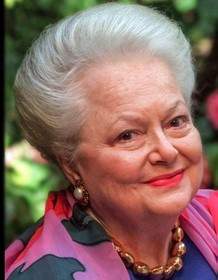
Hermia (Olivia de Havilland)
Played by Olivia de Havilland
Hermia is a beautiful, determined young woman who loves Lysander and resists her father's demand to marry Demetrius. She stands up to patriarchal authority and pursues a personal path to love, even at risk of exile or death. Her loyalty to true affection drives much of the night's action.
- 💖 Romantic
- ⚖️ Defiant
- 🌹 Determined
- L(
Lysander (Dick Powell)
Played by Dick Powell
Lysander loves Hermia and plans to elope with her, seeking a freer future away from strict paternal dictates. His devotion makes him a steadfast ally of Hermia, but the enchantments in the forest rapidly complicate his affections.
- 🗺️ Adventurous
- 💪 Determined
- 🌿 Idealistic
-
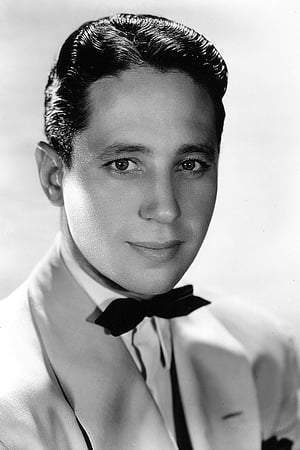
Demetrius (Ross Alexander)
Played by Ross Alexander
Demetrius initially pursues Hermia under his father's approval, but becomes a victim of the forest's magic which makes him fall for Helena. His quick shifts reveal a volatile, easily swayed temperament under external influence.
- ⚖️ Driven
- 🔥 Impulsive
- 💨 Persistent
- H(
Helena (Jean Muir)
Played by Jean Muir
Helena loves Demetrius and endures his rejection, pursuing him despite humiliation. Her unwavering devotion and insecurity drive much of the daytime banter and nighttime intrigue, illustrating how unrequited love can fuel resilience.
- 💬 Witty
- 💔 Insecure
- 💪 Perseverant
-
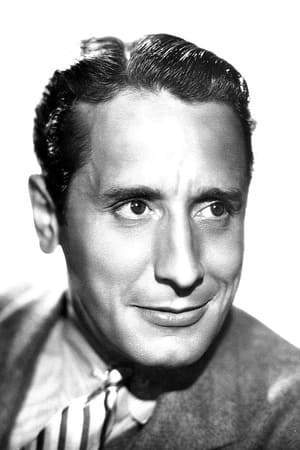
Oberon (Victor Jory)
Played by Victor Jory
Oberon, king of the fairies, orchestrates the night’s mischief to gain leverage over Titania and assert magical influence over mortals. He seeks to restore balance and order after the forest's chaos, then reconciles with Titania.
- ✨ Enigmatic
- 🧭 Calculating
- 🪄 Powerful
- T(
Titania (Anita Louise)
Played by Anita Louise
Titania, queen of the fairies, is briefly bewitched and falls for the donkey-headed Bottom. She embodies a regal, capricious grace that is tempered by the forest's enchantment and her eventual reconciliation with Oberon.
- 🌟 Regal
- 💫 Capricious
- 🎭 Mystical
-
Puck (Mickey Rooney)
Played by Mickey Rooney
Puck is Oberon's mischievous trickster, spreading mischief with a confidence that destabilizes love and expectations. His errors and playful chaos drive much of the plot’s comic and dramatic reversals.
- 😂 Mischievous
- 🎭 Playful
- 🪄 Trickster
-
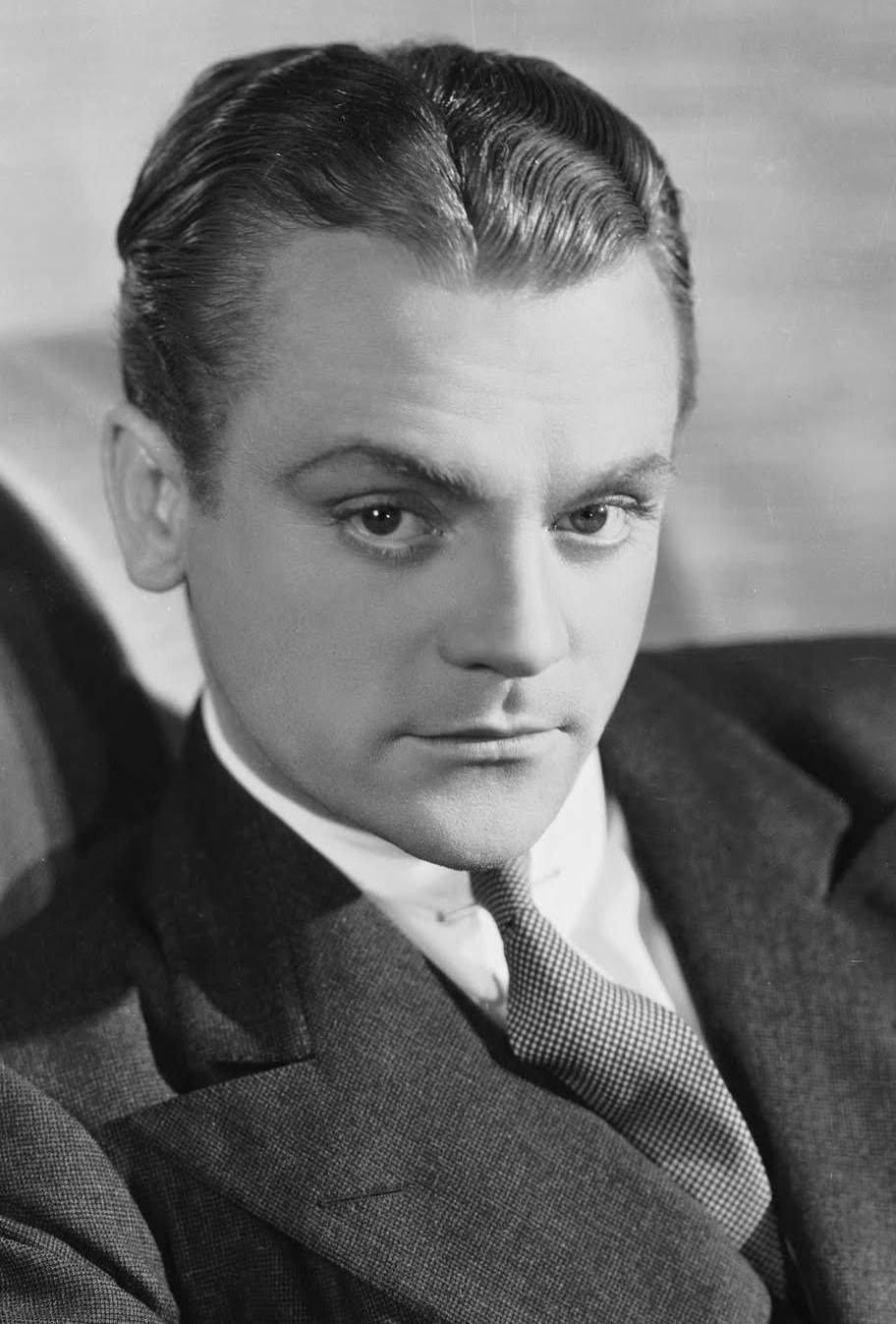
Bottom (James Cagney)
Played by James Cagney
Bottom is a boastful, endearing actor who is transformed into a donkey-headed figure by Puck. He becomes the unwitting center of Titania's infatuation, creating humorous confusion and a lesson about vanity and perception.
- 🤡 Comical
- 🎭 Performer
- 🐴 Transformation
-
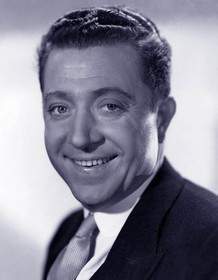
Quince (Frank McHugh)
Played by Frank McHugh
Quince leads the group of amateur players who prepare a stage spectacle for the Duke. He is practical, patient, and eager to present a simple, earnest performance despite the chaotic night.
- 🎬 Organized
- 🗣️ Leader
- 🧵 Playwright
- T(
Theseus (Ian Hunter)
Played by Ian Hunter
Theseus is the Duke of Athens who negotiates law, marriage, and royal ceremony. He ultimately overrules a parent's demand, joining Hermia and Lysander in a ceremonial union to restore order.
- 👑 Dutiful
- ⚖️ Lawful
- 🤝 Romantic
- H(
Hippolyta (Verree Teasdale)
Played by Verree Teasdale
Hippolyta is the Amazon queen set to marry Theseus. She embodies noble grace and the social framework surrounding the impending wedding, balancing authority with anticipation.
- 👸 Noble
- 🕊️ Peaceful
- 💍 Bride-to-be
- E(
Egeus (Grant Mitchell)
Played by Grant Mitchell
Egeus is Hermia's father who insists on the Athenian law requiring his daughter to marry Demetrius. He represents rigid social control that drives the initial conflict of the plot.
- 🧭 Strict
- ⚖️ Traditional
- 🚫 Controlling
Where and When Is A Midsummer Night’s Dream Set?
A Midsummer Night’s Dream is set in Athens and Forest outside Athens (Ancient Greece). Here is why the time and place matter to the story.
When
Ancient Greece
Set in classical antiquity, the tale references Athenian law and the social rules surrounding marriage. The wedding of Theseus and Hippolyta frames the social order the characters navigate. Nighttime intrigues and fairy meddling occur within a brief, mythic time span that blends royalty, magic, and mischief.
Where
Athens, Forest outside Athens
The story unfolds in ancient Athens, centered on the duke's court and the legal pressures facing Hermia. Much of the action shifts to a nearby enchanted forest where magical mischief disturbs human affairs. The forest becomes a liminal stage where love, duty and dreams collide, guiding the lovers toward an unexpected wedding at the end.
- 🏛️ Ancient city
- 🌳 Forest setting
- 🏰 Royal wedding backdrop
What Are the Themes of A Midsummer Night’s Dream?
3 ideas the story keeps returning to, among them Love, Magic and Dreams.
-
01
Love
Romantic attraction drives Hermia, Lysander, Demetrius, and Helena, but their desires are tested by parental authority and social expectations. The lovers' plans to marry for love are disrupted by the law and by magical interference. The story explores how love can be joyous, stubborn, and at times chaotic, yet ultimately resolved.
-
02
Magic
Fairy mischief and potion magic alter affections and loyalties, turning relationships on their heads. Oberon and Puck manipulate the human world to achieve personal ends, with Bottom's transformation providing comic relief. The magical realm operates as a counterpoint to courtly order, revealing the power of wonder and misdirection.
-
03
Dreams
The action blurs the line between dream and reality, as characters awaken convinced they have dreamed what they experienced in the forest. The night-time escapades, masquerades, and magical reversals create a dreamlike sequence that questions what is real. By the end, the characters are returned to the stage of waking life with a sense of reconciled resolutions.
What Kind of Film Is A Midsummer Night’s Dream?
Light in tone, with variable pacing and a moderate story, going by the plot summary.
- Tone
- Light
- Pacing
- Variable
- Story
- Moderate
- Intensity
- Medium
- Ending
- Happy
A whimsical and magical forest comedy where mischievous fairies orchestrate a delightful tangle of mistaken affections and humorous transformations, creating a dreamlike and playful viewing experience.
- whimsical
- dreamlike
- magical
- comic
- playful
- enchanted
- magic and spells
- mistaken identity
- romantic rivalry
- theatrical performance
Quiz
How well do you remember A Midsummer Night’s Dream? Test yourself on the story.