What Is Night in Paradise About?
The premise of Night in Paradise in 320 words, with nothing given away. The full story follows below.
In a lush, vividly rendered world that seems plucked from the pigments of an ancient tapestry, a kingdom breathes with the rhythm of myth and music. The film opens amid sun‑kissed marble courtyards and bustling bazaars, where fate feels as malleable as a storyteller’s rhyme. The atmosphere shimmers with a playful, almost teasing elegance, inviting the audience to suspend disbelief and wander through a fable that feels both timeless and freshly colored.
At the heart of this enchanted realm sits the queen, a ruler whose heart beats more for poetry and courtly romance than for the burdens of sovereignty. Her predilection for love‑laden verses and whispered confidences sets her apart from the usual gravitas of royalty, and her penchant for dream‑like reverie casts a gentle, mischievous light over the palace walls. She moves through the corridors with an air of wistful curiosity, hinting at a deeper yearning that will ripple through the lives of those around her.
Enter Aesop, the legendary storyteller famed for his timeless fables. To the world he inhabits, he adopts the guise of a frail old man—cane in hand, slow steps masking a sharp mind and a youthful spark beneath the surface. His purpose in the kingdom is twofold: to lend his narrative craft to the court and to pursue a daring courtship of the princess, whose own aspirations are tangled with ambition. She dreams of marriage to a king not for love alone, but for the glittering promise of gold and the security it brings, framing her desires in a pragmatic, almost mercantile light.
The interplay of these three figures weaves a whimsical commentary on love, power, and desire. Their contrasting motives—romance versus ambition, legend versus royalty—create an enchanting tension that feels both intimate and epic. Bathed in Technicolor’s glow, the story promises a delightful dance of scheming hearts and the timeless question of what one is willing to trade for a happily ever after.
What Happens in Night in Paradise?
The complete story of Night in Paradise, from the first scene to the last, in 534 words (about 2 minutes). Spoilers throughout. Names in the text link to 4 cast member pages.
Spoilers ahead
In 560 BC, King Croesus of Lydia incurs the wrath of the disembodied sorceress Attossa after he chooses the Persian beauty Delarai Merle Oberon over her. Attossa toys with him from beyond the throne, mocking his pride and threatening his sanity, until he seeks a cure from a fortune-teller named Aesop Turhan Bey. Aesop is strikingly young and handsome, yet he presents himself as an elderly man with a hunched back, a limp, and a cane—a façade he uses to hide his real charm. He is drawn to Delarai as well, his interest complicating his mission and adding a dangerous air of forbidden desire to the palace politics. Delarai, unaware of the undercurrents, invites Aesop to interpret a charm, and in the moment he cannot resist revealing his true nature by stepping into a younger form under the name Jason. The moment is pivotal: Delarai recognizes the same scar on Jason’s hand that marks Aesop, and a forbidden affection blooms between them, even as Attossa and the palace watch with growing suspicion.
As the lovers navigate this duality, Croesus wants the Oracle to tell him the truth once and for all, so he sends Aesop to retrieve it. Delarai pleads for mercy and tries to dissuade him, but Aesop presses on. Delarai’s tears mark the ache of love met with danger, and she ultimately cannot save him from the path he chooses. At the temple, Aesop secures the Oracle’s words by confronting a priest who guards them, whose insistence on the sacred value of life leads Aesop to a brutal and decisive act: he hides in the priest’s clothes and vanishes into the night, his face hidden beneath a hood. Delarai, desperate to find him, follows and confronts the possibility that the disguise might fail. When Aesop reveals a glimpse of his youth, Delarai smiles, and the guards unmask him, exposing the lovers to a net of pursuit. They flee together, hand in hand, yet are driven to a desperate cliff-edge gambit as their pursuers close in.
“Another fable to bed?”
As the couple clings to each other, Attossa finally reveals her own image at sea, declaring that their fate was saved by faith, by love, and a little assistance from Attossa herself. This revelation shifts the odds in their favor and redefines the couple’s future. They escape the immediate danger and begin a new life away from the palace’s tyranny. The lovers settle into a quiet cottage by a lake and a lush garden, where Delarai tends to her domestic world and Aesop’s skilled hands roam the space around her shoulder. The tale takes a luminous turn when twelve children emerge from the cottage doorway, shouting “daddy!” and signaling a family that has grown from their union. The elder child’s quip—> “Another fable to bed?”—is answered by Aesop with a warm, playful correction: “not tonight, tonight is mommy’s night.” The moment isn’t merely domestic bliss; it marks a fulfilled prophecy translated into a life, a family, and a lasting peace. In the closing image, the two share a tender embrace, their past trials transformed into a durable bond, and a home where stories—like fables—continue to live on through the laughter of their children.
Night in Paradise Timeline: Every Key Event in Order
12 key events in the order they happen, from “Croesus defies Attossa's wrath” to “Moments of a quiet legacy”. 12 events name a place, across 11 locations.
- 1
Croesus defies Attossa's wrath
Croesus chooses Delarai over the sorceress Attossa, incurring her anger as she mocks him from the palace in a disembodied form. He seeks a solution to appease or outwit the goddess and turns to Aesop, a fortune-teller who has just arrived from Samos. The royal court buzzes with the precarious balance between love and power.
When:560 BC Where:Croesus' palace, Lydia
- 2
Aesop arrives from Samos
Aesop arrives at the palace dressed as an old man with a hunch, a limp, and a cane. He presents himself as a seeker of wisdom, though he is young and handsome beneath the disguise. His presence unsettles the court and hints at a dangerous bargain to come.
When:560 BC Where:Lydia palace
- 3
Delarai invites Aesop to interpret a charm
Delarai invites Aesop to interpret a charm, and he performs in his younger form under the name Jason. At first Delarai is unaware of the deception, drawn to Jason's charm and wit. The encounter marks the beginning of a perilous attraction.
When:560 BC Where:Delarai's chamber, palace
- 4
Aesop and Delarai fall in love
Delarai notices the scar on Jason's hand, which confirms Aesop's true identity, and they confess their love. Their bond grows despite the palace whispers and growing danger. Attossa and the courtiers begin to fear the consequences of their affair.
When:soon after Where:Palace, Delarai's quarters
- 5
Palace suspicions mount
Attossa and the nobles grow wary of Aesop and Delarai, suspecting a conspiracy of hearts and loyalties. Rumors spread through the halls as guards tighten surveillance. The lovers must navigate a web of betrayal and risk.
When:soon after Where:Palace corridors
- 6
Croesus asks the Oracle for truth
Croesus demands that the Oracle reveal the truth and orders Aesop to fetch it. Delarai pleads with him not to go, but his resolve does not waver. Delarai sinks into tears as Aesop prepares for the perilous mission.
When:before journey Where:Palace and road to temple
- 7
Aesop disguises to reach the priest
Aesop reaches the temple where the priest guards the Oracle, but the priest refuses to relinquish it. In a ruthless act, Aesop strangles the priest, steals his clothes, and hides his face beneath a hood. He presses on toward the truth under a new disguise.
When:during journey Where:Temple of the Oracle
- 8
Delarai confronts an unmasked Aesop
Delarai goes to the temple seeking Aesop, and he reveals his youthful face just enough to spark a smile. Guards notice the smile and unmask him, triggering a frantic escape hand in hand. The lovers flee, pursued by those who would separate them.
When:immediately after Where:Temple, palace vicinity
- 9
Escape and cliff plunge
Aesop and Delarai run toward freedom and are forced to leap off a cliff into the unknown. They cling to each other as Attossa reveals her image at sea, declaring that their faith, love, and a little help from her kept them alive. The peril of pursuit becomes a testament to their bond.
When:after escape Where:Cliffs by the sea
- 10
A new life by a lake
The couple finds sanctuary in a small cottage by a lake and garden, where Delarai tends Aesop's healing hand and they begin a quiet, ordinary life. The romance matures into lasting companionship as they adjust to their circumstances. The landscape mirrors a hopeful new chapter.
When:years later Where:Cottage by a lake
- 11
Arrival of their bustling family
Twelve boys emerge from the cottage, shouting 'daddy!' establishing that Aesop and Delarai have married and built a large family. The eldest teases about bedtime, hinting at the warmth and humor of their home. The family hug seals a peaceful, sunlit ending to their journey.
When:years later Where:Cottage
- 12
Moments of a quiet legacy
As the father and mother share a moment of affection, the film closes on the unspoken legacy of their adventures: love enduring beyond disguise and danger. The house fills with the laughter of children, binding myth to memory. A final family hug echoes a fable told and rewritten by fate.
When:years later Where:Cottage
Who Are the Main Characters in Night in Paradise?
6 characters, among them King Croesus (Thomas Gomez), Delarai (Merle Oberon) and Aesop (Turhan Bey): who each one is and the part they play in the story. Every profile links to the actor’s page.
-
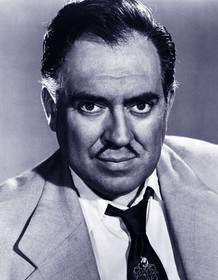
King Croesus (Thomas Gomez)
Played by Thomas Gomez
The powerful king of Lydia whose pride and demands for truth set the conflict in motion. His flirtation with Delarai and fear of losing control drive palace intrigue, testing his leadership and judgment.
- 👑 King
- 🗺️ Power
- 🎭 Pride
- D(
Delarai (Merle Oberon)
Played by Merle Oberon
A Persian beauty entwined in palace politics who falls for Aesop. She recognizes the scar that marks truth, choosing love despite the palace’s danger and the social boundaries she must navigate.
- 🌸 Princess
- ❤️ Love
- 🕊️ Loyalty
- A(
Aesop (Turhan Bey)
Played by Turhan Bey
A fortune-teller who reimagines himself as a youthful suitor to win Delarai’s heart. His quest for the Oracle and his clever schemes propel him through peril, even as his feelings for Delarai complicate his mission.
- 🗺️ Trickster
- 🧠 Wisdom
- ✨ Magic
- A(
Attosa (Gale Sondergaard)
Played by Gale Sondergaard
The sorceress queen who appears as a disembodied voice yet exerts real influence over events. Her presence as both antagonist and reluctant ally shapes the lovers’ fate and the palace’s power dynamics.
- 👑 Queen
- 🔮 Magic
- 🌀 Power
- S(
Scribe (Jerome Cowan)
Played by Jerome Cowan
A palace scribe who records the unfolding drama and becomes entangled in the schemes that surround Delarai and Aesop.
- 🖋️ Scribe
- 🧭 Bureaucracy
- S(
Scribe (Ernest Truex)
Played by Ernest Truex
Another palace scribe who observes the tense atmosphere and contributes to the documentation of the theater of court life.
- 🖋️ Scribe
- 🧭 Bureaucracy
Where and When Is Night in Paradise Set?
Night in Paradise is set in Lydia and Persia (560 BC). Here is why the time and place matter to the story.
When
560 BC
The tale is rooted in the 6th century BCE, a world of monarchies, oracles, and legendary figures. Kings and priests shape events behind palace walls, while magic and prophecy influence every choice. The period emphasizes mythic destiny, political intrigue, and personal passion colliding at the heart of a powerful empire.
Where
Lydia, Persia
Set in the ancient kingdom of Lydia in 560 BC, the story largely unfolds within Croesus's opulent palace and the surrounding Persian milieu. The action centers on the royal residence, its gardens, and a cliff-side seascape that frames the lovers’ peril. The setting blends royal ceremony with mythic elements that underscore fate and desire.
- 🏛️ Ancient City
- 🔮 Mythic Magic
- 🏰 Palace
- 🗺️ Ancient Lands
What Are the Themes of Night in Paradise?
3 ideas the story keeps returning to, among them Forbidden Love, Identity and Deception and Hope and Survival.
-
01
Forbidden Love
Delarai and Aesop’s romance challenges the loyalties expected within the palace and threatens the political order. Their bond tests duty, influence, and the limits of acceptance within a guarded royal world. Love here becomes a spark that defies social boundaries and royal decree.
-
02
Identity and Deception
Aesop’s transformation into a younger man and the discovery of the scar drive the plot with themes of disguise and truth. Deception is a tool and a trap, used to outwit guards, priests, and jealous watchers within the court. The barrier between appearance and reality fuels the tension throughout.
-
03
Hope and Survival
Despite threats of exposure and pursuit, faith in love—and a touch of Attossa’s aid—allows the couple to endure. The ending presents a retreat from peril into domestic peace, suggesting that love can outlast tyranny when backed by trust and resilience.
What Kind of Film Is Night in Paradise?
Whimsical in tone, with steady pacing and a moderate story, going by the plot summary.
- Tone
- Whimsical
- Pacing
- Steady
- Story
- Moderate
- Intensity
- Medium
- Ending
- Happy
A whimsical and romantic Technicolor fable that playfully blends court intrigue, magical intervention, and a disguised courtship, leading to a hopeful and domestic happily-ever-after.
- whimsical
- romantic
- playful
- magical
- fable-like
- fantastical
- forbidden love
- disguise and deception
- ancient greece
- power and greed
Quiz
How well do you remember Night in Paradise? Test yourself on the story.