
A Child in the Crowd (1976): Cast & Plot
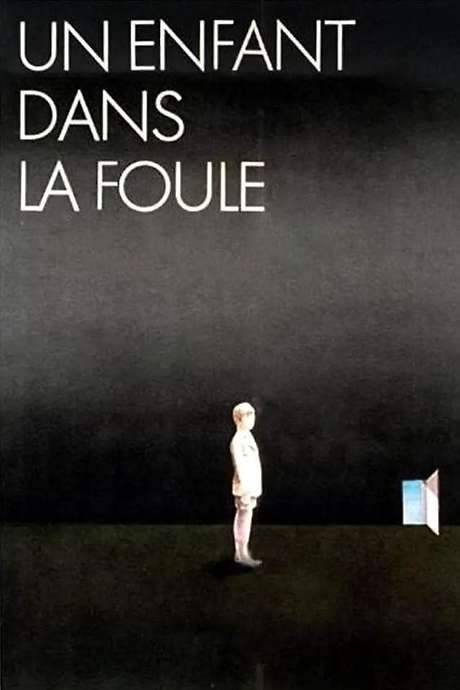
A Child in the Crowd is a 1976 drama directed by Gérard Blain, starring César Chauveau as Paul (Teenager), Annie Kovaks and Jean François Cimino. It runs 1 hour 25 minutes.
- Released
- Runtime
- 1h 25m (85 min)
- Director
- Gérard Blain
- Genre
- Drama
- Original language
-
 French
 - Studio
- Télépresse Films
- After the credits
- No No extra scene
What Is A Child in the Crowd About?
The premise of A Child in the Crowd without spoilers. The whole story is in the plot summary further down.
Abandoned by his father and uprooted by the chaos of World War II, Paul is a lonely boy yearning for affection. He briefly becomes a mascot for German soldiers, running errands for them, before joining the French Resistance. When American troops occupy his town, Paul finally finds a place where he feels truly accepted and thrives.
A Child in the Crowd Themes & Keywords
· 14 tags- female frontal nudity
- female rear nudity
- public humiliation
- gay youth
- pedophilia
- gay
- homosexual
- nudity
- female topless nudity
- female nudity
- love
- rear nudity
+2 more Show fewer
- female pubic hair
- penis
A Child in the Crowd Cast & Characters
César Chauveau leads the cast as Paul (Teenager), with Annie Kovaks as mother of Paul and Jean François Cimino as Child. Directed by Gérard Blain; 12 actors are credited in all.
-
 Director Gérard Blain
- César Chauveau as Paul (Teenager)
- Annie Kovaks as mother of Paul
- Jean François Cimino as Child
- Bernard Soufflet as Jacques
Also Starring in A Child in the Crowd
· 8 more- Claude Cernay Gilles
- Jurgens Doeres Laurent
- Raymonde Badé-Mauffroy La maîtresse (as Raymonde Mauffroy)
- Claude Treille Micheline, adolescente
- Cécile Cousseau Micheline, enfant
- Jean Bertal Father of Paul
- Gabrielle Sassoum La grand-mère
- Jacques Benoît-Lévy School Director
A Child in the Crowd Plot Summary
What happens in A Child in the Crowd from start to finish, spoilers included, with a timeline of 12 key events. The opening is below; the full summary is a 3-minute read.
Spoilers ahead
In 1937, seven-year-old Paul, César Chauveau is dropped off by his parents at a religious boarding school in the dead of night, on the eve of World War II. The film follows his early loneliness and the fragile start of a troubled path that will reverberate through the years ahead. As the war unfolds and Europe is pulled into conflict, the story shifts to a harsher truth about survival, belonging, and the uneasy mirrors people hold up to one another.
Full summary
The whole story of A Child in the Crowd, scene by scene
How Well Do You Know A Child in the Crowd?
10 questions about the story, each with a hint if you get stuck. Pick an answer to see whether you were right.
Question 1 of 10
- Question 1: not answered
- Question 2: not answered
- Question 3: not answered
- Question 4: not answered
- Question 5: not answered
- Question 6: not answered
- Question 7: not answered
- Question 8: not answered
- Question 9: not answered
- Question 10: not answered
At what age is Paul first dropped off at the religious boarding school?
A Child in the Crowd Also Known As
2 alternative titles: “Дитя толпы” and “人群中的孩童”.
- Also known as
-
- Дитя толпы
- 人群中的孩童
Seen A Child in the Crowd?
Movies Like A Child in the Crowd
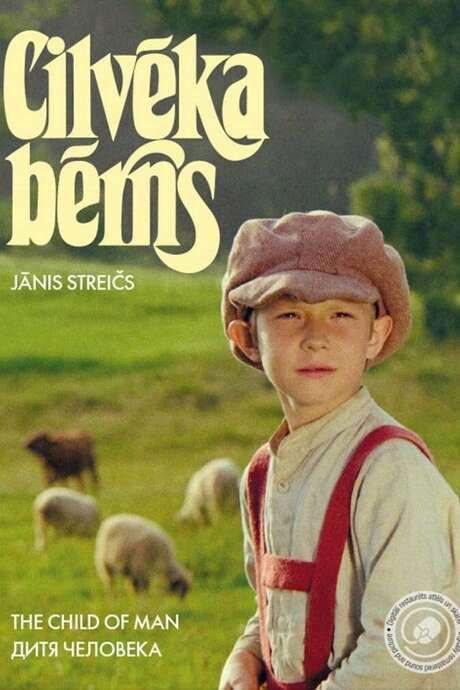
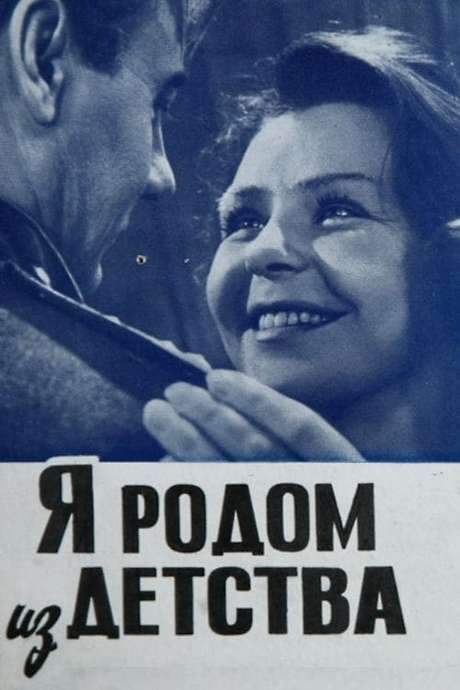
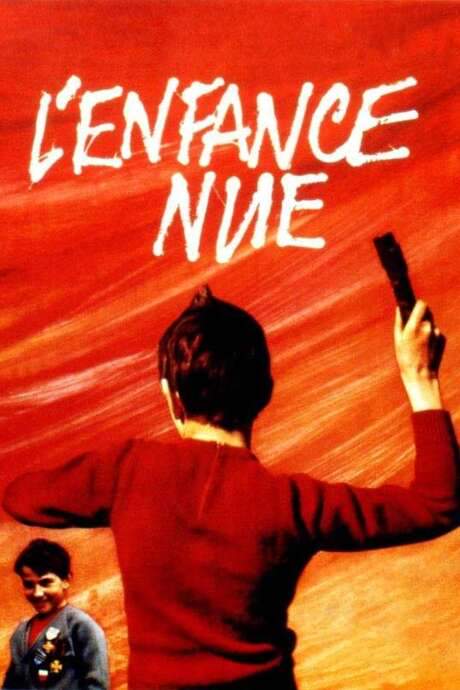
Films with a similar story, tone or audience, including The Child of Man, The Child and I Come From My Childhood.



A Child in the Crowd FAQ: Cast, Runtime & Release Date
Runtime, release date, director, cast, post-credit scenes and language of A Child in the Crowd, each answered in a sentence.
How long is A Child in the Crowd?
A Child in the Crowd runs 1 hour 25 minutes (85 minutes).
When was A Child in the Crowd released?
A Child in the Crowd was released on June 4, 1976.
Who directed A Child in the Crowd?
A Child in the Crowd was directed by Gérard Blain.
More films by Gérard Blain Who is in the cast of A Child in the Crowd?
A Child in the Crowd stars César Chauveau as Paul (Teenager), Annie Kovaks as mother of Paul and Jean François Cimino as Child, among 12 credited actors.
Does A Child in the Crowd have a post-credit scene?
No. A Child in the Crowd has no extra scene during or after the credits.
What language is A Child in the Crowd in?
The original language of A Child in the Crowd is French.
Coming soon to your phone
The Plot Explained Movie Summary App
From blockbusters to hidden gems: plot summaries, endings explained and timelines on your phone. Save your favorites and never miss a twist again.
Be the first to know when it launches. Your email stays private, always. Learn more about the app
