Logo What's After the Movie

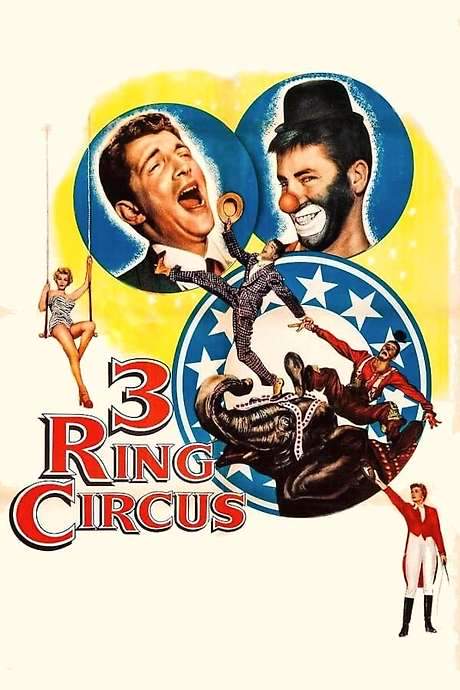
3 Ring Circus 1954

Runtime

103 mins

Language

English

English

Penniless friends Jerry and Pete finally find work at a traveling circus, hoping to earn enough to survive. Pete accepts any job, but Jerry is obsessed with becoming a clown. He willingly tames a lion, rides a cannon, even washes an elephant, doing whatever it takes to earn his spot under the big top.

Penniless friends Jerry and Pete finally find work at a traveling circus, hoping to earn enough to survive. Pete accepts any job, but Jerry is obsessed with becoming a clown. He willingly tames a lion, rides a cannon, even washes an elephant, doing whatever it takes to earn his spot under the big top.

Does 3 Ring Circus have end credit scenes?

No!

3 Ring Circus does not have end credit scenes. You can leave when the credits roll.

Take the Ultimate 3 Ring Circus Movie Quiz

Challenge your knowledge of 3 Ring Circus with this fun and interactive movie quiz. Test yourself on key plot points, iconic characters, hidden details, and memorable moments to see how well you really know the film.


3 Ring Circus Quiz: Test your knowledge of the 1954 film "3 Ring Circus".

Who is the circus owner and ringmaster?

Full Plot Summary and Ending Explained for 3 Ring Circus

See more

Read the complete plot summary of 3 Ring Circus, including all major events, twists, and the full ending explained in detail. Explore key characters, themes, hidden meanings, and everything you need to understand the story from beginning to end.


Pete Nelson teams up with his old buddy Jerome X. Hotchkiss and the two men head for the big top, hoping that the bright lights and loud crowds can wash away the debts and doubts that weigh down a struggling circus. At the center of the tent’s world stands Jill Brent, the owner and ringmaster, and nearby, the steady, anxious presence of Sam Morley, the circus manager who keeps the show running as best as he can while the financial roof seems to be collapsing. The pair’s arrival stirs things up, bringing a mix of old loyalties and new schemes as they try to patch holes in the act and in the books. The circus, which lives and dies by spectacle, suddenly feels the pressure of every skipped bill and every stalled performance, and Pete and Jerry quickly discover that their talents might be exactly what the operation needs—if they can learn to channel their mischief into real value for the troupe.

In the ring, Fritz Schlitz — known in the arena as Colonel Schlitz — takes Jerry under his wing as an apprentice lion tamer. The training is rough, the lions intimidating, and the sense of danger is as real as the applause that could follow. Jerry wobbles between fear and bravado, trying not to let his nerves show as he faces the great cats with nothing but a whip and a chair for protection. The coaching is strict, and Schlitz pushes Jerry to stay cool and religiously avoid fear, but the young performer’s instinct to reach for a friendlier, more approachable presence leads him into moments of charming improvisation. The spark of curiosity in Jerry’s eyes contrasts with the stern, almost rigid discipline of the trainer, and the audience begins to notice a lightness in him that could turn into genuine magic on stage.

Meanwhile, Pete isn’t merely a backstage wildcard; he’s drawn into a flirtatious exchange with Jill Brent. Their back-and-forth has the energy of a partnership that could go either way—romantic or professionally risky—and the result is a push-pull dynamic that fuels the show’s momentum. Jerry, meanwhile, slips away from the lion pit and slips into Puffo the Wonder Clown’s tent, trying on hats and testing out tricks in a space that feels like a private playground. Morley discovers him there and can only shake his head at the boyish chaos that follows him wherever he goes. The balance of power in the tent shifts a little as Pete and Jill watch, wondering if the circus can weather more personal drama than it ever did a few nights ago.

One night, in a chaotic gust of crowd noise and carnival lights, Pete and Jerry crouch behind a custard stand and are overwhelmed by spectators who surge forward, knocking the machine off its axis. It’s a near-disaster that underscores just how delicate the circus’s financial engine can be when a single slip cascades into weeks of bad luck. Morley, seeing the need to salvage the spectacle, sends Jerry to help Puffo dress for a performance, only to have Puffo reject the help. The missteps continue as Jerry is tasked with handing a unicycle to Nero, the tightrope walker — the grand, precarious routine that keeps the crowd gasping. Eleventh-hour luck seems to favor the show, but the real test comes as Jerry tries climbing a rope ladder while holding the unicycle; the audience roars with laughter at his bungled attempts, and a net catches him just in time, a reminder that danger and comedy are often two sides of the same coin in the circus world.

Jill’s attitude toward Saadia, the celebrated trapeze artist, adds another layer of tension. Jill dislikes Saadia’s ego and financial importance to the show, yet Morley argues that Saadia’s presence is essential to prevent bankruptcy. Pete falls under Saadia’s influence in a surprising turn, becoming her personal assistant and seeing an opportunity to keep the entire operation afloat. The dynamic between Saadia and Jill becomes a quiet tug-of-war over control, with Pete caught in the middle, trying to balance affection, loyalty, and profit.

With the circus’s survival suddenly tied to Saadia’s star power, Morley makes a bold bet: he persuades Jerry to become a human cannonball, betting that the audience’s appetite for danger will translate into bigger crowds and bigger receipts. Pete, in a moment of performance artistry, demonstrates his own dexterity on the parallel bars for Saadia, and what begins as a professional showcase quickly takes a romantic turn as the pair share a moment that hints at future possibilities. The show’s heartbeat changes as Saadia’s jealousy rises, threatening to derail the delicate equilibrium the troupe has built.

The plan begins to take shape when Jill announces a Saturday extra show to bolster dwindling receipts. Saadia resists the added performance, but Morley’s confidence remains unshaken. Pete, watching the capacity crowd, conceives a more ambitious scheme to save the circus: gambling on the midway, a potentially lucrative enterprise that could bring in the funds the show so desperately needs. Jill is skeptical, but the numbers begin to tilt in Pete’s favor as the week turns toward a turning point. In the background, Puffo’s attitude grows increasingly unstable; he begins to threaten quitting unless Pete and Jerry are fired, and an atmosphere of high drama settles over the ring.

Jerry finally gets his moment in the spotlight when Morley allows him to step in for a sick clown, an opportunity that makes Jerry ecstatic—though Puffo resents the intrusion and tries to bully him in the ring. The crowd’s reaction becomes a chorus of boos for Puffo, who misreads the room and misjudges the audience’s appetite for fresh talent. After the show, Jerry reaches out to Puffo and makes it clear he’s not angry with him, a moment that softens the tension between the two and signals that the circus might still be a place for camaraderie, even when egos clash and livelihoods hang in the balance.

As Pete and Jill navigate the financial minefield, the gambling plan moves toward reality. Pete’s feverish drive to boost profits collides with Jill’s concern for the circus’s soul, but the venture persists, and the midway becomes a stage for luck and risk alike. The tension culminates when Jill decides to pull the plug on Puffo and install Jerry as the new crowd-pleaser under the stage name Jerricho. The audience instantly connects with the fresh energy, and Saadia’s jealousy grows into a real threat as she contemplates quitting rather than seeing Jerry outshine her.

The story’s emotional hinge arrives as Pete and Jerry’s chemistry on stage helps lift the show from routine to revelation. Saadia’s danger signals grow louder, and Pete’s plan to push gambling forward intersects with a deeper question: what does the circus owe its most vulnerable spectators? Jill’s sense of responsibility to the kids and to the broader life of the show becomes clearer as a sense of purpose shapes the decisions around profit and performance.

The turning point arrives during a significant charity event for disadvantaged children. Jerry’s outspoken critique of Pete’s choices—when Pete cancels the benefit performance—lands with weight. He chides Pete for becoming self-serving and distant from the very people the circus was meant to entertain, reminding Pete of the heart of their work. The moment is searing and memorable, and it sets the stage for a dramatic pay-off: Jerry’s performance, with the clowns and the outdoor arena, proves to be a triumph that draws the community back toward the spectacle. The crowd’s warmth shines brightest as a small handicapped girl in the front row cracks a smile and laughs, a moment that melts the tension and reminds everyone what the show is really for.

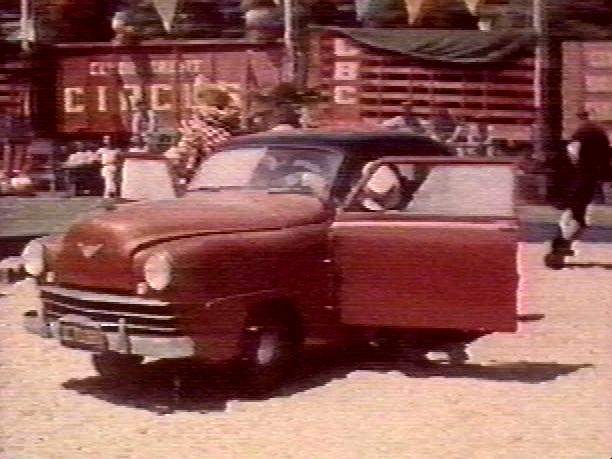
In a final, cathartic turn, a car rolls into the ring and Pete appears in a clown suit, joining Jerry and Jill as they bring the show to life under the open sky. The children cheer, the stage glows, and the circus feels newly connected to its audience—more essential, more alive, and more capable of weathering the storms of ego, money, and ambition. The film closes on a note of quiet triumph: the audience has found its smile, the clowns have reclaimed their role as ambassadors of joy, and the show—despite its debts and doubts—continues to spin, as long as people dare to dream, perform, and care for one another.

Uncover the Details: Timeline, Characters, Themes, and Beyond!

Mobile App Preview

Coming soon on iOS and Android

The Plot Explained Mobile App

From blockbusters to hidden gems — dive into movie stories anytime, anywhere. Save your favorites, discover plots faster, and never miss a twist again.

Sign up to be the first to know when we launch. Your email stays private — always.

Discover Film Music Concerts Near You – Live Orchestras Performing Iconic Movie Soundtracks

Immerse yourself in the magic of cinema with live orchestral performances of your favorite film scores. From sweeping Hollywood blockbusters and animated classics to epic fantasy soundtracks, our curated listings connect you to upcoming film music events worldwide.

Explore concert film screenings paired with full orchestra concerts, read detailed event information, and secure your tickets for unforgettable evenings celebrating legendary composers like John Williams, Hans Zimmer, and more.

Concert Film CTA - Music Note
Concert Film CTA - Green Blue Wave

3 Ring Circus Themes and Keywords

Discover the central themes, ideas, and keywords that define the movie’s story, tone, and message. Analyze the film’s deeper meanings, genre influences, and recurring concepts.


martin and lewissingersingingsongbearded ladyfriendlewis and freemancircuscharacter has same name as actorcrosley automobilecircus performerhandicapped child

3 Ring Circus Other Names and Titles

Explore the various alternative titles, translations, and other names used for 3 Ring Circus across different regions and languages. Understand how the film is marketed and recognized worldwide.


Der Zirkusclown Jerrico The Wonder Clown Im Zirkus der 3 Manegen Il circo a tre piste Im Zirkus der drei Manegen El rey del circo Le clown est roi O Rei do Circo Цирк с тремя аренами

Similar Movies To 3 Ring Circus You Should Know About

Browse a curated list of movies similar in genre, tone, characters, or story structure. Discover new titles like the one you're watching, perfect for fans of related plots, vibes, or cinematic styles.


© 2025 What's After the Movie. All rights reserved.