What's After the Movie
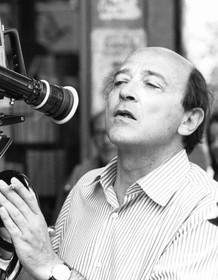
Karel Reisz
Karel Reisz (21 July 1926 – 25 November 2002) was a Czech‑born British filmmaker whose work helped define the new realist strain of British cinema in the 1950s and 1960s. Born in Ostrava to a Jewish family, he escaped Czechoslovakia in 1938 as one of Sir Nicholas Winton’s 669 rescued children, arriving in England with barely any knowledge of English and quickly shedding his foreign accent. After attending Leighton Park School he served in the Royal Air Force toward the end of World War II, only to learn after the war that both of his parents had perished in Auschwitz. He then studied Natural Sciences at Emmanuel College, Cambridge, and began writing for influential film journals such as Sight and Sound. In 1947 he co‑founded the critical magazine Sequence with Lindsay Anderson and Gavin Lambert, laying the groundwork for the Free Cinema movement that would soon champion documentary realism. His 1953 textbook The Technique of Film Editing became a standard reference for editors, and his first short documentary, Momma Don’t Allow (1955), co‑directed with Tony Richardson, debuted in the inaugural Free Cinema programme at the National Film Theatre. Subsequent documentaries like We Are the Lambeth Boys (1959) captured the everyday lives of working‑class youths with an unflinching observational style, earning international recognition at the Venice Film Festival.
Reisz’s first feature, Saturday Night and Sunday Morning (1960), adapted from Alan Sillitoe’s novel, translated his documentary sensibility to narrative cinema, delivering a stark portrait of post‑war industrial England and launching Albert Finney to stardom. Over the next two decades he alternated between British and American projects, directing the period drama Isadora (1968), the gritty crime film The Gambler (1974), and the acclaimed adaptation of John Fowles’s The French Lieutenant’s Woman (1981), starring Jeremy Irons and Meryl Streep, which remains his most commercially successful work. In addition to film, Reisz devoted the 1990s to theatre, directing works by Harold Pinter and Samuel Beckett at venues in London, Dublin, Paris and New York, and he contributed to television with productions such as Adventure Story (1961) and The Deep Blue Sea (1994). He was married first to Julia Werthimer, with whom he had three sons, and later to actress Betsy Blair, remaining together until his death in Camden, London. Reisz’s legacy endures through his influential editing manual, his pioneering role in Free Cinema, and a body of work that continually demonstrates the power of realism combined with narrative elegance.
Biography, Career & Filmography
Learn more about Karel Reisz, including a detailed biography, career timeline, personal life insights, and complete filmography. Discover how Karel Reisz rose to fame, their major roles, industry impact, and personal milestones in the world of film.
Given Name: Karel Reisz
Born: Ostrava, Czechoslovakia
Citizenship: Czech, British
Birthday: July 21, 1926
Occupations: film director, film critic, screenwriter, theatre director, author
Years Active: 1947-2001
Children: 3
Spouses: Julia Werthimer, Betsy Blair
External Links and Streaming Options
Explore more about on trusted external platforms like Metacritic, Rotten Tomatoes, TMDb or IMDb. Find additional details, reviews, and related content to deepen your understanding.





Awards and Nominations Received by Karel Reisz
Explore the awards, honors, and nominations Karel Reisz has earned across their acting career. From prestigious wins to critical acclaim, see how their talent has been recognized by the film industry and major award bodies.
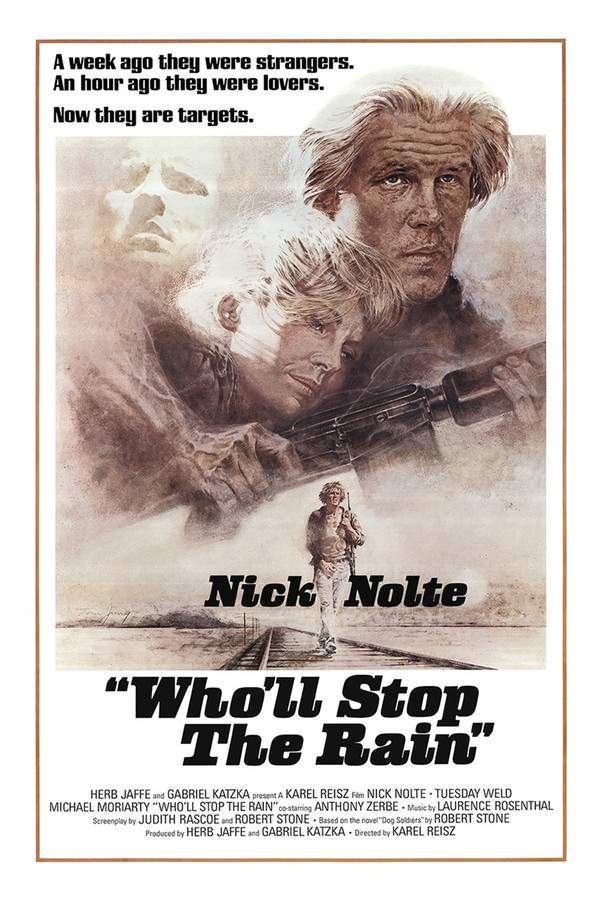
Who'll Stop the Rain
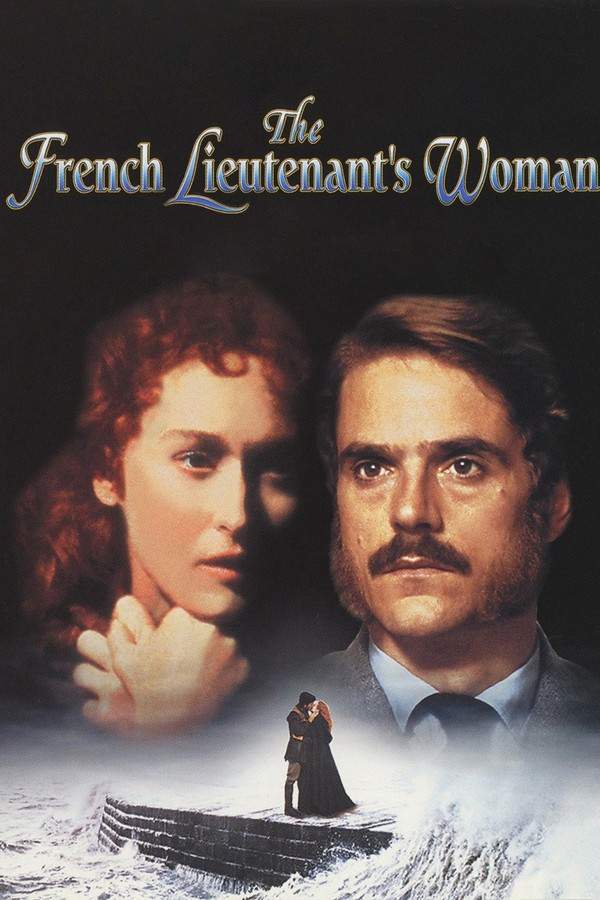
The French Lieutenant's Woman
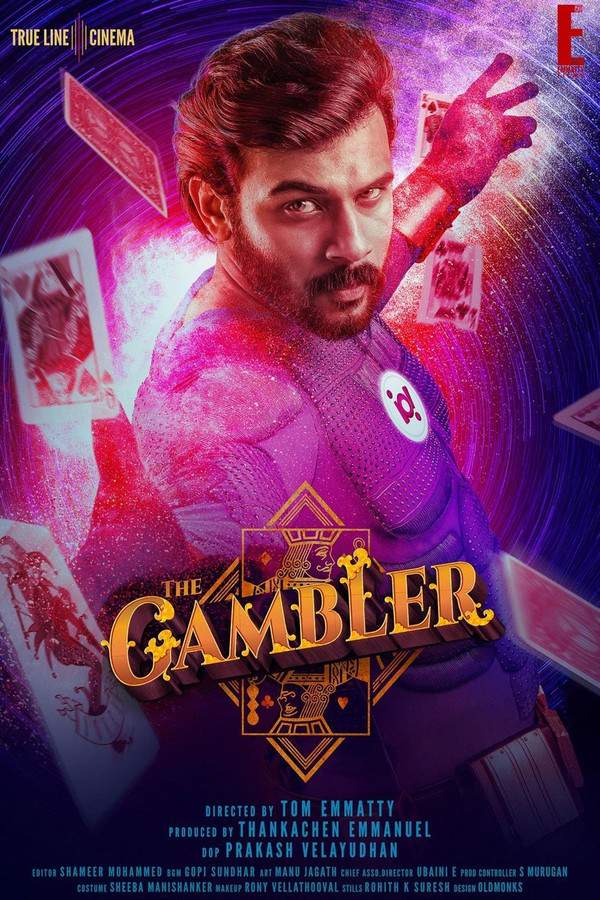
The Gambler
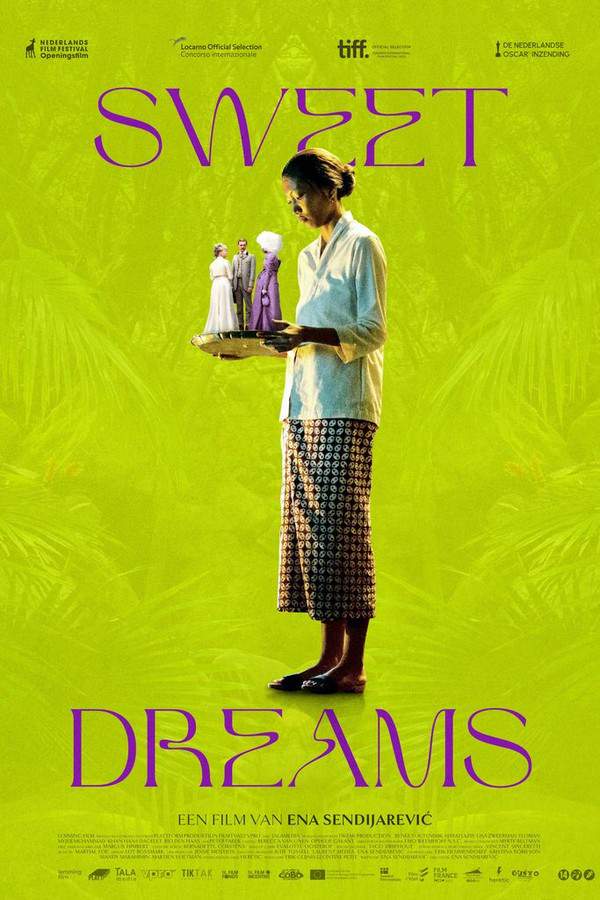
Sweet Dreams

Act Without Words I

The Power of Good: Nicholas Winton

Everybody Wins

Momma Don’t Allow

The Deep Blue Sea

Morgan: A Suitable Case for Treatment

March to Aldermaston

We Are the Lambeth Boys

Night Must Fall

Saturday Night and Sunday Morning
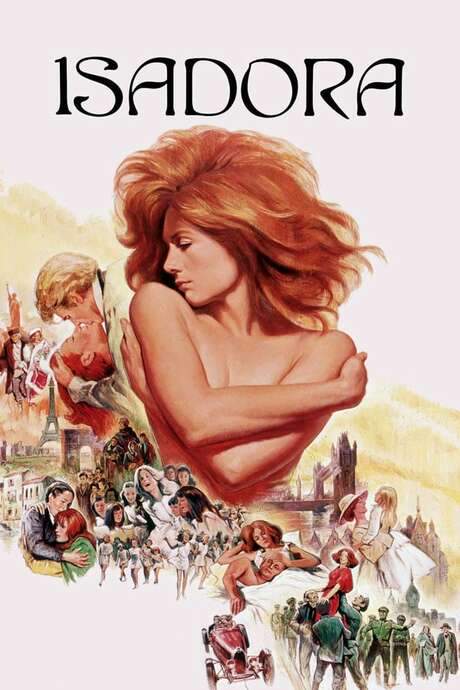
Isadora
Career Timeline
Track the complete movie timeline of Karel Reisz, including all film releases, career breakthroughs, and notable roles. Follow their journey from early performances to recent blockbusters and upcoming projects.

What's After the Movie?
Not sure whether to stay after the credits? Find out!
Check out our other apps:

SAT Sphere
Build confidence for the Digital SAT.

Mori Atlas
Discover wild places worth protecting.

Luntero
Search smarter for a home in Amsterdam.

Plot Explained
Unravel movie endings and hidden clues.

Pokechamp
Dive into Pokémon data and battle logic.

Driving Theory
Get ready for your European theory test.

Movie Dust
Plan your next cinema trip with ease.

Musemap
Find art and culture as you travel.

Selkobase
Compare credentials before committing.

Local Manual
Turn an unfamiliar country into practical next steps.

Lernavi
Compare school systems before your next move.

GymRoam
Find a workout stop wherever your plans take you.
Explore Our Movie Platform
New Movie Releases (2026)
Famous Movie Actors
Top Film Production Studios
Movie Plot Summaries & Endings
Major Movie Awards & Winners
Best Concert Films & Music Documentaries
Movie Collections and Curated Lists
© 2026 What's After the Movie. All rights reserved.
Privacy Policy