Isadora 1968


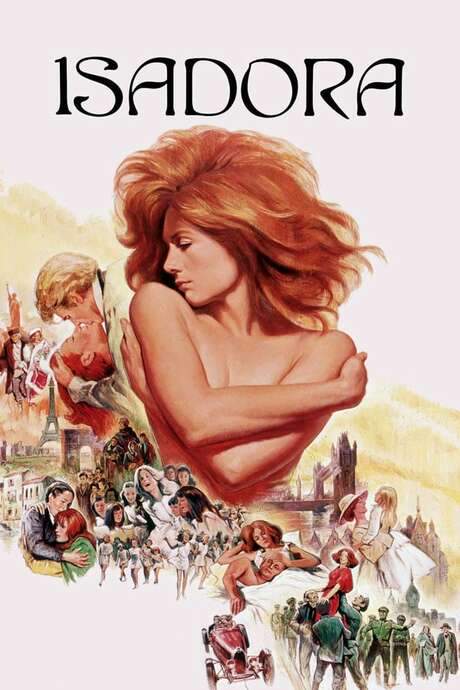
An expansive biography of pioneering dancer Isadora Duncan, the 1920s icon who reshaped ballet with her free‑flowing style. It examines her bold, often nude or semi‑nude performances, her pro‑Soviet projects and her outspoken views on free love, debt, dress and lifestyle, all of which scandalized the public of her era.

Does Isadora have end credit scenes?
No!
Isadora does not have end credit scenes. You can leave when the credits roll.
Where to Watch Isadora
See current US streaming, rental, and purchase options for Isadora (1968) via JustWatch.







Meet the Full Cast and Actors of Isadora
Explore the complete cast of Isadora, including both lead and supporting actors. Learn who plays each character, discover their past roles and achievements, and find out what makes this ensemble cast stand out in the world of film and television.

Vanessa Redgrave
Isadora Duncan
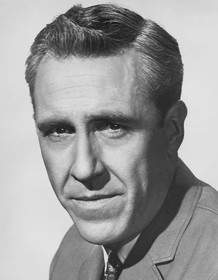
Jason Robards
Paris Singer

John Fraser
Roger

James Fox
Gordon Craig
Tony Vogel
Raymond Duncan
David Healy
Chicago Theatre Manager
Bessie Love
Mrs. Duncan
Cynthia Harris
Mary Desti
John Brandon
Gospel Billy
Noel Davis
Doctor
Lucinda Chambers
Deirdre
Leon Lissek
Bohemian (uncredited)
Jeremy Child
Party Guest (uncredited)
John Quentin
Pim
Ronnie Gilbert
Miss Chase
Stefan Gryff
Russian Party Interpreter
Wallas Eaton
Archer
Terence Mountain
American Cop (uncredited)
Hal Galili
(uncredited)
Zvonimir Črnko
Sergei Essenin (as Ivan Tchenko)
Robert Ayres
(uncredited)
Ina De La Haye
Russian Teacher
Christian Duvaleix
Armand
Nicholas Pennell
Bedford
Vladimir Leskovar
Bugatti (as Vladimir Leskovar)
Libby Glenn
Elizabeth Duncan
Simon Lutton Davies
Patrick
Constantine Yranski
Russian Companion
External Links and Streaming Options
Discover where to watch Isadora online, including streaming platforms, rental options, and official sources. Compare reviews, ratings, and in-depth movie information across sites like IMDb, TMDb, Wikipedia or Letterboxd.





Take the Ultimate Isadora Movie Quiz
Challenge your knowledge of Isadora with this fun and interactive movie quiz. Test yourself on key plot points, iconic characters, hidden details, and memorable moments to see how well you really know the film.
Isadora (1968) Quiz: Test your knowledge of the 1968 biographical film about dancer Isadora Duncan, covering her life, relationships, and key events depicted in the movie.
Which actress portrays Isadora Duncan in the 1968 film?
Full Plot Summary and Ending Explained for Isadora
Read the complete plot summary of Isadora, including all major events, twists, and the full ending explained in detail. Explore key characters, themes, hidden meanings, and everything you need to understand the story from beginning to end.
Isadora Duncan, Vanessa Redgrave, stands in 1927 as a legend of modern dance—volatile, iconoclastic, and a tireless advocate of free love—even as poverty gnaws at her. Now past forty, she huddles in a small hotel on the French Riviera with her companion Mary and her secretary Roger, dictating the memoir that will frame a life lived in defiance of convention. The film traces a journey from a California childhood to a globe-trotting artist whose every choice challenges society’s expectations, self-made and unafraid to burn bridges in pursuit of art.
As a girl, she challenges domestic norms, burning her parents’ marriage certificate and pledging herself to art and beauty. In Chicago, 1896, she performs under the banner Peppy Dora in a rambunctious music hall, so fearless that she persuades the theater manager to pay her $300 so she can take her family to England. Her early resolve—dance as a form of truth—takes shape against the backdrop of a crowded stage and enraptured audiences, foreshadowing a career that will redefine movement itself.
Her rising fame travels with her into Berlin, where she meets her first great muse, Gordon Craig, James Fox, a gifted stage designer who promises to help birth a new theatre. After bearing a daughter to the already-married Craig, she moves on to Paris and is welcomed by Paris Singer, a wealthy patron who lavishes gifts and eventually buys her a vast estate to open a School for Life, where beauty and simplicity become guiding tenets of her craft.
The arc intensifies with the birth of a son, and Isadora returns to England with Singer. Yet the quiet domestic life soon feels constraining, and she rekindles an affair with her pianist Armand, Christian Duvaleix. The film darkens as tragedy strikes: both of her children die in a chauffeur-driven car accident that plunges into the Seine. Crushed by grief, she abandons Singer and wanders across Europe, a path that leads toward new opportunities and renewed purpose, including a chance to open a dancing school in the Soviet Union.
In the Soviet Union, she discovers a different rhythm of life, gaining a strong rapport with the peasantry and beginning a passionate affair with Sergei Essenin, a volatile poet whom she eventually marries so he can secure a visa to accompany her to the United States. Essenin’s uncontainable behavior destabilizes public appearances, and U.S. sentiment toward the dancer shifts dramatically after she bares her torso during a Boston performance, a moment that becomes a flashpoint in her controversial career. After the marriage dissolves, she returns to the Riviera to gather her thoughts and write, but she remains restless, selling off possessions to fund a new school in Paris.
Back on the move, she slips into a moment of celebration at a coastal cafe and notices Bugatti, a dashing Italian admirer she has pursued for days. They set off on a sea-kissed drive along a winding road, where a long scarf becomes tangled in the car’s spokes, and Isadora’s life ends in a dramatic, emblematic finale.
Throughout, the film frames not just a sensational performer, but a woman who repeatedly rewrites the rules of art and love, forging a path that is as controversial as it is illuminated. The story blends intimate scenes with public spectacles, capturing the intoxicating pull of a legend who believed that movement could alter perception and that beauty should be accessible to all, even as it cost her dearly.

Coming soon on iOS and Android
The Plot Explained Mobile App
From blockbusters to hidden gems — dive into movie stories anytime, anywhere. Save your favorites, discover plots faster, and never miss a twist again.
Sign up to be the first to know when we launch. Your email stays private — always.
Explore the mobile appWatch Trailers, Clips & Behind-the-Scenes for Isadora
Watch official trailers, exclusive clips, cast interviews, and behind-the-scenes footage from Isadora. Dive deeper into the making of the film, its standout moments, and key production insights.
Cars Featured in Isadora
Explore all cars featured in Isadora, including their makes, models, scenes they appear in, and their significance to the plot. A must-read for car enthusiasts and movie buffs alike.
Isadora Themes and Keywords
Discover the central themes, ideas, and keywords that define the movie’s story, tone, and message. Analyze the film’s deeper meanings, genre influences, and recurring concepts.

Unlock the World of Movies with Our Comprehensive Wiki
Dive into our Movie Wiki for in-depth film encyclopedia entries, including cast biographies, production trivia, plot synopses, behind-the-scenes facts, and thematic analyses. Whether you’re researching iconic directors, exploring genre histories, or discovering hidden easter eggs, our expertly curated movie database has everything you need to fuel your cinematic passion.

Similar Movies To Isadora You Should Know About
Browse a curated list of movies similar in genre, tone, characters, or story structure. Discover new titles like the one you're watching, perfect for fans of related plots, vibes, or cinematic styles.




Quick Links: Summary, Cast, Ratings, More

What's After the Movie?
Not sure whether to stay after the credits? Find out!
Check out our other apps:

SAT Sphere
Build confidence for the Digital SAT.

Mori Atlas
Discover wild places worth protecting.

Luntero
Search smarter for a home in Amsterdam.

Plot Explained
Unravel movie endings and hidden clues.

Pokechamp
Dive into Pokémon data and battle logic.

Driving Theory
Get ready for your European theory test.

Movie Dust
Plan your next cinema trip with ease.

Musemap
Find art and culture as you travel.

Selkobase
Compare credentials before committing.

Local Manual
Turn an unfamiliar country into practical next steps.

Lernavi
Compare school systems before your next move.

GymRoam
Find a workout stop wherever your plans take you.
Explore Our Movie Platform
New Movie Releases (2026)
Famous Movie Actors
Top Film Production Studios
Movie Plot Summaries & Endings
Major Movie Awards & Winners
Best Concert Films & Music Documentaries
Movie Collections and Curated Lists
© 2026 What's After the Movie. All rights reserved.
Privacy Policy