What's After the Blog?
news • interview
Renée Zellweger Says Texas Chainsaw Massacre Sequel Was Shot Illegally
Renée Zellweger reflected on the chaotic production of "Texas Chainsaw Massacre: The Next Generation," suggesting the shoot operated outside legal boundaries. The actress recalled sharing a cramped Winnebago for hair and makeup while filming the 1990s horror sequel alongside Matthew McConaughey.
March 30, 2026
Renée Zellweger Says Texas Chainsaw Massacre Sequel Was Shot Illegally
Long before securing Academy Awards and headlining major studio franchises, Renée Zellweger endured the chaotic realities of low-budget horror production. In a recent interview with Yahoo Movies, the actress offered startling revelations about the making of Texas Chainsaw Massacre: The Next Generation, suggesting that the 1990s slasher sequel operated far outside standard industry regulations. Her comments illuminate the precarious circumstances surrounding early career roles and the extreme measures sometimes required to complete independent cinema.
The film represents the fourth installment in Tobe Hooper’s groundbreaking horror series, a franchise that began with the 1974 masterpiece of relentless terror before spawning increasingly eccentric sequels. Directed by Kim Henkel, who co-wrote the original film, this particular chapter paired Zellweger with fellow rising talent Matthew McConaughey in what would become one of the most unusual entries in the Leatherface legacy. While neither performer had yet cracked the A-list when production commenced, they would soon dominate Hollywood—making Zellweger’s retrospective insights particularly fascinating for fans tracking their meteoric trajectories.
Unlike the controlled studio environments that would eventually define her career, this production demanded adaptability and questionable legal judgment. Zellweger’s frank assessment of the shoot provides a rare window into the “kamikaze filmmaking” tactics that occasionally produce cult classics despite—or perhaps because of—their unorthodox methods.
Allegations of Illegal Production Practices
Zellweger didn’t mince words when describing the regulatory environment surrounding the shoot. “It was ridiculous. How we pulled that off, I have no idea. I’m sure none of it was legal,” she stated, employing the term “kamikaze filmmaking” to capture the high-risk nature of their work. While she declined to specify particular violations, her comments strongly imply the production bypassed standard shooting permits, location agreements, or insurance protocols commonly required for commercial filmmaking.
Such legal shortcuts, while potentially disastrous, have historically enabled independent horror directors to maximize limited resources. The costs associated with location fees, union regulations, and bureaucratic compliance can consume significant portions of micro-budgets, leading desperate creators to shoot first and seek forgiveness later. For Zellweger and McConaughey, participating in this legally ambiguous venture represented a calculated risk during a period when both performers lacked the leverage to demand star treatment or legal protection.
The actress’s tone suggests a mixture of astonishment and nostalgic pride when reflecting on these transgressions. Breaking the law, she implies, wasn’t merely convenient but necessary to realize the project at all—a reality that separates major studio productions from the scrappy independent films where many future stars cut their teeth. This approach, while potentially exposing cast and crew to liability, reflects the desperate urgency that drives micro-budget horror.
Mobile Production Limitations and Spartan Conditions
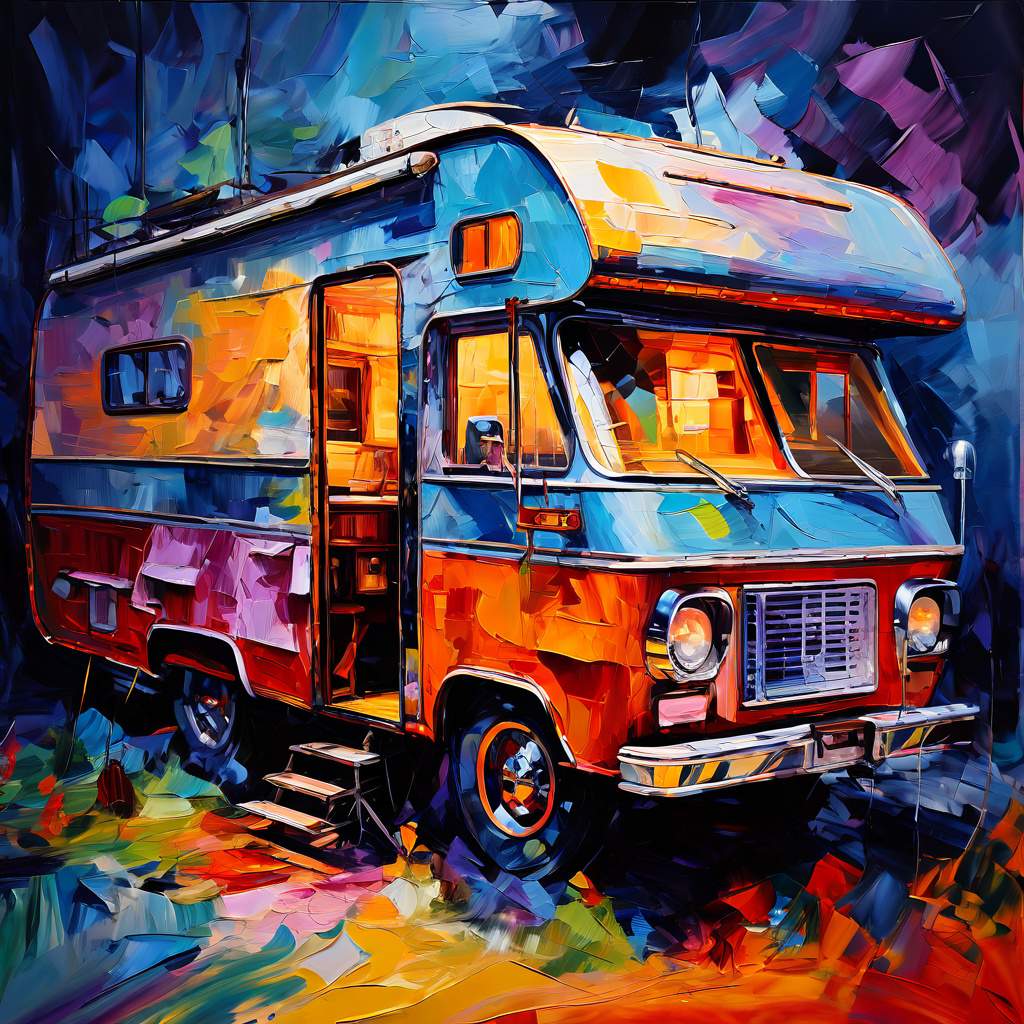
If legal concerns weren’t challenging enough, the physical infrastructure of the shoot reflected severe financial constraints that would shock modern productions. The entire cast and crew shared a single Winnebago throughout filming—a cramped recreational vehicle that served as the sole base of operations for hair, makeup, and wardrobe needs.
The makeshift facility demanded extraordinary spatial management and patience:
- Driver’s cabin area: Converted into a makeup station where artists applied prosthetics and cosmetics in tight quarters with limited ventilation
- Central dinette table: Doubled as the hair styling station, forcing performers to lean awkwardly while stylists worked around fixed furniture
- Rear bathroom partition: A tiny curtained corner near the toilet provided the only private space for costume changes, specifically where Zellweger prepared her character Jenny’s prom dress and floral accessories
- Ownership: The vehicle belonged to the film’s producer, emphasizing how personally invested the financing team remained in minimizing overhead
This arrangement required performers to maintain close proximity throughout the day, eliminating the privacy and comfort typically afforded to talent. Zellweger noted that she “had to live modestly along with the rest of the cast and crew,” a humbling experience that stripped away the protective layers insulating stars from production realities. The conditions stand in stark contrast to the luxury trailer compounds, dedicated glam squads, and private transportation that would eventually become standard for the actress once she ascended to leading lady status.
Physical Demands and Pre-Fame Reality
When Zellweger signed on to play Jenny—a teenager primarily concerned with prom night rather than the chainsaw-wielding maniac pursuing her—she had yet to achieve the international recognition that Jerry Maguire and Bridget Jones’s Diary would later provide. The role demanded significant physical stamina rather than pampered preparation. She spent substantial portions of the shoot sprinting through wooded terrain, fleeing Leatherface in sequences that provided unexpected cardiovascular conditioning.
Unlike the controlled environments of soundstages, location shooting in natural settings required authentic exertion that no gym membership could replicate, building the endurance necessary to survive both the fictional killer and the actual production hardships. Zellweger credited the project for providing “great workouts,” noting that fitness sometimes justifies extreme production conditions. This physicality represented a dramatic departure from the dialogue-driven romantic comedies that would eventually define her commercial peak.
Beyond the physical demands, the experience provided an education in industry hierarchy. As a pre-fame performer sharing a producer’s recreational vehicle with the grip department and production assistants, Zellweger absorbed lessons about resourcefulness and resilience that studio backlots rarely teach. These formative struggles arguably contributed to the work ethic that would sustain her through decades of demanding roles.
Cult Legacy and DIY Aesthetics
Despite its troubled production history and severely limited resources, Texas Chainsaw Massacre: The Next Generation occupies a curious position within horror fandom. Critics largely dismissed the film upon release, and it certainly doesn’t rank among the 1990s definitive scare films. However, defenders appreciate its punk-rock aesthetic and willingness to deviate from franchise expectations into territory that is deliberately disreputable yet undeniably entertaining.
The movie exemplifies the do-it-yourself ethos that generated numerous horror classics throughout cinema history. When filmmakers sacrifice comfort and conventional wisdom to realize their visions, the resulting tension often translates to anarchic energy on screen. Zellweger’s retrospective fondness suggests that the shared adversity created lasting bonds among the crew, transforming potential misery into nostalgic war stories worth recounting decades later.
While major studios now dominate the horror landscape with carefully calibrated franchise entries, Henkel’s chaotic production reminds audiences that the genre originally flourished through reckless innovation and legal ambiguity. Zellweger’s willingness to discuss these origins offers valuable context for understanding how superstars emerge from humble, sometimes legally dubious beginnings.
Discover More Movie History with What’s After the Movie
Curious about the hidden stories behind your favorite films? What’s After the Movie offers comprehensive coverage of industry insider tales, box office deep-dives, and production histories that shaped cinema. Visit https://www.whatsafterthemovie.com to discover movie summaries, ending explanations, and exclusive entertainment news, or browse our complete film database at https://www.whatsafterthemovie.com/movies to explore collections including cult horror classics and blockbuster franchises.
Continue reading



What's After the Movie?
Not sure whether to stay after the credits? Find out!
Check out our other apps:

SAT Sphere
Build confidence for the Digital SAT.

Mori Atlas
Discover wild places worth protecting.

Luntero
Search smarter for a home in Amsterdam.

Plot Explained
Unravel movie endings and hidden clues.

Pokechamp
Dive into Pokémon data and battle logic.

Driving Theory
Get ready for your European theory test.

Movie Dust
Plan your next cinema trip with ease.

Musemap
Find art and culture as you travel.

Selkobase
Compare credentials before committing.

Local Manual
Turn an unfamiliar country into practical next steps.

Lernavi
Compare school systems before your next move.

GymRoam
Find a workout stop wherever your plans take you.
Explore Our Movie Platform
New Movie Releases (2026)
Famous Movie Actors
Top Film Production Studios
Movie Plot Summaries & Endings
Major Movie Awards & Winners
Best Concert Films & Music Documentaries
Movie Collections and Curated Lists
© 2026 What's After the Movie. All rights reserved.
Privacy Policy