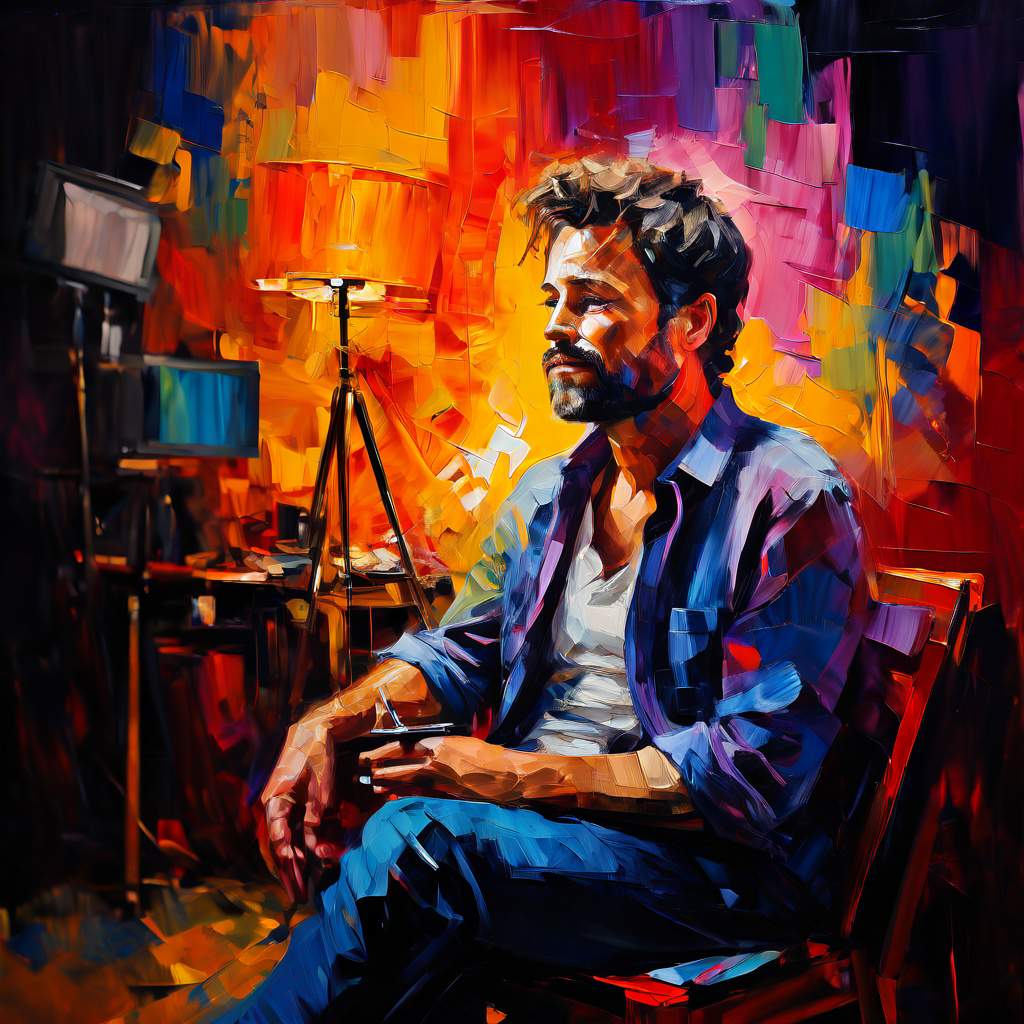
Patrick Wilson Reveals His Horror Acting Method for Cape Fear
Sustaining psychological intensity over a long production schedule requires more than just emotional commitment—it demands strategic emotional release. In an exclusive discussion about his approach to Apple TV’s dark thriller Cape Fear, veteran horror actor Patrick Wilson detailed the counterintuitive technique that has carried him through some of the genre’s most demanding franchises. Rather than maintaining a perpetually grim on-set atmosphere to match the harrowing material, Wilson emphasizes the necessity of levity between takes, a lesson honed over years of inhabiting haunted houses and fighting supernatural entities.
The actor, who portrays attorney Tom Bowden in the streaming series, explained that attempting to operate at peak tension throughout an entire workday would prove not only exhausting but counterproductive to the final performance. This philosophy of compartmentalization—going deep into darkness when the camera rolls, then actively shedding that weight immediately after—has become his essential survival tool for psychological thrillers. By fostering an environment where the cast can joke, sing, and decompress, Wilson argues that performers actually preserve the sharpness and authenticity required for truly terrifying scenes.
The Psychology Behind Sustainable Intensity
Creating art that disturbs and unsettles audiences requires a delicate balance of professional discipline and personal protection. Wilson revealed that the cast of Cape Fear actively works against the assumption that dark content necessitates a somber set, instead embracing what he calls a necessary “release valve” when cameras stop rolling. The actor noted that without these breaks in tension, maintaining the high stakes and emotional weight demanded by the genre would become impossible across a full shooting schedule.
This approach manifests in deliberate behavioral contrasts. Between scenes depicting stalking, manipulation, and psychological warfare, the actors engage in musical theater singalongs, physical comedy, and general silliness. Wilson specifically mentioned that the cast would “screw around a lot,” running around set and joking about unrelated topics to shake off the residual dread of intense sequences. Far from being unprofessional, Wilson frames this as crucial maintenance work that prevents emotional burnout and preserves the integrity of the performance.
The technique addresses a fundamental challenge in horror production: the temporal disconnect between brief, intense filming moments and the long hours of preparation and waiting. An actor cannot sustain genuine fight-or-flight responses for ten to twelve hours daily without diminishing returns. By consciously “turning it off” and seeking levity, performers return to their marks with renewed capacity for the specific emotional demands of each scene, rather than carrying cumulative fatigue that would flatten their work.
Applying Franchise Wisdom to Cape Fear
Wilson developed this compartmentalization strategy through extensive experience in high-profile horror franchises, specifically citing his work in the Insidious and The Conjuring universes. These long-running series required him to portray sustained terror and supernatural confrontation across multiple films, teaching him that endurance matters as much as intensity. The physical and emotional demands of portraying paranormal investigators and haunted fathers provided a training ground for managing the psychological toll of genre work.
Transferring these lessons to Cape Fear, Wilson found himself opposite Javier Bardem’s Max Cady, an exonerated convict engaging in calculated psychological manipulation of the attorneys who helped imprison him. The cat-and-mouse dynamic between Bowden and Cady requires precise calibration of fear, paranoia, and slowly unraveling sanity—emotions that would erode an actor’s reserves if maintained constantly. Wilson’s established practice of between-take decompression allowed him to meet Bardem’s famously intense on-screen presence with matching energy without sacrificing his well-being during the production schedule.
The actor credits this methodology with creating not just sustainable working conditions, but better final results. When performers feel safe to fully commit to heavy material knowing they can shed it immediately after, the work gains sharpness and authenticity. Wilson’s filmography, spanning from Insidious to The Conjuring: Last Rites and now this prestige television thriller, serves as evidence that sustainable practices produce consistently compelling horror performances.
Inside the Cape Fear Production
The Apple TV+ series represents a significant entry in the current wave of elevated horror television, adapting the familiar stalker-thriller premise with contemporary psychological depth. Showrunner Nick Antosca oversees a narrative where the exonerated convict systematically infiltrates and destroys the lives of attorney couple Anna and Tom Bowden, played by Amy Adams and Patrick Wilson respectively. While the show delivers the expected tension of the genre, Wilson notes that the tone intentionally varies, incorporating moments of dark humor that reflect the absurdity of the Bowdens’ escalating nightmare.
The production benefits from a cast adept at navigating these tonal shifts:
- Javier Bardem as Max Cady, the relentless ex-convict seeking revenge against the legal system
- Amy Adams as Anna Bowden, the attorney targeted by Cady’s psychological warfare
- Patrick Wilson as Tom Bowden, Anna’s husband and fellow attorney caught in the manipulation scheme
- Nick Antosca serving as showrunner, crafting the series’ specific brand of sustained dread
This ensemble navigates material that Wilson describes as genuinely “harrowing,” requiring the full commitment of the performers to sell the encroaching terror. The show distinguishes itself in a crowded horror landscape through this sheer intensity, pushing boundaries of psychological discomfort rather than relying solely on supernatural elements or graphic violence. The contrast between the on-screen horror and the off-camera camaraderie becomes a necessary survival mechanism for performers tasked with depicting the unraveling of professional and personal safety.
Horror’s Current Expansion and Cape Fear’s Place
The entertainment industry continues to experience a significant boom in horror content across both theatrical and streaming platforms, with productions increasingly engaging in boundary-pushing experimentation. Recent releases mentioned within industry coverage—including titles like Obsession, Backrooms, and Guillermo del Toro-approved Widows Bay—demonstrate the genre’s expansion into novel conceptual territory and psychological complexity. Against this backdrop of innovation, Cape Fear establishes its identity through relentless interpersonal tension rather than supernatural spectacle.
Wilson’s insights arrive at a moment when audiences and critics scrutinize the working conditions behind intense performances, making his transparency about emotional management particularly relevant. As horror continues its commercial and critical ascent, demanding more from performers in terms of psychological exposure, sustainable on-set practices become not just quality-of-life concerns but artistic necessities. The actor’s willingness to discuss the unglamorous reality of maintaining mental health while portraying trauma offers a valuable glimpse into the craftsmanship required for the genre’s most affecting work.
The series is currently available for streaming exclusively on Apple TV+, representing the platform’s continued investment in prestige genre content that attracts high-caliber talent willing to explore dark material. For viewers interested in the intersection of psychological thriller traditions and modern television production, Wilson’s performance offers a masterclass in controlled intensity achieved through surprisingly humane working methods.
What’s After the Movie
If you’re fascinated by the craft behind intense performances and want to track the latest developments in horror television and film production, What’s After the Movie offers comprehensive coverage of the industry. From exclusive interviews and production insights to box office analysis and spoiler-free summaries, the platform serves as your central resource for understanding what happens both in front of and behind the camera.
Explore our detailed movie summaries to catch up on complex narratives, browse our industry news section for the latest casting and production updates, or dive into our extensive film database to discover your next psychological thriller. Whether you’re researching acting methodologies or simply looking for streaming recommendations, What’s After the Movie provides the context and coverage that film enthusiasts need.