What's After the Blog?
news • Streaming • interview
Star Wars: Maul – Shadow Lord Inspired by Michael Mann's Heat
The new Disney+ animated series Star Wars: Maul – Shadow Lord takes narrative cues from Michael Mann's 1995 crime epic Heat. Series co-creator Matt Michnovetz reveals the show explores the galaxy's criminal underbelly with a pulpy noir aesthetic influenced by the classic De Niro-Pacino thriller.
April 7, 2026
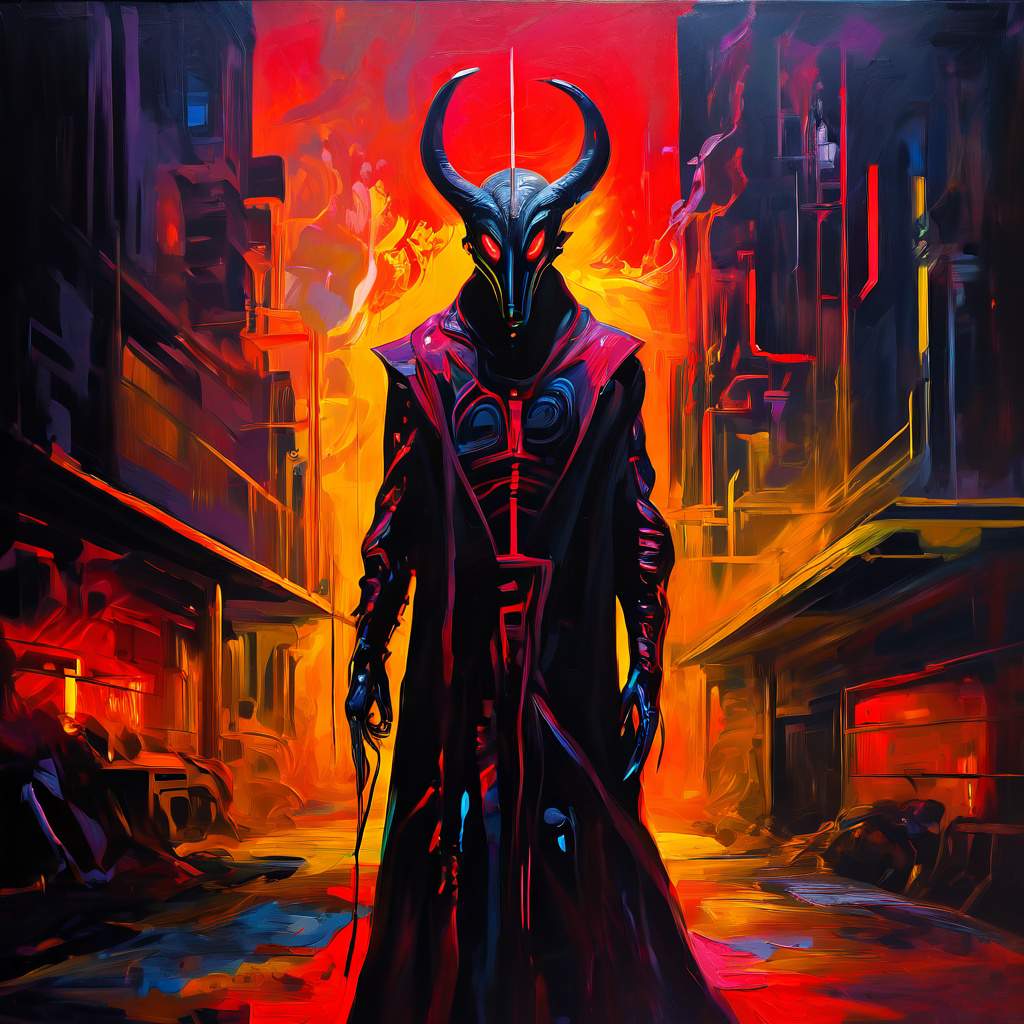
Star Wars: Maul – Shadow Lord Inspired by Michael Mann’s Heat
The animated landscape of the Star Wars universe has shifted toward crime drama with the debut of Star Wars: Maul – Shadow Lord on Disney+. This latest series elevates the tattooed Zabrak villain from supporting antagonist to central protagonist, exploring his transformation into a feared crime syndicate leader. Series co-creator Matt Michnovetz recently revealed in an interview that the creative team drew significant inspiration from Michael Mann’s 1995 epic Heat, aiming to capture the same gritty, methodical intensity that defined the classic Los Angeles crime saga.
The revelation signals a tonal departure from traditional Jedi-centric narratives. Rather than focusing on the Force as a mystical path to heroism or villainy, Shadow Lord examines the bureaucratic and violent machinery of organized crime in a galaxy under Imperial tightening. Michnovetz’s comments suggest the showrunners sought to ground the fantastical elements of Star Wars in the procedural realism that made Heat a touchstone of the crime genre, potentially offering the most mature thematic content yet seen in the animated canon.
Rebuilding an Empire: The Narrative Setup and Timeline Placement
Set in the aftermath of Star Wars: The Clone Wars, the series occupies a crucial but underexplored period in the franchise chronology. This era finds the former Darth Maul—once apprentice to Darth Sidious—operating in the shadows as the Empire consolidates its control over the galaxy. Rather than retreating into obscurity, the character is depicted rebuilding his criminal infrastructure from the ground up, establishing the foundations that would eventually lead to his leadership of Crimson Dawn, the syndicate later featured in Solo: A Star Wars Story.
The narrative places Maul on a planet strategically untouched by Imperial oversight, providing a lawless frontier where syndicates can flourish. This setting allows the series to explore how criminal networks function when governmental oversight is either collapsing or not yet fully established—a theme that resonates with post-war noir cinema where institutional authority proves unreliable. The location choice reflects the pragmatic territorial logic seen in organized crime migrations, offering Maul the space to build power without immediate Imperial interference.
Central to the season’s arc is Maul’s encounter with a disillusioned former Jedi Padawan. This relationship suggests a more transactional, professional dynamic rather than the familial loyalty or dark side corruption that defined Maul’s previous alliances. The Padawan represents not just raw power but specialized skills that could benefit a rising crime lord, creating tension between Maul’s Sith heritage and his practical criminal ambitions. For viewers tracking the character’s complex timeline, Shadow Lord serves as essential connective tissue, illuminating the circumstances that shaped Maul’s evolution from vengeful exile into the calculating crime lord glimpsed in later films.
Heat as a Creative Touchstone: Noir Aesthetics in Space
The comparison to Michael Mann’s Heat carries significant weight for genre enthusiasts. In discussing the project’s influences, Michnovetz explicitly cited the 1995 film as a reference point for the series’ aesthetic and narrative structure. “Heat is a good touchstone for Maul,” the co-creator explained, highlighting the show’s “pulpy noir feel” and its focus on “the underbelly of the galaxy and the crime syndicates.” The creator emphasized Maul’s role as a “catalyst for all these characters coming together,” mirroring how Mann used Neil McCauley’s crew to explore professional criminal ecosystems.
Heat—starring Robert De Niro as master thief Neil McCauley and Al Pacino as obsessed detective Vincent Hanna—represents perhaps the definitive cinematic treatment of professional criminality. The film’s meticulous attention to operational detail, its examination of loyalty among thieves, and its staged, tactical violence provide a template that translates surprisingly well to the Star Wars underworld. Mann’s influence extends beyond narrative structure into the visual language of professional criminality, with the famous armored car heist sequence suggesting how Shadow Lord might approach its action set pieces.
For the animated series, adopting this framework means emphasizing specific elements drawn from Mann’s methodology:
- Methodical Criminal Operations: Heists and syndicate management treated with professional detail rather than swashbuckling improvisation
- Moral Ambiguity: Characters operating in gray zones where survival and ambition outweigh ideological alignment
- Tactical Violence: Grounded action sequences emphasizing cover, positioning, and devastating consequence rather than acrobatic lightsaber duels
- Obsessive Pursuit: The cat-and-mouse dynamic between lawbreakers and those hunting them
- Atmospheric Isolation: The psychological weight of leadership and the cost of loyalty in dangerous enterprises
The “pulpy noir” descriptor implies specific aesthetic choices: high-contrast lighting, urban decay, moral ambiguity, and dialogue heavy with subtext. These elements would distinguish Shadow Lord from the cleaner, more idealized animation of previous series. By embracing the visual vocabulary of crime cinema—rain-slicked streets replaced by industrial space station corridors, trench coats swapped for syndicate robes—the series potentially offers the most stylistically distinct entry in the animated canon.
Voice Cast and Production Continuity
Sam Witwer returns to provide the voice for Maul, maintaining continuity with his performances in The Clone Wars, Rebels, and various video game appearances. Witwer’s portrayal has become synonymous with the character’s modern interpretation, balancing theatrical Sith menace with nuanced vulnerability. This evolution has gradually shifted from the feral intensity of a resurrected warrior to the cold calculation of a syndicate leader, creating a rare instance of continuous vocal performance spanning film and television animation over nearly two decades.
The consistency proves crucial for Shadow Lord, as viewers must believe in Maul’s transformation from failed Sith apprentice to criminal CEO without the cognitive dissonance of vocal recasting. Witwer’s involvement ensures that the series maintains sonic continuity with Maul’s established animated presence, even as the narrative context shifts toward criminal enterprise rather than dark side politics.
The series arrives as part of Disney+‘s aggressive expansion of animated Star Wars content, filling streaming slots between major live-action releases. All episodes are currently available for immediate binge-watching, having dropped simultaneously rather than following a weekly release pattern. This distribution choice suits the crime drama format, allowing viewers to experience the narrative momentum as intended—much like consuming a tightly plotted noir film in serialized chapters.
The Intersecting Futures: Heat 2 and Star Wars Connections
The Heat inspiration carries an additional layer of irony given concurrent industry developments. Michael Mann is currently developing Heat 2, a sequel to the 1995 original, with Adam Driver attached to star. Driver, of course, portrayed Kylo Ren in the Star Wars sequel trilogy, creating an unexpected Venn diagram of talent connecting the two franchises. While Heat 2 exists in a separate production pipeline from Shadow Lord, the coincidence highlights the permeable boundaries between Star Wars creative talent and prestige crime drama.
This intersection suggests a broader trend in how Star Wars storytellers are approaching the franchise’s mature content. By looking toward acclaimed crime cinema for inspiration, the series moves beyond the traditional monomyth structure that defined the original trilogy. Instead, Shadow Lord embraces the complex organizational hierarchies and moral relativism of films like Heat and Thief—Mann’s earlier work that similarly influenced the 1995 classic. The Adam Driver connection bridges two distinct eras of Star Wars talent engaging with Mann’s universe, suggesting that performers and creators increasingly gravitate toward the psychological complexity that defined 1990s American crime cinema.
Whether Shadow Lord can successfully translate the gritty realism of Los Angeles armored car heists to the neon-drenched cantinas of the Outer Rim remains the critical question for viewers. The ambition alone—attempting to marry one of cinema’s greatest crime films with one of science fiction’s most enduring villains—demonstrates the continued creative risks the animated division is willing to take as the streaming platform competes for adult viewership.
What’s After the Movie
If you’re tracking the expanding Star Wars television universe or looking for comprehensive coverage of streaming releases, What’s After the Movie offers detailed summaries, ending explanations, and industry analysis for all your favorite franchises. Browse our complete movie database or check out the latest box office reports and streaming updates to stay current on where to watch and what’s coming next.
Continue reading


What's After the Movie?
Not sure whether to stay after the credits? Find out!
Check out our other apps:

SAT Sphere
Build confidence for the Digital SAT.

Mori Atlas
Discover wild places worth protecting.

Luntero
Search smarter for a home in Amsterdam.

Plot Explained
Unravel movie endings and hidden clues.

Pokechamp
Dive into Pokémon data and battle logic.

Driving Theory
Get ready for your European theory test.

Movie Dust
Plan your next cinema trip with ease.

Musemap
Find art and culture as you travel.

Selkobase
Compare credentials before committing.

Local Manual
Turn an unfamiliar country into practical next steps.

Lernavi
Compare school systems before your next move.

GymRoam
Find a workout stop wherever your plans take you.
Explore Our Movie Platform
New Movie Releases (2026)
Famous Movie Actors
Top Film Production Studios
Movie Plot Summaries & Endings
Major Movie Awards & Winners
Best Concert Films & Music Documentaries
Movie Collections and Curated Lists
© 2026 What's After the Movie. All rights reserved.
Privacy Policy