Absolute Batman Issue 20 Reveals Joker’s Project Batman Conspiracy
DC Comics’ Absolute Batman series has fundamentally altered the Dark Knight’s mythology with a devastating revelation in issue #20. The latest chapter of Scott Snyder and Nick Dragotta’s “Straw Man” storyline exposes that Thomas Wayne’s murder was never the random tragedy Bruce believed it to be, but rather a calculated act of psychological warfare orchestrated by Jack Grimm (the Joker) through his operative Jonathan Crane. This narrative pivot deliberately mirrors a controversial choice from Tim Burton’s 1989 “Batman” film while recontextualizing it through a modern lens of systemic manipulation and generational anxiety.
Project Batman and the Blackgate Revelation
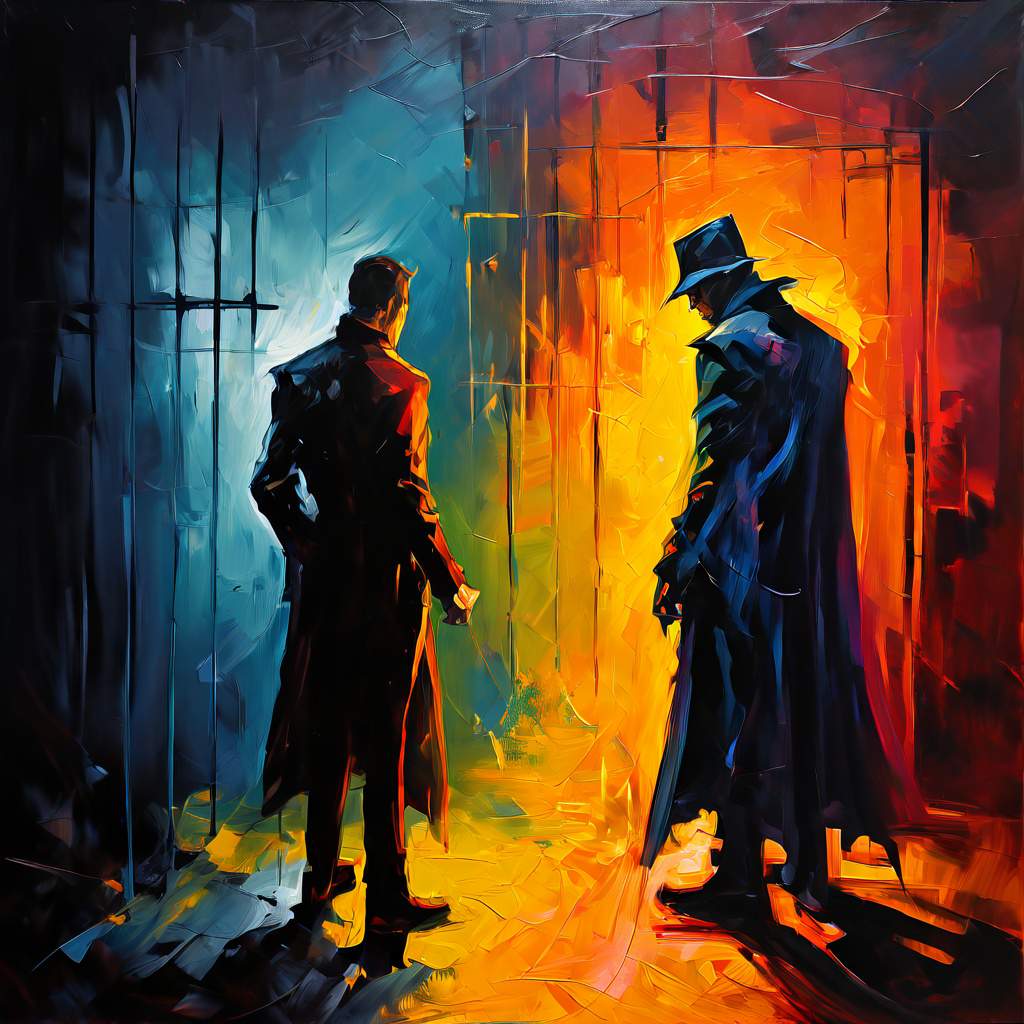
The conspiracy centers on classified documents labeled “Project: Batman” that the late Mayor Jim Gordon passed to Bruce before his death in issue #19. Having studied these files obsessively, Batman confronts Joe Chill—the man who shot his father—inside Blackgate Prison, only to discover Jonathan Crane waiting in the cell. The encounter immediately signals that the truth behind the Wayne murder involves deeper forces than a simple street crime.
Crane reveals that Chill was never acting of his own volition. Under the influence of Fear Toxin, the shooter was coerced into attacking the Gotham City Zoo on the night that became the series’ inciting incident. However, the true target was never Thomas Wayne, or even Bruce himself. Instead, the conspiracy aimed at Martha Wayne, who in this continuity remains alive and carries a secret history as a member of the Court of Owls, a guerrilla resistance group operating within Gotham’s shadows.
According to Crane, Jack Grimm conceived the attack as an elaborate jest aimed at Martha. By executing her husband and transforming her son into a “bat”—the natural predator of owls—Grimm sought to mock the Court’s ideology while creating a weapon that would eventually turn against them. This revelation positions Bruce not as a self-directed vigilante born of random tragedy, but as an unwitting instrument in a war between monstrous powers that began before he was born.
The scene carries particular weight as Scarecrow explicitly connects this manipulation to contemporary anxieties. He notes how twenty-first-century life is defined by dread of “huge, Earth-shattering changes we can’t control or influence,” suggesting that Bruce’s entire existence as Batman represents the embodiment of that helplessness—a child shaped by invisible hands into a weapon he never chose to become.
Reimagining Tim Burton’s Controversial Twist
The creative team is consciously engaging with one of the most debated elements of Batman’s cinematic history. Tim Burton’s 1989 film famously established that Jack Napier—the hoodlum who would become the Joker—was the gunman who murdered Thomas and Martha Wayne in that alleyway. This choice tied the hero and villain’s origins together in a closed loop of revenge, a decision that subsequent filmmakers largely avoided in favor of keeping the identity of the Waynes’ killer either unknown or narratively insignificant.
Burton’s approach faced consistent criticism for making Batman’s crusade feel like personal vengeance rather than a broader war on crime, and for reducing the Joker’s mystery by giving him responsibility for Batman’s creation. Critics argued that by making the Joker the source of Batman’s pain, the rivalry became smaller and more personal, losing the epic scale of order versus chaos that defines their best confrontations.
“Absolute Batman” appears to thread a narrower needle that preserves the emotional integrity of both characters. The series maintains that Bruce experienced the shooting as a random act of violence—preserving his initial motivation as protection of the innocent rather than simple revenge—while retroactively imposing a hidden structure that he discovers years later as an adult. This allows the character to retain his principled foundation while facing the horror that his subsequent development may have been engineered.
The crucial distinction lies in thematic intent. Where Burton’s connection emphasized fatalistic destiny, Snyder’s “Project: Batman” reflects contemporary anxieties about invisible systems of control. In a 2024 interview with Polygon, Snyder explained his intention to create a Batman who speaks to modern young people who feel their futures are dictated by billionaires and uncaring institutional powers. Scarecrow’s monologue about twenty-first-century dread directly channels this sentiment, suggesting that learning one has been manipulated by hidden powers resonates with current generational experiences of economic precarity and systemic powerlessness.
Easter Eggs and Narrative Reliability
Despite the compelling evidence presented within the issue, the revelation may not be entirely trustworthy. Snyder previously explored unreliable narration regarding the Joker’s origins in his 2016 storyline “Endgame,” where Grimm attempted to deceive Batman into believing he was an immortal demon using fabricated photographs and doctored newspapers from Gotham’s history. Given that “Absolute Batman” has already established this universe’s Joker as a centuries-old monster by recycling elements from “Endgame,” readers must consider whether “Project: Batman” represents truth or merely another layer of sophisticated psychological warfare designed to break the hero’s spirit.
The possibility that Grimm merely wants Batman to believe his life has been controlled would itself constitute a cruel joke worthy of the character. Convincing a man dedicated to autonomy that he has never possessed free will would represent a devastating attack on his core identity.
However, visual evidence scattered across previous issues supports the conspiracy theory’s validity:
• Absolute Batman #1: A flashback panel depicting the zoo shooting includes crows flying overhead, consistent with Crane’s seemingly supernatural ability to control these birds in the present timeline • Absolute Batman #4: A flashback to the zoo reveals a welcome sign bearing a Joker-like figure, suggesting Grimm’s influence was present at the scene from the beginning • Absolute Batman #19: Early in this arc, Scarecrow demonstrates his methodology by manipulating two farmers into their own deaths, establishing his pattern of weaponizing personal secrets to destroy his targets • Absolute Batman #20: The opening sequence displays Jack Grimm’s trophy case containing a Court of Owls mask, implying a history of violent conflict with the organization that predates Batman’s emergence
These details suggest Snyder and Dragotta may have planted subtle clues too minor for initial notice but significant upon reexamination, rewarding careful readers with evidence that the conspiracy was always part of the narrative architecture rather than a last-minute addition.
Implications for the Straw Man Arc
Snyder has publicly teased that “The Straw Man” storyline will prove the most brutal challenge Bruce has faced in the Absolute Universe, surpassing even the physical threats posed by Bane in the previous “Abomination” arc. While the villain Bane broke Batman’s body, the revelation that he serves as “Jack Grimm’s sick joke” threatens to break his mind and spirit, potentially destabilizing the hero’s sense of self and purpose.
The narrative structure suggests parallel arcs of empowerment and liberation. Flashback sequences in the current storyline depict a pre-Batman Bruce being drawn into employment with mob boss Carmine Falcone, establishing his early entanglement with Gotham’s criminal underworld before he understood the city’s true nature. His eventual emergence from Falcone’s influence appears poised to mirror his potential liberation from the Joker’s hidden manipulation, framing the current conflict as a battle for authentic self-determination against systemic corruption.
If the revelation holds true, it fundamentally redefines the central conflict of Absolute Batman. Traditional depictions position Batman as order opposing the Joker’s chaos; here, Grimm represents a corrupt, controlling order while Batman wields his axe against it as an agent of disruptive justice. This inversion carries the series further from conventional superhero dynamics into territory exploring power, conspiracy, and the possibility of authentic resistance within compromised systems.
The coming issues will likely determine whether Bruce can reclaim his narrative from these controlling forces, or whether the knowledge of his manipulation will prove too heavy a burden for the emerging Dark Knight to bear.
What’s After the Movie
Stay current with the latest developments in film, television, and comic book adaptations with What’s After the Movie. Our platform delivers comprehensive coverage including box office analysis, spoiler-free summaries, ending explanations, and breaking industry news that connects the dots between your favorite properties. Whether you’re tracking the latest DC Universe announcements or exploring our extensive database of film collections, visit what’safterthemovie.com for all your entertainment needs. Check out our movie summaries for quick catch-ups on essential viewing, or dive into our industry news section for deeper analysis of the business behind the stories.