What's After the Blog?
interview • news
Steven Spielberg Reveals Emotional 'Lincoln' Scene That Made Him Cry on Set
Steven Spielberg revealed at SXSW that a specific scene from his 2012 film "Lincoln" moved him to tears during filming, causing him to leave the set after the first take. The director shared that Daniel Day-Lewis, remaining in character as the 16th President, followed him off set to offer comfort in an unexpected moment of connection between filmmaker and actor.
March 16, 2026
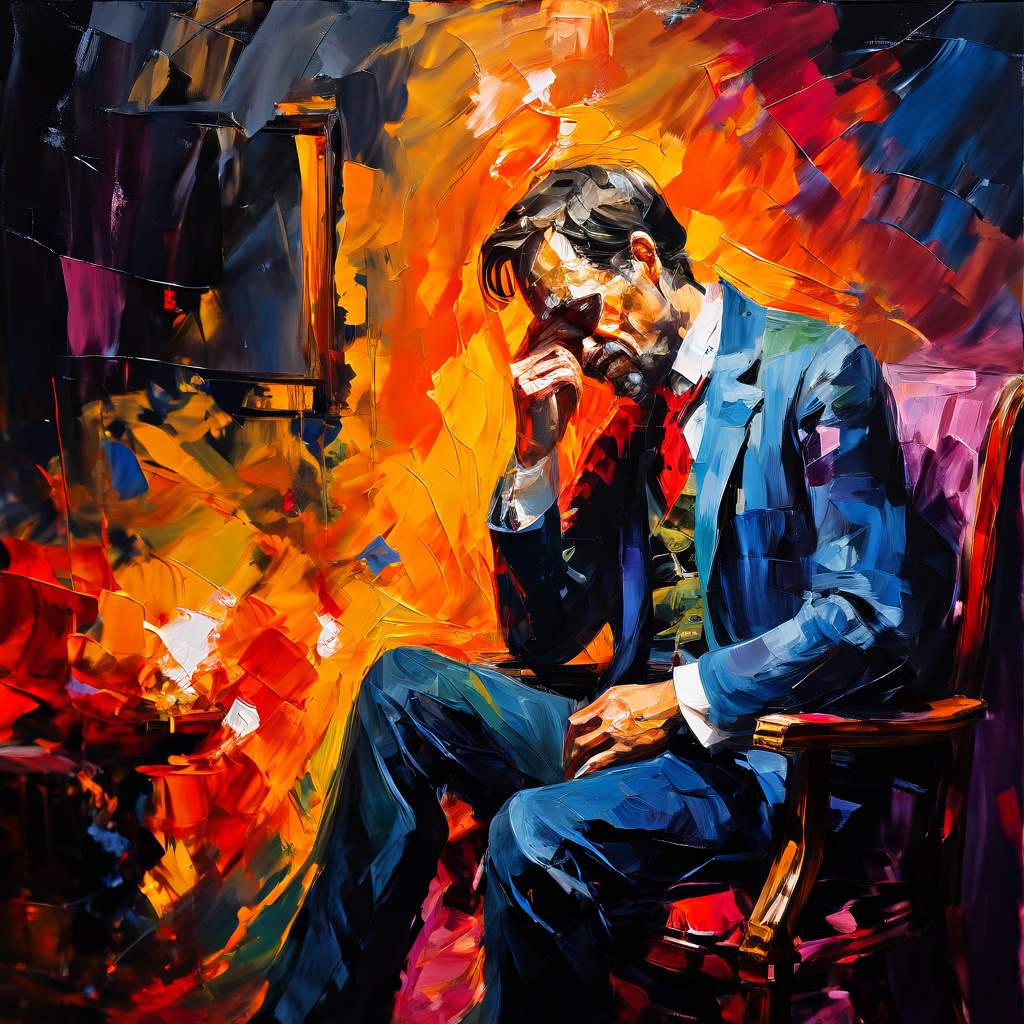
Steven Spielberg Reveals Emotional ‘Lincoln’ Scene That Made Him Cry on Set
Steven Spielberg’s recent keynote address at South By Southwest offered attendees more than just insights into his upcoming science fiction project. While in Austin, Texas to promote “Disclosure Day”—which recently unveiled a new trailer—the legendary filmmaker delved into his storied career, sharing a particularly vulnerable moment from the set of his 2012 historical drama “Lincoln.” The director revealed that one specific scene featuring Daniel Day-Lewis moved him to such an extent that he broke down in tears and had to leave the set, marking a rare instance where the orchestrator of cinematic emotion found himself overcome by the power of performance.
SXSW Keynote: Promoting “Disclosure Day” and Reflecting on Legacy
Spielberg’s appearance at the annual festival served multiple purposes for the acclaimed director. Beyond generating buzz for “Disclosure Day,” his latest venture into science fiction storytelling, the conversation provided an opportunity to reflect on the moments that have defined his decades-long career. The discussion naturally gravitated toward “Lincoln,” the historical epic that earned Daniel Day-Lewis his third Academy Award for Best Actor and cemented itself as a significant entry in both Spielberg’s filmography and the canon of American historical cinema.
The director’s willingness to discuss such personal reactions speaks to the unique environment of SXSW, where industry veterans often share stories that transcend standard promotional talking points. For Spielberg, whose name has become synonymous with blockbuster entertainment and prestige filmmaking alike, the platform allowed for an exploration of the human moments that occur behind the camera—moments that rarely make it into official production notes but define the collaborative art of filmmaking.
The Technical Mastery Behind the Emotional Scene
The sequence that affected Spielberg so profoundly centered on Abraham Lincoln’s efforts to convince his cabinet of the urgent necessity to pass the 13th Amendment. This pivotal moment in American history required a delicate balance of technical precision and emotional authenticity. Spielberg detailed the specific cinematic choices that elevated the scene beyond standard dialogue exchanges:
- Camera Movement: The sequence utilized two distinct moving shots, beginning with a slow track along the end of the cabinet table that maintained continuous focus on the ensemble
- Duration: A four-minute uninterrupted speech delivered by Day-Lewis, requiring sustained intensity and concentration from the entire cast
- Editing Structure: A single cutaway to David Strathairn portraying Secretary of State William Seward, serving as the only break in the visual focus before transitioning to an intimate close-up
- Spatial Dynamics: The camera’s movement created a sense of claustrophobic urgency, emphasizing the weight of the historical decision being debated
This approach to filming political discourse eschewed rapid cutting in favor of sustained observation, allowing the audience to sit with the discomfort and importance of the moment. The technical restraint served the historical gravity of the subject matter, creating an environment where performance could breathe and accumulate power over time.
When Performance Moves the Director
Despite having orchestrated countless emotional moments throughout his career—from the wonder of “E.T.” to the horrors of “Schindler’s List”—Spielberg found himself unprepared for the impact of Day-Lewis’s delivery. Following the completion of the first take, the director experienced an emotional response so intense that he felt compelled to leave the set entirely. This departure marked a significant disruption to the carefully controlled environment of a major film production.
The reaction speaks to the unpredictable nature of artistic creation, where even the person holding the camera and calling the shots can become a victim of the emotional truth being generated. Spielberg admitted during the SXSW discussion that he has “never gotten over that scene, or how he played Lincoln,” indicating that the memory continues to resonate more than a decade after filming concluded. For a director who has witnessed generations of actors deliver Oscar-caliber performances, this particular moment stood apart as something uniquely affecting.
Method Acting and On-Set Protocol
The situation was complicated by Day-Lewis’s renowned commitment to method acting, a process that created distinct boundaries between the actor and the crew. During the production of “Lincoln,” Day-Lewis maintained his character throughout the shoot, requesting to be addressed exclusively as “Mr. Lincoln” or “Mr. President.” This dedication extended beyond mere nomenclature; it represented a total immersion into the physical and psychological space of the 16th President.
Spielberg revealed that Day-Lewis developed specific terminology for crew interactions, referring to the director as “the skipper”—a nickname that persisted beyond the film’s production and remains part of their personal lexicon to this day. This linguistic framework created a unique on-set culture where the boundaries between 1865 and 2012 blurred, allowing for a type of time travel that method actors pursue but which can disorient those unaccustomed to such intensive processes.
When Spielberg left the set after the emotional first take, Day-Lewis’s immediate concern manifested through this established character filter. Rather than breaking form to inquire about the director’s whereabouts as a contemporary actor might, he questioned the absence of “the skipper” while maintaining the posture and concerns of a President in the midst of cabinet deliberations.
A Presidential Comfort Off-Camera
The aftermath of Spielberg’s departure created one of the most unusual moments in the film’s production history. After producers informed Day-Lewis of the director’s location, the actor made a choice that demonstrated the depth of his immersion. Rather than stepping out of character to offer a colleague comfort, he remained Abraham Lincoln, walking into the room where Spielberg had retreated to find the director in tears.
What followed was a moment of genuine human connection filtered through historical imagination. Day-Lewis, as Lincoln, sat beside Spielberg and placed his arms around the director in a gesture of consolation. The image of the 16th President comforting the modern filmmaker who sought to capture his essence creates a powerful metaphor for the responsibility of historical storytelling. This unscripted interaction occurred without cameras rolling, yet it encapsulated the very empathy that the film sought to explore—the ability of leadership to recognize and soothe the pain of others.
The moment also highlighted the trust established between director and actor during the lengthy courtship required to secure Day-Lewis’s participation. Spielberg spent years persuading the actor to take the role, and this spontaneous display of care suggested that the investment of time had forged a bond that transcended the typical professional relationship.
Future Projects: Subverting the Western Genre
While the SXSW conversation focused heavily on past achievements, Spielberg offered a glimpse into his creative future. He confirmed active development on a new Western project, though he provided minimal details regarding plot or casting. The director emphasized his intention to approach the genre without relying on the familiar tropes that have defined Western cinema for decades.
This commitment to subverting expectations suggests a film that will challenge audience assumptions about the American frontier, potentially avoiding the mythologized violence or romanticized individualism that often characterize the genre. Whether this untitled project serves as Spielberg’s next directorial effort or remains in development while he focuses on “Disclosure Day” remains uncertain. Given the director’s history of juggling multiple projects and the lengthy gestation periods typical of his work, the Western may require several years before reaching theaters.
The Lasting Impact of “Lincoln”
The revelations from SXSW add new dimensions to the legacy of “Lincoln,” a film that already stood as a significant achievement in historical cinema. The technical specifications of the 13th Amendment scene—the four-minute take, the specific camera movements, the single cutaway—now carry additional weight knowing they affected the filmmaker so profoundly. For audiences revisiting the film, this knowledge invites a closer examination of how performance and direction intersect to create moments of genuine emotional power.
The film remains available for home viewing through various physical media formats, allowing new generations to experience the scene that moved its creator to tears. As Spielberg continues to explore new territories with “Disclosure Day” and his developing Western, the “Lincoln” anecdote serves as a reminder that even the most seasoned directors remain susceptible to the magic of cinema when performance, history, and craft align perfectly.
Discover More Cinema History
Want to explore more behind-the-scenes stories and film industry insights? What’s After the Movie offers comprehensive coverage of the entertainment world, from box office analysis to detailed film summaries. Browse our movie database to find information on “Lincoln” and other historical dramas, or check out our industry news section for the latest updates on Spielberg’s upcoming projects including “Disclosure Day” and his developing Western.
Continue reading



What's After the Movie?
Not sure whether to stay after the credits? Find out!
Check out our other apps:

SAT Sphere
Build confidence for the Digital SAT.

Mori Atlas
Discover wild places worth protecting.

Luntero
Search smarter for a home in Amsterdam.

Plot Explained
Unravel movie endings and hidden clues.

Pokechamp
Dive into Pokémon data and battle logic.

Driving Theory
Get ready for your European theory test.

Movie Dust
Plan your next cinema trip with ease.

Musemap
Find art and culture as you travel.

Selkobase
Compare credentials before committing.

Local Manual
Turn an unfamiliar country into practical next steps.

Lernavi
Compare school systems before your next move.

GymRoam
Find a workout stop wherever your plans take you.
Explore Our Movie Platform
New Movie Releases (2026)
Famous Movie Actors
Top Film Production Studios
Movie Plot Summaries & Endings
Major Movie Awards & Winners
Best Concert Films & Music Documentaries
Movie Collections and Curated Lists
© 2026 What's After the Movie. All rights reserved.
Privacy Policy