What's After the Blog?
Streaming • analysis • feature
The Brady Bunch Streaming Analysis: How the 1970s Sitcom Holds Up in 2026
A comprehensive rewatch of The Brady Bunch reveals surprisingly progressive elements beneath its wholesome 1970s surface. The classic sitcom addresses land rights, feminism, and media ethics in ways that remain relevant for modern streaming audiences.
March 12, 2026
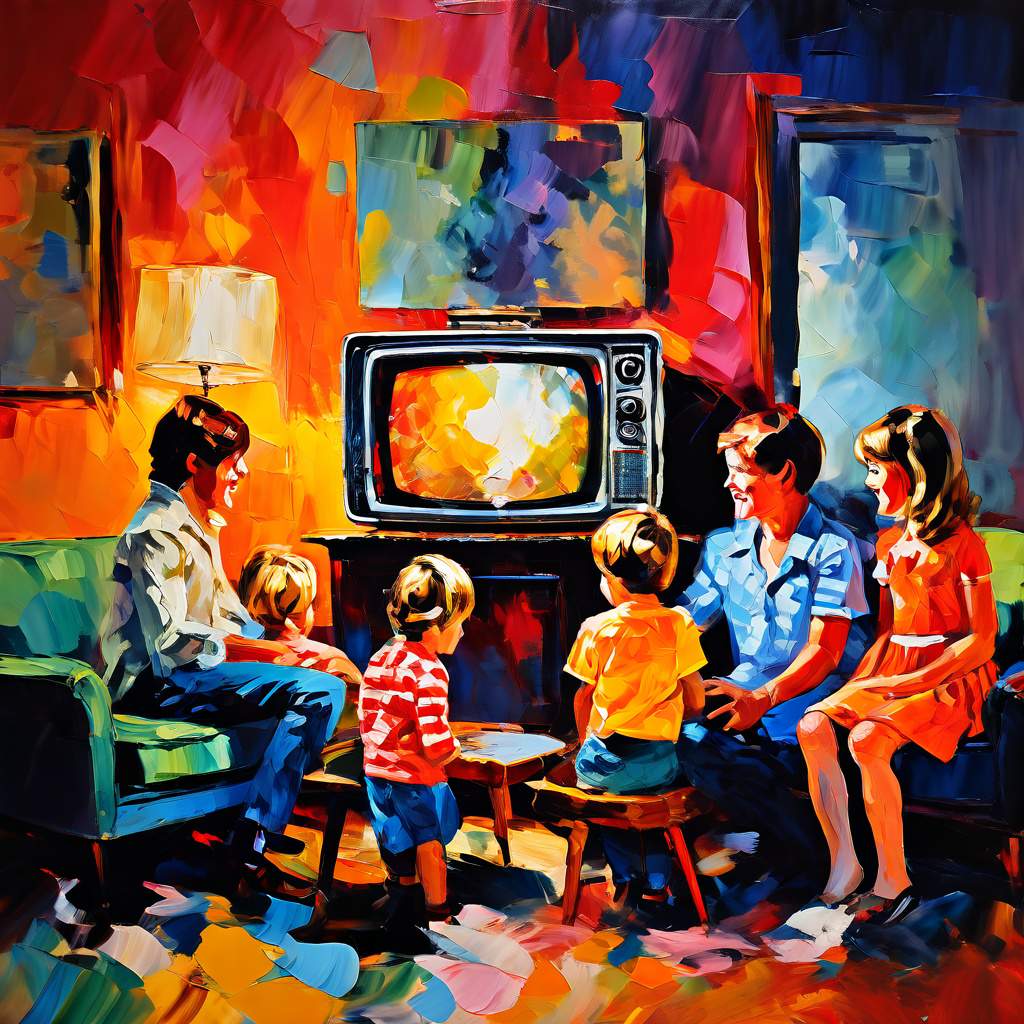
The Brady Bunch Streaming Analysis: How the 1970s Sitcom Holds Up in 2026
Classic television series often function as cultural time capsules, preserving the social attitudes and values of their production era in amber. This temporal anchoring frequently leads to problematic viewing experiences when audiences revisit older programming through contemporary sensibilities. The assumption that “product of its time” inherently signals negative qualities is common—but not always accurate.
A recent comprehensive rewatch of The Brady Bunch challenges these expectations. The series, which originally aired from September 26, 1969, to March 8, 1974, has maintained its cultural footprint through decades of syndication, two theatrical parody films, and multiple spin-offs. Now available on Paramount+ and Pluto TV, the complete five-season run reveals unexpected depth beneath its reputation as simplistic family entertainment.
The Progressive Core Beneath the Corny Surface
The Brady Bunch is frequently dismissed as the pinnacle of “Aw, Shucks” sitcoms and a bastion of mid-century white American family values. While the show’s dialogue carries period-appropriate corniness and plot structures often repeat familiar domestic scenarios, the content proves remarkably timeless—or in several instances, genuinely ahead of its time.
The series centers on a blended family: widow Carol, widower Mike, their three daughters (Marcia, Jan, Cindy) and three sons (Greg, Peter, Bobby), plus housekeeper Alice. This premise alone was relatively novel for 1969 network television. What emerges from episode-by-episode analysis is a consistent, if subtle, engagement with progressive social themes that contemporary viewers might find surprisingly radical.
Key thematic elements include:
- Land rights and Indigenous history: Explicit acknowledgment of colonial violence and stolen territory
- Feminist equality: Multiple storylines addressing gender-based preferential treatment
- Media ethics: Critiques of irresponsible journalism and historical sanitization
- Economic justice: Depictions of protest movements and systemic barriers
- Masculinity and body image: Challenges to traditional male stereotypes
Surprising Political Moments in Season 2
Several specific episodes demonstrate the show’s willingness to engage with substantive material. In “The Un-Underground Movie” (Season 2, Episode 4), Greg Brady undertakes a class project filming a short about the first Thanksgiving. When younger brothers Peter and Bobby perform racist “savage” caricatures of the Wampanoag tribe—mimicking Western film stereotypes—Mike Brady intervenes directly.
The patriarch’s response is striking for 1970: he informs his sons that Indigenous peoples only displayed defensive violence because colonizers stole their land. This “land back” message, delivered during the series’ original broadcast, represents explicit anti-colonial education in a mainstream family sitcom.
The very next episode, “Double Parked” (Season 2, Episode 5), addresses community organizing and protest movements. The storyline explores the difficulties of fighting systemic issues within capitalist structures—a theme rarely addressed in contemporary family programming, let alone 1970 network television.
Feminist Themes and Character Complexity
The Brady daughters receive substantial narrative attention regarding gender equality. Marcia Brady’s character arc frequently involves challenging preferential treatment afforded to her older brother Greg. Multiple episodes structure their sibling rivalry around Greg receiving advantages solely due to his gender, with Marcia explicitly contesting these disparities.
When Marcia’s ego expands excessively—as in “Juliet is the Sun” (Season 3, Episode 7)—the narrative deliberately deflates her arrogance through humbling circumstances. This approach balances confidence-building with lessons in humility, avoiding the shallow characterization suggested by pop-cultural memory.
Jan Brady emerges as the series’ most emotionally complex character. As the middle child overshadowed by popular Marcia and adorable Cindy, Jan’s storylines explore identity formation under competitive family dynamics. Actress Eve Plumb’s performance carries substantial dramatic weight, particularly in episodes addressing Jan’s struggle for recognition and self-definition beyond her sisters’ shadows.
The boys’ narratives similarly challenge traditional masculinity. Storylines explicitly reject “boys will be boys” excuses, with both Mike and Carol delivering consistent lessons on empathy, emotional awareness, and personal responsibility.
Media Literacy and Historical Honesty
Two additional Season 2 episodes demonstrate unexpected sophistication regarding information and history. “The Power of the Press” (Season 2, Episode 8) finds Peter learning the real-world consequences of unethical journalism when his school newspaper column causes harm. The episode treats media responsibility seriously, showing tangible damage from careless reporting.
“Bobby’s Hero” (Season 2, Episode 10) addresses historical sanitization directly. When youngest son Bobby idolizes outlaw Jesse James, the narrative explicitly deconstructs romanticized criminal mythology. The episode exposes how popular culture distorts historical figures, teaching critical engagement with received narratives.
Modern Streaming Context and Availability
Contemporary audiences access The Brady Bunch primarily through two streaming platforms:
- Paramount+: Subscription service hosting complete series alongside other classic ViacomCBS properties
- Pluto TV: Free ad-supported streaming television (FAST) platform offering linear channel experience
The series’ 117 episodes span five seasons, with the original run concluding in 1974. Subsequent reunion films, theatrical parodies starring Shelley Long and Gary Cole, and various spin-off attempts have maintained franchise visibility across multiple generations.
Aging, Context, and Contemporary Viewing
The rewatch experience reveals that genuinely outdated moments prove doubly distracting precisely because of their rarity. When Mike and Carol perform Charlie Chan impressions—a reference to the fictional Chinese-American detective from 1930s-40s cinema—the sequence stands out as anomalous rather than representative.
This pattern suggests that The Brady Bunch maintained relatively consistent values across its production run, with occasional period artifacts rather than pervasive problematic content. The series’ reputation as hopelessly dated may stem more from its visual aesthetic and sitcom structure than from actual narrative or thematic material.
The housekeeper Alice, portrayed by Ann B Davis, receives consistent respect as a family member rather than servant. The Mike-Carol relationship includes subtle romantic elements that pushed boundaries given the recent conclusion of the Hays Code’s restrictive content guidelines.
What’s After the Movie: Classic TV Streaming Guide
Exploring television history through modern streaming platforms reveals how much—and how little—has changed in family entertainment. At What’s After the Movie, we track where classic series live alongside contemporary releases, helping viewers navigate the expanding catalog of available content.
Whether you’re revisiting childhood favorites or discovering vintage programming for the first time, our streaming guides and comprehensive database help locate where shows and films are currently accessible. For deeper dives into entertainment history and industry analysis, visit our blog for regular features on how classic content holds up under contemporary examination.
The Brady Bunch may not be perfect—no family, fictional or otherwise, truly is. But its streaming availability invites fresh evaluation, and the results prove more rewarding than nostalgic assumptions might suggest.
Continue reading




What's After the Movie?
Not sure whether to stay after the credits? Find out!
Check out our other apps:

SAT Sphere
Build confidence for the Digital SAT.

Mori Atlas
Discover wild places worth protecting.

Luntero
Search smarter for a home in Amsterdam.

Plot Explained
Unravel movie endings and hidden clues.

Pokechamp
Dive into Pokémon data and battle logic.

Driving Theory
Get ready for your European theory test.

Movie Dust
Plan your next cinema trip with ease.

Musemap
Find art and culture as you travel.

Selkobase
Compare credentials before committing.

Local Manual
Turn an unfamiliar country into practical next steps.

Lernavi
Compare school systems before your next move.

GymRoam
Find a workout stop wherever your plans take you.
Explore Our Movie Platform
New Movie Releases (2026)
Famous Movie Actors
Top Film Production Studios
Movie Plot Summaries & Endings
Major Movie Awards & Winners
Best Concert Films & Music Documentaries
Movie Collections and Curated Lists
© 2026 What's After the Movie. All rights reserved.
Privacy Policy