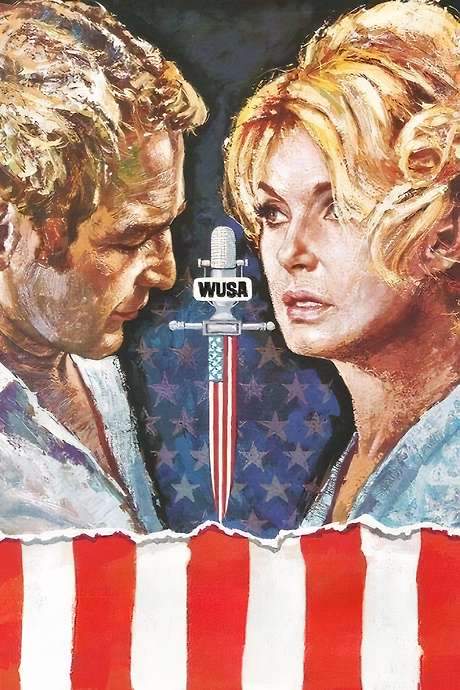
WUSA 1970

Directed by
Stuart Rosenberg
Made by

Paramount Pictures
Where to Watch WUSA
See current US streaming, rental, and purchase options for WUSA (1970) via JustWatch.

Amazon Video
HD
Apple TV Store
HD
Fandango At Home
HD Streaming availability powered by 
WUSA Plot Summary
Read the complete plot summary and ending explained for WUSA (1970). From turning points to emotional moments, uncover what really happened and why it matters.
A drifter named Rheinhardt, Paul Newman, arrives in New Orleans and quickly scans a shelter, where he discovers his old acquaintance Farley, Laurence Harvey, running a scam as a preacher and owing him money.
Seeing a familiar name on a shelter, he encounters Farley, Laurence Harvey, who is still deep in his con, and Rheinhardt takes note of the tiny debt he’s owed and the uneasy balance between old grudges and new opportunites.
Rheinhardt goes to a bar, where he sees a woman named Geraldine, Joanne Woodward, threatened by a pimp who misreads her as soliciting on his turf.
Rheinhardt and Geraldine move in together, living in cheap housing surrounded by hippies. He gets a job at a conservative talk radio station called WUSA. The owner, Bingamon, Pat Hingle, is a white supremacist who uses the station to spread propaganda, with the constant refrain that something is wrong in the country and that things were better in the past.
Rheinhardt reads the station’s reactionary editorials while he socializes with hippies who detest it. One of his neighbors is an earnest man named Rainey, Anthony Perkins, whose job is to survey welfare recipients. Rainey relies on a wealthy man named Clotho, Moses Gunn, to guide him to beneficiaries. Clotho introduces Rainey to several people who are scamming the welfare system.
Rainey eventually discovers that Clotho is working for Bingamon, making sure that Rainey’s survey finds rampant fraud. WUSA uses that fraud as content for their editorials, feeding the hate-filled atmosphere that the station helps cultivate. The more Rainey learns, the more horrified he becomes, and when Bingamon hosts a hate rally, Rainey tries to assassinate him but shoots and kills another man instead. During the ensuing chaos, Rainey attempts to flee with his gun, but the crowd beats him to death.
Rheinhardt is ordered to the lectern to calm the crowd, but he makes a speech that only adds to the din. As Geraldine flees the rally, she is arrested and found with marijuana. Threatened with years in jail for felony possession, she hangs herself in a cell. Rheinhardt visits her grave before leaving town as cynical as he was when he arrived.
WUSA Timeline
Follow the complete movie timeline of WUSA (1970) with every major event in chronological order. Great for understanding complex plots and story progression.
Arrival in New Orleans and discovery of Farley's scam
A drifter named Rheinhardt arrives in New Orleans and checks into a shelter where a familiar name helps him recognize Farley, an old acquaintance running a scam as a preacher. Farley owes Rheinhardt money and pays part of the debt, revealing the tension beneath their reunion.
Geraldine threatened by a bar pimp
Rheinhardt goes to a bar and witnesses Geraldine being threatened by a pimp who suspects she is working on his turf. The intimidation underscores the danger and street-level violence surrounding her.
Rheinhardt and Geraldine move in together
Rheinhardt and Geraldine move into cheap housing surrounded by hippies, starting a fragile domestic arrangement. The bohemian setting highlights the clash between their worlds and the instability of their lives.
Rheinhardt takes a job at WUSA
Rheinhardt secures a job at the conservative talk radio station WUSA, whose white supremacist owner Bingamon uses the platform to spread nostalgia-filled propaganda. The broadcasts push a refrain of corruption and a return to better times.
Rheinhardt observes editorials and hippie neighbors
While at WUSA, Rheinhardt reads reactionary editorials and socializes with hippie neighbors who detest the station’s message. The contrast deepens his internal conflict about his role and the political climate.
Rainey begins welfare surveying
A neighbor named Rainey is hired to survey welfare recipients and relies on a wealthy fixer, Clotho, to guide him to beneficiaries. Clotho introduces him to several people who are exploiting the system.
Clotho works with Bingamon to manipulate Rainey
Clotho secretly works for Bingamon, steering Rainey to uncover fraud that the station can weaponize in its editorials. The manipulative scheme shows how data can be cooked to fit a political agenda.
Bingamon hosts a hate rally
Bingamon hosts a hate rally designed to inflame the crowd and amplify bigoted rhetoric. The event becomes a volatile backdrop for the escalating violence and corruption surrounding the story.
Rainey’s failed assassination and death
Rainey attempts to assassinate Bingamon but shoots and kills another man instead. In the ensuing chaos, the crowd turns violent and beats him to death as he tries to flee.
Rheinhardt calms the crowd but worsens it
Rheinhardt is ordered to the lectern to calm the crowd, but his speech only adds to the din and anger. The moment underscores his powerlessness and the breakdown of order at the rally.
Geraldine arrested and commits suicide
Geraldine flees the rally but is arrested for marijuana possession. Threatened with years in jail, she hangs herself in her cell, a tragic consequence of the violence and desperation surrounding them.
Rheinhardt visits the grave and leaves town
Rheinhardt visits Geraldine’s grave and then leaves town as cynical as when he arrived. The journey ends with him carrying a deep disillusionment about the people and politics he encountered.
WUSA Characters
Explore all characters from WUSA (1970). Get detailed profiles with their roles, arcs, and key relationships explained.
Rheinhardt (Paul Newman)
A drifting, wary man who arrives in New Orleans seeking money and meaning. He becomes entangled with Geraldine after meeting her, and takes a job at the provocative WUSA radio station, where his skepticism clashes with the station’s propaganda. Throughout, he remains a critical observer of the forces around him, moving through the city’s counterculture and political machinations.
Bingamon (Pat Hingle)
Owner of the conservative WUSA station and a white supremacist figure who weaponizes propaganda to stoke fear and nostalgia. He uses editorials and orchestrated events to shape public opinion and expand his influence. His manipulation sets the events of the rally and the surrounding political theater in motion.
Geraldine (Joanne Woodward)
A woman who becomes Rheinhardt’s partner and a focal point in the story’s danger and vulnerability. Threatened by a pimp, she and Rheinhardt inhabit a harsh social landscape and confront the consequences of the rally’s chaos. Her arrest for marijuana and subsequent death reflect the personal tragedies entwined with political schemes.
Farley (Laurence Harvey)
An old acquaintance running a scam as a preacher, he owes Rheinhardt money and emerges as a conniving figure within the city’s underbelly. Farley’s duplicity highlights the theme of opportunistic manipulation within a landscape of political rhetoric and social unrest.
Rainey (Anthony Perkins)
An earnest welfare surveyor who initially believes in reform yet discovers the depth of fraud and manipulation surrounding the beneficiaries. His growing horror at Bingamon’s machinations leads to a desperate attempt to act, which ends in tragedy as the crowd turns violent.
Clotho (Moses Gunn)
A wealthy facilitator who guides Rainey toward beneficiaries and, behind the scenes, coordinates with Bingamon to steer the welfare narrative. Clotho embodies the role of a gatekeeper who enables systemic fraud through financial and social influence.
WUSA Settings
Learn where and when WUSA (1970) takes place. Explore the film’s settings, era, and how they shape the narrative.
Time period
Late 1960s – early 1970s
The events unfold in a contemporary era when television and radio shapes public opinion. The film depicts the rise of talk radio, media manipulation, and a climate of social upheaval, reflecting civil rights tensions and a distrust of institutions.
Location
New Orleans
New Orleans serves as the backdrop where Rheinhardt arrives and checks into a shelter. The city’s cheap housing and countercultural neighborhoods sit beside bar scenes where tensions simmer. The setting highlights a mix of hustles, counterculture, and emerging political propaganda that drives the story’s conflicts.
WUSA Themes
Discover the main themes in WUSA (1970). Analyze the deeper meanings, emotional layers, and social commentary behind the film.
🎙️
Media Manipulation
The story centers on a conservative radio station that weaponizes fraud narratives to inflame listeners and justify propaganda. Rainey discovers that the station’s content is manufactured to support Bingamon’s agenda. The film shows how rhetoric can mold public perception and heighten societal divisions.
🏛️
Power & Ideology
Bingamon’s platform exposes how ideology and power are leveraged through media to control crowds and shape policy. A nostalgia-driven message appeals to fear and insecurity, masking exploitation as a return to ‘better times.’ The narrative reveals how wealth and influence influence public discourse and legitimacy.
🔥
Civil Unrest
A hate rally culminates in violence, puncturing the illusion of order and exposing the fragility of the social fabric. Rainey’s attempt on Bingamon ends in tragedy as the crowd turns against him. Geraldine’s arrest and ultimate death underscore the human cost of hate and political theater.

Coming soon on iOS and Android
The Plot Explained Mobile App
From blockbusters to hidden gems — dive into movie stories anytime, anywhere. Save your favorites, discover plots faster, and never miss a twist again.
Sign up to be the first to know when we launch. Your email stays private — always.
Explore the mobile appWUSA Spoiler-Free Summary
Discover the spoiler-free summary of WUSA (1970). Get a concise overview without any spoilers.
In the heat‑slick streets of New Orleans, a drifting outsider drifts into a city humming with noise, politics, and restless ambition. The atmosphere feels both gritty and electric, a place where the scent of jazz mixes with the static of a radio broadcast that never quite stops shouting. It is a world where the lines between public discourse and personal survival blur, and the city itself feels like a character—full of contradictions, color, and an undercurrent of unease.
Rheinhardt, the film’s weary protagonist, arrives with a cynical edge and a propensity for keeping emotional distance. He quickly finds work as an on‑air announcer at the right‑wing station WUSA, a job that demands he repeat incendiary editorials he never truly believes. The station’s unwavering tone clashes with the hippie‑laden neighborhoods he inhabits, creating a constant tension between his professional façade and the more questioning world around him.
Living in cheap housing with a circle of free‑spirited neighbors, Rheinhardt is drawn into a fragile domestic partnership with Geraldine, a woman whose own resilience and vulnerability hint at deeper currents beneath the city’s surface. Across the hallway, Rainey, an earnest idealist, studies the very system Rheinhardt vocalizes, slowly exposing a hidden agenda that permeates the station’s broadcasts. Their interactions pull him away from detached cynicism and toward a place where personal convictions can no longer stay buried.
The film balances an atmospheric, almost noir‑like mood with sharp social commentary, letting the audience feel the pressure of competing ideologies pressing on each character. As the city’s underbelly and the station’s rhetoric intersect, Rheinhardt finds himself at a crossroads, forced to decide whether to remain a dispassionate mouthpiece or to confront the moral complexities that swirl around him. The tension remains palpable, leaving the viewer eager to see which path he ultimately walks.
Movies with Similar Twists and Themes
Uncover films that echo the narrative beats, emotional arcs, or dramatic twists of the one you're exploring. These recommendations are handpicked based on story depth, thematic resonance, and spoiler-worthy moments — perfect for fans who crave more of the same intrigue.
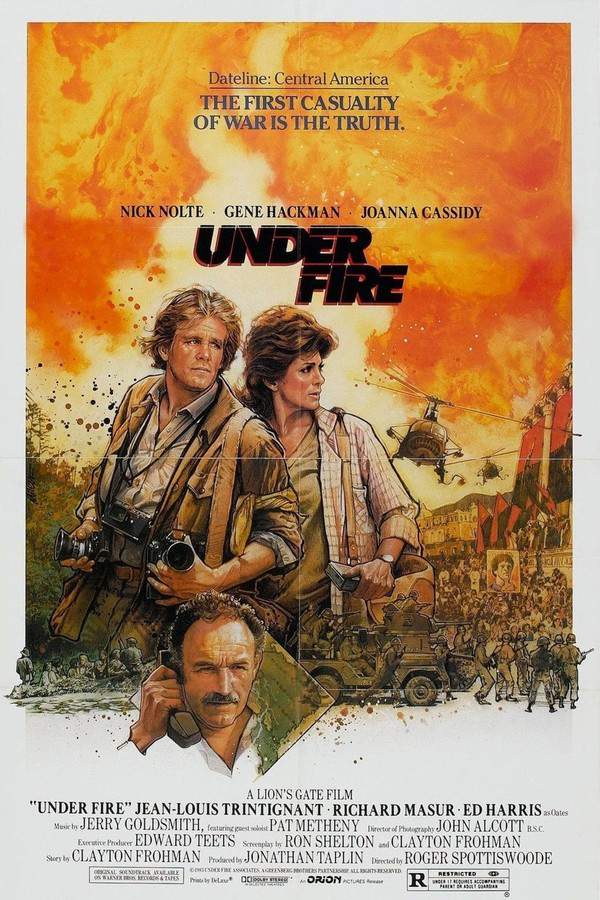
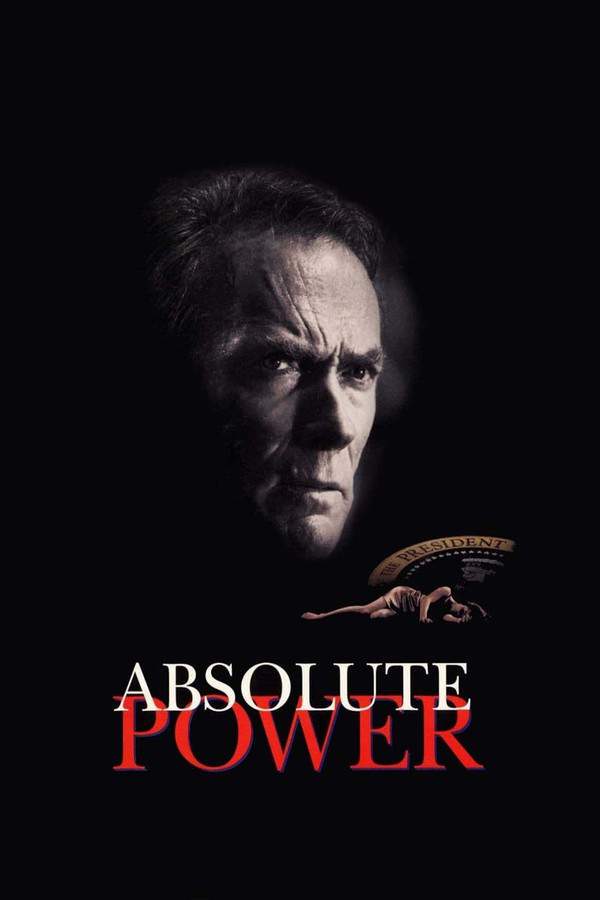
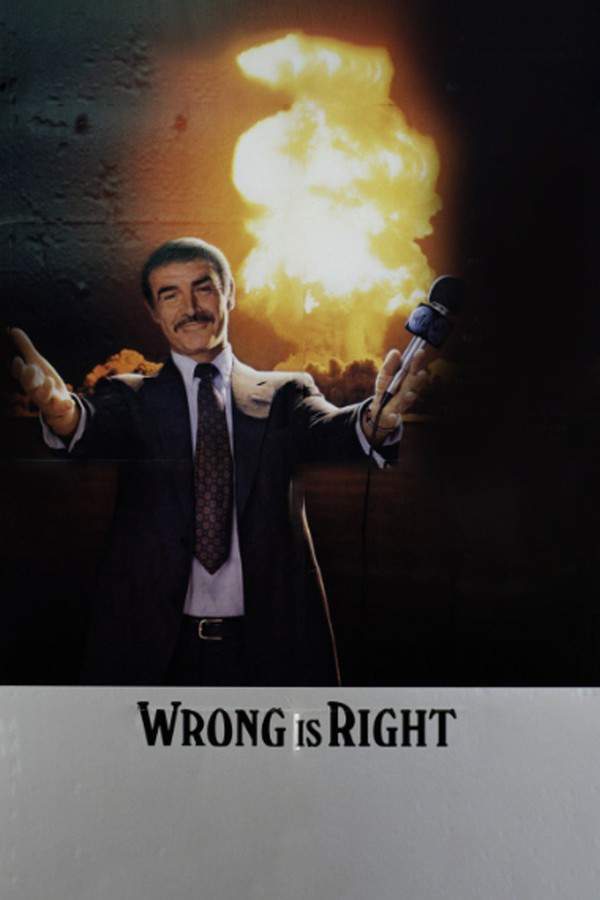
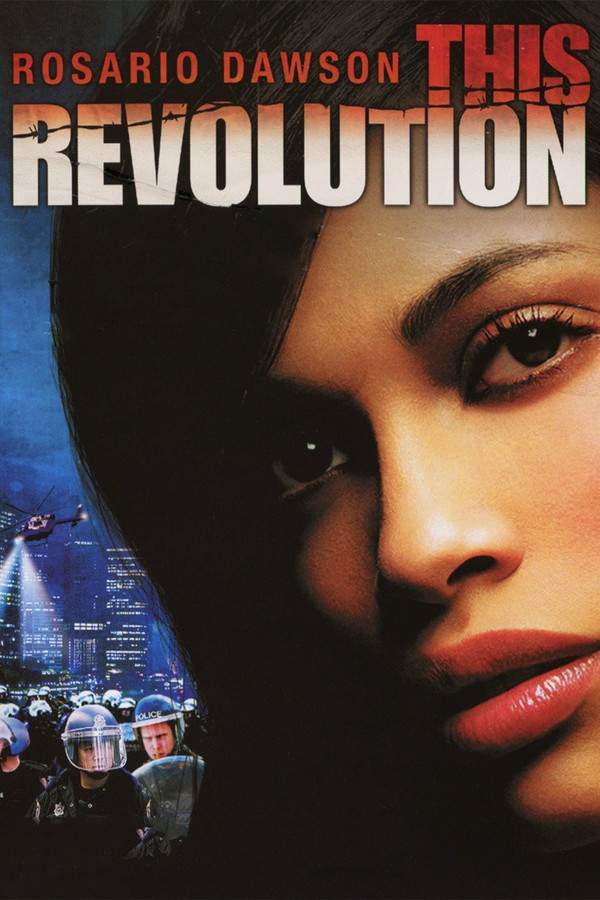


Featured on this page

What's After the Movie?
Not sure whether to stay after the credits? Find out!
Check out our other apps:

SAT Sphere
Build confidence for the Digital SAT.

Mori Atlas
Discover wild places worth protecting.

Luntero
Search smarter for a home in Amsterdam.

Plot Explained
Unravel movie endings and hidden clues.

Pokechamp
Dive into Pokémon data and battle logic.

Driving Theory
Get ready for your European theory test.

Movie Dust
Plan your next cinema trip with ease.

Musemap
Find art and culture as you travel.

Selkobase
Compare credentials before committing.

Local Manual
Turn an unfamiliar country into practical next steps.

Lernavi
Compare school systems before your next move.

GymRoam
Find a workout stop wherever your plans take you.
Explore Our Movie Platform
New Movie Releases (2026)
Famous Movie Actors
Top Film Production Studios
Movie Plot Summaries & Endings
Major Movie Awards & Winners
Best Concert Films & Music Documentaries
Movie Collections and Curated Lists
© 2026 What's After the Movie. All rights reserved.
Privacy Policy