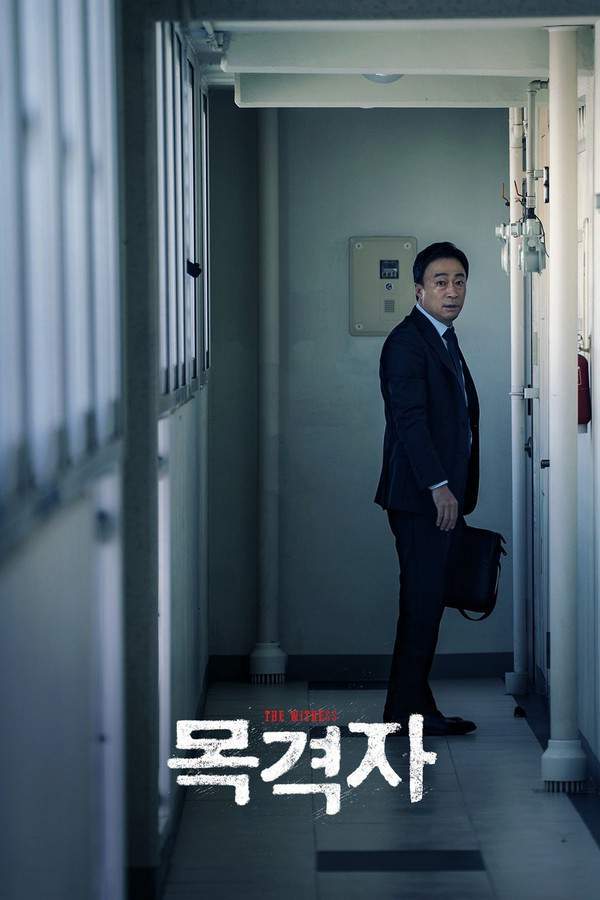
What Is Witness to the Execution About?
The premise of Witness to the Execution in 286 words, with nothing given away. The full story follows below.
In a media‑saturated America where ratings can dictate the national conversation, a powerful television network is on the brink of a desperate gamble: turning a state‑sanctioned execution into a live, nationwide broadcast. The concept promises an unprecedented surge in viewership, blurring the line between news, entertainment, and a stark, unfiltered look at the justice system. The very idea pulses with the tension of a society hooked on spectacle, ready to watch anything if the cameras are rolling.
The driving force behind the proposal is Jessica Traynor, a sharp‑tongued executive whose ambition matches the network’s hunger for relevance. Seasoned in the cut‑throat world of primetime programming, she sees the potential for her career—and the struggling network—to soar if she can deliver the most talked‑about event in television history. Her confidence is matched by a keen awareness of how far the industry will push to capture eyeballs, positioning her as both visionary and provocateur.
Around her, a chorus of voices rises: corporate backers eager for a ratings bonanza, legal advisors weighing the ramifications, and a public split between those who crave raw transparency and those who decry exploitation. The atmosphere crackles with ethical ambiguity, as each stakeholder navigates a delicate dance between curiosity, outrage, and the relentless pursuit of compelling content. The tone is tense and cerebral, inviting viewers to contemplate the cost of turning humanity‑scale moments into consumable media.
Amid the mounting pressure, Jessica finds herself positioned at the intersection of personal ambition and a looming moral crossroad. The looming broadcast threatens to become a mirror reflecting both the power of televised spectacle and the uneasy conscience of those who orchestrate it, setting the stage for a clash between professional drive and the weight of collective responsibility.
What Happens in Witness to the Execution?
The complete story of Witness to the Execution, from the first scene to the last, in 314 words (about 1 minute). Spoilers throughout. Names in the text link to 1 cast member page.
Spoilers ahead
On a bold, morally complex premise, Jessica Traynor, a television executive, proposes broadcasting a live execution as a reality special. She frames it as a ground-breaking exploration of justice and public accountability, but her true motive is to rescue her struggling network with boosted ratings.
As the project gains corporate backing, a condemned man on death row agrees to participate for money that will go to his family. Public reaction splits: some see it as an honest look at capital punishment, while others condemn it as exploitative sensationalism. The idea widens into a worldwide media event, drawing attention and controversy from audiences who crave both controversy and confirmation of their beliefs.
Traynor’s team designs elaborate preparations, turning the event into a global media spectacle that feels unavoidable in every sense. The production elements—staged interviews, dramatic re-enactments, and live updates—are crafted to maximize engagement, blurring the lines between journalism and entertainment and pressuring viewers to form instant judgments.
As the date nears, Traynor begins to confront the human cost of her creation. In conversations with the prisoner, she senses the weight of the choice he’s making and starts to suspect that the network has manipulated the narrative, concealing key facts about his trial and the broader context of capital punishment.
On the night of the broadcast, she faces a profound moral crisis. She attempts to halt the execution, but the network overrides her, choosing to air the death live. The moment exposes the raw power of media sensationalism and the fragility of conscience when profits and ratings trump ethics.
In the aftermath, Traynor’s career and sense of ethics lie in ruins, a stark commentary on how easily a media machine can distort truth and dignity. The film leaves audiences with a piercing reflection on the costs of sensationalism and the ways in which a single executive’s ambition can ripple through lives, justice, and public trust.
Witness to the Execution Timeline: Every Key Event in Order
12 key events in the order they happen, from “Pitching the live execution reality special” to “The film's message about media sensationalism”. 11 events name a place, across 11 locations.
- 1
Pitching the live execution reality special
Jessica Traynor pitches a controversial idea to broadcast a condemned man's execution as a reality event. She argues it could redefine notions of justice and public accountability, while aiming to boost her network's ratings. The concept sets the project on a collision course with ethics and public sentiment.
When:Pre-production Where:Network offices
- 2
Greenlight and corporate backing
As the project gains traction, executives and sponsors back the plan, turning it from a risky concept into a high-profile production. The corporate backing signals a willingness to push boundaries for ratings. The team begins assembling production machinery to stage a global spectacle.
When:Approval phase Where:Boardroom
- 3
The condemned man agrees to participate
A condemned inmate agrees to participate for money to support his family, seeing the broadcast as a last chance. The prisoner becomes the focal point of the network's gamble on sensationalism. Production logistics move forward with his consent.
When:Before filming Where:Death row prison
- 4
Public reaction divides
News previews spark a polarized response from the public and critics. Some view the project as an honest examination of capital punishment, while others condemn it as exploitation. The controversy puts public pressure on the network to justify its decisions.
When:Public controversy grows
- 5
Elaborate preparations become a spectacle
The team stages elaborate preparations to turn the event into a worldwide media spectacle. Sets, live feeds, and narrative pacing are choreographed to maximize drama and viewer engagement. Behind the gloss, the mechanics of manipulation begin to reveal themselves.
When:Production phase Where:Studio and control room
- 6
The interview reveals a human face
Traynor conducts an interview with the prisoner to uncover his humanity and backstory. The conversation exposes the emotional toll of the impending execution and forces her to confront the human stakes behind the spectacle. The interview marks a turning point in her ethical reflections.
When:During pre-broadcast interviews Where:Prison interview room
- 7
Discovery of manipulation and concealed facts
Traynor discovers the network is manipulating the narrative and suppressing key facts about the prisoner's trial. The truth is filtered to fit the ratings calculus, eroding trust in the project. With the broadcast date looming, she faces a growing ethical dilemma.
When:Investigation into production practices Where:Newsroom / Editing suites
- 8
Moral crisis as broadcast approaches
On the night of the broadcast, Traynor confronts the costs of her creation and the harm it may unleash. She wrestles with whether to halt the project or let the spectacle unfold. The moral weight of the decision presses heavily as the clock ticks down.
When:Evening before broadcast Where:Broadcast studio
- 9
Traynor attempts to halt the execution
During the crisis moment in the studio, she makes a last-ditch effort to stop the execution. This sets up a clash between her conscience and the network's push for sensationalism. The scene crystallizes the central conflict between ambition and morality.
When:Night of broadcast (crisis moment) Where:Broadcast studio / control room
- 10
Network overrides and broadcasts live
Despite her intervention, the network overrides her and broadcasts the death live. The moment exposes how media interests can override ethical concerns when ratings are at stake. Viewers around the world witness the execution as the centerpiece of the reality spectacle.
When:Live broadcast night Where:Control room / Network headquarters
- 11
Aftermath: career and ethics in ruins
In the wake of the broadcast, Traynor's career is ruined and her sense of ethics is shattered. The film argues that sensationalism corrodes public accountability and justice. She bears the personal cost of having created a spectacle that obscured crucial truths.
When:Post-broadcast aftermath Where:Press offices / newsroom
- 12
The film's message about media sensationalism
The story closes with a pointed critique of the media ecosystem and its hunger for ratings. It reveals how power can distort truth and exploit vulnerability for profit. The closing message serves as a warning about the corrupting influence of sensationalism.
When:Post-broadcast epilogue Where:Media industry
Who Are the Main Characters in Witness to the Execution?
2 characters, among them Jessica Traynor (Sean Young) and Death Row Inmate: who each one is and the part they play in the story. 1 of them link to the actor’s page.
-
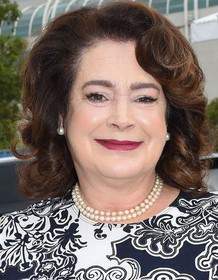
Jessica Traynor (Sean Young)
Played by Sean Young
A television executive who pitches the live execution concept to boost ratings. She becomes morally unsettled as she discovers the network's manipulation and the hidden facts of the inmate's trial. Facing mounting pressure, she ultimately attempts to halt the broadcast, but corporate interests override her, leaving her career and ethics destroyed.
- 🎯 Ambition
- 🧭 Morality
- DR
Death Row Inmate
The condemned man who agrees to participate for money to support his family, embodying the human cost behind the network's spectacle. His story provides the counterpoint to the network's sensationalism, highlighting the dignity and vulnerability of those at the center of the broadcast.
- 🎭 Humanity
- ⚖️ Justice
Where and When Is Witness to the Execution Set?
Witness to the Execution is set in Television studio, Network headquarters and Prison. Here is why the place matters to the story.
Where
Television studio, Network headquarters, Prison
The film unfolds primarily within a television studio and the network's offices, where executives plan an ambitious live broadcast. It also visits a prison where the condemned man awaits execution, grounding the spectacle in real institutions. The juxtaposition of glossy studio spaces with the stark, secured environment of the justice system highlights the exploitative pull of media ratings.
- 🎬 TV Studio
- 🏢 Corporate HQ
- 🔒 Prison
What Are the Themes of Witness to the Execution?
3 ideas the story keeps returning to, among them Media Ethics, Justice vs Spectacle and Conscience Under Pressure.
-
01
Media Ethics
The movie probes how sensationalism and profit motives drive the decisions of a powerful TV network. It reveals how facts can be manipulated, and how key details of the inmate's trial are concealed to fit a ratings-friendly narrative. The result is a chilling portrait of entertainment overriding justice. The unfolding crisis forces characters to confront the cost of exposing reality for an audience.
-
02
Justice vs Spectacle
Public curiosity is weaponized as a legal process becomes entertainment. The film exposes how institutions can be co-opted by commercial interests, blurring lines between due process and showbiz. It asks whether justice can survive under the glare of cameras and sponsors. The protagonist's moral struggle centers on whether some truths are worth broadcasting.
-
03
Conscience Under Pressure
The lead's ambition begins to crumble as she uncovers manipulation and hidden facts. The narrative tracks the erosion of professional ethics under corporate pressure. The live broadcast becomes a crucible in which personal integrity is weighed against fame. The climactic decision tests whether personal accountability can halt a process beyond control.
What Kind of Film Is Witness to the Execution?
Dark in tone, with steady pacing and a straightforward story, going by the plot summary.
- Tone
- Dark
- Pacing
- Steady
- Story
- Straightforward
- Intensity
- High
- Ending
- Bleak
A tense and morally unsettling drama that builds anxiety as it explores the corrupting influence of media spectacle through the bleak story of a live televised execution.
- tense
- unsettling
- cynical
- moral conflict
- anxious
- grim
- moral dilemma
- media sensationalism
- capital punishment
- corporate greed
Content notes: execution, death row.
Quiz
How well do you remember Witness to the Execution? Test yourself on the story.