
What Is Wit About?
The premise of Wit in 277 words, with nothing given away. The full story follows below.
In a crisp, white hospital ward, a celebrated scholar of English literature finds her life’s work colliding with an unforgiving diagnosis. Vivian Bearing, a professor renowned for her incisive readings of John Donne’s Holy Sonnets, learns that she has metastatic ovarian cancer. The news thrusts her from lecture halls and dusty libraries into a world of chemotherapy regimens, endless tests, and the stark bureaucracy of modern medicine, forcing her to confront the ultimate question of what meaning can be derived when the body itself begins to betray its own narrative.
The film’s tone is both clinical and poetic, stitching together present‑day treatment scenes with vivid recollections of the scholar’s formative moments. Dr. Harvey Kelekian enters as the oncologist who prescribes the rigorous protocol, while the narrative often pauses for Vivian to turn directly toward the audience, delivering wry, intimate commentary that feels like a lecture on mortality. Light flickers between the antiseptic corridors and the warm, memory‑laden spaces of her past, creating a meditation that is as much about language and the search for truth as it is about the physical battle she endures.
Surrounding her are a cast of figures who illuminate different facets of this journey. A compassionate nurse, Susie Monahan, offers steady, humanizing presence amid the procedural grind, while former students and mentors—such as the ambitious Dr. Jason Posner and the gentle Evelyn Ashford—drop in, each bringing their own blend of intellectual challenge and tender reassurance. Their interactions hint at the tension between being treated as a medical case and being seen as a person, underscoring the film’s exploration of dignity, wit, and the stubborn insistence on self‑recognition even as the future grows uncertain.
What Happens in Wit?
The complete story of Wit, from the first scene to the last, in 360 words (about 2 minutes). Spoilers throughout. Names in the text link to 5 cast member pages.
Spoilers ahead
Vivian Bearing is a distinguished professor of English literature, celebrated for her deep knowledge of metaphysical poetry, especially John Donne’s Holy Sonnets. Her world shifts dramatically when she is diagnosed with metastatic Stage IV ovarian cancer. The oncologist Dr Harvey Kelekian prescribes a demanding course of chemotherapy, and as she endures fever, chills, vomiting, and severe abdominal pain, she tries to frame the experience in a larger, more meaningful context. The film gracefully alternates between present struggle and the memories that shaped her—childhood moments, her graduate studies, and the arc of a storied career—while she frequently breaks the fourth wall, directly addressing the audience with candid, intimate reflections.
As her illness progresses, she agrees to additional tests and experimental treatments, even as she confronts a troubling realization: some of the doctors treating her, including her former student Dr Jason Posner, seem more interested in using her as a medical case than in saving a person. Amid the clinical intensity, the one constant source of humanity is nurse Susie Monahan, whose quiet compassion grounds Vivian when the world grows increasingly clinical and distant.
Late in her battle, the hospital visits become scarce, and the sole contact is a visit from her former graduate school professor and mentor, Evelyn Ashford. Ashford reads from Margaret Wise Brown’s The Runaway Bunny, offering a gentle, if provocative, interpretation: the story is “a little allegory of the soul. No matter where it hides. God will find it.” This moment deepens the film’s meditation on memory, spirit, and the search for meaning in suffering, suggesting that even in pain, a thread of grace and recognition persists.
As Vivian edges toward the end of life, she clings to dignity, wit, and a stubborn clarity about her own frailty and the need for genuine compassion. Her journey is intimate and exacting, not merely a medical chronicle but a meditation on mortality, faith, and the power of human connection to soften the sting of dying. In her final moments, her voiceover returns to the classic, defiant cadence of poetry and prayer, insisting on the stubborn, unyielding presence of the self even in the face of oblivion.
death be not proud
Wit Timeline: Every Key Event in Order
13 key events in the order they happen, from “Diagnosis: metastatic ovarian cancer” to “Death and final voiceover”. 10 events name a place, across 2 locations.
- 1
Diagnosis: metastatic ovarian cancer
Vivian Bearing, a renowned professor, is diagnosed with metastatic Stage IV ovarian cancer. Her oncologist, Harvey Kelekian, outlines the grim prognosis and the plan to begin treatment. The diagnosis forces her to confront mortality and rethink her life and work.
Where:Hospital
- 2
Chemotherapy plan
Kelekian prescribes a battery of chemotherapy regimens aimed at slowing the cancer's progression. Vivian steels herself for grueling treatments and the unpredictability of side effects. She commits to the fight with a dry wit and stubborn resolve.
Where:Hospital – Oncology Ward
- 3
First wave of treatment side effects
As chemotherapy takes hold, Vivian endures fever, chills, vomiting, and abdominal pain. The physical torment intensifies her introspection about life, death, and what truly matters. The struggle between scientific treatment and existential questions becomes a central thread.
Where:Hospital
- 4
Direct address to camera
Throughout treatment and illness, Vivian frequently breaks the fourth wall by addressing the audience directly. These moments reveal her private reflections on faith, science, and the possibility of grace beyond medical metrics. The confessional style draws the viewer into her inner world.
Where:Hospital
- 5
Flashback: childhood
The narrative shifts to Vivian's childhood, offering glimpses of formative moments that helped shape her intellect and temperament. These memories provide context for her current resilience and insistence on metaphysical poetry. The cutaways underscore how the past informs her present ordeal.
- 6
Flashback: graduate studies
A flashback to her graduate studies shows her early passion for English literature and her budding scholarly drive. It highlights the intellectual foundation that defines her career and identity. The scenes connect her present suffering to a life-long devotion to poetry.
- 7
Flashback: professional career
Another memory recounts her professional achievements before the diagnosis, establishing her status as an expert in metaphysical poetry. It contrasts the clinical world now confronting her with the scholarly world that once defined her. The nostalgia deepens the sense of loss and purpose.
- 8
Susie Monahan's compassionate care
Nurse Susie Monahan emerges as one of the few people who treats Vivian as a person rather than a case. She offers kindness and practical support amid the hospital's cold routines. Her presence provides a fragile thread of humanity through the illness.
Where:Hospital
- 9
Declining health and more tests
As illness deepens, Vivian agrees to further tests and experimental treatments. The medical team increasingly treats her as a guinea pig rather than a patient, revealing the cold calculus behind aggressive care. The tension between compassion and clinical ambition becomes a recurring theme.
Where:Hospital
- 10
Late-illness visit by Evelyn Ashford
Near the end, Vivian's former graduate school professor Evelyn Ashford visits in the hospital. She reads from The Runaway Bunny, framing life and death as a spiritual journey. The moment emphasizes a search for meaning beyond medicine.
When:Late in illness Where:Hospital
Show the other 3 events of Wit Hide the last 3 events
- 11
The Runaway Bunny as allegory
Ashford's reading emphasizes that the soul cannot be hidden from God and will be found. Vivian contemplates existential questions as her condition worsens. This moment links literary symbolism with her struggle to hold onto meaning.
Where:Hospital
- 12
End-of-life dignity
Vivian maintains dignity and wit as she faces frailty head-on. She reflects on the value of compassion and the human connections that sustain her. The narrative underlines the importance of empathy in medicine during final days.
Where:Hospital
- 13
Death and final voiceover
In the final moments, Vivian dies, and a voiceover recites Death be not proud. The line from John Donne crystallizes her rejection of fear and the acceptance of mortality with grace. The closing scene fuses intellect with spiritual resignation.
When:End of life Where:Hospital
Who Are the Main Characters in Wit?
5 characters, among them Vivian Bearing (Emma Thompson), Dr. Harvey Kelekian (Christopher Lloyd) and Evelyn Ashford (Eileen Atkins): who each one is and the part they play in the story. Every profile links to the actor’s page.
-
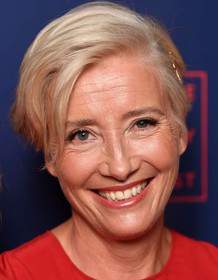
Vivian Bearing (Emma Thompson)
Played by Emma Thompson
A distinguished professor of English literature whose sharp intellect and wit mask a growing vulnerability as she endures metastatic ovarian cancer and aggressive chemotherapy. The patient navigates pain, fear, and existential questions while maintaining dignity and wit; she confronts her own frailty and isolation within the hospital.
- 🎓 Scholar
- 💔 Illness
- 🕯️ Dignity
- 🪞 Introspection
-
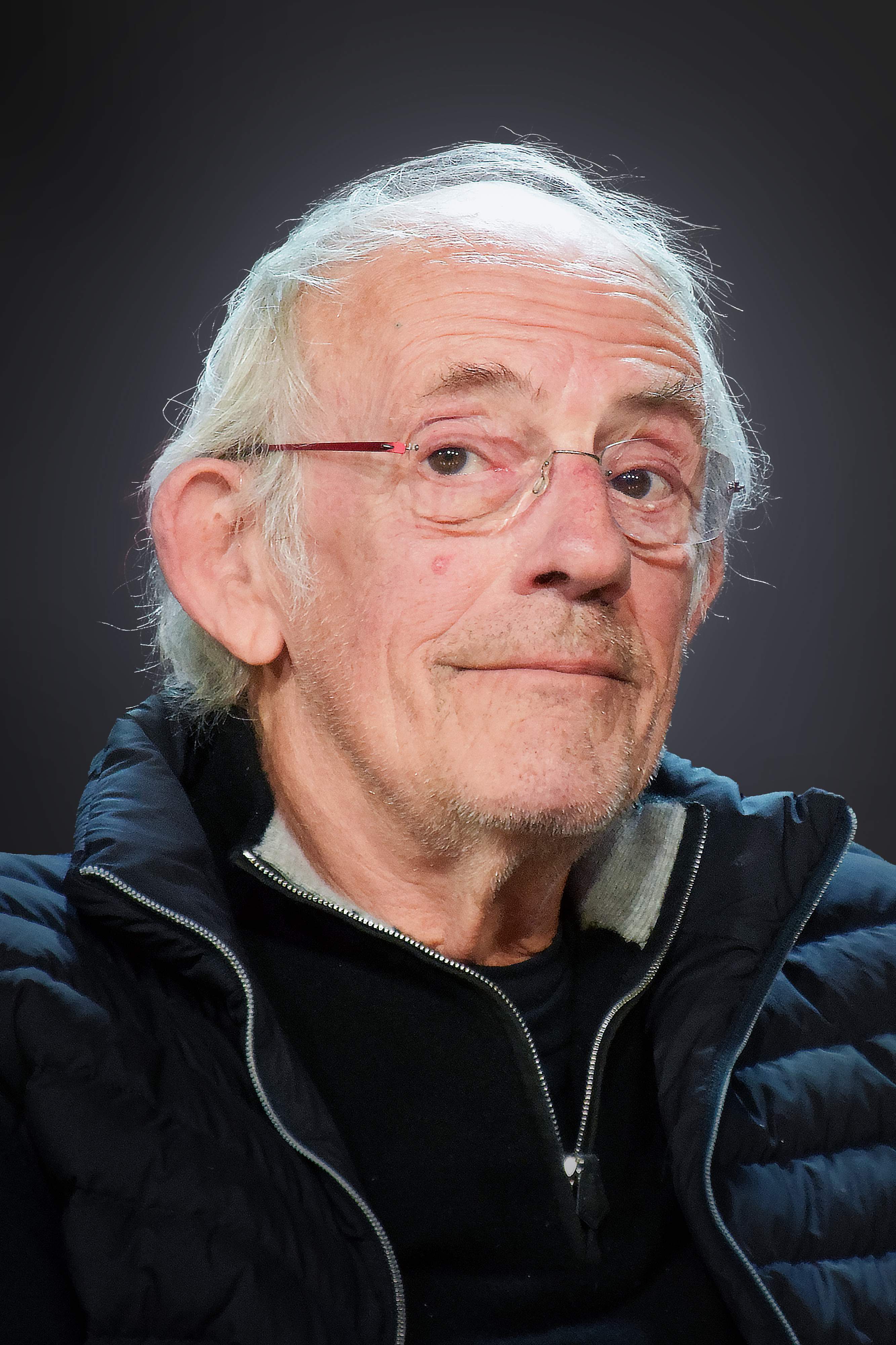
Dr. Harvey Kelekian (Christopher Lloyd)
Played by Christopher Lloyd
The oncologist who prescribes chemotherapy and experimental treatments, embodying a clinical approach that sometimes treats Vivian more as a subject than a person. His decisions reflect the tension between advancing medical science and preserving patient humanity.
- 💊 Medicine
- ⚖️ Ethics
- 🧪 Science
-
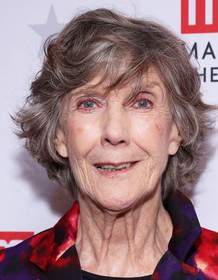
Evelyn Ashford (Eileen Atkins)
Played by Eileen Atkins
Vivian's former graduate school professor and mentor, who visits toward the end and offers philosophical reflection. Her reading of The Runaway Bunny frames the care and spiritual dimension of Vivian's journey as an allegory of the soul.
- 🎓 Mentor
- 🪞 Memory
- 📚 Literature
-
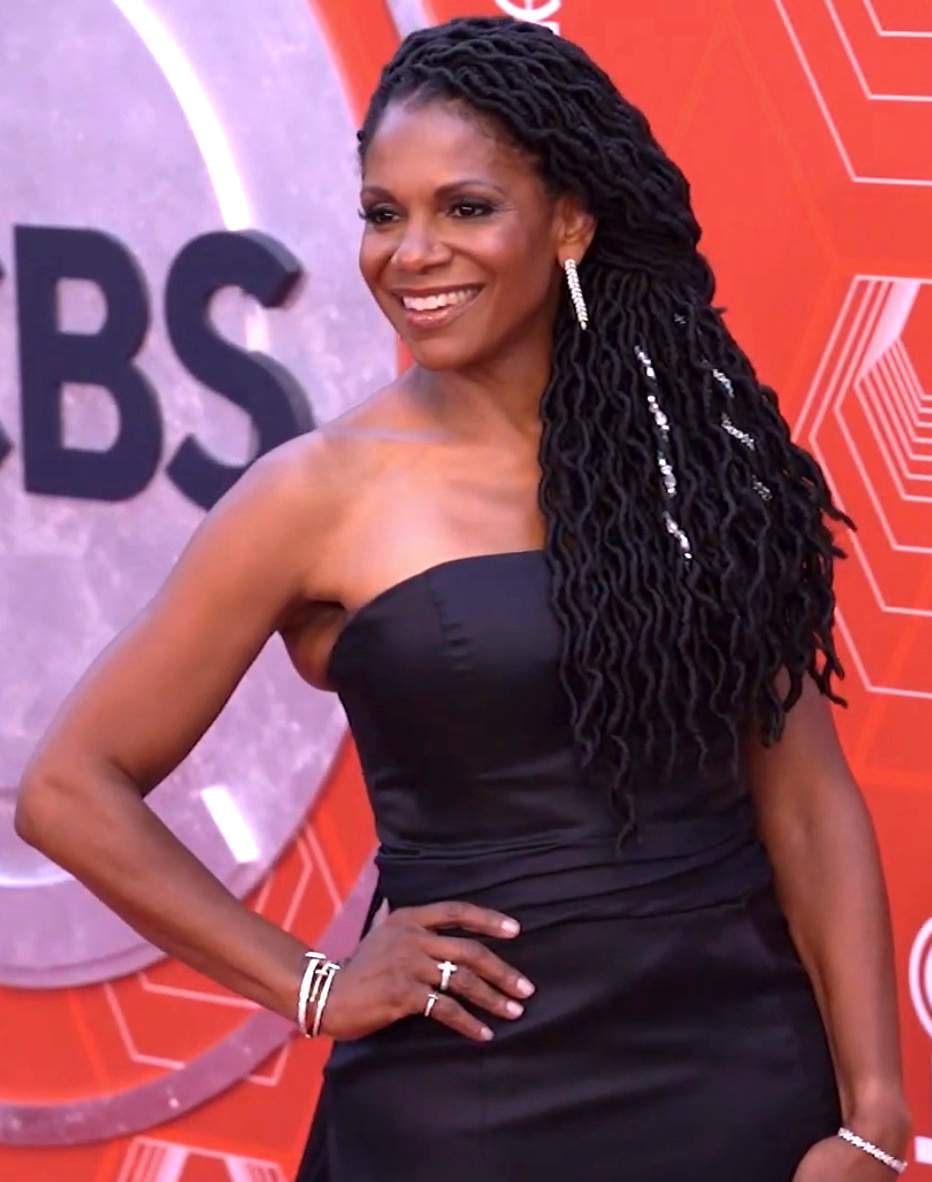
Susie Monahan (Audra McDonald)
Played by Audra McDonald
A nurse who stands out as the compassionate presence in Vivian's hospital experience, offering genuine care and humanity when others remain clinical. She represents the personal touch of caregiving.
- 💗 Compassion
- 🩺 Care
- 🤝 Empathy
- DJ
Dr. Jason Posner (Jonathan M. Woodward)
Played by Jonathan M. Woodward
A member of Vivian's medical team and a former student of Vivian's, illustrating the dynamic between teacher and trainee within medicine. He participates in the treatments, reflecting the ethical complexities of experimental care.
- 👨⚕️ Doctor
- 💊 Medical Ethics
- 🧬 Science
Where and When Is Wit Set?
Wit is set in Hospital and Oncology Ward. Here is why the place matters to the story.
Where
Hospital, Oncology Ward
The events unfold largely within a hospital setting, centering on an oncology ward and patient rooms. The environment is clinical and antiseptic, yet becomes a space where illness, memory, and dignity are confronted head-on. It illustrates how a medical facility can be both a place of treatment and a stage for personal reflection.
- 🏥 Hospital
- 🧬 Oncology Ward
- 🧼 Sterile Environment
What Are the Themes of Wit?
4 ideas the story keeps returning to, among them Mortality, Compassion and Memory.
-
01
Mortality
Vivian Bearing's battle with metastatic cancer places mortality at the center of the narrative. The film probes how a person faces the end of life, maintaining wit and dignity in the face of pain. Death is presented not as spectacle but as a prompt to consider what truly matters beyond clinical data.
-
02
Compassion
Susie Monahan's care contrasts with the impersonal pace of the medical team, highlighting the humanity of patient care. The film critiques patients being treated as subjects, emphasizing empathy in treatment decisions. Compassion becomes a counterbalance to clinical detachment.
-
03
Memory
Flashbacks to Vivian's past—childhood, graduate studies, and career—reframe illness as a thread across a life of learning. Literature and memory shape how she understands suffering, with Donne's metaphysical poetry guiding interpretation. The memory device deepens identity beyond diagnosis.
-
04
Meta-narrative
Vivian's breaking of the fourth wall turns the film into a reflection on storytelling within a clinical setting. The interplay of poetry, art, and medicine invites viewers to question perspective and voice in healing. References to The Runaway Bunny and Donne position narrative as part of Vivian's search for meaning at life's end.
What Kind of Film Is Wit?
Melancholic in tone, with slow pacing and a moderate story, going by the plot summary.
- Tone
- Melancholic
- Pacing
- Slow
- Story
- Moderate
- Intensity
- High
- Ending
- Sad
A deeply somber and introspective film that follows a fiercely intellectual professor's dignified but painful confrontation with terminal cancer, creating a heavy, meditative atmosphere.
- somber
- introspective
- isolating
- desperate
- dignified
- academic
- terminal illness
- medical ethics
- existential crisis
- academic life
Content notes: terminal illness, chemotherapy side effects, death of a main character.
Quiz
How well do you remember Wit? Test yourself on the story.