Wit 2001



It appears to be a matter of life and death. A renowned professor is forced to reassess her life when she is diagnosed with terminal ovarian cancer.

Does Wit have end credit scenes?
No!
Wit does not have end credit scenes. You can leave when the credits roll.
Where to Watch Wit
See current US streaming, rental, and purchase options for Wit (2001) via JustWatch.


Streaming availability powered by 
Meet the Full Cast and Actors of Wit
Explore the complete cast of Wit, including both lead and supporting actors. Learn who plays each character, discover their past roles and achievements, and find out what makes this ensemble cast stand out in the world of film and television.

Benedict Wong
Fellow 2

Emma Thompson
Vivian Bearing

Eileen Atkins
Evelyn 'E.M' Ashford
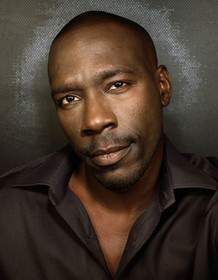
Gary Beadle
Code Team Blue 6

Lachele Carl
Fellow 4

Christopher Lloyd
Dr. Harvey Kelekian

Audra McDonald
Susie Monahan
David Zayas
Code Team Blue Head
Raffaello Degruttola
Technician 1
David Menkin
Student 1
Harold Pinter
Mr. Bearing
Hari Dhillon
Fellow 1
Jenny Jules
Code Team Blue 5
Shauna Shim
Student 3
Jonathan M. Woodward
Dr Jason Posner
Miquel Brown
Technician 2
Rebecca Laurie
Vivian (age 5)
External Links and Streaming Options
Discover where to watch Wit online, including streaming platforms, rental options, and official sources. Compare reviews, ratings, and in-depth movie information across sites like IMDb, TMDb, Wikipedia or Rotten Tomatoes.






Full Plot Summary and Ending Explained for Wit
Read the complete plot summary of Wit, including all major events, twists, and the full ending explained in detail. Explore key characters, themes, hidden meanings, and everything you need to understand the story from beginning to end.
Vivian Bearing is a distinguished professor of English literature, celebrated for her deep knowledge of metaphysical poetry, especially John Donne’s Holy Sonnets. Her world shifts dramatically when she is diagnosed with metastatic Stage IV ovarian cancer. The oncologist Dr Harvey Kelekian prescribes a demanding course of chemotherapy, and as she endures fever, chills, vomiting, and severe abdominal pain, she tries to frame the experience in a larger, more meaningful context. The film gracefully alternates between present struggle and the memories that shaped her—childhood moments, her graduate studies, and the arc of a storied career—while she frequently breaks the fourth wall, directly addressing the audience with candid, intimate reflections.
As her illness progresses, she agrees to additional tests and experimental treatments, even as she confronts a troubling realization: some of the doctors treating her, including her former student Dr Jason Posner, seem more interested in using her as a medical case than in saving a person. Amid the clinical intensity, the one constant source of humanity is nurse Susie Monahan, whose quiet compassion grounds Vivian when the world grows increasingly clinical and distant.
Late in her battle, the hospital visits become scarce, and the sole contact is a visit from her former graduate school professor and mentor, Evelyn Ashford. Ashford reads from Margaret Wise Brown’s The Runaway Bunny, offering a gentle, if provocative, interpretation: the story is “a little allegory of the soul. No matter where it hides. God will find it.” This moment deepens the film’s meditation on memory, spirit, and the search for meaning in suffering, suggesting that even in pain, a thread of grace and recognition persists.
As Vivian edges toward the end of life, she clings to dignity, wit, and a stubborn clarity about her own frailty and the need for genuine compassion. Her journey is intimate and exacting, not merely a medical chronicle but a meditation on mortality, faith, and the power of human connection to soften the sting of dying. In her final moments, her voiceover returns to the classic, defiant cadence of poetry and prayer, insisting on the stubborn, unyielding presence of the self even in the face of oblivion.
death be not proud

Coming soon on iOS and Android
The Plot Explained Mobile App
From blockbusters to hidden gems — dive into movie stories anytime, anywhere. Save your favorites, discover plots faster, and never miss a twist again.
Sign up to be the first to know when we launch. Your email stays private — always.
Explore the mobile appDiscover Film Music Concerts Near You – Live Orchestras Performing Iconic Movie Soundtracks
Immerse yourself in the magic of cinema with live orchestral performances of your favorite film scores. From sweeping Hollywood blockbusters and animated classics to epic fantasy soundtracks, our curated listings connect you to upcoming film music events worldwide.
Explore concert film screenings paired with full orchestra concerts, read detailed event information, and secure your tickets for unforgettable evenings celebrating legendary composers like John Williams, Hans Zimmer, and more.


Wit Themes and Keywords
Discover the central themes, ideas, and keywords that define the movie’s story, tone, and message. Analyze the film’s deeper meanings, genre influences, and recurring concepts.
Wit Other Names and Titles
Explore the various alternative titles, translations, and other names used for Wit across different regions and languages. Understand how the film is marketed and recognized worldwide.
Similar Movies To Wit You Should Know About
Browse a curated list of movies similar in genre, tone, characters, or story structure. Discover new titles like the one you're watching, perfect for fans of related plots, vibes, or cinematic styles.





Quick Links: Summary, Cast, Ratings, More

What's After the Movie?
Not sure whether to stay after the credits? Find out!
Check out our other apps:

SAT Sphere
Build confidence for the Digital SAT.

Mori Atlas
Discover wild places worth protecting.

Luntero
Search smarter for a home in Amsterdam.

Plot Explained
Unravel movie endings and hidden clues.

Pokechamp
Dive into Pokémon data and battle logic.

Driving Theory
Get ready for your European theory test.

Movie Dust
Plan your next cinema trip with ease.

Musemap
Find art and culture as you travel.

Selkobase
Compare credentials before committing.

Local Manual
Turn an unfamiliar country into practical next steps.

Lernavi
Compare school systems before your next move.

GymRoam
Find a workout stop wherever your plans take you.
Explore Our Movie Platform
New Movie Releases (2026)
Famous Movie Actors
Top Film Production Studios
Movie Plot Summaries & Endings
Major Movie Awards & Winners
Best Concert Films & Music Documentaries
Movie Collections and Curated Lists
© 2026 What's After the Movie. All rights reserved.
Privacy Policy