
Why Does Herr R. Run Amok? 1970

Directed by
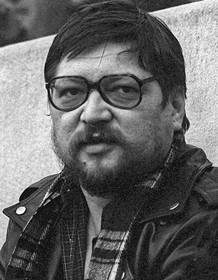
Rainer Werner Fassbinder
Made by

Antiteater-Produktion
Why Does Herr R. Run Amok? Plot Summary
Read the complete plot summary and ending explained for Why Does Herr R. Run Amok? (1970). From turning points to emotional moments, uncover what really happened and why it matters.
Herr Rabb [Kurt Raab] has spent 18 months at a small architectural firm, showing steady loyalty and earned respect from colleagues. He and his wife [Hanna Schygulla] navigate a life that appears orderly: they thoughtfully attend a parent-teacher conference, quietly share evenings watching television, and talk about plans for the future. They visit his parents, where his mother seems slightly overbearing, a detail that brushes against the quiet strain of daily life. Although he has been rebuked at work and his son could be doing better at school, these concerns never spill into a crisis, and it seems the couple can weather them together. His wife hints at a potential promotion to another office, a prospect that promises changes even as it adds weight to his responsibilities.
At work, Rabb undergoes a routine health check-up, revealing only minor issues — a touch of elevated blood pressure and persistent headaches that hint at underlying stress rather than anything dramatic. Later, at a dinner gathering for his colleagues and boss, he delivers an embarrassingly tipsy speech, a moment that unsettles him and, in turn, leads his wife to remark that he is fat and stupid. This exchange underscores a growing sense of fragility beneath his composed surface, a man who otherwise holds himself in check in public but cracks in private.
The domestic sphere sits in the background as Rabb watches television alongside his wife and a talkative neighbor [Irm Hermann], who fills the room with chatter about her skiing trip. The neighbor’s persistent storytelling becomes a catalyst, and after listening to her shared anecdote, Rabb rises in silence, and in a single act of shocking violence, he bludgeons to death the neighbor, his wife, and his son Amadeus [Johannes Fengler] with a large candlestick. The violence is sudden and suffocating in its calm, a rupture of the ordered life the couple had maintained.
The next day unfolds with a disturbing normalcy as Rabb goes to work on time, seemingly proceeding as if nothing has happened. When the police come to the scene, the truth of the previous night emerges: Rabb has hanged himself in the bathroom, ending a life that had seemed steady and predictable on the surface but carried an unbearable tension beneath. This sequence leaves a haunting question about the pressures of routine, the fragility of family life, and the impulses that can rupture a carefully balanced existence.
Why Does Herr R. Run Amok? Timeline
Follow the complete movie timeline of Why Does Herr R. Run Amok? (1970) with every major event in chronological order. Great for understanding complex plots and story progression.
18 months at the architectural firm
Herr R. has worked for 18 months at a small architectural firm, showing loyalty and respect for his colleagues. He appears settled in his role and trusted by supervisors, reflecting a stable career. The arrangement underscores a quiet professional life supporting his domestic stability.
Parent-teacher conference with his wife
Herr R. and his wife attend a parent-teacher conference, presenting a united front. They discuss their son's schooling and the family's expectations for his progress. The moment underscores a socially normal, orderly life on the surface.
Evening at home: TV and future plans
They return home and spend the evening watching television together, talking about future plans. Their conversation hints at promotions and career moves that might shape their lives. The domestic routine feels calm and hopeful.
Visit to his parents; mother overbearing
They visit his parents, where his mother appears slightly overbearing. The encounter hints at underlying tensions beneath a conventional family life. The visit sets a backdrop of familial pressure.
Work rebuke about performance
At work he is rebuked for performance issues, and remarks about his son’s school performance surface, though neither issue seems dire. The moment reveals stresses simmering beneath his outward calm. It foreshadows mounting pressure he feels.
Wife mentions expected promotion
His wife tells friends that he is anticipating a promotion to another office. The claim signals outward optimism about career progress while private tensions remain unresolved. The social chatter adds another layer of expectation.
Health check-up at work
Herr R. is at work, getting a health check-up, with only minor issues noted. Slightly raised blood pressure and persistent headaches are recorded, suggesting stress rather than a serious medical crisis. The check-up feels routine but carries an undercurrent of unease.
Tipsy speech at the dinner party
During a dinner-party for colleagues and their boss, he delivers a notably tipsy speech. His wife responds with a sharp rebuke, calling him fat and stupid. The scene exposes public embarrassment and private strain in their relationship.
Evening: watching TV with wife and neighbor
Herr R. sits to watch television with his wife and a talkative neighbor, creating a mundane domestic scene. The neighbor’s chatter about her skiing trip provides a banal backdrop to what will become a drastic turn. The room’s ordinary calm contrasts with the violence to come.
Murder: he bludgeons three people with a candlestick
After the neighbor discusses a skiing trip, he rises and silently bludgeons the neighbor, his wife, and his son Amadeus with a large candlestick. The killings are carried out without a confrontation, marking a drastic and shocking break from the day’s normal rhythm.
Next day: he goes to work on time
The next day, he reports to work on time, maintaining an outward appearance of normalcy. The routine facade persists even as a family tragedy remains undiscovered by colleagues. There is a chilling sense that life continues despite events at home.
Police arrive; suicide discovered
When the police arrive, they discover that Herr R. has hanged himself in the bathroom. The discovery provides a final, devastating reversal to the day’s events. The film closes on the collapse of the ordinary life that preceded it.
Why Does Herr R. Run Amok? Characters
Explore all characters from Why Does Herr R. Run Amok? (1970). Get detailed profiles with their roles, arcs, and key relationships explained.
Herr R.
A loyal, family-oriented architect whose outward composure masks deep-seated frustration. He navigates professional rebukes and domestic pressures until a violent breaking point changes everything. He is quiet, controlled, and capable of drastic action when pushed too far.
Hanna (wife)
Herr R.'s wife, portrayed as supportive yet increasingly strained by her husband's behavior. She experiences a blend of affection, concern, and sarcasm, and she is present at home, social events, and during family moments.
Amadeus (son)
Their son, the subject of parental concern about his schooling. His presence underscores family responsibilities and the expectations placed on the next generation.
Neighbor (Irm Hermann)
A talkative neighbor who contributes to the social fabric surrounding the Rabb family, representing everyday chatter and casual social pressure.
Mrs. R. (Lilith Ungerer)
Herr R.'s mother or mother-in-law whose overbearing presence reflects traditional expectations and familial pressure from the older generation.
Grandfather Raab (Maria Sterr)
An elder relative embodying tradition and conservative values within the Rabb family circle.
Grandfather Raab (Vinzenz Sterr)
Another elder Raab figure reinforcing family norms and expectations from a different generational perspective.
Boss
The supervisory authority at the architectural firm, whose expectations contribute to the work-related stress felt by Herr R.
Coworker (Harry Baer)
A colleague who interacts with Herr R at the firm, offering social dynamics that reflect daily office life and pressure.
Coworker (Peter Moland)
Another coworker whose presence contributes to the professional environment and the subtleties of workplace relationships.
Schallplattenverkäuferin (Eva Pampuch)
A record shop clerk encountered in daily life, adding texture to the urban, social milieu.
Schallplattenverkäuferin (Carla Egerer)
Another record shop clerk who contributes to the casual, everyday scenes in the city.
Kriminalbeamter (Jochen Pinkert)
A detective or police officer who appears when violence becomes a central concern, representing law and order in the narrative.
Why Does Herr R. Run Amok? Settings
Learn where and when Why Does Herr R. Run Amok? (1970) takes place. Explore the film’s settings, era, and how they shape the narrative.
Time period
1970s
Set in the early 1970s in West Germany, the story anchors its drama in a modern urban milieu. Daily life—work, school, and community—unfolds against a backdrop of social expectations and quiet tensions. The era's media, domestic rituals, and weekend gatherings frame the events that lead to a catastrophic breaking point.
Location
Germany
The film unfolds in an urban German city, centered on a small architectural firm, a home, and a neighborhood. It portrays everyday office routines, family life, and neighborly chatter within a contemporary German setting. The environment emphasizes the rhythms of city living and the social interactions surrounding a working couple and their circle.
Why Does Herr R. Run Amok? Themes
Discover the main themes in Why Does Herr R. Run Amok? (1970). Analyze the deeper meanings, emotional layers, and social commentary behind the film.
🧠
Mental Breakdown
The film traces a man who appears outwardly controlled but harbors mounting frustration. External pressures at work and at home push Herr R. toward a volatile inner threshold. The narrative examines how personal grievances can spiral into drastic, tragic actions when emotions overwhelm social decorum.
💼
Work Pressure
Looming rebukes at work and the pursuit of promotion create a climate of professional anxiety. The architectural firm becomes a pressure cooker where ambition collides with failure, eroding interpersonal trust. This strain contributes to the protagonist's sense of worth and triggers the eventual crisis.
🌆
Urban Alienation
The story situates personal turmoil within a crowded urban life, where couples, neighbors, and colleagues rub against each other. The constant social surveillance and routine conversations magnify small irritations into a sense of isolation. The city itself acts as a pressure chamber for private despair.

Coming soon on iOS and Android
The Plot Explained Mobile App
From blockbusters to hidden gems — dive into movie stories anytime, anywhere. Save your favorites, discover plots faster, and never miss a twist again.
Sign up to be the first to know when we launch. Your email stays private — always.
Explore the mobile appWhy Does Herr R. Run Amok? Spoiler-Free Summary
Discover the spoiler-free summary of Why Does Herr R. Run Amok? (1970). Get a concise overview without any spoilers.
“Why Does Herr R. Run Amok?” presents a meticulously observed portrait of everyday existence in Munich, where Herr Rabb works as a technical draftsman at a small architectural firm. His life follows the rhythms of routine: steady employment, a marriage marked by shared evenings and quiet plans for the future, and raising their young son Amadeus. On the surface, everything appears orderly and predictable, a careful balance of professional obligations and domestic responsibilities.
The film lingers on the quiet accumulations of daily life — parent-teacher conferences, evenings in front of the television, visits to his parents’ home where subtle tensions hover beneath polite conversation. Herr Rabb has spent eighteen months building a reputation for loyalty and earned respect among colleagues, yet small signs suggest pressures that remain unspoken: a rebuke at work, a child’s academic struggles, the weight of expectations that never quite erupt into open crisis. His wife speaks of a potential promotion to another office, a prospect that carries both promise and unexamined weight.
Beneath this composed exterior lies a growing sense of fragility. A routine health check-up reveals minor concerns — elevated blood pressure, persistent headaches — physical hints of underlying stress rather than anything dramatic. The domestic sphere fills with small moments that test the limits of restraint, from overbearing family members to exchanges that cut deeper than intended. The film builds an atmosphere of suffocating normalcy, where the accumulation of ordinary pressures creates a tension that feels both inescapable and precarious.
Through it all, the question posed by the title hovers over every scene: what lies beneath the surface of an ordinary life, and what happens when the foundations begin to crack? The answer seems to rest somewhere in the gaps between public composure and private strain, in the unspoken expectations that shape a man’s existence. What emerges is a meditation on routine, repression, and the hidden costs of maintaining an ordered appearance.
Movies with Similar Twists and Themes
Uncover films that echo the narrative beats, emotional arcs, or dramatic twists of the one you're exploring. These recommendations are handpicked based on story depth, thematic resonance, and spoiler-worthy moments — perfect for fans who crave more of the same intrigue.


Featured on this page

What's After the Movie?
Not sure whether to stay after the credits? Find out!
Check out our other apps:

SAT Sphere
Build confidence for the Digital SAT.

Mori Atlas
Discover wild places worth protecting.

Luntero
Search smarter for a home in Amsterdam.

Plot Explained
Unravel movie endings and hidden clues.

Pokechamp
Dive into Pokémon data and battle logic.

Driving Theory
Get ready for your European theory test.

Movie Dust
Plan your next cinema trip with ease.

Musemap
Find art and culture as you travel.

Selkobase
Compare credentials before committing.

Local Manual
Turn an unfamiliar country into practical next steps.

Lernavi
Compare school systems before your next move.

GymRoam
Find a workout stop wherever your plans take you.
Explore Our Movie Platform
New Movie Releases (2026)
Famous Movie Actors
Top Film Production Studios
Movie Plot Summaries & Endings
Major Movie Awards & Winners
Best Concert Films & Music Documentaries
Movie Collections and Curated Lists
© 2026 What's After the Movie. All rights reserved.
Privacy Policy