What Is Whore About?
The premise of Whore in 305 words, with nothing given away. The full story follows below.
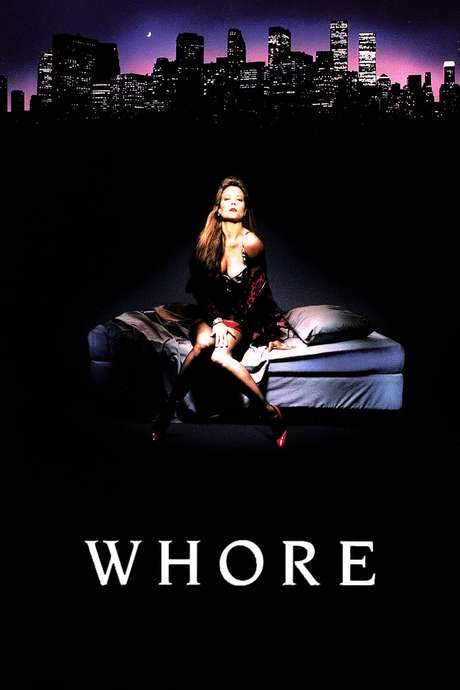
In a stark, pseudo‑documentary fashion, the film turns the camera toward the underbelly of Los Angeles, inviting the audience into a world that is rarely spoken about directly. The story follows Liz, a street‑level sex worker who opens the film by looking straight into the lens, offering an unflinching, intimate portrait of her daily reality. The tone is deliberately raw and observational, blending the immediacy of a personal confession with the detached feel of a documentary, so the viewer is left hovering between empathy and discomfort.
Liz carries the weight of a painful past: a small‑town upbringing, an abusive marriage, and the choice to flee into a city where survival often depends on the whims of a tightly controlled and predatory network. The presence of a charismatic yet controlling figure, Blake, looms over her existence, shaping the precarious balance between the limited support he can provide and the coercive power he wields. This dynamic underscores the film’s exploration of how personal agency can be both eroded and reclaimed within an unforgiving economy.
Amid the harsh cityscape, moments of unexpected connection surface. A thoughtful patron, Katie, introduces a sliver of literary refuge, hinting at the possibility of intellectual escape and genuine companionship. Meanwhile, a wandering street performer known as Rasta offers brief interludes of surreal calm, his unconventional acts acting as a counterpoint to the surrounding grit. These relationships suggest glimmers of humanity that pierce the film’s otherwise relentless realism.
The overall mood is one of bleak beauty—a melancholy city that reflects the protagonist’s inner turbulence while also allowing space for fleeting tenderness. The film’s style—mixing direct address, fragmented flashbacks, and chiaroscuro lighting—creates a layered portrait of a woman navigating a brutal economy of sex and power. It asks the viewer to confront uncomfortable truths, while also acknowledging the resilient spirit that persists beneath the surface.
What Happens in Whore?
The complete story of Whore, from the first scene to the last, in 794 words (about 3 minutes). Spoilers throughout. Names in the text link to 1 cast member page.
Spoilers ahead
Liz, Theresa Russell, is a Los Angeles street prostitute who opens the film by directly addressing the audience, sharing her life and the multitude of problems she faces. On a crowded downtown street near a tunnel, she refuses a demanding customer who wants anal sex and also brushes off a van full of men who had previously abused her. A passing elderly man offers help—his handkerchief, and a possible trip to the hospital—yet Liz returns his generosity later, sending back the money with a note and a new handkerchief, signaling a complicated mix of gratitude and independence. Throughout, the tone stays intimate and unflinching as she confronts the daily hazards of her trade and the emotional toll of her past.
We learn that Liz dreams of escaping life on the street and the tightening grip of her pimp Blake, a dapper, controlling figure who runs a tight, predatory operation. Her backstory unfolds in fragments: a small-town girl who marries a violent, alcoholic husband named Bill, and after bearing a son, she flees the abuse. She keeps the child in her heart as she drifts between poverty and late-night shifts at a diner. A pivotal moment comes when a paying customer asks for sex, and she agrees to prostitution as a means to survive. This path eventually leads her to Blake in Los Angeles. Blake can provide some practical support—he’s the one who helps with tattoos and logistics—but his power over Liz is coercive and sometimes brutal, echoing the violence she escaped from with Bill.
In the titling rhythm of the film, Liz forms a fragile alliance with a fellow sex worker who is violently attacked by a client. Liz brings the injured woman to a theater bathroom, hoping to save her life, and a theater patron, Katie, steps in to help. Katie is portrayed as intellectual and kind, and she lends Liz the novel Animal Farm, the first book Liz completes. Their burgeoning friendship complicates Liz’s life: Blake uses menace to undermine the bond, and he accuses Katie of lesbianism, driving a wedge between the two women. The city’s shadows lengthen as Liz clings to this new connection even as she suspects the dangerous consequences of staying with Blake.
An additional thread introduces Rasta, a local homeless street performer who does a hair-raising act walking on broken glass. He offers Liz a small escape by inviting her to watch a film with him, and the scenes of their time inside the cinema are intercut with Blake’s own life narration, creating a disorienting, almost theatrical collage of Liz’s world. Within these interludes, Liz recounts more of her encounters with clients—one, a man with a shoe fetish, who wants Liz to insult him while he masturbates with her stilettos in his mouth, a detail that underscores the odd, brutal humor and the perverse edges of her experiences.
After the film, Liz speaks of her son with tenderness, clearly loving him, though he is now in foster care. That night, she crosses paths with an elderly, well-dressed client who drives her to a parking garage in a vintage car. The encounter turns tragic as the man dies of a heart attack, and Liz wrestles with the thrill and fear of mortality in the space between life and death. Blake reappears and, driven by greed and jealousy, attempts to ambush the dead man’s body to steal money and, in a violent confrontation, he attacks Liz, breaking one of her fingers and threatening to push her son into gay prostitution. The moment crystallizes when Liz defends herself with fierce resolve, retorting, “I’ll kill you first!”
The film’s final act erupts in a brutal act of retribution. Rasta, ever watchful, steps in and ends Blake’s life by slitting his throat, bringing a brutal sense of justice to Liz’s world. As Blake falls, Liz acknowledges Rasta’s help, and with the danger finally dissipating, she walks away from the wreckage of her past, moving forward with a quiet strength that remains at the core of her character.
Throughout, the movie’s stark realism is balanced by poignant moments of tenderness, loyalty, and survival. The interwoven storytelling—Liz’s direct address, the flashback-laden backstory, the theater intercuts with Blake’s voiceover, and the stark, often brutal encounters on the street—creates a portrait of a woman navigating a brutal economy of sex and power. The film does not glamorize Liz’s choices; rather, it scrutinizes the systems that shape them, while also leaving room for small acts of humanity—a handkerchief returned with care, a book borrowed and read, a friend who sees, and a man who protects, even at great personal cost. In the end, Liz’s walk away from the theater and the men who would define her life signals a fragile, hard-won resilience—one that continues beyond the frame.
Whore Timeline: Every Key Event in Order
15 key events in the order they happen, from “Opening: Liz on the street” to “Confrontation and Blake's end”. 15 events name a place, across 12 locations.
- 1
Opening: Liz on the street
Liz is introduced on a busy downtown street near a tunnel, where she lives and works. She directly addresses the audience, talking about her life and problems. Her attempt to attract a customer sets the film's tone.
When:Daytime Where:Downtown street near a tunnel, Los Angeles
- 2
A crude demand and rejection
A man stops and demands anal sex; she bluntly declines him. The moment emphasizes the crude and dehumanizing requests she faces. Her sharp response contrasts with the vulnerability she hides.
When:Daytime Where:Downtown street
- 3
Van memory of assault
She recalls the last time she serviced a man in a van, where several other men gang-raped her, beat her, and left her for dead. The memory underscores the danger and trauma of her life on the streets. It lingers as she moves through the present.
When:Past Where:In van (memory)
- 4
Elderly man offers help
An elderly man passes by, gives her his handkerchief, and offers to take her to a hospital. She refuses the hospital and instead asks the alderman for money. This moment shows both pity she encounters and her stubborn independence.
When:Daytime Where:Downtown street
- 5
Returning the alderman's money
Later, Liz sends back the alderman's money with a thank-you note and a new handkerchief. Her gesture is polite but guarded, signaling a complicated relationship with aid. The scene reinforces her focus on maintaining control over her life.
When:Evening Where:Downtown street
- 6
Escape attempt and strip club stop
Weary of life as a prostitute, Liz stops at a strip club for a drink and to think about escaping Blake, her pimp. She uses this moment to reflect on how she ended up here. The detour foreshadows the looming control Blake still holds.
When:Evening Where:Strip club
- 7
Backstory: Bill, child, poverty
Liz recounts her past as a small-town girl who married violent drunk Bill and had a son. Unable to cope with abuse, she leaves with the infant and lives in poverty, working a diner night shift. One night, a customer pays for sex, and she begins prostituting herself; eventually she meets Blake and moves to Los Angeles.
When:Past Where:Small town, then diner, then Los Angeles
- 8
Blake moves Liz to LA (tattooed)
Blake takes Liz to Los Angeles and does things for her, including getting her tattooed. He remains cruel and controlling despite some benefits he provides. This relationship defines much of Liz's struggle in the city.
When:Past Where:Los Angeles
- 9
Stabbed prostitute rescued
Liz finds a fellow prostitute stabbed in the stomach by a john and rushes her to a movie theater bathroom to stop the bleeding. A patron, Katie, helps, and Liz and Katie become friends for a time, with Katie lending Liz the novel Animal Farm. The bond sharpens the contrast with Blake's control.
When:Evening Where:Movie theater bathroom
- 10
Friendship with Katie strains
Liz and Katie’s friendship deepens, but Blake later intimidates Liz and accuses Katie of lesbianism, driving a wedge between them. The power dynamic in Liz's life becomes more evident here. The incident foreshadows later conflict.
When:Night Where:Theater area
Show the other 5 events of Whore Hide the last 5 events
- 11
Rasta and the film intercut with Blake
A homeless street performer named Rasta treats Liz to a film, and his act of walking on broken glass unsettles her. The screening is intercut with Blake explaining his life to the audience, giving the impression that Liz and Rasta are watching his soliloquy.
When:Evening Where:Cinema / film venue
- 12
Prostitution stories and shoe fetish
During the film, Liz recounts more prostitution stories, including a male client with a shoe fetish who demands she insult him while he masturbates with a stiletto. The intercut framing reinforces the film's meta storytelling. The moment highlights the degradation she has endured.
When:Evening Where:Cinema
- 13
Reflection on her son
After the film, Liz speaks directly to the audience about her son, who is in foster care and whom she clearly loves. The moment anchors her desire for a better life beyond her current situation. It deepens the audience's empathy for her.
When:Night Where:Theater / cinema
- 14
Heart attack, robbery, and finger broken
Later that night, Liz takes an elderly, dapper client to a parking garage, where the man suffers a heart attack and dies. Liz frantically tries mouth-to-mouth, but Blake arrives, steals the dead man's money, and destroys Liz's finger in a fight.
When:Late night Where:Parking garage
- 15
Confrontation and Blake's end
Blake strangles Liz and threatens to force her son into gay prostitution, but Liz fights back, saying she would kill Blake first. Rasta arrives, kills Blake by slitting his throat, and Liz expresses gratitude for the film before walking away with a renewed sense of resolve.
When:Late night Where:Parking garage
Who Are the Main Characters in Whore?
4 characters, among them Liz (Theresa Russell), Katie (Elizabeth Morehead) and Rasta (Antonio Fargas): who each one is and the part they play in the story. 3 of them link to the actor’s page.
- L(
Liz (Theresa Russell)
Played by Theresa Russell
A Los Angeles street prostitute who narrates her life to the audience, revealing a history of abuse and ongoing struggle for autonomy. She endures coercion from a controlling pimp while showing moments of care for her son. Liz's resilience and candor drive the narrative as she navigates danger, financial precarity, and fragile friendships.
- 💃 Prostitute
- 💪 Survivor
- 👩👦 Mother
- K(
Katie (Elizabeth Morehead)
Played by Elizabeth Morehead
An intellectual neighbor and fellow patron who offers Liz a rare refuge through friendship and shared reading. Their bond illustrates the possibility of empathy and support within an unforgiving street life, even as tensions rise due to Blake’s intimidation. Katie represents hope and intellect amid chaos.
- 💡 Intellectual
- 🤝 Friend
- 🕊️ Ally
-

Rasta (Antonio Fargas)
Played by Antonio Fargas
A homeless street performer who initially frightens Liz but later becomes a protective presence. He treats Liz to a film and ultimately intervenes in the climactic confrontation, killing Blake to rescue her from further harm. Rasta embodies a counterpoint to derision by offering unexpected assistance.
- 🎭 Street performer
- 🛡️ Protector
- 🕊️ Outsider
- B
Blake
Liz’s cold, businesslike pimp who exerts control through manipulation and threats, including intimidation of Liz and the possibility of forcing her son into prostitution. His eventual demise marks a brutal turn in Liz’s fight for freedom and safety.
- 💼 Pimp
- 😡 Abuser
- 💰 Manipulator
Where and When Is Whore Set?
Whore is set in Los Angeles, Downtown Los Angeles, Movie theater, Diner, Strip club, Parking… (Early 1990s). Here is why the time and place matter to the story.
When
Early 1990s
The narrative sits in contemporary Los Angeles of the early 1990s, reflecting the era’s urban grit and social issues. Visuals, fashion, and street life emphasize a pre-digital, more tactile cityscape. Prostitution, violence, and street survival dominate the daily rhythm, shaping the characters’ choices. The time period anchors the realism of Liz’s experiences and the film’s critique of hardship.
Where
Los Angeles, Downtown Los Angeles, Movie theater, Diner, Strip club, Parking garage
The story unfolds across gritty urban spaces in Los Angeles’ downtown, emphasizing the harsh realities of street life. Key locales include a crowded downtown street, a seedy strip club, a public cinema, a dim diner, and a parking garage where a pivotal event occurs. The settings underscore poverty, danger, and moments of human connection amid urban decay. The film uses these places to contrast vulnerability with brief acts of generosity and danger.
- 🌆 Urban LA
- 🏙️ Downtown life
- 🎬 Filming locations
- 🚗 Street life
What Are the Themes of Whore?
3 ideas the story keeps returning to, among them Survival, Friendship and Meta-narrative.
-
01
Survival
Liz’s arc centers on enduring exploitation and danger in a world that treats vulnerability as a commodity. The film traces cycles of abuse from her husband to an controlling pimp, while she relentlessly pursues a measure of independence. Small acts of courage and quick, morally charged decisions define her attempts to protect herself and her son. The struggle to stay afloat in a hostile environment is the core tension.
-
02
Friendship
Moments of solidarity appear through Liz’s relation with Katie, whose intellect and kindness offer brief refuge from brutality. This bond clashes with Blake’s coercive control, illustrating how relationships can both empower and threaten Liz. Rasta also represents a fragile form of support in the margins of society. Together, these connections test loyalty, trust, and resilience.
-
03
Meta-narrative
Liz frequently addresses the audience, blending life and performance in a self-conscious, meta approach. Scenes of her experiences are intercut with others that blur the line between story and its telling, inviting viewers to confront how narratives about sex work are shaped. This fourth-wall presence complicates sympathy, judgment, and the understanding of Liz’s choices within a performative frame.
What Kind of Film Is Whore?
Dark in tone, with steady pacing and a moderate story, going by the plot summary.
- Tone
- Dark
- Pacing
- Steady
- Story
- Moderate
- Intensity
- High
- Ending
- Bittersweet
A raw and unflinching portrait of survival on the streets, this film delivers a consistently intense and gritty experience punctuated by moments of fleeting tenderness amidst pervasive brutality and emotional toll.
- raw
- brutal
- unflinching
- gritty
- somber
- intimate
- prostitution survival
- female protagonist
- systemic exploitation
- friendship and betrayal
Content notes: sexual assault, gang rape, domestic abuse, graphic violence, exploitation, threats to a child.
Quiz
How well do you remember Whore? Test yourself on the story.
Where to Watch Whore
Stream it on BFI Player and MovieSphere+. US availability and prices from JustWatch.
 BFI Player Amazon Channel
  MovieSphere+ Amazon Channel
  Plex
Plex  Plex Channel
  Tubi TV
 Streaming availability in the US, powered by